How to Get a 5 on the AP Environmental Science Exam: Strategies & Success Guide
Getting a 5 on the AP Environmental Science exam isn’t just about memorizing facts. You’ll need to study smart, practice with real test conditions, and focus on what graders actually care about.
Key Takeaways
- Spend most of your study time on core systems and concepts that always show up.
- Work through timed multiple-choice sections and break down every mistake.
- Write FRQs under exam conditions, then grade them using official rubrics.
Understanding the AP Environmental Science Exam
If you want a 5 on the AP Environmental Science exam, you have to know how the test works. Understanding the structure, scoring, and what ideas show up most can really change how you study.
Exam Structure and Timing
The AP Environmental Science exam splits into two big sections: multiple choice and free response. You’ll answer 80 multiple-choice questions in 90 minutes, with individual and passage-based items.
For Section II, you get three free-response questions in 70 minutes. One question asks you to design an investigation, another has you analyze a problem and suggest a solution, and the third focuses on calculations in a scenario.
| Section | Questions | Time |
|---|---|---|
| Multiple Choice | 80 | 1 hr 30 min |
| Free Response | 3 | 1 hr 10 min |
All answers go into the Bluebook app. Everything submits automatically when time’s up.
Scoring Breakdown and What a 5 Means
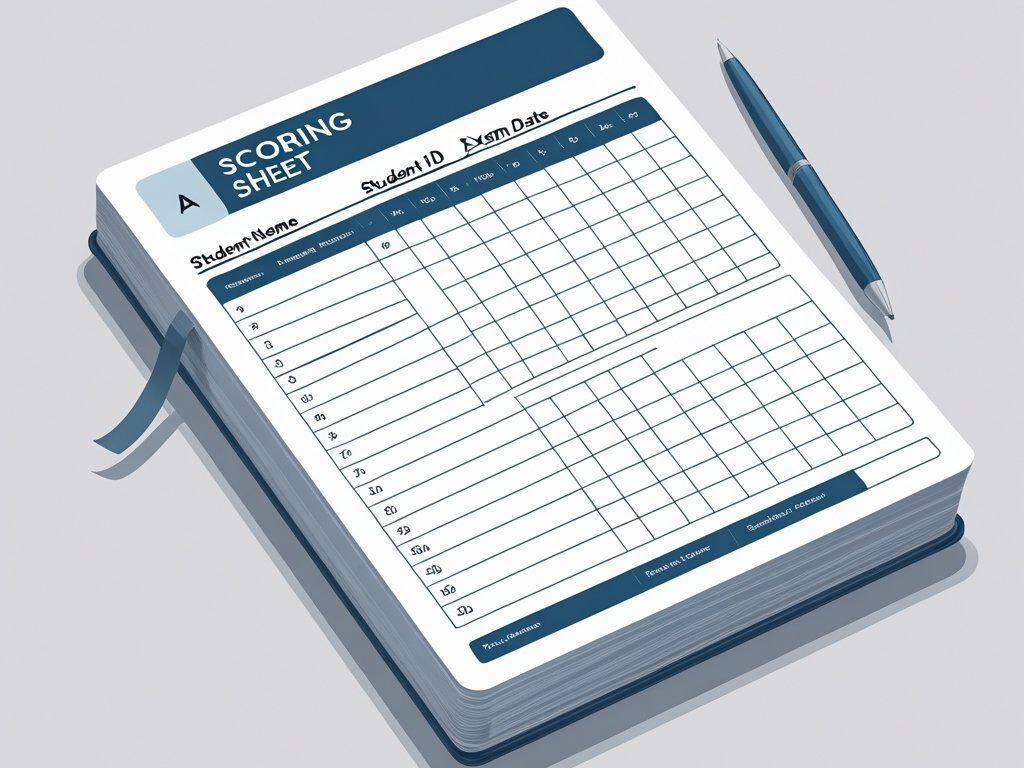
Your score comes from 60% multiple choice and 40% free response. Each MCQ is worth one point, and FRQs use detailed rubrics—stick to their language for full credit.
Colleges see a 5 on the AP Environmental Science exam as proof you’ve mastered the material. The raw score you need for a 5 changes a bit each year, so just push for as many correct MCQs and full FRQ points as possible.
- Multiple-choice: 60% of score
- Free-response: 40% of score
- Practice under timed conditions to build accuracy
- Use rubrics to grade your own FRQs
Big Ideas and Course Framework
The test covers seven science practices and nine course units, all built around four Big Ideas. These include systems and models, energy and matter flows, population and biodiversity, and human impacts on the environment.
Questions mix facts with data and experimental design. Study the nine units, map out which topics show up in which question types, and use the official Course and Exam Description to match your practice to what actually gets tested.
Mastering High-Yield Content Areas
To get a 5 on the AP Environmental Science exam, you can’t just skim the basics. You need to know the processes, the cause-and-effect chains, and the quick calculations, plus, you should be able to explain how human actions tie into environmental results.
Core Units and Topic Weighting
Some units matter more than others. The exam puts a lot of weight on ecosystems, energy, and global change, so spend extra time on population dynamics, nutrient cycles, and human impact topics.
Learn your definitions (like ecosystem, niche, carrying capacity) and equations for things like population growth and percent change. Use a checklist with major concepts, common data types, and problem steps.
| Unit | Emphasis |
|---|---|
| Ecosystems | High |
| Energy | High |
| Global Change | High |
| Policy & Human Impact | Moderate |
- Practice set-based MCQs and timed FRQs
- Use official APES exam materials for real question types
Ecosystems, Biodiversity, and Biogeochemical Cycles
Be able to explain energy flow from sunlight to producers to consumers, and remember that energy drops at each trophic level. Memorize the big biogeochemical cycles and how humans mess with them—like fertilizer runoff causing eutrophication or fossil fuel burning raising CO2.
Biodiversity matters for resilience and ecosystem services, so know your metrics (genetic, species, ecosystem). Be ready to analyze graphs about species loss or fragmentation, and write short responses linking human actions to ecosystem changes.
- Memorize key reservoirs and human impacts
- Practice analyzing biodiversity data
- Write short, clear responses on cause and effect
Energy Resources and Consumption
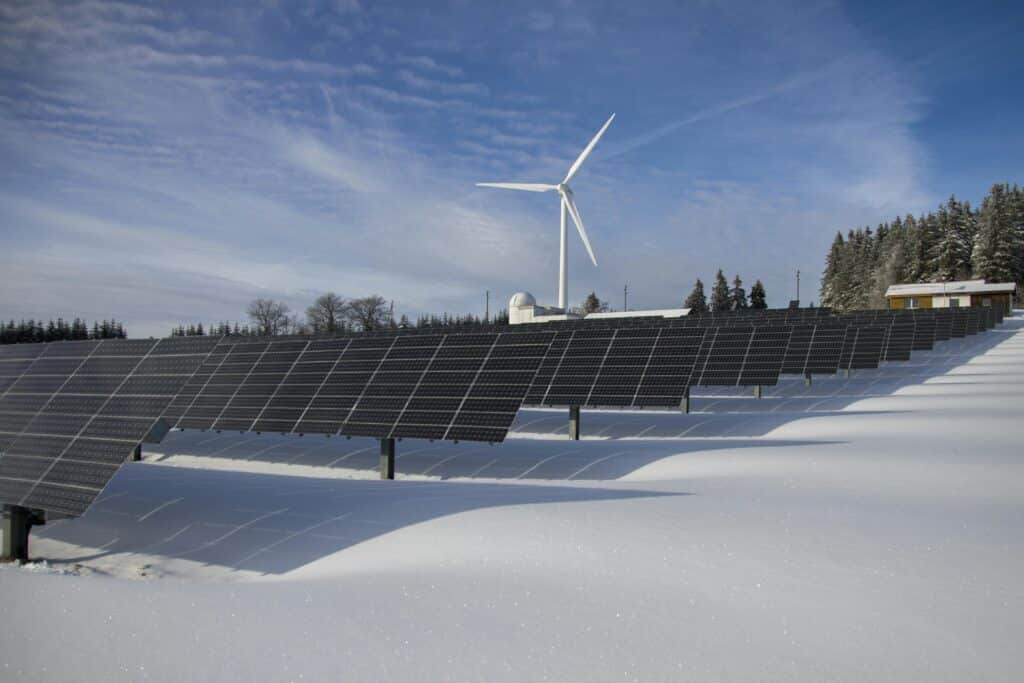
Understand the main energy sources—coal, oil, natural gas, nuclear, wind, solar, hydro, and biomass. Know which sources emit carbon, which are renewable, and their typical energy densities.
Learn about extraction impacts and how to calculate energy efficiency or percent use change. Study energy use by sector and policy tools like carbon taxes and cap-and-trade, and practice comparing energy strategies in FRQs.
- Memorize which sources are renewable and carbon-emitting
- Know policy tools and their effects
- Practice calculation questions
Global Change and Climate Science
Connect greenhouse gas sources to climate effects and data. Know your major greenhouse gases—CO2, CH4, N2O—and what causes them, like fossil fuels or agriculture.
Be able to read temperature graphs, explain radiative forcing, and describe responses like sea-level rise. Study mitigation and adaptation strategies, and practice proposing policies with measurable outcomes.
- Identify greenhouse gas sources and effects
- Interpret climate data visuals
- Propose strategies in practice scenarios
Excelling in the Multiple-Choice Section
Getting a 5 on the AP Environmental Science exam means you need to handle MCQs fast and accurately.
MCQ Formats and Question Types
The multiple-choice section is 80 questions in 90 minutes and makes up 60% of your score. You’ll get both stand-alone and set-based questions.
Always read the question stem before the answers. Mark up long passages to flag key numbers or terms. For “identify” prompts, go for the direct choice. For “describe,” pick the answer that names a trend, cause, or effect clearly.
- Use aggressive elimination
- Guess if you’re unsure—no penalty
- Mark up passages and visuals
Analyzing Data Tables, Maps, and Graphs

Start by reading the figure title and axis labels; you want to know what’s being measured and in what units. Check legends for symbols or colors, then read the question to see what you’re supposed to do.
Look for highest/lowest values in tables, slopes or peaks in graphs, and scale or compass on maps. Annotate quick notes so you don’t get lost on re-reads. For “identify,” point to the single right answer; for “describe,” state the clear trend.
| Visual | What to Check |
|---|---|
| Table | High/low values, differences |
| Graph | Slopes, peaks, trends |
| Map | Scale, compass, features |
- Circle values or trends directly on the figure
- Don’t waste time rereading visuals
Strategies and Pacing Techniques
Divide your time—about 65–70 minutes for all MCQs, with some left to review tough ones. Tackle easy questions first, then skip and flag the hard ones for later.
Eliminate wrong answers fast, then choose between the last two by checking which fits the data or APES principles best. Don’t second-guess yourself unless you find hard evidence you missed something.
- Fill in answer bubbles every 10–15 questions
- Practice with timed sets to build speed
- Use practice exams with real visuals
Tackling the Free-Response Section (FRQs)
If you want a 5 on the AP Environmental Science exam, the FRQs can’t be ignored.
Pay close attention to task words: design, analyze, propose, justify. Every sentence should earn points, so don’t waste time restating the prompt or writing fluff.
FRQ Types and What They Want
You’ll see three main FRQ styles: one investigation design, one analysis/problem-solving, and one calculation-based scenario. Each has its own rubric, but all reward clear, concise answers.
For design questions, outline steps and variables. For analysis, state the problem, give evidence, and propose a solution. For calculations, show every step and label units.
- Label each part of your answer clearly
- Use bullet points or short sentences for clarity
- Double-check units and math
Time Management and Scoring Tips

Divide your 70 minutes evenly—about 23 minutes per FRQ, but leave a few at the end to review. If you get stuck, jot down what you know and move on, then circle back if you have time.
Score your practice FRQs with official rubrics. Notice where you lose points and fix those weak spots. Practicing this way helps you get closer to a 5 on the AP Environmental Science exam.
| FRQ Type | Key Tip |
|---|---|
| Design | Outline steps, define variables |
| Analysis | State claim, use evidence |
| Calculation | Show all work, check units |
- Don’t write unnecessary intro sentences
- Use the rubric as a checklist
Common Mistakes and How to Avoid Them
Many students lose points by skipping steps or forgetting units in calculations. Others restate the prompt instead of answering it, or write too much background and not enough direct response.
Practice writing concise, to-the-point answers. If you’re not sure, write what you do know—partial credit is better than nothing.
- Never leave a question blank
- Always show your math and units
- Stick to what the question asks
FRQ Question Types and Expectations

The FRQ section throws three main types of prompts your way: design-an-investigation, analysis/problem-solving, and solution/justification. Each one checks for different skills—experimental planning, data crunching, and applying concepts to real-world messes.
Seriously, circle command words in the question stem like identify, explain, calculate, and justify. That stuff matters for scoring a 5 on the AP environmental science exam.
Answer in labeled parts: (a), (b), (c), etc., matching the rubric exactly. Stick to short, direct sentences that hit rubric points fast.
If they ask you to explain, connect cause and effect. For justify, give evidence and link it to your claim. Always keep track of units and sig figs for calculations—don’t let those slip.
- Three FRQ types: design, analysis, solution
- Circle command words for clarity
- Label answers to match rubric
- Use correct units and sig figs
| Prompt Type | Main Skill | Key Tip |
|---|---|---|
| Design | Experimental planning | State variables clearly |
| Analysis | Data interpretation | Show all work |
| Solution | Real-world application | Justify with evidence |
Designing Investigations and Analyzing Problems
For design-an-investigation FRQs, start with a clear hypothesis. Explicitly state one independent variable and one dependent variable.
Outline your controls, sample size, and replication—make it so anyone could repeat your experiment. Mention exactly how you’d collect data, like measuring dissolved oxygen every 24 hours with a probe.
Analysis prompts want you to process data: spot trends, calculate rates or percentages, and explain the science behind what’s happening. Use diagrams or tables if they help clarify your plan or results.
- Hypothesis must be clear
- Define variables and controls
- Describe concrete data collection
- Link results to environmental concepts
| Step | Purpose |
|---|---|
| State hypothesis | Shows direction of experiment |
| Describe controls | Ensures validity |
| Analyze data | Connects to concepts |
Calculation Skills and Showing Work

Start calculations by jotting down known values, the formula, and all units. Show every step—graders give points for the right method, even if your answer’s a little off.
Typical tasks: percent change, population growth, concentration (ppm, mg/L), and energy flow. If you estimate, say what you assumed and show how it impacts your answer. Box your final result so it’s easy to find.
- Write out formulas and units
- Show each calculation step
- Box final answer
- State assumptions for estimates
| Calculation Type | Tip |
|---|---|
| Percent change | Always show formula |
| Population growth | Label variables |
| Concentration | Include units |
Common Mistakes and Tips for High Scores
Don’t make vague statements or unsupported claims—those lose points. Always label variables and describe controls in design questions.
Common slip-ups: missing units, unclear sampling methods, and forgetting how you’d minimize error or bias. Time management matters: spend about 25 minutes per FRQ and save 5 minutes to double-check units and labels.
When justifying, always pair your claim with a specific piece of evidence and a quick explanation. If you get stuck, write a partial, labeled answer—partial credit is real, especially if your reasoning is solid. That’s a big deal for getting a 5 on the AP environmental science exam.
- Don’t be vague—be specific
- Label everything
- Watch the clock
- Partial credit is possible
| Mistake | How to Avoid |
|---|---|
| Missing units | Check all answers |
| Unclear methods | Describe steps clearly |
| No evidence | Always justify |
Building Your Study Plan for a Top Score
Set up a calendar that shows the weeks until the test and list out daily tasks. Block out 30–60 minutes for each session.
Prioritizing High-Weight Units and Skills
Figure out which AP Environmental Science units matter most for your exam score. Put energy, ecosystems, population, and land/water use at the top of your list.
Spend extra time on topics that show up a lot in past exams or where you keep making mistakes. For each unit, write a one-page sheet with key terms, formulas (think population growth equations, energy conversion rates), and typical graphs you’ll need to interpret.
Rank the skills you need: data analysis, experimental design, and writing explanations. Use your cheat sheets for quick daily drills—try five graph problems, one experimental-design prompt, and a short FRQ-style paragraph. Update your focus every week based on your practice test mistakes. This is honestly how most people who get a 5 on the AP environmental science exam roll.
- Focus on high-weight units first
- Make cheat sheets for each unit
- Practice top skills daily
- Adjust based on practice results
| Unit | Importance | Key Focus |
|---|---|---|
| Energy | Very High | Conversions, flow diagrams |
| Ecosystems | High | Cycles, interactions |
| Population | High | Growth equations |
Practice Resources and Review Materials

Pick a handful of solid resources and stick with them. Use the College Board’s course outline and released FRQs for official guidance—don’t skip those if you want a 5 on the AP environmental science exam.
Add one review book for summaries and an online APES question bank for timed practice. Keep a folder of high-yield charts: nutrient cycles, pollutant sources, and energy flow diagrams.
Organize everything by unit. For each unit, save 10–15 practice MCQs, two FRQs, and a quick video review. Turn your notes into flashcards for rapid active recall. If you use a study app, upload your flashcards and practice sets so you can review during short breaks.
- Stick with a few trusted resources
- Use official FRQs and MCQs
- Make and use flashcards
- Review charts and diagrams
| Resource | Purpose |
|---|---|
| Course outline | Official topics |
| Review book | Summary/reference |
| Question bank | Timed practice |
Consistent Practice with MCQs and FRQs
Practice MCQs every day in 20–30 minute chunks. Do timed sets of 10–25 questions on one unit or skill, then review every wrong answer for the correct concept and what tripped you up.
Track your mistakes in a simple table: question topic, error type, and what you’ll do next (review, memorize, redo). Schedule FRQ practice twice a week. Start with untimed outlines, then write full responses under time pressure and score them against the rubrics.
Keep a running list of common FRQ prompts you’ve seen. Practice writing concise, evidence-based paragraphs that reference data or models—this habit is what separates a 5 on the AP environmental science exam from the rest.
- Daily MCQ practice is key
- Track errors and review them
- Practice FRQs under time pressure
- Build a prompt bank for FRQs
| Practice Type | Frequency | Goal |
|---|---|---|
| MCQs | Daily | Identify weak spots |
| FRQs | 2x/week | Improve writing & speed |
Essential Environmental Science Concepts and Connections
You’ll need to know how systems, people, and policies interact. Focus on cause-and-effect, key cycles, and the ways human choices change land and water. These are the building blocks for a 5 on the AP environmental science exam.
Pollution Types and Solutions
Spot pollution by where it happens and how it moves. For water, point sources are things like pipes; nonpoint sources are runoff from farms. Eutrophication is when too much nitrogen or phosphorus from fertilizer or sewage causes algal blooms, which lower oxygen and kill fish.
On land, track heavy metals, pesticides, and plastics in soil and food webs. Use specific fixes: riparian buffers stop nutrient runoff, constructed wetlands treat runoff, and phytoremediation uses plants to pull out metals. For air, scrubbers and catalytic converters cut SO2 and NOx.
Pair prevention (like better land use or less fertilizer) with treatment (like wastewater upgrades). Show examples and explain trade-offs—cheaper solutions don’t always fix long-term contamination. This kind of detail is what the graders want for a 5 on the AP environmental science exam.
- Identify point and nonpoint sources
- Know specific solutions
- Explain trade-offs
- Prevention plus treatment
| Pollution Type | Source | Solution |
|---|---|---|
| Aquatic | Fertilizer runoff | Riparian buffers |
| Terrestrial | Pesticides | Phytoremediation |
| Air | SO2, NOx | Scrubbers |
Human Impact, Sustainability, and Policy
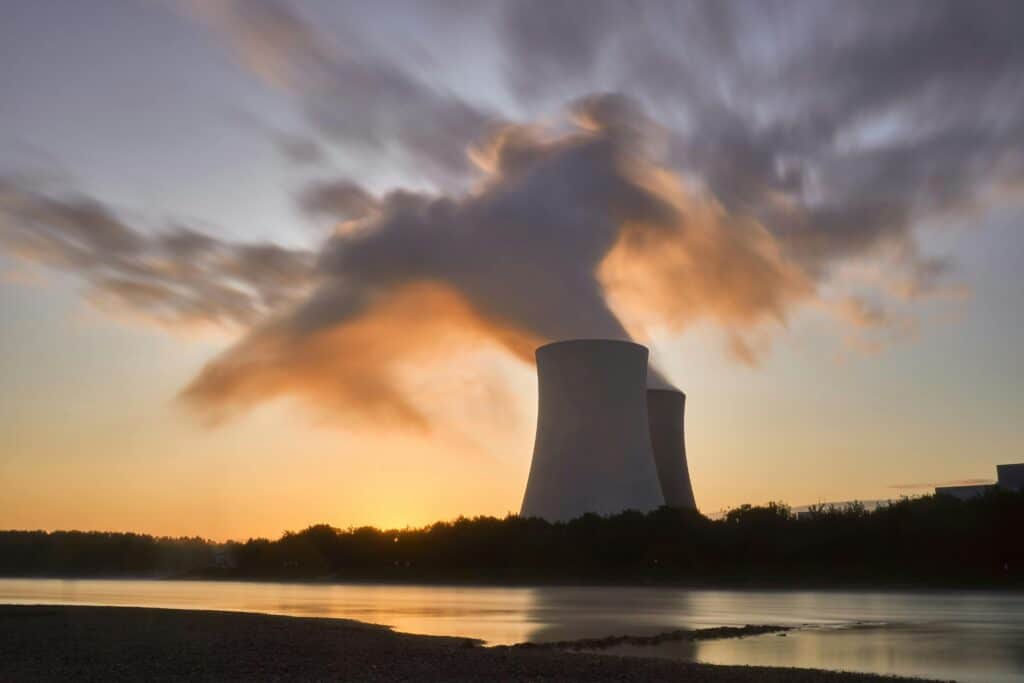
Link individual actions to big-picture outcomes. Land and water decisions—clearing forests, damming rivers, draining wetlands—change habitat, runoff, and carbon storage.
Invasive species often spread along disturbed land and waterways, reducing native biodiversity and shifting ecosystem services. Sustainability means balancing resource use with renewal. For fisheries, manage harvest rates; for agriculture, rotate crops and reduce tillage; for water, use efficient irrigation.
Policy tools you’ll need: command-and-control regulations, market incentives like carbon taxes or tradable permits, and protected-area designations. Policies work best with monitoring—think biodiversity indices, water quality, and land-use maps. Knowing how these fit together helps you aim for a 5 on the AP environmental science exam.
- Connect actions to outcomes
- Balance use with renewal
- Know policy tools
- Use monitoring indicators
| Concept | Example | Policy Tool |
|---|---|---|
| Sustainability | Crop rotation | Regulations |
| Biodiversity | Protected areas | Monitoring |
| Pollution | Carbon tax | Market incentives |
Key Terms and Common Exam Vocabulary
Start by locking in those core terms. You’ll need to know what eutrophication, biotic potential, carrying capacity, keystone species, and ecological footprint really mean if you want a 5 on the AP environmental science exam.
Don’t just memorize—practice using them. Can you pick out the difference between point and nonpoint pollution? How about primary versus secondary air pollutants, or what makes something a persistent organic pollutant?
- Focus on accurate definitions for key terms.
- Recognize types of pollution and pollutant categories.
- Apply terms in real-world scenarios on the exam.
Get comfortable throwing around those command verbs, too. When the exam says describe, it wants characteristics; explain means you need to show cause and effect.
If it says calculate, you can bet they want to see your work—population growth rate, percent change, or basic energy conversions pop up all the time for a 5 on the AP environmental science exam.
| Term | What to Know |
|---|---|
| Keystone Species | Impacts ecosystem more than expected by abundance |
| Ecological Footprint | Measures human demand on nature |
| Eutrophication | Excess nutrients causing algal blooms |
Don’t skip units and formulas either. It’s wild how often students miss a 5 on the AP environmental science exam just by forgetting to show their steps or mix up percent change.
Examples help: if you mention agricultural runoff leading to a lake algal bloom, it shows you’re not just memorizing—you’re thinking like someone who’ll actually get that 5 on the AP environmental science exam.
Conclusion

Getting a 5 on the AP environmental science exam isn’t about memorizing random facts, it’s about connecting ideas, practicing the right way, and knowing what the graders want.
Honestly, isn’t it worth asking yourself, what’s one thing you’ll change today to get that 5 on the AP environmental science exam?
References
College Board. AP Environmental Science Course and Exam Description. College Board, https://apcentral.collegeboard.org/media/pdf/ap-environmental-science-course-and-exam-description.pdf
College Board. “AP Environmental Science Free-Response Questions.” AP Central, https://apcentral.collegeboard.org/courses/ap-environmental-science/exam/past-exam-questions
U.S. Environmental Protection Agency. “Environmental Topics.” EPA, https://www.epa.gov/environmental-topics
National Oceanic and Atmospheric Administration. “Teaching Climate.” Climate.gov, https://www.climate.gov/teaching
Khan Academy. “AP®/College Environmental Science.” Khan Academy, https://www.khanacademy.org/science/ap-college-environmental-science
The Princeton Review. “Guide to the AP Environmental Science Exam.” The Princeton Review, https://www.princetonreview.com/college-advice/ap-environmental-science-exam
Intergovernmental Panel on Climate Change. Climate Change 2023: Synthesis Report — Summary for Policymakers.IPCC, https://www.ipcc.ch/report/ar6/syr/