What Is STEM Education — and Why It Matters
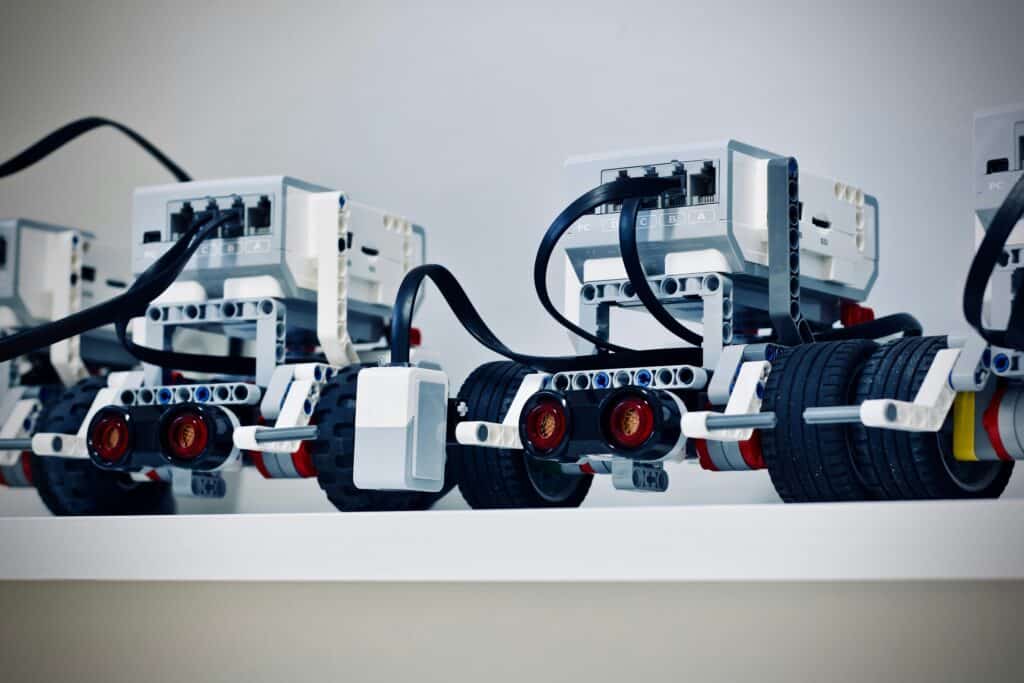
Imagine sitting in a classroom where instead of only reading about science, you are actually building a tiny robot that can move across the floor. Instead of just solving math problems on paper, you are programming a computer game that uses those same equations. That is what STEM education looks like. STEM stands for Science, Technology, Engineering, and Math, and it changes learning from memorizing facts into doing real things that connect to the world around you. Students who experience STEM education often say it feels exciting and hands-on, almost like a puzzle that has endless solutions.
STEM education is not just about learning four subjects separately. Instead, it blends them together to solve problems in creative ways. For example, designing a bridge uses science to understand forces, math to calculate weight, engineering to plan the design, and technology to test the model. By bringing these pieces together, students start to see how what they learn in class applies to real life. This kind of learning prepares students for challenges in school and beyond.
Another reason STEM education matters is because it makes learning more fun and meaningful. Think about it: if you were asked to calculate numbers on a worksheet, you might feel bored. But if you use those same numbers to code a video game or design a rocket that launches with a balloon, suddenly math feels alive. STEM education takes subjects that some students find difficult and turns them into exciting projects that spark curiosity. When students feel curious, they are more motivated to keep learning and growing.
Research shows that STEM education has a big impact on how well students perform. In fact, a large study found that students in STEM programs outperform about 70 percent of their peers who are not in STEM programs (SpringerOpen, 2023). This means STEM education is not just fun—it also helps students succeed at higher levels. Schools that invest in STEM learning see improvements in problem-solving, teamwork, and critical thinking skills.
Here are some quick facts that show why STEM education is so powerful:
| Statistic | What It Shows |
|---|---|
| Students in STEM programs outperform ~70 % of non-STEM peers | STEM gives students stronger problem-solving and academic skills (SpringerOpen, 2023) |
| STEM jobs projected to grow ~10.4 %, nearly 3× faster than non-STEM jobs | Shows demand and importance of STEM careers (CodeWizardsHQ, 2023) |
| Median STEM salary ~$101,650 vs ~$46,680 in non-STEM | Demonstrates economic benefit of STEM education (IDTech, 2023) |
These numbers prove that what students learn in STEM classrooms connects directly to the future. Not only do STEM programs boost learning today, but they also open doors to high-demand careers tomorrow. Students who get involved in STEM education are preparing for opportunities in fields like computer science, health care, renewable energy, and engineering.
The importance of STEM education is also recognized in the scholarly sphere, where researchers and educators continue to explore how these subjects can be taught more effectively. Many studies point out that STEM improves learning by making lessons active and project-based, instead of only lecture-based. This active approach helps students remember concepts longer and apply them in creative ways. The scholarly sphere also notes that STEM prepares students for global challenges, such as climate change, technology shifts, and even space exploration.
But STEM education is not just about the far-off future—it also makes a difference in everyday school life. Students who work on STEM projects often collaborate in groups, sharing ideas and testing solutions. This teamwork builds communication and leadership skills that are valuable in every subject, not just science or math. It also helps students gain confidence, because they see their projects succeed through their own hard work.
Think about a student who struggles in a traditional classroom, where the main focus is taking notes and memorizing facts. When given a STEM project, that same student might suddenly shine. Maybe they love designing, coding, or testing experiments. STEM education gives students different ways to show their talents, which helps every learner feel valued. Teachers often say that students who didn’t believe they were “good at school” suddenly find themselves excited about learning again.
At its core, STEM education shows students that learning is not something you only do for a test. Learning is a tool you can use to create, design, and solve real problems. This changes the way students see school. Instead of asking, “When will I ever use this?” they start asking, “What can I build or solve with this knowledge?” That shift in thinking is one of the biggest reasons why STEM education matters so much today.
How STEM Education Improves Learning

When you think about school, you probably picture desks, textbooks, and worksheets. But imagine walking into a classroom where students are testing a water filter they built themselves, coding a robot to move through a maze, or designing an app to help recycle plastic. That’s the power of STEM education. It improves learning because it connects what you learn in class to problems you can actually solve. Instead of memorizing answers, you’re learning how to findanswers—and that skill lasts a lifetime.
STEM education improves learning in three big ways: it makes lessons hands-on, it builds critical skills, and it prepares students for future opportunities. Each of these makes school feel more useful and engaging.
1. Hands-on Learning That Sticks
Have you ever noticed that you remember a story or experiment better than a list of facts? That’s because our brains hold onto experiences more than memorization. STEM education uses projects, experiments, and challenges that let students “learn by doing.” For example:
- A science class might build model volcanoes to learn about pressure and reactions.
- A math class could use coding to show how equations run behind a video game.
- An engineering lesson might challenge students to build a bridge with only paper and tape.
These types of projects make learning active, not passive. Research supports this approach. A national report shows that students who participate in project-based STEM programs score higher on tests and are more likely to keep their interest in science and math (U.S. Department of Education, 2021). Hands-on activities connect knowledge to real-world use, which makes it easier to remember and apply later.
2. Building Critical Skills for Life
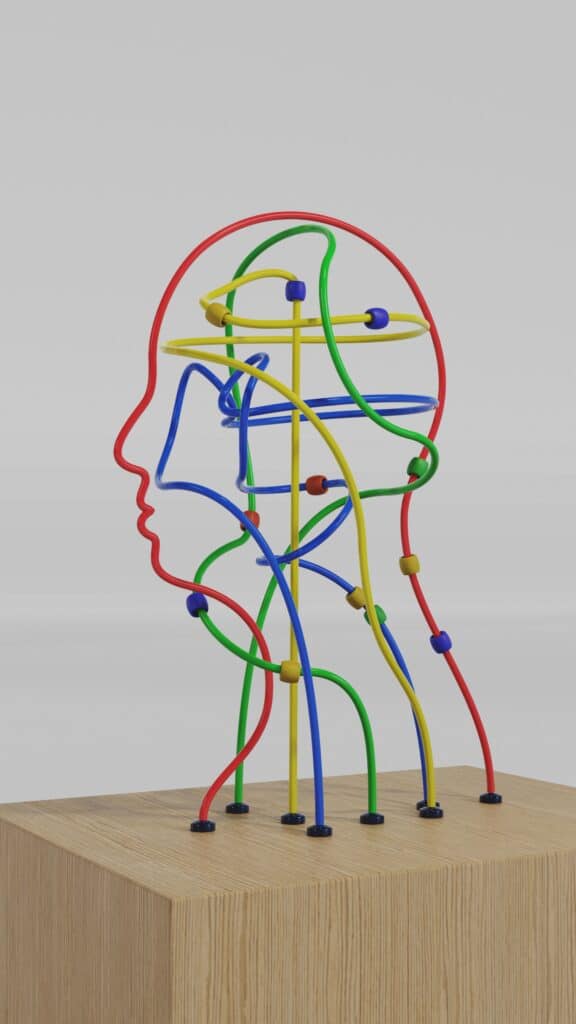
STEM education is not just about learning facts—it’s about practicing skills you’ll need forever. Some of the most important skills students develop include:
- Problem-solving: figuring out how to improve a design or test different solutions.
- Critical thinking: asking questions, analyzing results, and learning from mistakes.
- Creativity: coming up with new ideas or ways to solve old problems.
- Teamwork: working with others to share ideas and combine strengths.
- Communication: explaining your project so others understand your process.
According to the National Science Foundation, students who join STEM activities are more likely to continue into college majors and careers that require these skills (NSF, 2023). Even if a student doesn’t become a scientist or engineer, these skills help in everyday life—whether it’s fixing something at home, solving a tough problem at work, or thinking creatively in any job.
Here’s a simple table showing how STEM skills connect to real life:
| STEM Skill | Real-Life Use |
|---|---|
| Problem-solving | Fixing a broken bike or troubleshooting a computer issue |
| Creativity | Designing a new invention or even writing a story |
| Teamwork | Working on group projects in school or later in a job |
| Communication | Explaining ideas in class or presenting to an audience |
| Critical thinking | Making smart choices about money, health, or careers |
3. Preparing for the Future
Another reason STEM education improves learning is that it prepares students for what comes next. Jobs that involve science, technology, engineering, and math are growing much faster than other jobs. In fact, the U.S. Bureau of Labor Statistics reports that STEM jobs will grow about 10.4% between 2021 and 2031, nearly three times faster than jobs outside of STEM (BLS, 2023).
And it’s not just about job growth. People working in STEM careers also earn higher salaries, with a median wage of $101,650 compared to $46,680 in non-STEM fields (IDTech, 2023). That shows how powerful STEM learning can be in shaping a student’s future.
But the benefits start right in school. Students who are exposed to STEM education early on show more confidence in math and science, which makes them more likely to keep pursuing these subjects later. It’s like planting a seed that keeps growing the more it is watered with practice and curiosity.
Why This Matters for Students
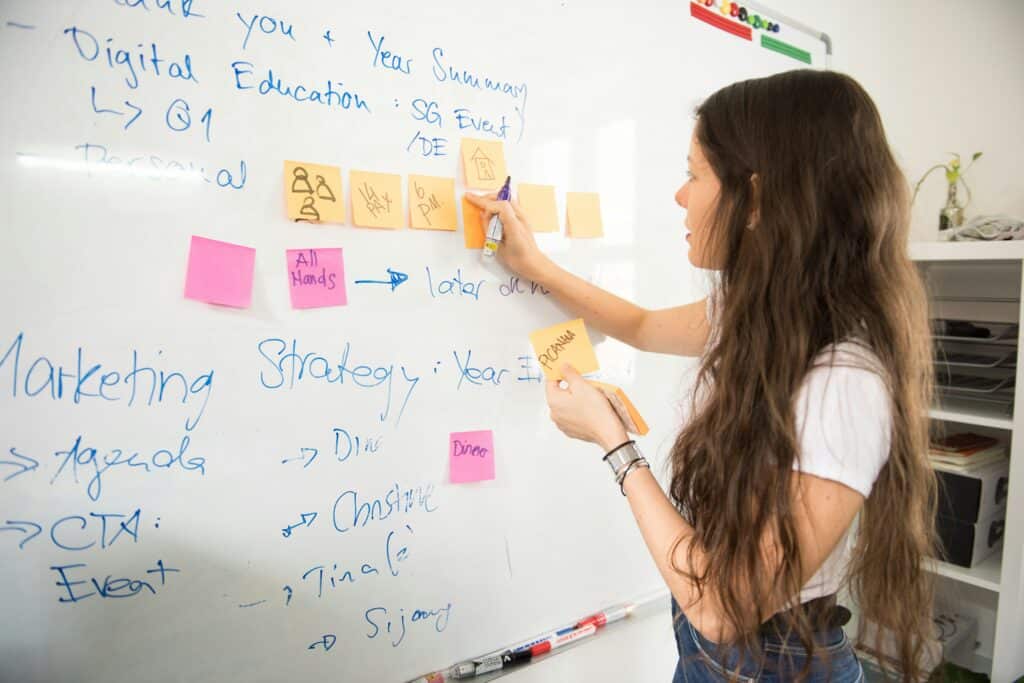
For many students, school can feel disconnected from real life. You might ask yourself, “Why do I need to know this?” STEM education answers that question by showing you how every lesson can be used to solve real problems. When you design a project, test it, and improve it, you see how math, science, technology, and engineering come together to make something real.
This doesn’t just improve grades—it changes the way students think about learning itself. Instead of studying for the next test, you’re building skills that will help you for the rest of your life. That’s the biggest way STEM education improves learning: it turns school into preparation for solving the challenges of today and tomorrow.
Helping Students Through Blogs and Articles
Imagine scrolling through your phone after school and finding an article that shows you how to build a solar-powered car out of everyday materials. Or reading a blog post that explains how video game graphics are designed using math and engineering. Resources like these can turn curiosity into action, and that is exactly how blogs and articles about STEM education can support students.
STEM education improves learning, but many students don’t always know where to start. That’s where online resources come in. Blogs and articles written in simple, clear language can give students extra examples, new project ideas, and encouragement to keep exploring. Sometimes a short article can spark a big dream.
Why Blogs and Articles Matter
Textbooks and school lessons are important, but they can feel limited. Blogs and articles add another layer by giving students real-life stories, practical tips, and step-by-step guides. Here’s why this kind of resource is valuable:
- Accessibility: Students can read blogs anytime, anywhere, even outside of school.
- Relatability: Articles often use examples from daily life that connect directly with student experiences.
- Inspiration: Blogs share success stories of students, scientists, or young inventors, showing that big ideas can start small.
- Support: When students struggle, an easy-to-read article can break down a hard topic into steps they can follow.
For instance, a student who finds math confusing in class might read a blog about how math is used to design roller coasters. Suddenly, the subject doesn’t feel so abstract anymore. Articles like that make learning stick because they give meaning and purpose to what students are studying.
Connecting STEM to Student Lives
One way blogs and articles help students is by connecting STEM education to everyday experiences. Students love when lessons feel real. Blogs can explain how coding is behind the apps we use, how engineering makes sports equipment stronger, or how science helps design eco-friendly shoes. These connections make STEM subjects more relatable.
Here are a few examples of topics blogs can cover to help students connect learning to life:
- How math is used in cooking and baking
- The science behind popular video games
- Engineering tricks that make theme park rides safe
- Technology that makes phones and tablets work
- Simple science experiments students can try at home
Each of these topics links directly back to school subjects while also answering the question every student has at some point: “Why should I care about this?”
Building Confidence Through Information
STEM education can feel intimidating to some students. They might think it’s only for “geniuses” or people who already love math and science. Blogs and articles can break that myth by showing that anyone can explore STEM. A blog might feature step-by-step guides for beginners, or stories about students who started small and achieved big things.
The key is to make students feel like STEM is for them—not just for someone else. The more accessible the information, the more students will believe in themselves. Articles that use friendly language, pictures, or examples help take away fear and replace it with excitement.
Our Role in Supporting Students
By creating and sharing blogs and articles, we can play a direct role in helping students grow through STEM education. Our content can:
- Introduce new topics in simple ways.
- Share statistics and facts that show why STEM matters.
- Encourage students to see themselves as future problem-solvers.
Every article is a chance to guide a student one step further on their learning journey. Whether it’s showing them a cool experiment, explaining a tough subject, or giving career insights, our content helps bridge the gap between school and real life.
Conclusion
STEM education is one of the most powerful ways to improve learning. It makes school fun, builds skills that last a lifetime, and prepares students for exciting futures. But students don’t have to figure it all out alone. With blogs and articles designed just for them, we can help bring STEM to life in new and creative ways. Together, we can inspire curiosity, support growth, and show students that learning is more than memorizing—it’s about solving real problems and dreaming big.
So the question is, what will you discover next through STEM education?
References
SpringerOpen. A Meta-Analysis of the Effects of STEM Education on Student Learning. International Journal of STEM Education, 2023.
https://stemeducationjournal.springeropen.com/articles/10.1186/s40594-023-00425-8
U.S. Department of Education. Science, Technology, Engineering, and Math (STEM). 2021.
https://oese.ed.gov/stem/
National Science Foundation. Diversity and STEM: Women, Minorities, and Persons with Disabilities 2023. National Center for Science and Engineering Statistics, 2023.
https://ncses.nsf.gov/pubs/nsb20223
U.S. Bureau of Labor Statistics. Employment in STEM Occupations. U.S. Department of Labor, 2023.
https://www.bls.gov/emp/tables/stem-employment.htm
CodeWizardsHQ. 40 Essential STEM Statistics. 2023.
https://www.codewizardshq.com/stem-statistics/
IDTech. 25 STEM Education Statistics: Why STEM Matters. 2023.
https://www.idtech.com/blog/stem-education-statistics