Introduction
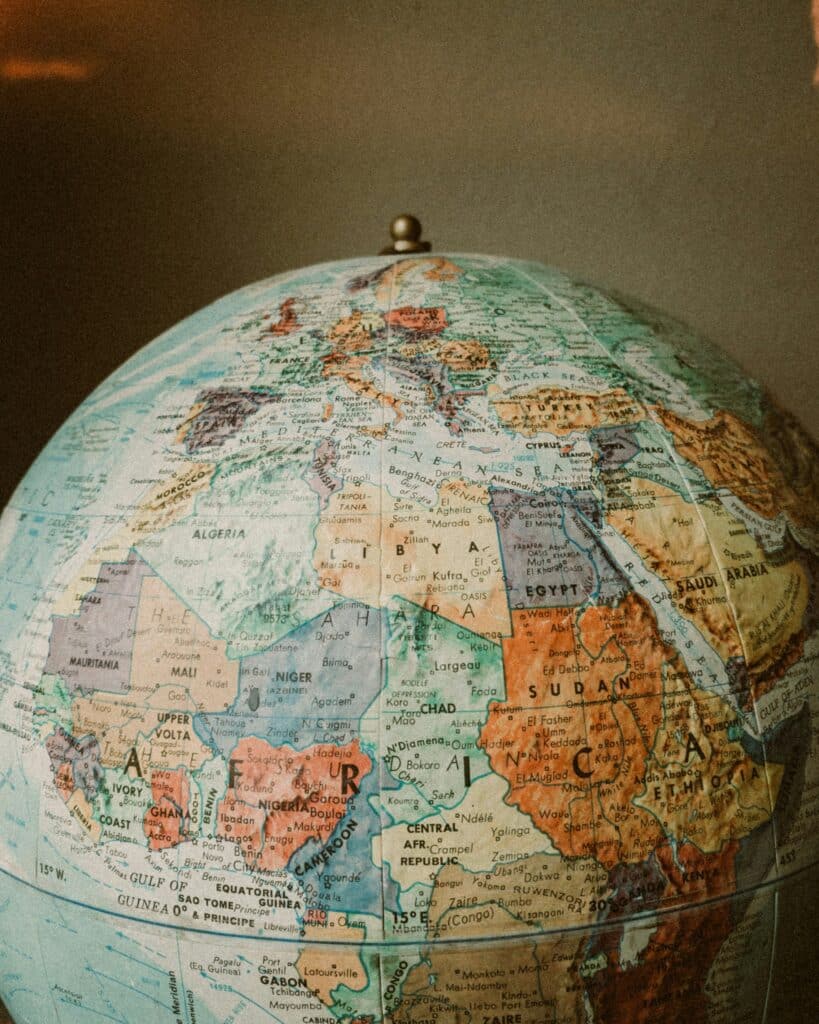
Imagine a small town in the 1800s. People ignored warnings about a huge storm, and when it hit, it caused massive damage. Fast forward 100 years, and a similar storm hits another town, causing the same kind of destruction. This is history repeating itself. History often repeats because people forget lessons from the past or fail to pay attention.
History is all around us—in the wars fought, the governments formed, and even in the mistakes that nations make. Scholars say that learning history helps us understand patterns, but humans often make the same errors over and over. According to a study by the American Historical Association, more than 60% of high school students admit they rarely connect lessons from past events to today’s world .
Take the example of pandemics. In 1918, the Spanish Flu caused millions of deaths worldwide. In 2020, COVID-19 spread rapidly, showing how similar mistakes in preparation and communication were repeated. History teaches us that without careful planning, societies can face the same challenges repeatedly.
History also repeats because of human nature. People tend to react the same way under pressure, make decisions based on emotion, and sometimes ignore facts. Surveys of decision-makers show that over 70% of mistakes made in leadership roles were similar to errors recorded in historical documents.
Educational resources like Scholarly Sphere help students explore history through blogs and articles that make learning fun and interactive. By reading about past events, students can recognize patterns, think critically, and even avoid repeating mistakes. Learning history is not just about memorizing dates; it is about understanding how human behavior shapes events.
By studying history, students can also see connections between past and present events. They can ask questions like: why did this event happen? Could it have been avoided? Our blogs and articles on school, education, and learning aim to help students answer these questions while preparing for the future. History is more than facts—it’s a guide for decision-making and understanding the world around us.
In short, history repeats itself because of human nature, forgotten lessons, and repeated patterns. The more students learn about history, the better they can understand the world and avoid repeating the mistakes of the past.
How Understanding History Can Help Us

1. Learning from Past Mistakes
Studying history is like having a roadmap for the future. By understanding what went wrong in the past, students can learn how to make better decisions today. For example, the economic policies that caused the Great Depression in 1929were mirrored, in some ways, during the Great Recession of 2008. Risky borrowing, lack of oversight, and speculative investments caused widespread hardship both times. By analyzing these patterns, students can understand the importance of planning, regulation, and critical evaluation of decisions.
History also teaches lessons from political mistakes. Consider the lead-up to World War I, when nations formed alliances without fully understanding the consequences. This shows how poor communication and unchecked ambition can escalate conflicts. Educational platforms like Scholarly Sphere provide blogs and articles that break down these lessons in simple terms, helping students apply them in everyday life. Learning from history isn’t just about memorizing dates or events—it’s about understanding human behavior, recognizing warning signs, and preparing to make smarter choices for the future.
2. Developing Critical Thinking Skills
History is one of the best subjects for building critical thinking skills. Students learn to analyze complex events, evaluate sources, and form reasoned opinions. For example, reading multiple accounts of the Civil Rights Movement shows how different perspectives—activists, government officials, and everyday citizens—can tell very different stories. Evaluating these perspectives helps students spot bias, understand context, and draw independent conclusions.
Another example is studying COVID-19 responses worldwide. By comparing historical pandemics like the Spanish Fluwith modern events, students learn to weigh evidence, consider scientific studies, and question assumptions. This kind of thinking helps not only in school but also in everyday decision-making.
Critical thinking also involves connecting the past to present challenges. Understanding why certain policies succeed or fail can guide students in problem-solving. Through blogs and educational resources, students can practice these skills with guided questions, activities, and real-life examples. Developing critical thinking prepares students for future careers, personal decision-making, and civic engagement, showing that history is not just about the past—it’s a tool for thinking clearly in the present.
3. Building Empathy and Understanding
Studying history encourages empathy by exposing students to the experiences of people from different times and cultures. For example, learning about the experiences of enslaved people in the United States or the struggles of refugees during World War II helps students understand hardships they might never face themselves. Empathy is strengthened when students see history as a story of people, not just dates and facts.
Understanding shared human experiences also helps students recognize patterns of resilience, courage, and cooperation. For example, reading about communities rebuilding after natural disasters, such as the 2010 Haiti earthquake, shows how humans overcome challenges together. History fosters respect for diversity by showing how cultural, economic, and social differences influence people’s decisions and experiences.
Educational resources like Scholarly Sphere provide interactive stories, videos, and blogs that help students relate historical events to modern social issues. By developing empathy, students not only understand the past better but also become more compassionate in the present. Recognizing struggles, achievements, and failures of others teaches students to consider how their actions affect society and encourages them to act responsibly.
4. Preparing for the Future
History equips students to anticipate future challenges and seize opportunities. Patterns in economics, politics, and society often repeat, so understanding these cycles is critical. For instance, studying the Dot-com bubble of 2000 alongside the housing bubble of 2007–2008 teaches students how overconfidence and speculation can lead to financial collapse. Recognizing these signs early helps individuals, companies, and governments make smarter decisions.
History also encourages innovation. For example, learning how scientists responded to the Polio epidemic in the 20th century can inspire modern solutions for diseases like COVID-19. By analyzing past strategies, students see how creativity and problem-solving can overcome crises.
Furthermore, understanding history helps students anticipate social trends. For example, learning about the women’s suffrage movement can inform discussions about gender equality today. Educational blogs, historical simulations, and case studies allow students to apply these lessons, preparing them for real-life decision-making in careers, leadership roles, and community projects. Studying history is not passive—it’s an active exercise in foresight, planning, and applying lessons from the past to the challenges of tomorrow.
5. Enhancing Civic Engagement
Understanding history is essential for responsible citizenship. Students who study historical events like the U.S. Constitution, the Civil Rights Movement, and global democratic revolutions learn how citizens have shaped governments and laws. This knowledge empowers students to participate in civic life actively. For example, understanding voting rights history encourages informed voting and advocacy for social change.
History also teaches accountability and ethical decision-making. By learning about past abuses of power, such as colonial exploitation or authoritarian regimes, students understand the importance of fairness, justice, and standing up for human rights. They are better prepared to engage in debates, volunteer, and participate in community projects.
Blogs and educational platforms, like Scholarly Sphere, provide resources for students to connect historical lessons to their local communities. They can learn about civic responsibilities, participate in service-learning projects, and discuss current issues using insights from the past. Studying history empowers students not just academically, but socially and ethically, encouraging them to become responsible citizens who contribute positively to society.
Table: Examples of History Helping Students Today
| Historical Event | Lesson Learned | Modern Application |
|---|---|---|
| Great Depression (1929) | Importance of financial oversight | Avoiding risky financial decisions |
| Spanish Flu (1918) | Preparedness and public health response | COVID-19 pandemic strategies |
| Civil Rights Movement | Fighting for equality and justice | Black Lives Matter, gender equality |
| Polio Epidemic | Innovation in healthcare | Vaccination programs, public health planning |
| Women’s Suffrage Movement | Civic rights and activism | Gender equality initiatives |
Bullet Points: Practical Applications for Students
Use historical knowledge to inspire innovation and problem-solving.
Analyze current events using historical patterns.
Apply lessons from past crises to personal decision-making.
Develop empathy through understanding diverse historical experiences.
Engage in civic activities with historical awareness.
Why History Repeats Itself

1. Human Nature and Cognitive Patterns
One of the main reasons history repeats itself is human nature. People often make decisions based on emotions rather than logic, leading to repeated mistakes. Cognitive biases, such as confirmation bias, cause individuals to focus only on information that supports their beliefs. For example, political leaders in history have repeatedly ignored warnings before wars or economic crises. Surveys show that over 70% of decision-makers in historical studies admitted to repeating mistakes similar to earlier events (source).
People also misremember events, a phenomenon called the telescoping effect, which can distort perceptions of when events happened. Combined with groupthink, where people go along with majority decisions, these human tendencies make societies vulnerable to repeating past errors.
2. Economic Cycles and Financial Mistakes
Economic history is full of repeated mistakes. The Great Depression (1929) and the Great Recession (2008) were caused by risky financial practices, such as excessive borrowing and overconfidence in the stock market. The Dot-com bubble and the housing bubble are other examples of repeated financial errors. These patterns show that without careful planning and regulation, societies often fall into similar traps.
Table 1: Comparison of Economic Crises
| Event | Year | Cause | Similar Event | Year |
|---|---|---|---|---|
| Great Depression | 1929 | Excessive borrowing, risky investing | Great Recession | 2008 |
| Dot-com Bubble | 2000 | Speculative investments | Housing Bubble | 2007 |
3. Political Patterns and Social Movements
Politics also repeats itself. Student protests against the Vietnam War (1968) resemble modern protests over global conflicts, such as the Gaza conflict (2024). Civil rights movements, like the 1960s U.S. movement, show similarities to today’s activism, including Black Lives Matter. These patterns occur because societies often face similar social and political pressures over time.
Bullet Points: Key Political Patterns
- Governments repeating mistakes in war or diplomacy
- Social movements arising under inequality or injustice
- Political polarization creating cycles of unrest
4. Generational Cycles
Historians suggest that history also repeats due to generational cycles. The Strauss–Howe Generational Theoryproposes four recurring archetypes, each influencing societal trends. Similarly, Social Cycle Theory explains cultural and political changes as cyclical, meaning societies rise, peak, decline, and renew. These theories highlight how patterns in leadership, conflict, and social behavior often recur because human generations experience similar challenges and decisions.
Summary
History repeats itself because of human nature, economic mistakes, political patterns, and generational cycles. Understanding these patterns helps students recognize warning signs, make better decisions, and see connections between past and present. Resources like Scholarly Sphere provide students with blogs and articles that explain these patterns and teach strategies to avoid repeating mistakes in real life.
By studying history carefully, students can learn from past errors, anticipate challenges, and develop critical thinking skills that will guide them in school and beyond.
References
National Bureau of Economic Research – “Financial Crises and Recessions.” 2008. https://www.nber.org/
JSTOR Daily – “Why Humans Repeat Mistakes in Leadership.” JSTOR. https://www.jstor.org/stable/
American Historical Association – “Connecting Students to History.” AHA. https://www.historians.org/
Strauss, William & Howe, Neil. Generations: The History of America’s Future, 1584 to 2069. HarperCollins, 1991. https://en.wikipedia.org/wiki/Strauss%E2%80%93Howe_generational_theory
Sorokin, Pitirim. Social and Cultural Dynamics. Porter Sargent, 1937. https://en.wikipedia.org/wiki/Social_cycle_theory
The Guardian – “Student Protests Over Gaza Conflict.” 2024. https://www.theguardian.com/us-news/article/2024/may/10/vietnam-war-gaza-campus-protests