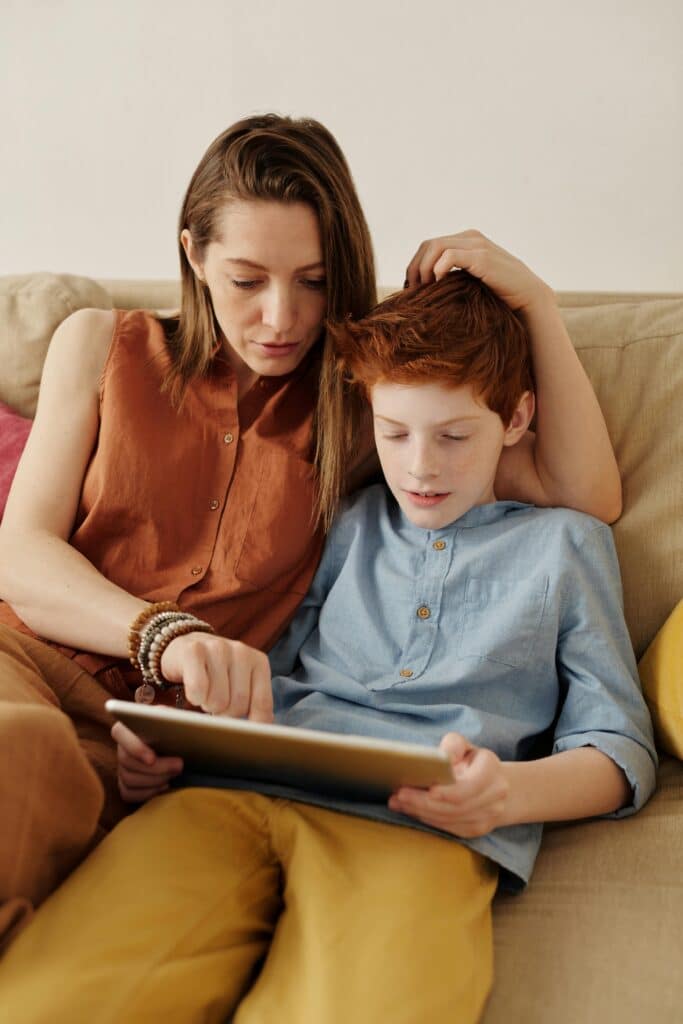
A Parent’s Journey Into Homeschooling
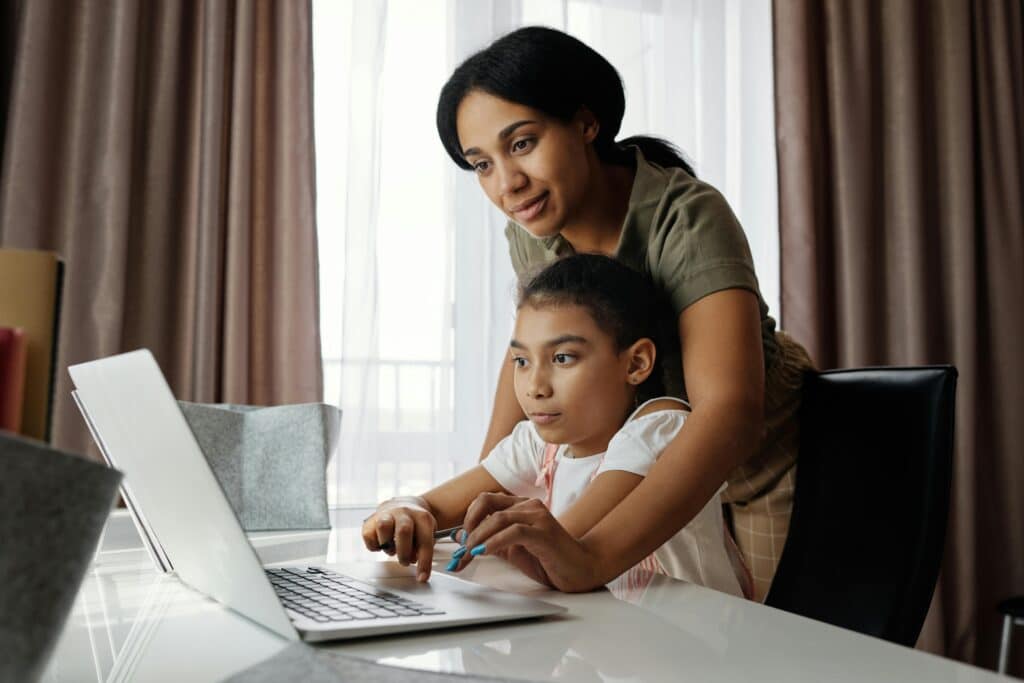
When I first decided to try homeschooling, I wasn’t sure if I was making a brave choice or a reckless one. As a parent, I only wanted what was best for my kids, but the traditional classroom setting just wasn’t working. My son, for example, came home frustrated every day, feeling like he was falling behind. My daughter, on the other hand, was bored because she moved faster than her classmates. That’s when I stumbled upon a homeschooling approach that felt different—almost like a trick no one had told me about.
This wasn’t about sitting at the kitchen table with textbooks from 9 to 3. Instead, it was about tailoring learning to my kids’ pace and interests. I remember the first week vividly: instead of forcing math worksheets, we used baking to learn fractions. My children didn’t just memorize—they actually understood. That’s when I realized this “weird” method of homeschooling might just be the key to unlocking their potential.
The numbers back up what I was seeing at home. According to the National Center for Education Statistics (NCES), about 3.1 million students in the U.S. were homeschooled in 2021, making up nearly 6% of school-age children. The trend has only grown since the pandemic, showing parents are seeking alternatives that actually work for their families. Another study by the National Home Education Research Institute found that homeschooled students score, on average, 15 to 30 percentile points above public school students on standardized tests.
Here’s a quick comparison:
| Factor | Public School Students | Homeschooling Students |
|---|---|---|
| Standardized Test Scores | National Average | 15–30% higher than average |
| Graduation Rate | ~85% | ~97% |
| College Acceptance | Competitive | Equally or more competitive |
Of course, numbers don’t tell the whole story. For me, the change was in the atmosphere of our home. Instead of stress, there was curiosity. Instead of tears, there was laughter. Homeschooling allowed me to teach my kids not just academics but life skills—how to cook, budget, and even start small projects that gave them confidence.
Some critics in the scholarly sphere argue that homeschooling might lack socialization, but I found the opposite to be true. My children joined sports, community clubs, and even neighborhood science fairs. They weren’t isolated—they were engaged in the real world.
As parents, we often wonder if we’re doing enough. Homeschooling showed me that sometimes stepping outside the “normal” system opens doors you didn’t even know existed. In the next section, we’ll dive deeper into the research, methods, and resources available so you can decide if homeschooling could transform your own family’s future.
The Research, Methods, and Realities of Homeschooling

When most parents think about homeschooling, they imagine a rigid routine at the kitchen table with textbooks stacked high and a frazzled mom trying to play teacher. The reality, though, is far more flexible—and for many families, far more effective. What started as a leap of faith for me became an opportunity to explore education in a way I never thought possible.
Parents who are new to homeschooling often ask the same questions: Will my child fall behind? Will they miss out socially? Am I even qualified to do this? The truth is, homeschooling has been studied for decades, and the evidence shows that kids not only keep up, but many thrive.
Why Homeschooling Works: Research and Numbers
A growing body of data shows that homeschooling provides strong academic outcomes:
- Achievement: Homeschooled students typically score 15–30 percentile points higher than public school students on standardized tests (National Home Education Research Institute, 2023).
- Graduation: The graduation rate for homeschooled students is around 97%, compared to about 85% in public schools (NHERI).
- College Success: Many universities actively recruit homeschooled students because they are seen as self-motivated learners.
Here’s a table breaking it down:
| Educational Outcome | Public School Average | Homeschooling Average |
|---|---|---|
| Standardized Test Scores | 50th percentile | 65th–80th percentile |
| High School Graduation Rate | ~85% | ~97% |
| College Enrollment | 66% | 74% |
| College Completion | 59% | 67% |
The Different Paths of Homeschooling
One of the biggest misconceptions about homeschooling is that there’s only one way to do it. In reality, parents can choose from a variety of methods, depending on what works best for their children.
Common Homeschooling Approaches:
- Traditional Homeschooling: Mimics a classroom schedule but at home.
- Unschooling: Child-led learning that follows their interests.
- Charlotte Mason Method: Focuses on literature, nature, and “living books” instead of textbooks.
- Montessori Homeschooling: Hands-on, self-directed learning with real-world materials.
- Hybrid or Co-op Learning: Mix of homeschooling with part-time classes, co-ops, or online courses.
Many families combine these approaches. For example, I used traditional math lessons but paired them with unschooling-style science experiments. The flexibility of homeschooling means parents can customize learning without being tied to one system.
Busting the Socialization Myth
Critics often argue that homeschooling isolates children, but data and real-world experiences tell a different story. According to a study in the Journal of School Choice (2019), homeschooled students are just as socially engaged as their peers, and many participate in more extracurriculars.
How Homeschoolers Socialize:
- Community sports teams
- Church or youth groups
- Local homeschool co-ops
- Volunteering opportunities
- Clubs like robotics, debate, or theater
Instead of being limited to one peer group in a classroom, homeschooled children often interact with people of different ages, which can actually strengthen communication skills.
What Parents Gain From Homeschooling
Homeschooling doesn’t just change the child’s education—it reshapes family life. Parents who choose homeschooling often report closer relationships with their children and more control over the values and skills being taught.
Here are some of the top benefits parents experience:
- Personalized Learning: You can adapt the pace and style to each child’s needs.
- Family Time: More opportunities for bonding during the school day.
- Control of Curriculum: Parents decide what topics and values to emphasize.
- Practical Skills: Kids can learn life skills like budgeting, cooking, or entrepreneurship alongside academics.
For example, instead of assigning my kids a dry economics textbook, I had them start a mini-business selling handmade crafts. They learned math, marketing, and problem-solving—all without feeling like it was “school.”
The Costs and Challenges of Homeschooling

Of course, homeschooling isn’t a magical solution without challenges. Parents should be prepared for both the financial and emotional demands that come with it.
Challenges Parents Report:
- Time Commitment: Teaching takes effort, and balancing work with homeschooling can be tough.
- Financial Strain: Families often need one parent at home, which may reduce income.
- Curriculum Costs: While some materials are free, others can be expensive.
- Doubt: Many parents worry about whether they’re doing enough.
Here’s a table summarizing pros and cons:
| Aspect | Benefits | Challenges |
|---|---|---|
| Time | More family time | Requires daily commitment |
| Cost | Free/low-cost options available | Some programs costly |
| Academics | Customizable, often higher achievement | Parents must stay organized |
| Socialization | Flexible, diverse opportunities | Requires parent initiative |
Even with these challenges, surveys show most homeschooling parents believe the benefits outweigh the struggles.
ScholarlySphere and Homeschooling
At Scholarlysphere, We are increasingly acknowledging homeschooling as a legitimate and growing movement. Decades ago, it was considered a fringe choice, but now it’s recognized as a mainstream option.
This evolution means that parents no longer have to feel like they’re “going it alone.” In fact, the availability of blogs about education and learning has made it easier than ever for families to find guidance and community.
How We Can Help Parents
If you’re a parent considering homeschooling, you don’t have to reinvent the wheel. Our blogs about education and learning are designed to give you practical tips, insights, and strategies you can apply right away.
Some of the resources we highlight include:
- Step-by-step guides for new homeschooling parents
- Free and low-cost curriculum suggestions
- Tips for balancing homeschooling with work life
- Strategies for overcoming doubt and staying motivated
Homeschooling can feel overwhelming at first, but connecting with the right resources makes a huge difference.
Looking Ahead: The Future of Homeschooling
Homeschooling isn’t just a temporary solution for families dissatisfied with the traditional system. It’s becoming part of the future of education itself. The pandemic accelerated the shift, but the movement continues to grow as more parents see the long-term benefits.
Experts predict that homeschooling will remain a strong choice, especially as technology expands access to online learning platforms and interactive tools. Parents who once worried about resources now have entire communities at their fingertips.
For parents willing to take the leap, homeschooling can be more than an alternative—it can be a transformation.
A New Way Forward for Parents

Looking back, I never expected homeschooling to change not only the way my children learned but also the way our family lived. What began as an experiment turned into a lifestyle that gave us more time together, more laughter, and more confidence in what my kids could accomplish. As parents, we want our children to succeed, but success doesn’t always have to come from the traditional classroom.
Homeschooling is not a one-size-fits-all solution. Some families may find that a traditional school fits their needs better, while others thrive in a homeschool environment. What matters most is that children are learning in a way that makes sense for them. The power of homeschooling lies in its flexibility—parents can create a mix of structure, freedom, and creativity that matches their child’s personality and pace.
Parents often ask, “But what if I’m not a teacher?” The truth is, you don’t have to be. Homeschooling isn’t about being perfect—it’s about being present. Resources today, from online courses to co-ops, make it possible for parents to guide their children without having all the answers. Blogs about education and learning are also powerful tools, offering step-by-step advice and encouragement from others who have been through the same journey.
The long-term benefits go beyond grades and test scores. Homeschooled children often develop independence earlier, learn practical life skills, and discover passions that might get overlooked in a crowded classroom. More importantly, parents see their children as individuals instead of just another student in a system. For many families, that’s the greatest reward of all.
Still, homeschooling is a commitment. It asks parents to invest their time, energy, and patience. But in return, it often gives back a stronger bond between parent and child, a deeper love of learning, and a sense of confidence that lasts well into adulthood.
At the end of the day, homeschooling isn’t about being trendy or different—it’s about giving children the best chance to thrive. Whether you choose to fully commit or simply explore it as a supplement to traditional school, the real value lies in seeing education not as a rigid formula but as a living, breathing journey.
So the question is not whether homeschooling is perfect, but whether it might be the key that unlocks the potential in your own child—are you ready to find out?
Works Cited
NHERI. Quantitative Insights into the Academic Outcomes of Homeschools from the Classic Learning Test. Evidence that homeschool students often outperform students in other schooling types. NHERI
National Center for Education Statistics. Homeschooled Children and Reasons for Homeschooling. Retrieved from NCES: Parents reported that 5.4% of children were homeschooled in 2020–21. National Center for Education Statistics+1
National Center for Education Statistics. Press Release: Academic Instruction at Home 2022–23. About 5.2% of children ages 5 to 17 received instruction at home in 2022–23 (including homeschooling and full-time virtual). National Center for Education Statistics
National Home Education Research Institute. Fast Facts on Homeschooling. Reports that the home-educated typically score 15 to 30 percentile points above public-school students. NHERI
National Home Education Research Institute. Research Facts on Homeschooling (PDF). Similar data on academic achievement and the growth of homeschooling populations. NHERI+1
NHERI / Brian D. Ray. Academic Achievement and Demographic Traits of Homeschool Students: A Nationwide Study. Reports that homeschooled students often score in the 65th to 80th percentile on standardized tests. NHERI
NHERI. How Many Homeschool Students Are There in the United States During the 2021-2022 School Year?Estimate of 3.135 million K–12 homeschool students. NHERI
Pew Research Center. A Look at Homeschooling in the U.S. Reports that 3.4% of K–12 students in the U.S. were homeschooled in 2022–23. Pew Research Center
Kunzman & Gaither. Homeschooling: An Updated Comprehensive Survey of the Research. Broad survey of scholarly literature on homeschooling. icher.org