The Allure of Gamified Learning

Imagine it’s a Wednesday morning. You’re sipping your coffee, trying to catch a moment of peace, when suddenly, the familiar ping of a notification breaks the silence. It’s your child, excitedly showing you their latest achievement in a game. But wait—it’s not Roblox. It’s an educational game they’ve been playing for the past hour. This isn’t a rare occurrence; it’s becoming the new normal in households striving to balance screen time with meaningful learning.
As parents, the challenge isn’t just about limiting screen time; it’s about transforming those hours into productive, engaging, and educational experiences. Enter gamified e-learning—a powerful tool that turns learning into play, making it both fun and effective.
Why Kids Are Drawn to Gamified E-Learning
Children today are digital natives, accustomed to interactive and immersive experiences. Traditional learning methods often struggle to compete with the instant gratification offered by video games. Gamified e-learning bridges this gap by integrating game elements into educational content:
- Increased Engagement: Gamified platforms use points, badges, and leaderboards to motivate students, making learning more interactive and enjoyable.
- Enhanced Retention: Students retain information better when learning feels like play, encouraging active participation and problem-solving.
- Immediate Feedback: Games provide instant feedback, allowing children to learn from mistakes in a low-pressure environment.
The Impact on Learning Outcomes
Research shows gamified learning can improve student performance significantly. For example, students using gamified platforms scored higher in assessments compared to those using traditional methods (University of San Diego, 2024).
Balancing Screen Time with Educational Value
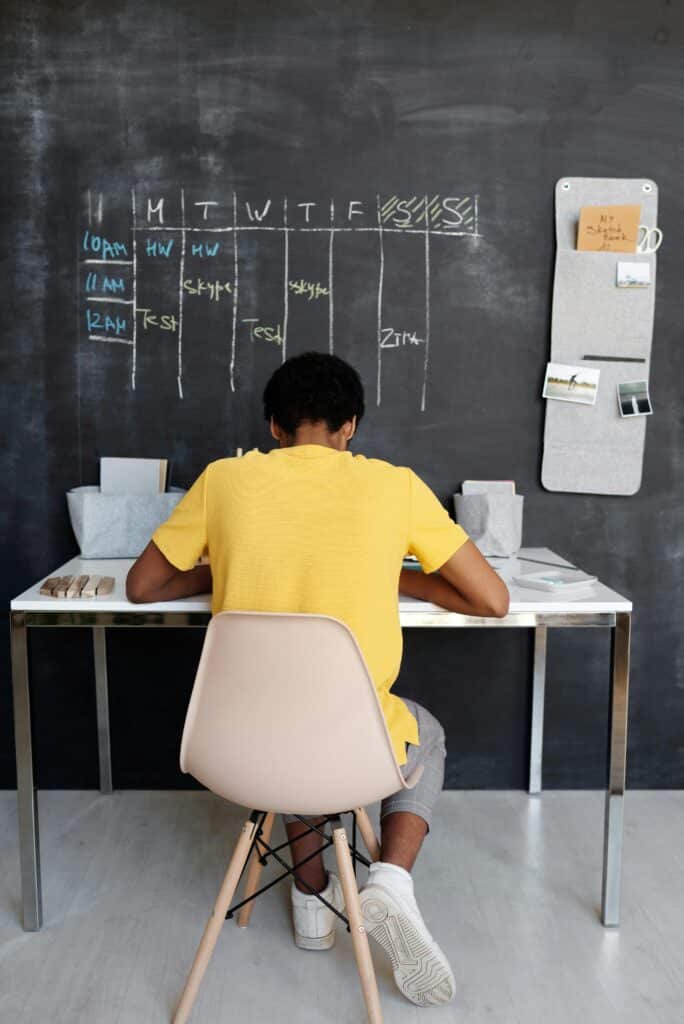
While gamified e-learning offers numerous benefits, it’s essential for parents to establish guidelines to ensure a healthy balance between education and entertainment. Even educational games can become counterproductive if children spend too much time on screens, leading to eye strain, fatigue, and diminished learning efficiency. Parents face the challenge of keeping kids engaged in learning while reducing the lure of purely recreational games like Roblox.
Understanding the Challenge
Modern children are digital natives who thrive in interactive, visually stimulating environments. While traditional worksheets or textbooks can feel dull compared to a dynamic game, gamified e-learning makes lessons enjoyable, interactive, and memorable. Yet, without guidance, even educational games can become a source of distraction. Research from the National Education Association found that students who spend excessive unstructured time on digital devices show decreased attention spans and lower overall academic performance (NEA, 2022).
For parents, the goal isn’t to eliminate screen time—it’s to transform it into meaningful, productive learning. This means structuring e-learning experiences, monitoring progress, and integrating discussions and reflection on what’s being learned.
Setting Healthy Boundaries
To maximize the benefits of gamified e-learning, parents can implement structured strategies:
- Establish Time Limits: Set clear daily or weekly limits for e-learning. For instance, 45–60 minutes per day is often sufficient for younger children, while older students can handle up to 90 minutes with breaks.
- Select Quality Content: Focus on educational games that align with academic goals. Look for platforms with evidence-based curricula, skill progression, and interactive challenges.
- Encourage Regular Breaks: The brain retains information better when given rest intervals. Encourage short breaks to reduce fatigue and improve concentration.
- Create a Dedicated Learning Space: Minimize distractions by setting up a quiet, comfortable area for e-learning.
- Monitor Progress Actively: Discuss learning goals, achievements, and challenges regularly to reinforce the connection between gaming and learning.
Promoting Active Participation
Active engagement is the key to effective e-learning. Children who interact with content, solve problems, and reflect on achievements retain more information than passive users. Parents can foster active learning through:
- Discussing Game Outcomes: Ask questions about levels completed or challenges overcome to promote critical thinking.
- Setting Goals: Encourage children to set achievable in-game learning objectives, which builds motivation and a sense of accomplishment.
- Encouraging Problem-Solving: Allow children to tackle in-game challenges independently, which fosters confidence and resilience.
- Linking Game Content to Real-Life Learning: For example, if a math-based game improves multiplication skills, reinforce learning by asking children to apply the skill in everyday scenarios.
The Role of Feedback and Reflection

Feedback is one of the most effective ways to improve learning outcomes. Gamified e-learning often provides instant feedback, allowing students to correct mistakes in real time. Parents can amplify this effect by:
- Reviewing Game Reports Together: Many platforms provide dashboards showing progress, scores, and areas for improvement.
- Celebrating Achievements: Recognizing milestones boosts motivation and engagement.
- Discussing Learning Moments: Talk about what the child learned from mistakes or challenging levels to enhance understanding.
Research shows that combining instant feedback from games with parental discussion can improve retention by up to 30% compared to gaming alone (eLearning Industry, 2023).
Table 2. Strategies to Balance Gamified E-Learning
| Strategy | Purpose | Example | Research Support |
|---|---|---|---|
| Time Limits | Prevent overuse | 1 hour per day | NEA, 2022 |
| Quality Content | Aligns play with learning goals | Math or coding games | eLearning Industry, 2023 |
| Regular Breaks | Reduce fatigue and improve retention | 5-minute stretch after 25 minutes | eLearning Industry, 2023 |
| Dedicated Space | Minimize distractions | Quiet study area with desk and chair | NEA, 2022 |
| Active Participation | Encourage problem-solving and critical thinking | Discuss levels and strategies | Devlin Peck, 2025 |
| Feedback & Reflection | Reinforce learning and retention | Review dashboards and celebrate milestones | eLearning Industry, 2023 |
Managing Screen Time: Practical Tips for Parents
Parents can adopt multiple techniques to balance gaming with learning without stifling engagement:
- Use a Schedule: Designate specific times for gamified e-learning and recreational play. Consistency helps children develop self-regulation.
- Encourage Physical Activity: Integrate short physical breaks between gaming sessions to prevent fatigue and maintain energy.
- Monitor Content Quality: Regularly review apps and games to ensure they remain educational and age-appropriate.
- Involve Siblings or Peers: Cooperative learning within games can increase motivation, collaboration skills, and social development.
- Track Progress Visually: Use charts or stickers to show learning milestones and achievements, reinforcing a sense of accomplishment.
Evidence-Based Benefits of Structured Gamified Learning
- Improved Retention: Structured gaming sessions improve memory by combining active engagement, goal-setting, and reflection.
- Higher Motivation: Children are naturally motivated by progress tracking, badges, and rewards.
- Better Academic Performance: Studies show that students using gamified learning platforms scored higher in math and literacy assessments than peers using traditional methods (University of San Diego, 2024).
- Enhanced Self-Regulation: Setting limits and goals within games teaches children to plan, prioritize, and manage their time effectively.
Key Takeaways for Parents
- Gamified e-learning can rival popular games like Roblox if content is engaging and educational.
- Time management, quality content selection, and active participation are essential for maximizing benefits.
- Regular discussions and feedback reinforce knowledge and skills.
- Breaks and physical activity prevent fatigue and maintain attention.
- Tracking progress visually encourages motivation and sustained engagement.
- Parents should act as guides, not controllers, to foster autonomy and confidence.
How ScholarlySphere Supports Parents
At ScholarlySphere, we provide blogs and articles about education and learning that guide parents in navigating the world of gamified e-learning. Our resources help parents:
- Identify high-quality educational apps and platforms.
- Implement effective screen time strategies and learning schedules.
- Understand the cognitive and motivational benefits of gamified learning.
By leveraging ScholarlySphere’s resources, parents can transform screen time into a productive, engaging, and enjoyable learning experience that competes with purely recreational games.
Practical Strategies for Gamified E-Learning Success

Understanding the benefits of gamified e-learning is only the first step. The real challenge is implementing strategiesthat ensure children are learning effectively while staying engaged. By taking a proactive approach, parents can transform digital play into a productive and enjoyable experience.
1. Structured Learning Sessions
Creating a clear routine helps children focus and maximize the benefits of gamified learning:
- Time-Blocked Sessions: Allocate specific periods for gamified e-learning, e.g., 45–60 minutes after school, followed by a short break.
- Consistent Schedule: Keeping a regular schedule builds discipline and reduces resistance to learning.
- Goal-Oriented Play: Encourage children to set objectives for each session, such as mastering a math skill or completing a coding challenge.
Research shows structured learning combined with gamification improves retention, motivation, and problem-solving skills (eLearning Industry, 2023).
2. Encourage Active Engagement
The most effective gamified learning occurs when children participate actively rather than passively:
- Discussion and Reflection: Talk about game achievements, challenges, and what skills were developed.
- Problem-Solving Opportunities: Allow children to attempt difficult challenges independently to foster critical thinking.
- Real-World Connections: Relate in-game lessons to real-life scenarios, such as applying math skills to household budgeting or coding logic to small projects.
Active engagement encourages deeper learning, improving comprehension and retention.
3. Integrate Breaks and Physical Activity
Even the most engaging educational games require mental rest:
- Scheduled Breaks: Short intervals between gaming sessions improve focus and reduce eye strain.
- Physical Movement: Encourage stretching, walks, or exercise to maintain energy and concentration.
- Mindfulness Techniques: Simple breathing exercises or mindfulness activities can help children reset and improve attention.
Studies indicate children who integrate movement and mindfulness into screen-based learning show better cognitive performance and lower stress levels (NEA, 2022).
4. Track Progress and Celebrate Achievements
Tracking progress reinforces motivation and a sense of accomplishment:
- Visual Progress Charts: Use charts, graphs, or stickers to show milestones reached.
- Rewards and Recognition: Celebrate achievements with verbal praise or small incentives.
- Parental Involvement: Engaging with children about their progress increases accountability and reinforces learning.
Gamified e-learning becomes even more effective when children see tangible results of their effort.
Table 3. Actionable Tips for Parents
| Strategy | Purpose | Example |
|---|---|---|
| Time-Blocked Sessions | Enhance focus and discipline | 45–60 minutes of e-learning per day |
| Active Engagement | Promote deeper learning | Discuss achievements or problem-solving steps |
| Breaks & Physical Activity | Reduce fatigue and improve cognitive performance | 5-minute stretch or short walk between sessions |
| Track Progress | Reinforce motivation | Visual charts of completed levels or skills |
| Rewards & Recognition | Increase engagement and self-confidence | Praise, badges, or small incentives |
| Parental Involvement | Support learning and accountability | Talk about game challenges and lessons learned |
How ScholarlySphere Supports Parents
At ScholarlySphere, we specialize in creating blogs and articles about education and learning, helping parents navigate digital education tools effectively. Our resources allow parents to:
- Choose high-quality gamified learning platforms.
- Implement routines that balance screen time and productive learning.
- Encourage engagement, reflection, and skill development.
- Build a supportive home environment for continuous learning.
By leveraging ScholarlySphere’s insights, parents can confidently guide their children toward productive, enjoyable, and educational digital experiences
Conclusion

Gamified e-learning offers a unique opportunity to combine the fun of gaming with meaningful learning. By establishing structured routines, encouraging active participation, incorporating breaks, and tracking progress, parents can ensure their children benefit academically while enjoying screen time responsibly.
The key is balance, consistency, and engagement—turning digital play into a tool for growth rather than distraction. With the right strategies, children can stay off Roblox long enough to master new skills, retain knowledge, and build confidence in their abilities.
So, are you ready to transform your child’s screen time into a truly engaging and educational adventure?
Works Cited
Devlin Peck. (2025). Online Learning Statistics: The Ultimate List in 2025. Accessed October 5, 2025, from https://www.devlinpeck.com/content/online-learning-statistics
eLearning Industry. (2023). Gamification in children’s learning: Exploring the impact. Accessed October 5, 2025, from https://elearningindustry.com/play-learn-succeed-exploring-the-impact-of-gamification-on-childrens-learning
National Education Association. (2022). The impact of digital learning on student attention and performance. Accessed October 5, 2025, from https://www.nea.org/professional-excellence/student-engagement/impact-of-digital-learning
University of San Diego. (2024). 10 Gamification in Education Ideas to Make Learning Fun. Accessed October 5, 2025, from https://pce.sandiego.edu/gamification-in-education/