What Are the Top Resources for Accessing Scholarly Articles Online?

Your professor just assigned a research paper, and you’re staring at your laptop screen wondering where to find credible sources. You’ve tried regular Google searches, but you need scholarly articles.
Whether you’re a college student, graduate researcher, or academic professional, finding quality scholarly articles online doesn’t have to feel overwhelming. The right resources can transform your research process from frustrating to efficient.
Finding Your Research Starting Point
This guide covers the top resources for accessing scholarly articles online. You’ll discover comprehensive academic databases that house millions of peer-reviewed sources. We’ll explore government platforms offering free scientific research and specialized tools designed for academic discovery.
Key areas we’ll cover include:
• Top-tier databases – Premium platforms like JSTOR and PubMed Central that provide extensive scholarly collections
• Free government resources – Science.gov and Library of Congress archives offering publicly funded research
• Discovery platforms – Tools like Google Scholar and ResearchGate that help you find and access articles across disciplines
• Access strategies – Practical tips for getting around paywalls and maximizing your institutional resources
Your research success depends on knowing which platforms to use for your specific field and topic.
Top-Tier Academic Databases for Comprehensive Research
Google Scholar for academic articles and citation tracking
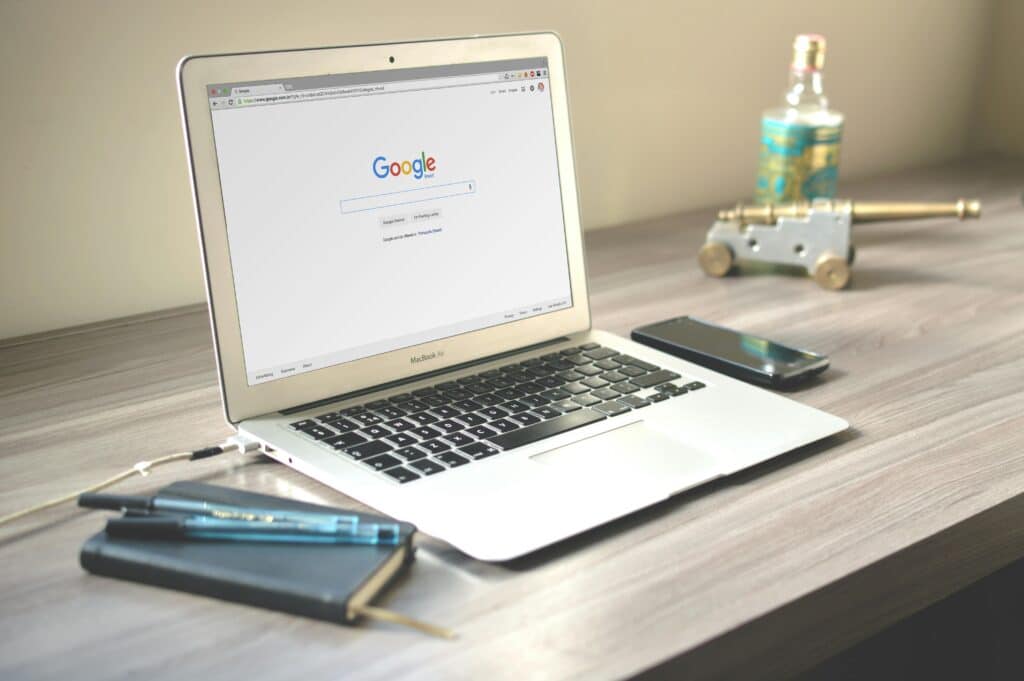
Google Scholar stands as one of the most accessible resources for accessing scholarly articles online. You can search through millions of academic papers, theses, and citations across all disciplines without requiring institutional subscriptions or paid access.
Key features of Google Scholar include:
• Free access to academic literature from multiple publishers
• Citation tracking and metrics for measuring research impact
• Author profile creation for researchers
JSTOR for humanities and social sciences journal access
JSTOR provides comprehensive access to over 12 million academic items, making it essential resources for accessing scholarly articles in humanities and social sciences. You’ll find historical content dating back to 1876, with articles published before 1924 available for free access.
Benefits of using JSTOR:
• Extensive historical archives spanning multiple centuries
• Scholarship opportunities available for independent researchers
• Multidisciplinary coverage across various academic fields
PubMed Central for life sciences and biomedical research
PubMed serves as the premier resources for accessing scholarly articles in medicine and biological sciences. You can access approximately 35 million abstracts and bibliographic details, with direct links to full-text articles on PubMed Central (PMC) when available.
PubMed advantages include:
• Completely free access provided by the National Institutes of Health
• Specialized focus on medical and biological literature
• Direct integration with PMC for full-text article access
Government and Institutional Resources for Scholarly Content
Library of Congress for Historical Documents and Digital Archives

Now that we have covered commercial databases, your next step involves exploring government resources for accessing scholarly articles through official channels. The Library of Congress provides extensive digital archives containing historical documents and scholarly materials that support comprehensive research across multiple disciplines.
Science.gov for Federally Funded Scientific Research
Previously, researchers relied on scattered government sources, but Science.gov consolidates federally funded scientific research into one accessible platform. You can discover peer-reviewed studies and government reports that serve as valuable resources for accessing scholarly articles in science and technology fields.
Key Benefits:
• Comprehensive access to federal research databases
• Direct links to full-text scientific publications
• Integration with multiple government agencies’ research outputs
Your University Library for Subscription-Based Database Access
With this in mind, your university library remains one of the most valuable institutional resources for accessing scholarly articles through premium subscription services. You gain access to databases that would otherwise require expensive individual subscriptions, making advanced research more affordable and accessible.
Access Features:
• Premium database subscriptions at no additional cost
• Remote access capabilities for off-campus research
• Professional librarian support for research guidance
Specialized Platforms for Research Discovery and Access
Digital Commons Network for Peer-Reviewed Interdisciplinary Content
Digital Commons Network provides you with specialized resources for accessing scholarly articles across multiple disciplines. These platforms offer peer-reviewed content that spans traditional academic boundaries, helping you discover interdisciplinary connections in your research.
• Access to thousands of peer-reviewed journals across various academic fields
• Comprehensive coverage of interdisciplinary research topics
ResearchGate for Open-Access Scientific Publications and Networking
ResearchGate serves as your gateway to open-access scientific publications while connecting you with researchers worldwide. This platform combines resources for accessing scholarly articles with networking opportunities, allowing you to engage directly with authors and collaborate on research projects.
• Direct access to researchers and their published work
• Networking capabilities for collaborative research opportunities
WorldCat for Locating Materials Across Library Collections
WorldCat functions as your comprehensive catalog for locating scholarly materials across global library collections. This platform helps you identify resources for accessing scholarly articles that may not be available through traditional databases, expanding your research reach significantly.
• Global library network providing access to millions of scholarly resources
• Enhanced discovery capabilities across diverse institutional collections
General Academic Search Tools for Broad Research Needs
Google Books for Full-Text Book Access and Out-of-Print Materials

Now that we’ve covered specialized platforms, Google Books emerges as one of the most valuable resources for accessing scholarly articles and comprehensive book content. This platform revolutionizes how you discover academic texts, especially rare materials.
Google Books provides unprecedented access to millions of digitized volumes from university libraries worldwide. You can search full-text content across centuries of scholarly work, making it invaluable for historical research and comprehensive literature reviews.
Key advantages include:
- Access to out-of-print academic texts unavailable elsewhere
- Full-text search capabilities across millions of volumes
- Preview pages for copyrighted materials
Finding Rare Academic Materials Through Google Books
Google Books excels at surfacing hard-to-find scholarly content that traditional resources for accessing scholarly articles might miss. The platform digitizes materials from major university libraries, including Harvard, Stanford, and Oxford collections.
You can locate complete texts of public domain academic works, often unavailable through conventional databases. Historical dissertations, conference proceedings, and specialized academic publications become discoverable through comprehensive full-text indexing.
Research benefits:
- Access to historical academic texts from the 18th-20th centuries
- Complete books rather than just article abstracts
Campus Library Resources and Librarian Assistance

Previously mentioned general search tools complement your campus library’s extensive resources for accessing scholarly articles. Your institutional library provides far more than basic book collections, offering sophisticated research support systems.
Academic librarians serve as expert research partners, helping you navigate complex database searches and identify authoritative sources. They understand subject-specific databases and can recommend specialized resources for accessing scholarly articles tailored to your discipline.
Maximizing Your Library’s Digital Collections
Your campus library subscribes to premium academic databases often inaccessible through free platforms. These institutional subscriptions provide full-text access to journals, conference papers, and specialized publications worth thousands of dollars annually.
Available through your library:
- Premium database access (Web of Science, Scopus, discipline-specific databases)
- Interlibrary loan services for materials not held locally
- Research consultation appointments with subject specialists
Professional Research Guidance and Training
With this in mind, librarians offer personalized research instruction that transforms how you approach academic inquiry. They provide training on advanced search techniques, citation management, and evaluating source credibility across various resources for accessing scholarly articles.
Many libraries offer research workshops covering database navigation, search strategy development, and effective use of discovery tools. These sessions teach you to maximize both free and subscription-based academic resources efficiently.
Strategies for Identifying and Accessing Credible Sources
Evaluating Website Reliability and Peer-Review Processes

When assessing resources for accessing scholarly articles, you should apply the CRAAP test (Currency, Relevance, Authority, Accuracy, Purpose) to determine source trustworthiness. Examine author credentials, publication dates, and institutional affiliations to evaluate reliability.
Peer-reviewed journals undergo rigorous scrutiny by field experts, making them the gold standard for scholarly research. You can evaluate journal reputation by consulting resources for accessing scholarly articles like Journal Citation Reports to ensure credibility.
• Apply CRAAP test framework – Currency, Relevance, Authority, Accuracy, Purpose
• Verify author credentials – Check qualifications, affiliations, and expertise
• Prioritize peer-reviewed sources – Seek journals with rigorous expert review processes
Overcoming Paywalls Through Institutional Subscriptions
Academic libraries provide access to curated databases with peer-reviewed journals, conference papers, and scholarly books. Platforms like JSTOR, PubMed, and IEEE Xplore offer extensive resources for accessing scholarly articlesthrough institutional subscriptions.
Your university library system grants you access to numerous electronic resources that would otherwise require expensive individual subscriptions. These institutional agreements provide comprehensive access to reliable resources for accessing scholarly articles.
• Leverage library databases – JSTOR, PubMed, IEEE Xplore offer curated collections
• Utilize institutional access – University subscriptions bypass individual paywalls
Leveraging Interlibrary Loan Services for Unavailable Materials

Universities maintain institutional repositories containing dissertations, theses, and academic publications that offer unique research perspectives. These repositories serve as valuable resources for accessing scholarly articles not available through traditional databases.
When materials aren’t available through your institution’s direct subscriptions, interlibrary loan services can help you access additional scholarly sources from other academic institutions worldwide.
• Access institutional repositories – Universities house unique dissertations and theses
• Request interlibrary loans – Obtain materials from other academic institutions
Summary of Top Resources for Accessing Scholarly Articles
| Resource Type | Key Platforms | Best For | Access Type |
|---|---|---|---|
| Top-Tier Academic Databases | JSTOR, PubMed Central | Peer-reviewed articles, comprehensive research | Subscription/Open Access |
| Government Resources | Science.gov, Library of Congress | Federal research, historical documents | Open Access |
| Specialized Platforms | ResearchGate, Digital Commons Network | Scientific networking, university publications | Open Access |
| General Search Tools | Google Scholar, Google Books | Broad academic searches, books | Free/Limited Access |
Key Takeaways:
• Start with Google Scholar for the most comprehensive academic search experience, ranking results by citation quality and author credibility
• Leverage your university library access to unlock premium databases like JSTOR that span 75 disciplines with over 2,800 journals
• Utilize government resources like Science.gov and Library of Congress for federally funded research and historical materials
• Explore specialized platforms such as ResearchGate’s 25 million researcher network and Digital Commons for peer-reviewed interdisciplinary content
• Verify source credibility by checking for peer review processes, academic affiliations, and proper citation records
• Access full-text materials through WorldCat’s 10,000+ library network when online sources hit paywalls
Finding credible scholarly articles online doesn’t have to be overwhelming when you know where to look. By combining top-tier academic databases with government resources and specialized platforms, you’ll have access to millions of peer-reviewed sources across every discipline. Your university library remains your most valuable asset, providing access to premium databases and expert librarian guidance to navigate complex research challenges.
Ready to elevate your research game? Which of these powerful academic databases will you explore first to transform your next research project from good to exceptional?
References
National Institutes of Health. “Public Access Policy.” NIH Office of Science Policy, December 17, 2024, https://sharing.nih.gov/public-access-policy
Department of Energy. “About DOE PAGES.” DOE Office of Scientific and Technical Information, https://www.osti.gov/pages/about
Department of Energy. “Document Availability.” OSTI.gov, https://www.osti.gov/availability
Department of Energy. “SciTech Connect.” OSTI.gov, https://www.osti.gov/scitech-connect
Department of Energy. “Scientific and Technical Information.” U.S. Department of Energy, https://www.energy.gov/science/scientific-and-technical-information
U.S. Government Printing Office. “Public Law 110–161, Consolidated Appropriations Act, 2008, Section 218 (NIH Public Access Mandate).” Congress.gov, https://www.congress.gov/110/plaws/publ161/PLAW-110publ161.pdf
U.S. Library of Congress. “Free to Use and Reuse Collections.” Library of Congress, https://www.loc.gov/free-to-use
Frandsen, Thomas F., et al. “Evidence of Open Access of Scientific Publications in Google Scholar: A Large‑Scale Analysis.” arXiv, 12 Mar. 2018, https://arxiv.org/abs/1803.06161
Gargouri, Yassine, et al. “Self‑Selected or Mandated, Open Access Increases Citation Impact for Higher Quality Research.” PLOS ONE, vol. 5, no. 10, Oct. 2010, https://journals.plos.org/plosone/article?id=10.1371/journal.pone.0013636