DIY Math Games for Students that can Slash Screen Time and Boost Grades
From Frustration to Success: The Parent’s Game-Changing Discovery

Your child spends hours on educational apps, yet their math grades keep dropping. Sound familiar? Last month, Sarah watched her 8-year-old struggle with multiplication tables despite daily screen time with “educational” games.
Then she tried something different.
She created simple DIY math games using household items. Within weeks, her son was solving problems faster and actually asking for more math practice. No screens required.
This guide shows you exactly how to recreate her success.
You’re a parent or teacher who wants students to excel at math without increasing screen dependency. These DIY math games for students slash screen time while boosting real understanding and grades.
What You’ll Learn
Here’s exactly what we’ll cover to transform math learning in your home or classroom:
• Age-appropriate physical games that match your child’s grade level perfectly
• Quick 5-minute setups using items you already own
• Group activities that turn math practice into social fun
• Student-created games that boost ownership and engagement
• Screen-free alternatives to popular digital math apps
Ready to watch your students light up during math time? Let’s dive into games that actually work.
DIY Physical Math Games for Active Learning
Movement-Based Math Activities Using Dice and Actions
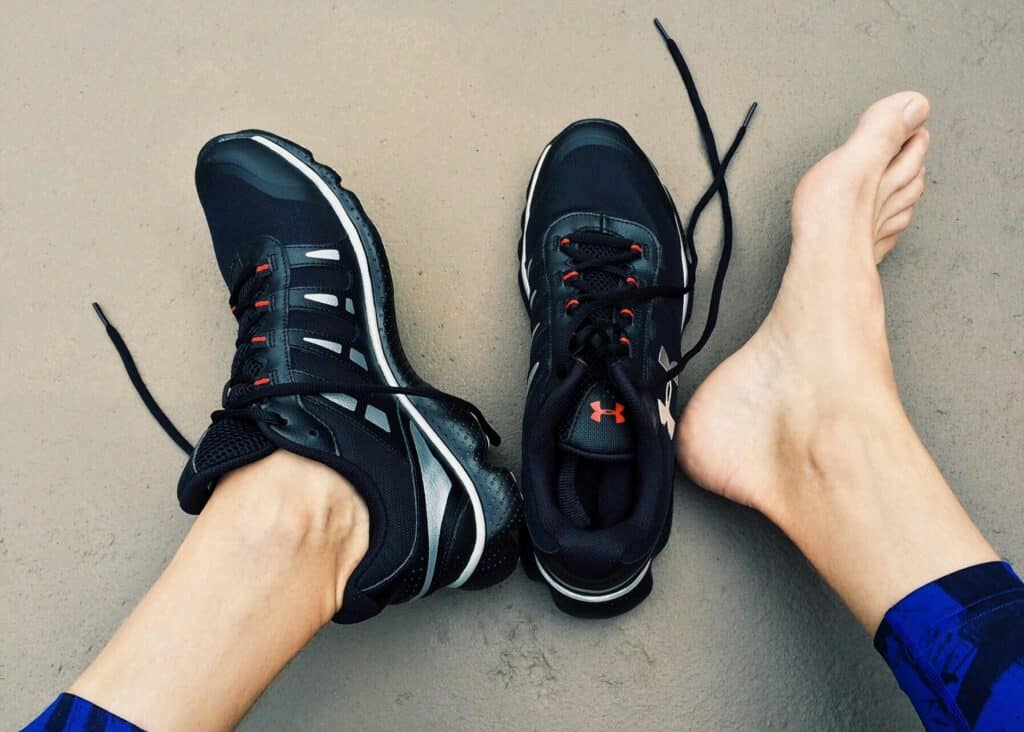
You can transform abstract mathematical concepts into engaging physical experiences by incorporating movement patterns with counting exercises. DIY math games for students become particularly effective when you assign specific actions to different number ranges, helping develop crucial number sense skills.
Try the switching movements technique: have students perform jumping jacks while counting to 10, then switch to clapping for numbers 11-20. This physical transition helps reinforce the concept that teen numbers represent 10 plus additional ones.
Key Movement Strategies:
• Assign different actions (high knees, frog jumps, hops) to specific number ranges
• Use skip-counting movements where students clap for non-target numbers while saying target numbers aloud
• Create whole-body experiences that help students memorize math facts through rhythm and movement
Math Twister and Dance Revolution Games

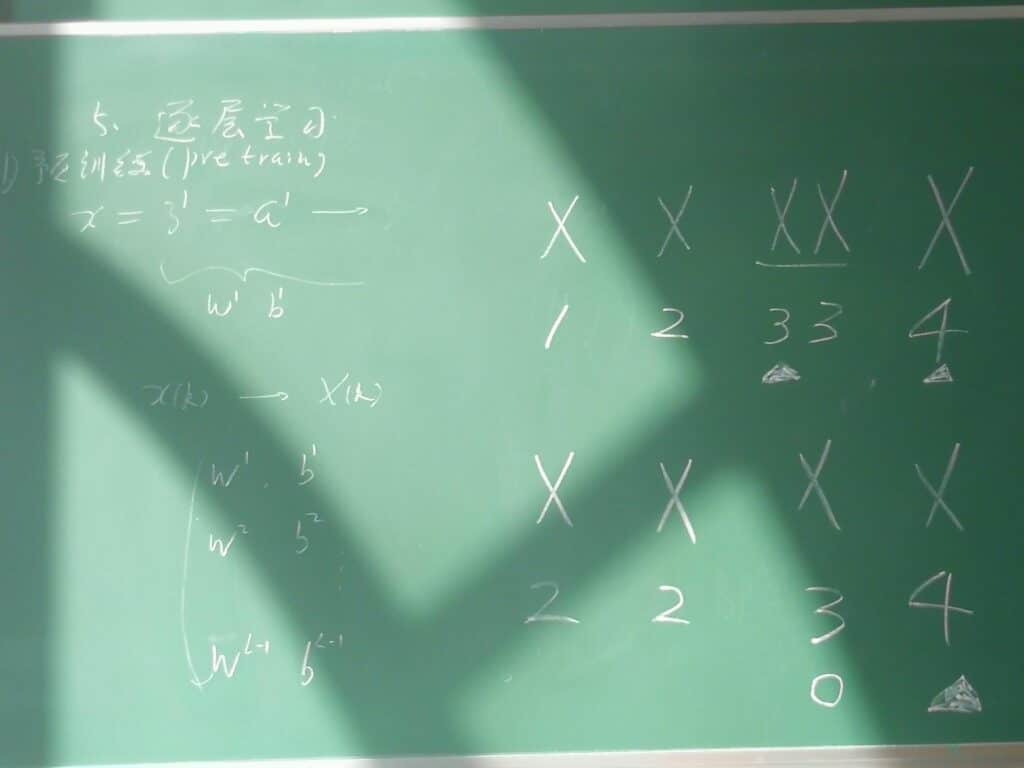
Dance-based learning transforms algebraic concepts into memorable physical movements. You can assign specific dance moves to variables – for example, twirls represent x variables while stomps represent y variables in equations.
When solving 3(x + y), students perform three twirls plus three stomps, making abstract formulas tangible. DIY math games for students using choreography help counteract negative stereotypes while building confidence, particularly effective for middle school learners who benefit from alternative learning approaches.
Dance Integration Benefits:
• Movement puts students in receptive learning states for better information processing
• Physical representation helps students understand that 3(x + y) equals 3x + 3y
• Builds math confidence while providing fresh, engaging learning experiences
Classroom Scavenger Hunts for Shape Recognition
Transform geometry vocabulary lessons into active stretching exercises that reinforce spatial concepts. You can guide students to trace triangle sides with their hands, starting from their belly button and moving down each side to understand isosceles triangles physically.
DIY math games for students incorporating stretching help students demonstrate symmetry by creating straight lines with their bodies. These mindfulness exercises simultaneously teach precision and mathematical vocabulary, allowing you to revisit movements when students struggle with concepts like parallel versus perpendicular lines.
Geometry Movement Activities:
• Use body positioning to illustrate mathematical concepts like symmetry and geometric shapes
• Incorporate arm movements to demonstrate differences between parallel and perpendicular lines
• Practice tracing geometric shapes with hands to reinforce vocabulary understanding
Interactive Group Games That Build Mathematical Skills
Interactive Group Games That Build Mathematical Skills
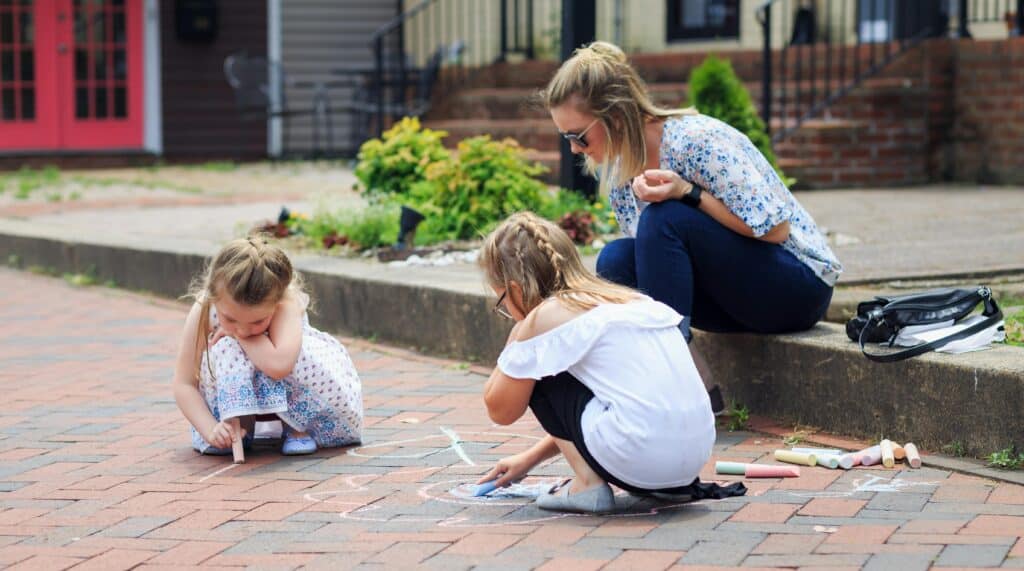
Now that we’ve covered physical math games, let’s explore interactive group activities that foster collaboration while strengthening mathematical understanding. These games encourage peer interaction and healthy competition while developing essential math skills.
Math Bingo Variations for Different Operations
You can easily create DIY math games for students using bingo formats that target specific mathematical operations. For addition and subtraction bingo, create cards with answers to simple problems, then call out equations like “7 + 3” or “5 – 2” instead of numbers.
For multiplication and division bingo, prepare sheets with answers to multiplication or division questions. Read out equations such as “6 x 9” or “81÷9” and watch students find the corresponding answers on their cards.
Key Benefits:
• Adapts to any grade level and operation
• Builds fact fluency through repetitive practice
• Encourages active listening and quick mental math
Competitive Team Games Like Math Facts Race
Math Facts Race creates an energetic environment where teams compete to complete mathematical grids. Divide your class into two teams and provide identical grids of multiplication or addition facts at the front of the room.
The first person on each team fills in one answer on their grid, then passes the marker to the next teammate. This DIY math games for students approach builds both individual skills and teamwork as students work together toward a common goal.
You can also implement “Around the World” using flashcards where students compete head-to-head on mathematical skills. One student stands behind another, and whoever answers the flashcard correctly first moves to challenge the next student.
Implementation Tips:
• Use laminated grids for repeated use
• Vary the mathematical operations based on grade level
• Celebrate both speed and accuracy to maintain engagement
Hot Potato Math Problem Solving
Transform the classic hot potato game into an engaging mathematical activity by taping math questions to a plastic ball with masking tape. Students pass the ball while music plays, creating anticipation and excitement.
When the music stops, whoever holds the ball must select one question, remove it from the ball, and solve it correctly. This DIY math games for students variation combines movement with problem-solving, keeping students physically active while practicing mathematical concepts.
The game works exceptionally well for reviewing various topics and can be adapted for any grade level by adjusting problem difficulty.
Game Variations:
• Use different colored tape for different difficulty levels
• Include word problems alongside computational exercises
Creative Student-Made Math Activities
Math Polling and Graphing Exercises

Transform your classroom into an active data collection zone where students create their own DIY math games for students through polling exercises. Students design survey questions, collect classmate responses, and construct various graph types including bar charts, line graphs, and pie charts.
Start by having students brainstorm engaging poll topics like favorite subjects, hobbies, or lunch preferences. They’ll practice statistical concepts while gathering real data from peers.
• Students create original survey questions targeting specific mathematical concepts
• Data collection becomes interactive through peer-to-peer polling activities
• Graph construction reinforces visual representation skills
• Real classroom data makes abstract concepts tangible and relevant
Setting Up Student-Led Data Collection
Your students become researchers when they design polling strategies. Guide them to create questions that generate numerical data suitable for graphing. Consider topics relevant to their age group and interests.
Encourage students to think critically about sample size, question clarity, and data organization methods before beginning their surveys.
Sign My Sheet Collaborative Problem Solving
Now that we’ve covered polling activities, let’s explore collaborative problem-solving through signature sheets. This DIY math games for students approach encourages peer interaction while reinforcing mathematical concepts through social learning.
Create problem sheets where students must find classmates who can solve specific types of problems. Each correct solution earns a signature, promoting collaborative learning.
• Students circulate the classroom seeking peers to solve different problem types
• Collaborative learning reinforces multiple solution strategies
• Social interaction reduces math anxiety through peer support
• Problem diversity accommodates various skill levels and learning styles
Creating Effective Signature Sheet Activities

Design your signature sheets with problems spanning different difficulty levels and mathematical concepts. Include clear instructions about what constitutes a complete solution worthy of a signature.
Structure activities so students must interact with multiple classmates, ensuring everyone participates in both teaching and learning roles throughout the exercise.
Custom Math Jeopardy Game Creation
Previously, we’ve explored data collection and collaborative solving. With this in mind, next, we’ll see how students can create their own DIY math games for students through custom Jeopardy-style competitions.
Students develop categories, write questions with varying point values, and host game sessions for classmates. This format combines creativity with comprehensive review of mathematical concepts.
• Student-created categories reflect personal understanding of mathematical topics
• Varying point values encourage strategic thinking and risk assessment
• Game hosting develops presentation and leadership skills
• Peer-created content increases engagement and investment in learning
Structuring Student-Made Jeopardy Games
Guide your students through the process of selecting appropriate categories that align with recently studied mathematical concepts. Help them understand how to write clear, answerable questions with definitive solutions.
Establish rules for gameplay, including time limits, team formation, and scoring procedures. Consider having students create both individual and group versions to accommodate different learning preferences.
• Students work independently or in small groups during game development
• Rubrics assess mathematical accuracy and creative presentation
• Game day celebrations provide memorable learning experiences
• Peer review processes improve question quality and clarity
Quick Setup Games for Any Grade Level
Quick Setup Games for Any Grade Level

With minimal preparation, you can transform any classroom into an engaging math environment. These DIY math games for students require zero materials and work across all grade levels, making them perfect for unexpected free time or transitions.
Stand Up Sit Down Number Recognition Games
This active game keeps students moving while reinforcing number recognition skills. Choose a target number, then call out various equations. Students stand when the equation equals your target number and sit for all others.
Key Benefits:
- Instant physical movement breaks up sedentary learning
- Reinforces basic math facts through repetition
- Easily adaptable for different skill levels
For younger students, use simple addition like “3 + 7” for target number 10. Older students can handle multiplication, division, or more complex operations. You control the difficulty by adjusting equation complexity while maintaining the same engaging format.
Guess My Number Grid Activities
This classic DIY math games for students approach develops logical thinking and number sense. Pick a number within an appropriate range, then let students ask yes/no questions to identify it systematically.
Game Variations:
- Use 1-100 range for elementary students
- Extend to larger numbers for advanced learners
- Incorporate laminated hundreds charts for visual support
Students naturally develop questioning strategies, learning to eliminate possibilities efficiently. The game works perfectly as a whole-class activity or in small groups, requiring absolutely no preparation time while building critical mathematical reasoning skills.
Conclusion
| Game Category | Key Features | Grade Levels | Benefits |
|---|---|---|---|
| Age-Appropriate Digital Games | Khan Academy, DragonBox, Splash Math | PreK-12th | Personalized learning, progress tracking |
| DIY Physical Games | Math Twister, Shape Scavenger Hunt, Action Addition | 1st-4th | Active engagement, hands-on learning |
| Interactive Group Games | Around the World, Math Facts Race, Jeopardy | Any grade | Collaboration, healthy competition |
| Student-Made Activities | Homemade Board Games, Popsicle Stick Polls | 3rd grade+ | Creativity, ownership of learning |
| Quick Setup Games | Stand Up/Sit Down, Hot Potato, Guess My Number | Any grade | Minimal preparation, instant engagement |
Key Takeaways:
• Balanced screen time: Digital math games like Khan Academy and DragonBox provide quality learning while physical games like Math Twister and scavenger hunts get students moving
• Adaptable activities: Games like “Around the World” and “Stand Up or Sit Down” work across all grade levels with simple modifications
• Student engagement: Interactive formats transform potentially boring worksheet problems into exciting competitions and collaborative challenges
• Easy implementation: Most games require minimal setup using everyday classroom materials like dice, flashcards, and poster board
• Skill reinforcement: Games target specific math concepts from basic addition to complex algebra while making practice enjoyable
• Social learning: Group activities encourage peer-to-peer teaching and build mathematical reasoning through discussion
These DIY math games prove that reducing screen time doesn’t mean sacrificing educational quality. By incorporating physical movement, creative thinking, and social interaction, you can create a dynamic learning environment where students actively engage with mathematical concepts rather than passively consuming digital content.
Which of these games will you try first in your classroom to transform math practice from a chore into an adventure?
References
Abrahamson, Dor, et al. “Making Sense of Movement in Embodied Design for Mathematics Learning.” International Journal of Child-Computer Interaction, vol. 11, 2017, pp. 95–110, https://www.ncbi.nlm.nih.gov/pmc/articles/PMC5256464/
Anderson, Lorin W., and David R. Krathwohl. A Taxonomy for Learning, Teaching, and Assessing: A Revision of Bloom’s Taxonomy of Educational Objectives. Longman, 2001
Hirsh-Pasek, Kathy, et al. A Mandate for Playful Learning in Preschool: Presenting the Evidence. Oxford UP, 2009
Jensen, Eric. Teaching with the Brain in Mind. 2nd ed., ASCD, 2005
Khan Academy. Khan Academy, https://www.khanacademy.org
National Council of Teachers of Mathematics. Principles to Actions: Ensuring Mathematical Success for All. NCTM, 2014
Pellegrini, Anthony D., and Peter K. Smith. “Physical Activity Play: The Nature and Function of a Neglected Aspect of Play.” Child Development, vol. 69, no. 3, 1998, pp. 577–598, https://srcd.onlinelibrary.wiley.com/doi/10.1111/j.1467-8624.1998.tb06226.x
Pexels. Pexels Free Stock Photos, https://www.pexels.com
Ramani, Geetha B., and Robert S. Siegler. “Promoting Broad and Stable Improvements in Low-Income Children’s Numerical Knowledge through Playing Number Board Games.” Child Development, vol. 79, no. 2, 2008, pp. 375–394, https://onlinelibrary.wiley.com/doi/10.1111/j.1467-8624.2007.01131.x
Sousa, David A. How the Brain Learns Mathematics. Corwin Press, 2011
SplashLearn. SplashLearn, https://www.splashlearn.com
Tran, Cynthia, et al. “Embodied Cognition and the Development of Mathematical Understanding.” Cognitive Research: Principles and Implications, vol. 2, no. 15, 2017, https://cognitiveresearchjournal.springeropen.com/articles/10.1186/s41235-017-0053-8
Vygotsky, Lev S. Mind in Society: The Development of Higher Psychological Processes. Harvard UP, 1978