8 Student Athlete Success Habits: Tips for Your Grades as a Student-Athlete
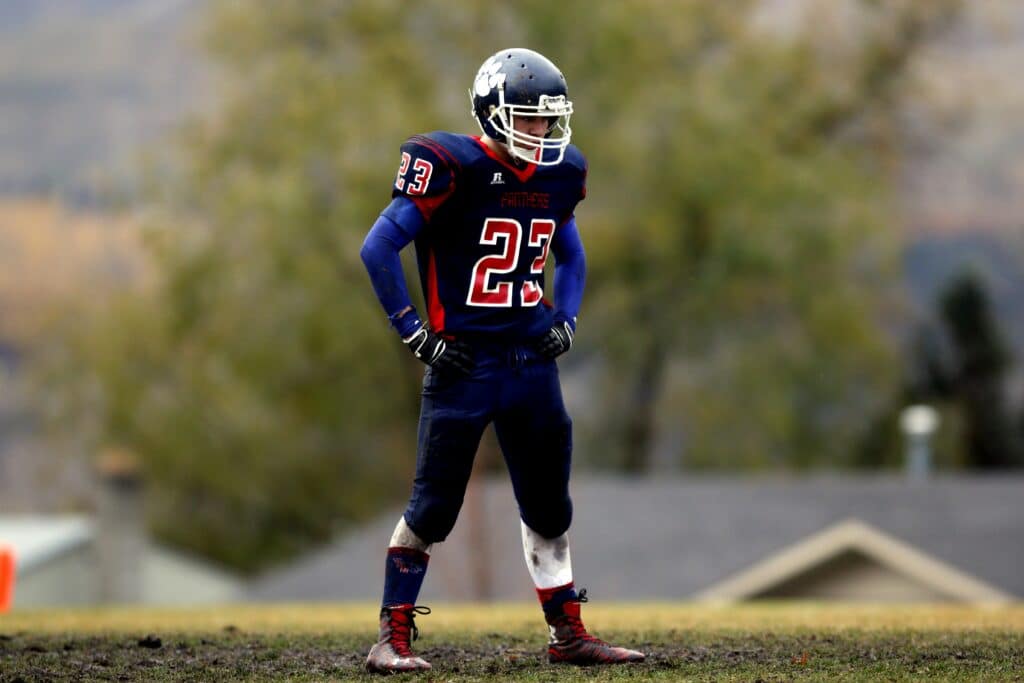
When Your Day Starts Before the Sun
You might remember the morning you rushed into class with your practice jersey still clinging to your shoulder. Your bag was half-open, and you slid into your seat just as the bell rang. When the teacher announced a quiz, your stomach flipped. You knew the material, but late practice and a long bus ride had pushed homework to the side.
Moments like that capture what it feels like to live in two demanding worlds. You’re asked to push harder in your sport while still showing up in class with focus and energy. To make it all work, you don’t just need motivation. You need student athlete success habits that support both sides of your life.
Why You Feel Pulled in Two Directions
Being a student-athlete often means waking up early, staying late, and squeezing schoolwork into the edges of your day. That alone puts you into a group of students who already manage heavier schedules than most your age.
What you may not realize is how much power you have when you start shaping your days with intention. You don’t need more hours — you need systems that help you stay calm, steady, and prepared.
Here are a few clues you might need stronger routines:
- You forget assignments because practice runs long
- You feel tired during morning classes
- You get stressed on game days
- You feel like you’re always “catching up”
These moments don’t mean you’re failing. They mean you’re juggling a lot and you need tools built for your lifestyle.
Connecting Your Mindset as an Athlete and a Student

Many student-athletes your age learn to succeed by blending their strengths in both areas. You already know how to warm up, stay disciplined, and stay coachable. When you apply those same ideas to school, you create student athlete success habits that carry you through busy weeks.
You begin to see schoolwork not as a rival to your sport, but as another challenge you’re capable of mastering. The more you practice the right habits, the more confident you feel moving between classrooms and fields.
The Turning Point You Control
Once you realize that your routine can work for you — not against you — everything begins to feel lighter. You stop feeling trapped by your schedule and start shaping your day with purpose.
Small choices become powerful, especially on days when practice, homework, and personal time all collide.
A few simple shifts can change everything:
- Preparing schoolwork like you prep for a game
- Using short pockets of time instead of waiting for long study blocks
- Asking for help when school and sports conflict
- Adjusting your week before things pile up
These steps help build a foundation that keeps your grades steady even when your sport gets intense.
What You’ll Learn Next
Before we break everything down in Section 2, here are the eight reasons that guide the rest of this article. These form the foundation of strong student athlete success habits:
- Building routines that match your schedule
- Using time wisely before and after practice
- Protecting your energy levels
- Keeping your schoolwork organized
- Staying connected with teachers
- Managing travel or game days
- Developing strong focus in short bursts
- Finding balance when stress builds up
Next, we’re going to explore each one in detail — and show you how to apply them in your life right away.
The 8 Ways, Explained with Evidence and Action

1) Build routines that match your schedule
You can make student athlete success habits by designing routines that fit the blocks of time you actually have. Research shows student-athletes who plan time around practices and classes use time more effectively and report fewer missed assignments (Liu and Taresh).
Start by mapping your week — mark practices, classes, and fixed commitments, then slot short study sessions before or after those blocks.
- Quick routine checklist:
- Plan 20–30 minute study blocks around practice start/end times
- Reserve one longer session weekly for big assignments
- Use the same study spot so your brain knows it’s “work” time
These small systems build strong academic habits and make studying feel automatic (Cao et al.).
2) Use time wisely before and after practice
Short bursts of focused work are powerful when you’re short on time. Evidence suggests that brief, concentrated study sessions can match longer sessions for retention if the time is consistent and focused (Kim et al.).
Try the 25/5 rhythm: 25 minutes of focused work, 5 minutes of rest — you’ll protect energy for practice and school.
- Before practice: review key facts or flashcards (10–20 minutes)
- After practice: do a quick summary of notes while the day is fresh (15–30 minutes)
These habits strengthen student athlete success habits because they turn scattered minutes into reliable study gains (“5 Time Management Strategies”).
3) Protect your energy — not just your time
Your grades can slip if your energy is low, even when you study. The CDC links physical activity and healthy routines to better academic outcomes, suggesting that balanced activity supports learning (CDC).
To protect your energy, aim for sleep, hydration, and recovery as part of your student athlete success habits.
Short energy checklist:
- Aim for consistent sleep times even on game nights
- Use easy recovery routines (stretching, light protein snack) after practice
- Keep a water bottle with you — small habits add up
When you protect energy, your study time becomes higher quality and your strong academic habits hold during busy weeks (Thompson et al.).
4) Keep schoolwork organized — use systems that scale
Organization is a core pillar of student athlete success habits. Studies on time allocation for athletes show that those who track assignments and use planners tend to maintain steadier grades (ERIC).
Use one central planner (digital or paper) and log deadlines immediately; this reduces last-minute stress and prevents missed work.
- Organizing tools you can try:
- A weekly planner or calendar app with reminders
- A single folder or digital notebook for each class
- A short nightly check to update your plan
Also consider Scholarlysphere as a place to find study templates and routines designed for busy learners; it can help you set up systems that match your sports schedule and school deadlines. Using these tools helps your academic routines for athletes become automatic.
5) Stay connected with teachers early and often
Communicating with teachers is part of smart student athlete success habits. When travel or games conflict with schoolwork, students who discuss plans early tend to get extensions or makeup options (Thompson et al.).
Make it a habit to email or speak to teachers after class when you know a schedule clash is coming.
Tip: be proactive — give teachers at least a day’s notice when possible and offer a clear plan for making up work. This shows responsibility and preserves your grades.
6) Manage travel and game days with a plan
Game travel can break routines, but a plan keeps grades steady. Research on athletes’ time management suggests that planning travel study windows and packing study kits prevents lost work time (Liu and Taresh).
On travel days, split study into short, manageable tasks and keep all materials in one bag.
- Travel study pack:
- Class notes or digital files ready to open
- Flashcards or a short summary sheet
- Chargers, headphones, and a lightweight planner
These student athlete success habits help you keep academic momentum even when you’re on the road.
7) Develop sharp focus in short bursts
Your brain responds well to clear, short goals. Evidence from behavior studies shows regularity and focused bursts of effort predict better academic outcomes (Cao et al.).
Use specific, measurable targets for each study session (e.g., “finish two textbook problems” or “summarize one page”).
Micro-goal examples:
- 20-minute vocabulary drill (3–4 rounds)
- One practice problem + one reflection paragraph
- One concept summary to teach a teammate
Focusing like this builds student athlete success habits that make every minute count.
8) Find balance when stress builds up
Stress is normal, but unchecked stress hurts both sport and school. Mixed-method studies of sport-school students show that those who use coping strategies and support systems report better mental health and academic stability (Thompson et al.).
When stress spikes, use recovery tools: talk with a coach or counselor, drop a low-priority task, or use quick breathing techniques to reset.
Practical stress steps:
- Name the stressor and choose one immediate action
- Ask a coach or teacher for a short plan change if needed
- Use a 3-minute breathing break before studying to improve focus
These choices strengthen your student athlete success habits and keep you resilient across long seasons (Kim et al.).
Putting it together: a sample weekly plan
Try a simple week template that blends sport and school. Do this every Sunday night and adjust as needed.
- Monday: short study bursts after practice; planner check (20 minutes)
- Tuesday: longer homework block before practice (45 minutes)
- Wednesday: recovery + review notes after practice (25 minutes)
- Thursday: meet teacher or message them about any conflicts (10 minutes)
- Friday: light review and sleep priority before game day
- Weekend: one long study block, one active rest session
Following this kind of plan helps you create student athlete success habits that last. The research-backed steps above — from mapping time to protecting energy and staying organized — give you a clear path to keep your grades steady while you keep playing.
Quick wins to protect your grades and your game

You can turn the research and routines into action starting today. Small wins build confidence and feed your student athlete success habits. (Liu and Taresh).
Try two simple moves right now: pick one study spot and pack a travel study kit. These choices support strong academic habits and make short study bursts easier (Cao et al.).
- Two-minute checklist before practice:
- Pack notes for one class
- Add a 20–30 minute study block in your planner
- Set a reminder to message a teacher if you’ll miss class
Sample scripts you can use — quick and honest
Use these scripts to talk to teachers and coaches. Clear, respectful messages are part of smart student athlete success habits (Thompson et al.).
- Teacher text/email (when you’ll miss class):
- “Hi Ms. Lopez — I have a game on Friday and may miss class. I plan to complete the assignment by Sunday. Can I have any notes or a short extension? Thanks, [Your Name].”
- Coach note (when school is tight):
- “Coach — I’m committed to the team. I have a major test next Thursday. Can we adjust practice time that day so I can study for 45 minutes beforehand?”
These short scripts support balancing sports and school and show you take both seriously.
A 4-week plan you can follow
Week-by-week structure helps your academic routines for athletes become automatic. Each week has a clear focus and small measurable goals.
- Week 1: Map your schedule and set three daily 20–30 minute study blocks. (Liu and Taresh)
- Week 2: Use focused bursts (25/5) and log progress. (Kim et al.)
- Week 3: Add sleep and recovery targets to protect energy. (CDC)
- Week 4: Meet teachers or send planned messages about any conflicts. (Thompson et al.)
When stress spikes: a short reset plan
Stress is natural; quick resets keep your grades and play steady. Research shows coping steps and support help student-athletes maintain both performance and well-being (Thompson et al.).
- Quick reset (5 minutes): breathe for 2 minutes, list top one task, do a focused 20-minute study.
- If overwhelmed: drop one nonessential activity for a week and keep your study blocks.
Final action checklist — start tomorrow
- Fill one week in your planner with practice, classes, and three study blocks.
- Send one proactive message to a teacher about any upcoming conflicts.
- Pack a travel study kit and choose a single study spot.
These steps strengthen your student athlete success habits, build strong academic habits, and make balancing sports and school feel possible. (Cao et al.; Liu and Taresh; CDC; Thompson et al.)
Cao, Yi, et al. Orderness Predicts Academic Performance: Behavioral Analysis on Campus Lifestyle. arXiv, 12 Apr. 2017, https://arxiv.org/abs/1704.04103
Kim, Abigale, et al. Understanding Health and Behavioral Trends of Successful Students through Machine Learning Models. arXiv, 23 Jan. 2021, https://arxiv.org/abs/2102.04212
Liu, Tianyue, and Sahar Taresh. “Balancing Athletic and Academic Excellence: A Quantitative Study of Student-Athletes’ Time Management Strategies.” Journal of Ecohumanism, vol. 3, no. 7, 2024, pp. 4004–4022. https://www.researchgate.net/publication/385372099_Balancing_Athletic_and_Academic_Excellence_A_Quantitative_Study_of_Student-Athletes%27_Time_Management_Strategies
“Physical Activity and Sedentary Behaviors and Academic Grades.” Healthy Schools, Centers for Disease Control and Prevention, 19 July 2024. https://www.cdc.gov/healthy-schools/health-academics/sedentary-grades.html
“Health and Academics.” Healthy Schools, Centers for Disease Control and Prevention, 18 July 2024. https://www.cdc.gov/healthy-schools/health-academics/index.html
“Other Health Behaviors and Academic Grades.” Healthy Schools, Centers for Disease Control and Prevention, 19 July 2024. https://www.cdc.gov/healthy-schools/health-academics/other-behavior-and-grades.html
“Academic Performance and Time Allocation of Athletes at a NCAA Division III Women’s University.” ERIC: EJ1227769. https://files.eric.ed.gov/fulltext/EJ1227769.pdf
“5 Time Management Strategies for Student Athletes.” Sports-Management-Degrees.com, 2025.
https://www.sports-management-degrees.com/lists/5-time-management-strategies-for-student-athletes/
“Essential Study Habits for Athletes: How to Stay on Track When Sports Are Back.” Engaged Minds Academy, 27 Aug. 2025.
https://engagedmindsacademy.com/2025/08/27/study-habits-for-athletes/
Thompson, Anna, et al. “What Is It Like to Be a Sport School Student-Athlete? A Mixed Method Evaluation of Holistic Impacts and Experiences.” PLOS ONE, 2023.
https://journals.plos.org/plosone/article?id=10.1371/journal.pone.0289265