How School Is Training Kids for Jobs That Don’t Exist Anymore

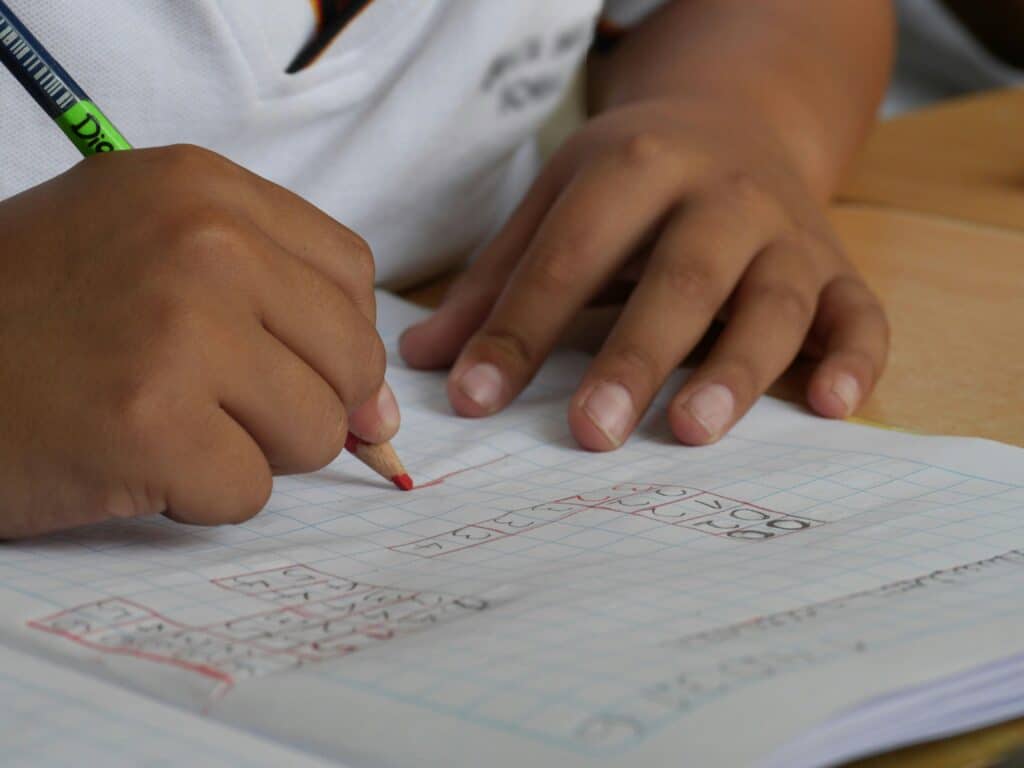
You watch your child bring home spelling tests and worksheets.
You wonder if those tasks match the world they will enter.
Many experts warn the job landscape is changing fast. (World Economic Forum)
You may feel schools still teach rules and facts.
But employers often ask for real-world skills like problem solving and teamwork. (OECD)
That gap can leave you and your student worried.
A quick scene you know
Imagine you sit in a parent meeting.
A teacher lists standards and grades.
You picture jobs that ask for coding, communication, and adaptability.
You want school to help with technology and job readiness now. (Brookings Institution)
Why this matters to you
- You want your child to build real-world skills that transfer to work. (UNESCO)
- You want clear signals from school about what employers value. (World Economic Forum)
- You want technology and job readiness included in learning routines. (IMF)
Schools still teach important basics. (OECD)
But the future will ask for flexible thinking and applied skills. (Frey and Osborne)
This article will show what schools often miss, why it matters to you, and practical steps you can try with your student.
You’ll get evidence-based ideas to strengthen real-world skills and boost technology and job readiness. (OECD; World Economic Forum)
Evidence, gaps, and what to do next
How the job landscape is shifting (what the numbers say)
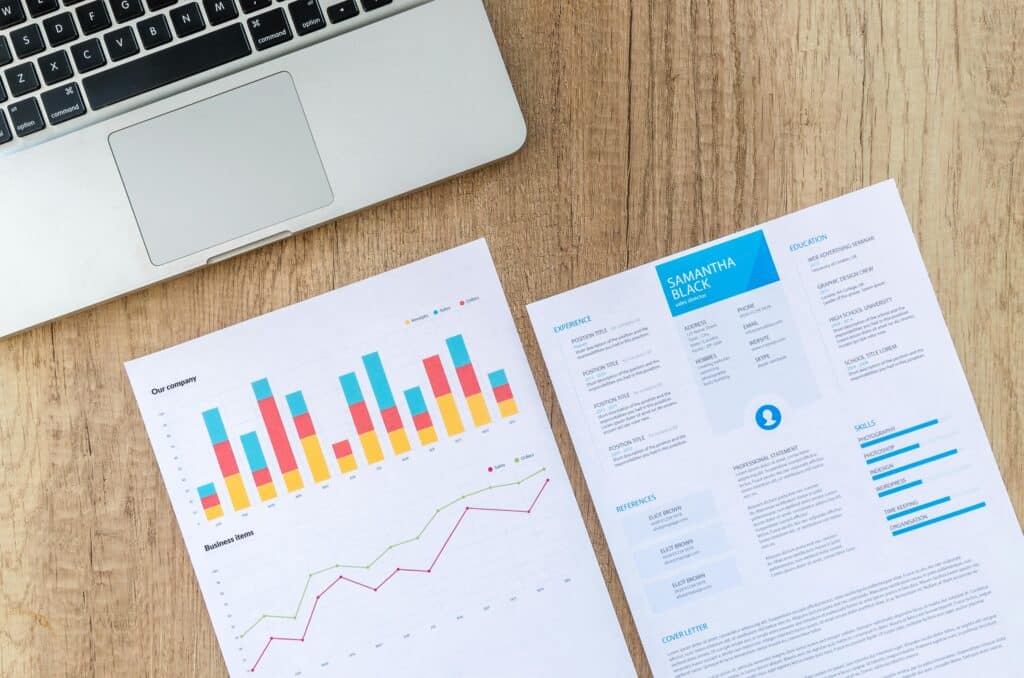
The world of work is changing faster than many schools expect. (World Economic Forum)
By 2025, the World Economic Forum estimates about 85 million jobs may be displaced while 97 million new roles could emerge that fit a different skills mix. (World Economic Forum)
Researchers also warn many occupations face automation risk; some estimates put near up to 47% of roles at risk of computerisation in earlier analyses. (Frey and Osborne)
Those shifts mean you and your child may need different daily practices than a traditional classroom often gives. (OECD)
- Employers expect more flexible problem solving and collaboration than rote fact recall. (World Economic Forum)
- Higher education still correlates with higher employment and earnings, but skills matter too. (National Center for Education Statistics)
- Technology changes create both job loss and new opportunities; the balance depends on real-world skills you build. (World Economic Forum)
What many schools teach vs. what employers want
Schools often focus on knowledge and standardized measures. (OECD)
Employers increasingly value applied skills that show up in workplaces. (U.S. Chamber of Commerce Foundation)
That mismatch can leave you wondering whether classroom time is the best place to learn transferable skills.
- Schools emphasize content mastery, standards, and test readiness. (OECD)
- Businesses ask for communication, teamwork, and practical problem solving. (U.S. Chamber of Commerce Foundation)
- Employers and research groups suggest pairing academics with experiential practice for technology and job readiness. (World Economic Forum)
Where the curriculum often miss real-world skills

Classroom tasks may not mimic messy work problems. (OECD)
When assignments focus on single-answer tasks, you lose chances to practice collaboration and iteration. (OECD)
That gap can be addressed without throwing out important basics.
- Students may not practice cross-subject projects that build real-world skills. (OECD)
- Timed tests reward speed over thoughtful problem solving, limiting applied skill practice. (Frey and Osborne)
- Schools with narrow curricula often underinvest in career-exploration and work-based learning. (RAND)
Evidence-based reasons to shift toward applied learning
Research finds that a mix of fundamentals and applied tasks helps students adapt faster. (Brookings Institution)
International frameworks emphasize three skill clusters: cognitive, social-emotional, and digital literacy. (OECD)
That trio lines up with what employers report wanting. (World Economic Forum)
- Cognitive and metacognitive skills help students transfer knowledge to new jobs. (OECD)
- Social skills — collaboration and communication — predict workplace success more than isolated facts. (World Economic Forum)
- Digital and data literacy are part of technology and job readiness that schools may overlook. (OECD)
Practical fixes you can try with your student right now

You don’t need systemwide reform to start building real-world skills at home.
Small routines add up and make classroom learning more useful in workplaces.
- Combine project work with short reflections: write one paragraph on how the project mirrors a real job.
- Build micro-experiments: tackle a local problem and document solutions over a week.
- Add digital practice: learn tools that show basic data handling and communication.
- Practice teamwork in small groups: rotate roles so everyone leads and supports.
Each activity builds real-world skills that transfer to many future roles. (OECD; World Economic Forum)
How schools can change without losing standards
Some schools already blend standards with workplace-like tasks. (UNESCO)
You can ask local educators about small, evidence-backed changes.
- Advocate for capstone projects that require research, communication, and iteration. (OECD)
- Encourage partnerships with local businesses for short internships or shadow days. (U.S. Chamber of Commerce Foundation)
- Support professional development so teachers learn to design applied assessments. (UNESCO; RAND)
These steps can boost real-world skills without discarding core content. (OECD)
Costs, equity, and access: the harder realities

Not every school has equal resources. (Brookings Institution)
Research shows resource gaps shape who gets high-quality applied learning. (RAND)
If you worry about fairness, you’re right to press for equitable access.
- Ask whether programs reach students across income levels and neighborhoods. (Brookings Institution)
- Support public funding for work-based learning and teacher training. (RAND; U.S. Chamber of Commerce Foundation)
- Look for community partners that can offer low-cost or virtual experiences. (UNESCO)
Addressing equity helps more students practice real-world skills that employers prize. (Brookings Institution)
What researchers and the “Scholarlysphere” are saying
Academic discussions highlight nuance: skills matter, but measurement is hard.
Scholarlysphere notes that many studies call for mixed methods research. (Frey and Osborne; OECD)
That debate means you should favor programs with clear outcomes and evidence.
- Seek pilots that report clear student outcomes and transparent data. (Frey and Osborne)
- Prefer programs that combine classroom metrics and workplace feedback. (OECD)
- Ask for evidence of equitable impact before scaling new initiatives. (Brookings Institution)
Tools and resources to recommend now
Many free and low-cost resources can help your child practice applied skills. (OECD; World Economic Forum)
Choose tools that teach collaboration, digital literacy, and problem solving.
- Project-based learning guides from global education bodies. (OECD)
- Employer-led micro-internships and virtual projects. (U.S. Chamber of Commerce Foundation)
- Digital literacy modules and data basics for students. (World Economic Forum; IMF)
Using these resources builds real-world skills you can point to on applications and conversations. (World Economic Forum)
Putting change into practice (plans you can use)
A realistic month-long plan to build real-world skills
Week 1: map needs and start small.
- Day 1: list three real-world skills your student needs most. (OECD)
- Days 2–7: do daily 30-minute mixed drills that focus on one skill each day. (World Economic Forum)
Week 2: add project practice and reflection. - Choose a short community problem and plan a two-day mini-project. (UNESCO)
- End each day with a one-paragraph reflection on how the project links to technology and job readiness. (World Economic Forum)
Week 3: simulate workplace tasks. - Try role rotations: leader, researcher, communicator, and reviewer. (U.S. Chamber of Commerce Foundation)
- Track outcomes and revise the process for clarity and fairness. (RAND)
Week 4: assess, celebrate, and plan next steps. - Take stock of progress in specific real-world skills and adjust goals. (OECD)
- Share results with a teacher or mentor for outside feedback. (Brookings Institution)
Practical at-home projects and routines that transfer to work
Micro-projects teach iteration and responsibility.
- Build a one-week fundraiser, then tally costs and outcomes. (U.S. Chamber of Commerce Foundation)
- Create a two-page portfolio that shows problem, steps, and evidence of learning. (OECD)
- Use a simple spreadsheet to track results and basic data patterns. (World Economic Forum)
- Role-play interview or pitch scenarios to practice clear communication. (Brookings Institution)
Daily routines that matter for real-world skills
- Short reflection: write what went well and one next step. (OECD)
- Timed collaboration: 25 minutes to agree, 10 minutes to present. (RAND)
- Tech minute: practice a new tool or app twice a week for technology and job readiness. (IMF)
These routines make skill growth steady and measurable. (NCES)
Deciding what comes next and how to advocate for change

You can expand from home to school partnerships.
Ask educators for capstone-style assessments that show applied learning. (UNESCO)
Request local business guest speakers or micro-internships for students. (U.S. Chamber of Commerce Foundation)
Support teacher workshops on designing projects that measure real-world skills. (RAND)
When programs cost money, press for equitable access and transparent outcomes. (Brookings Institution)
Measure progress with simple indicators you can see
Check for clear steps completed, evidence of collaboration, and ability to explain decisions. (OECD)
Avoid confusing quantity with quality: a three-step demonstration of learning beats ten unchecked tasks. (World Economic Forum)
If you need data to argue for programs, point to studies showing skill mixes link to employability and earnings. (NCES; World Economic Forum)
Keep expectations realistic and flexible
Not every project will mirror a job exactly. (Frey and Osborne)
But repeated practice with feedback tends to build transferable habits. (Brookings Institution)
When you pair fundamentals with hands-on tasks, real-world skills become habits rather than add-ons. (OECD)
Include technology and job readiness in conversations about classwork and homework to make learning purposeful. (IMF)
Start small. Keep what works. Share it with your school.
Which one small project will you try with your student this week to build real-world skills and strengthen technology and job readiness?
References
OECD. The Future of Education and Skills: Education 2030. OECD Publishing, 2018,
https://www.oecd.org/content/dam/oecd/en/publications/reports/2018/06/the-future-of-education-and-skills_5424dd26/54ac7020-en.pdf. Accessed 31 Dec. 2025
OECD. Skills for 2030: Concept Note. OECD, 2019,
https://www.oecd.org/education/skills-for-2030-concept-note.pdf. Accessed 31 Dec. 2025
World Economic Forum. The Future of Jobs Report 2023. World Economic Forum, 2023,
https://www.weforum.org/publications/the-future-of-jobs-report-2023. Accessed 31 Dec. 2025
Brookings Institution. Annelies Goger et al. To prepare young people for the AI workplace, focus on the fundamentals. Brookings, 2025,
https://www.brookings.edu/articles/to-prepare-young-people-for-the-ai-workplace-focus-on-the-fundamentals. Accessed 31 Dec. 2025
RAND Corporation. Alignment and Areas for Growth: Career Technical Education and Workforce Opportunities in West Virginia. RAND, 2025,
https://www.rand.org/pubs/research_reports/RRA4052-1.html. Accessed 31 Dec. 2025
National Center for Education Statistics. Education, Employment, and Earnings: Statistics in Brief. NCES, Institute of Education Sciences, U.S. Department of Education, 2021,
https://nces.ed.gov/pubs2021/2021056. Accessed 31 Dec. 2025
Center for American Progress. Laura Jimenez. Preparing American Students for the Workforce of the Future.Center for American Progress, 2020,
https://files.eric.ed.gov/fulltext/ED610388.pdf. Accessed 31 Dec. 2025
U.S. Chamber of Commerce Foundation. Education Prepares Students for Careers of the Future and Helps Businesses. U.S. Chamber Foundation, 2022,
https://www.uschamberfoundation.org/workforce/education-prepares-students-careers-future-and-helps-businesses. Accessed 31 Dec. 2025
UNESCO. Futures of Education: Reimagining our futures together — A new social contract for education.UNESCO, 2021,
https://unesdoc.unesco.org/ark:/48223/pf0000379707.locale=en. Accessed 31 Dec. 2025
IMF. Kristalina Georgieva. AI will transform the global economy. Let’s make sure it benefits humanity. IMF Blog, 14 Jan. 2024,
https://www.imf.org/en/Blogs/Articles/2024/01/14/ai-will-transform-the-global-economy-lets-make-sure-it-benefits-humanity. Accessed 31 Dec. 2025
Frey, Carl Benedikt, and Michael A. Osborne. The Future of Employment: How Susceptible Are Jobs to Computerisation? Oxford Martin School / original working paper 2013, PDF copy,
https://futureoflife.org/data/PDF/michael_osborne.pdf. Accessed 31 Dec. 2025