
How to Go to School Full of Energy – Top 5 Ways
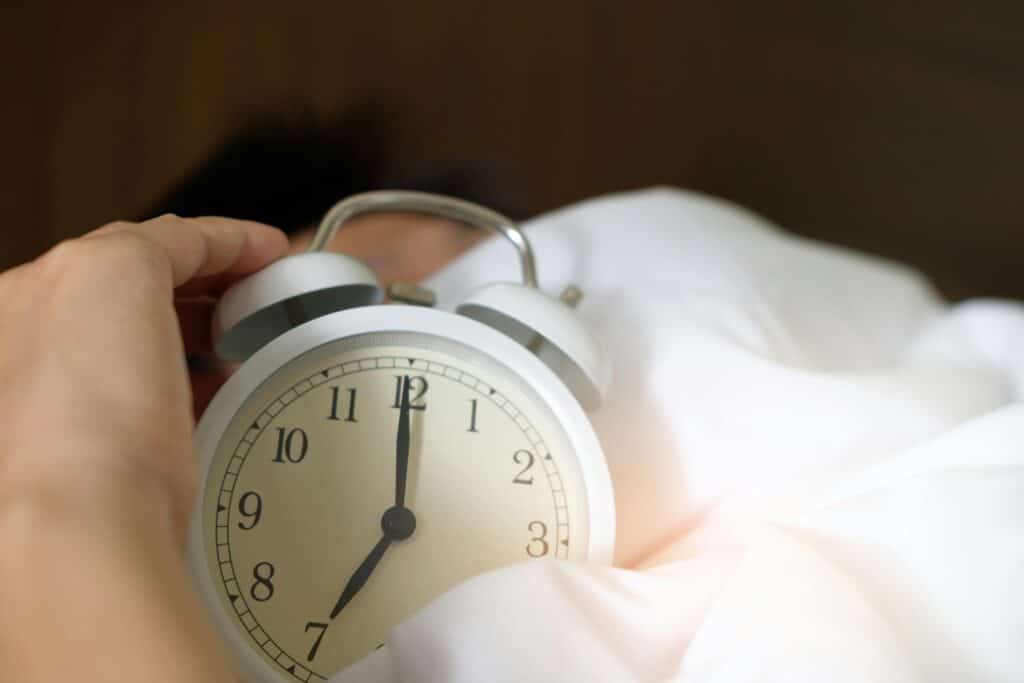
You wake up to your alarm, hit snooze, and wonder how you’ll get through classes.
That morning drag is familiar, and you want a real plan that works for you.
You’re not alone — every student battles tired mornings sometimes.
What matters is small changes that build steady energy, not overnight fixes.
Why this matters to you
You perform better when you arrive alert and ready.
Small routines influence focus, mood, and long-term school success.
A quick story
Last semester you tried one change: a consistent sleep time.
After a week, your morning fog lifted and class participation improved.
Table of Contents – Top 5 Ways
- Prioritize consistent, sufficient sleep
- Eat a balanced breakfast that sustains energy
- Move your body for instant alertness
- Hydrate strategically throughout the day
- Build a short, energizing morning routine and mindset
1. Prioritize consistent, sufficient sleep

You need consistent sleep timing more than weekend catch-ups. Teens generally require 8–10 hours nightly for best alertness. (Sleep Foundation)
Later school starts improve alertness and outcomes for adolescents; shifting starts helps your sleep and daytime energy. (American Academy of Pediatrics)
Why this helps you:
- Regular sleep stabilizes mood and focus for school.
- Deep sleep supports memory consolidation for learning.
- Sleep reduces mid-morning crashes and mid-afternoon dips.
Action steps you can try tonight:
- Set a fixed bedtime and wake time, even weekends.
- Dim screens 30–60 minutes before sleep to cue rest. (Harvard Health Publishing)
- Aim for consistent sleep totaling 8–10 hours daily. (Sleep Foundation)
Quick study-tip link for routines:
- Use classroom planners to schedule sleep-friendly study blocks.
2. Eat a balanced breakfast that sustains energy
A morning meal boosts attention, memory, and classroom behavior when it includes protein and whole grains. (Adolphus et al.)
School breakfast programs support attendance and participation; a reliable breakfast can steady your morning energy. (United States Department of Agriculture)
Why this helps you:
- Breakfast prevents low blood sugar and concentration lapses.
- A protein-plus-carb combo sustains energy longer than sugar alone.
- Skipping breakfast often increases mid-morning fatigue.
Action steps you can try tomorrow:
- Quick option: Greek yogurt, fruit, and a whole-grain toast slice.
- Prep overnight oats or hard-boiled eggs to save time.
- If mornings are rushed, eat a smoothie on the commute.
Practical benefits for school life:
- Better attention in class and steadier mood during lessons. (Adolphus et al.)
3. Move your body: morning activity for instant alertness

Short, brisk activity raises heart rate and alertness more effectively than caffeine alone. (Centers for Disease Control and Prevention)
The CDC recommends daily physical activity for kids and teens to support health and cognition. (Centers for Disease Control and Prevention)
Why this helps you:
- Movement increases blood flow to the brain and sharpens focus.
- Even 5–10 minutes of activity jump-starts your alertness.
- Regular activity improves long-term energy and sleep quality.
Action steps you can try before school:
- 5–10 minute HIIT: jumping jacks, squats, quick jog in place.
- Walk or bike to the bus stop instead of sitting.
- Do dynamic stretches while you brush your teeth.
How this links to academics:
- Active mornings complement healthy habits for students and classroom focus.
4. Hydrate strategically throughout the day
Even mild dehydration can reduce attention and short-term memory, affecting classroom work. (D’Anci et al.)
Water first thing, sips during class, and a refill at lunch help steady energy. (U.S. Department of Agriculture; D’Anci et al.)
Why this helps you:
- Hydration supports cognitive performance during tests and note-taking.
- Dehydration worsens feelings of tiredness and fog.
- Fluids help digestion of breakfast for steady glucose release.
Action steps you can try now:
- Keep a reusable water bottle near your desk.
- Drink 200–300 ml (a glass) 10–30 minutes before class starts.
- Sip between activities; avoid excessive sugary drinks.
Simple classroom hack:
- Set a timer or phone alert to remind you to take a water break.
5. Build a short, energizing morning routine and mindset
Your morning routine sets the tone. Intentional rituals cue your brain to feel awake and ready. (Harvard Health Publishing)
Light exposure, purpose-setting, and brief planning create durable energy gains for the day. (Harvard Health Publishing; Sleep Foundation)
Why this helps you:
- Natural light resets your internal clock and reduces sleep inertia.
- A quick plan reduces decision fatigue and anxiety before class.
- Positive micro-habits accumulate into stable energy patterns.
Action steps to try tomorrow morning:
- Step outside for 2–5 minutes of sunlight after waking.
- Review three quick goals for school (attendance, a question to ask, a study target).
- Use 2-minute breathing and posture to boost alertness before leaving.
Micro-routine examples:
- Light exposure → 3 goals → water → 5-minute movement → breakfast.
Putting the five ways together
You’ll get bigger benefits by combining these habits: sleep, breakfast, movement, hydration, and a short routine. Each supports the others and reduces the AP course workload of mental fatigue. (Sleep Foundation; CDC; USDA)
Try one change tonight and add another each week. Small, consistent steps build lasting energy and better classroom performance. These are practical healthy habits for students you can keep.
Evidence highlights (why these five work)
- Teens typically need 8–10 hours for optimal daytime alertness. (Sleep Foundation)
- School start times aligned with adolescent sleep patterns link to better attendance and alertness. (American Academy of Pediatrics)
- Short morning activity and daily physical activity support cognition and mood. (Centers for Disease Control and Prevention)
- Breakfast correlates with improved attention and classroom behavior. (Adolphus et al.; U.S. Department of Agriculture)
- Even mild dehydration impairs attention and memory. (D’Anci et al.)
Create a sustainable routine
Morning Routine Idea
| Energy Habit | Quick Option | Why It Helps You |
|---|---|---|
| Sleep routine | Same bedtime + wake time | Stabilizes energy and focus for school mornings |
| Breakfast | Greek yogurt + fruit | Sustains energy and attention in class |
| Movement | Jumping jacks or brisk walk | Boosts alertness and blood flow to the brain |
| Hydration | One full glass of water | Supports memory and reduces morning fatigue |
| Morning mindset | 3 school goals written down | Reduces stress and improves readiness |
Your goal is a routine you can actually keep every school day.
Small, repeatable habits win over big, short-lived fixes.
Why routines help you:
- Routines stabilize sleep and wake cycles, improving daytime alertness. (Sleep Foundation)
- Consistency reduces decision fatigue so you save mental energy for class. (Harvard Health Publishing)
Steps to build one:
- Choose one bed and wake time and stick to them for a week.
- Add one morning habit first: water, movement, or a 2-minute light exposure.
- Track your routine with a simple habit checker or phone note.
What to expect:
- After about a week, you’ll notice slightly clearer mornings.
- Small wins build momentum for other healthy habits for students.
Make micro-changes that last
Big overhauls often fail. You do better with tiny, specific changes you repeat.
Why micro-changes work:
- Small wins reinforce confidence and lead to bigger shifts. (Harvard Health Publishing)
- You conserve willpower for school tasks instead of morning decisions.
Tiny changes to try:
- Swap sugary cereal for yogurt plus fruit, three mornings this week. (Adolphus et al.)
- Do 5 minutes of movement before you shower, on at least four days. (Centers for Disease Control and Prevention)
- Sip a glass of water within 10 minutes of waking, every day. (D’Anci et al.)
How to keep them going:
- Pair a new habit with something you already do, like brushing teeth.
- Use a calendar checkmark to celebrate each success.
Tools and quick practices you can use daily
You don’t need elaborate gear — just consistent, smart tools.
Quick tools to try:
- A reusable water bottle to track hydration during school. (D’Anci et al.)
- A five-minute movement playlist you can do in your bathroom or hallway. (CDC)
- Prepped breakfast jars or smoothies for rushed mornings. (U.S. Department of Agriculture)
Short practices that help you now:
- Step outside for two minutes of bright light after you wake. (Harvard Health Publishing)
- Set two realistic goals for the school day before you leave home.
- Do one review question from yesterday’s notes to wake your memory.
Why these matter:
- Each tool targets a core energy driver: sleep, food, movement, or hydration.
- Together they free up focus for learning and homework.
Your next step

You’ve read five strategies that actually work. Pick one to start tonight.
Try it for seven days, then add another. Small, steady changes build lasting energy.
Which one will you start with tonight to boost your mornings and feel more ready for school?
References
American Academy of Pediatrics. “School Start Times for Adolescents.” Pediatrics, vol. 134, no. 3, 2014, pp. 642–649. PubMed Central, https://pmc.ncbi.nlm.nih.gov/articles/PMC8194457/
Accessed 15 Jan. 2026
Centers for Disease Control and Prevention. “FastStats: Sleep in High School Students.” Centers for Disease Control and Prevention, 15 May 2024, https://www.cdc.gov/sleep/data-research/facts-stats/high-school-students-sleep-facts-and-stats.html
Accessed 15 Jan. 2026
Sleep Foundation. “Teens and Sleep.” Sleep Foundation, 4 Oct. 2023, https://www.sleepfoundation.org/teens-and-sleep
Accessed 15 Jan. 2026
Harvard Health Publishing. “How Sleep Boosts Your Energy.” Harvard Health Publishing, 29 Jan. 2025, https://www.health.harvard.edu/healthbeat/how-sleep-boosts-your-energy
Accessed 15 Jan. 2026
Adolphus, Katie, Clare L. Lawton, and Louise Dye. “The effects of breakfast on behavior and academic performance in children and adolescents.” Frontiers in Human Neuroscience, 25 June 2013, https://pmc.ncbi.nlm.nih.gov/articles/PMC3737458/
Accessed 15 Jan. 2026
United States Department of Agriculture, National Evaluation System for School Nutrition (NESR). School Breakfast Programs Rapid Reviews. Dec. 2022, https://nesr.usda.gov/sites/default/files/2022-12/School_Breakfast_Programs_Rapid_Reviews_2022.pdf
Accessed 15 Jan. 2026
Centers for Disease Control and Prevention. “Physical Activity Guidelines for School-Aged Children and Adolescents.” Centers for Disease Control and Prevention, 3 July 2024, https://www.cdc.gov/physical-activity-education/guidelines/index.html
Accessed 15 Jan. 2026
D’Anci, Kristen E., Florence Constant, and Irwin H. Rosenberg. “Hydration and Cognitive Function in Children.” Reviews, Oct. 2006, https://pubmed.ncbi.nlm.nih.gov/17063927/
Accessed 15 Jan. 2026
U.S. Department of Agriculture. “Nutrition Information for Kids.” MyPlate, https://www.myplate.gov/life-stages/kids
Accessed 15 Jan. 2026
Sleep Foundation. “Can School Performance Be Improved With Good Sleep?” Sleep Foundation, 23 July 2025, https://www.sleepfoundation.org/children-and-sleep/sleep-and-school-performance
Accessed 15 Jan. 2026

Pingback: 7 Exclusive Tips for a Positive Start to the Day
Pingback: Student Nutrition: Boost Your Success with Smart Choices