
Understanding AP Classes: What They Are and How to Succeed in Them

A first day you might remember
You walk into class and see the syllabus: longer readings, tougher tests, and projects.
You wonder if you belong here and how to keep grades up.
Why AP classes matter to you
AP classes offer a chance to learn deeply and sometimes earn college credit.
They challenge your thinking and give you a clearer picture of college-level work (College Board).
Taking AP classes can change how you study and plan time.
They also expose you to higher expectations that may help with college applications (College Board; NCES).
What you can expect and how to prepare
- Higher workload rhythms: more readings, longer projects, and focused class discussions.
- Deeper thinking: analysis, evidence, and writing are common demands.
- Exam focus: end-of-year AP exams often shape course pacing and study priorities.
You do not need perfection to start — small changes can help you succeed.
Think of this class as practice for bigger academic tasks ahead (Stanford Challenge Success).
Begin by learning AP study skills such as active reading and spaced practice.
Early habits can set you up for succeeding in AP courses rather than just surviving them (Stone).
How common AP is, and what the data suggest

Many students take AP to challenge themselves and test college readiness. (College Board).
Recent College Board summaries show sustained participation across U.S. high schools. (College Board).
Participation and score patterns vary by school and student background. (Owen).
Data often show differences in access and support across districts. (NCES; Owen).
- AP access can depend on course offerings and school resources. (NCES)
- Exam performance links to prior preparation and supports. (College Board)
- Participation trends can reflect policy and counseling practices. (Hanover Research)
Understanding these patterns helps you pick the right AP classes for your goals. (Hansen).
The academic benefits that research finds
Taking AP can expose you to college-level work and expectations. (College Board).
Many studies link AP coursework to better preparation for postsecondary learning. (Lee; College Board).
Some research suggests students who complete AP with success may have improved persistence in college. (College Board).
Effects vary and often depend on score outcomes and continued support. (Stanford Challenge Success).
- Expect deeper reading, more complex writing, and analytic tasks. (Stanford Challenge Success)
- AP learning often emphasizes evidence and higher-order thinking. (Rodriguez et al.)
- Earning qualifying scores can sometimes translate to college credit. (College Board)
If your goal is college credit, check specific college policies. (College Board).
If your goal is stronger academic habit formation, AP work often accelerates that process. (Hanover Research).
Picking the right AP classes for you

Not every AP class fits every student or every schedule. (Hansen).
Choosing courses should align with your interests, strengths, and time.
Balance ambition with realistic workload planning. (Hanover Research).
Talk to counselors and teachers about expected demands. (College Board).
- Pick a mix of subjects you like and one stretch course. (Hanover Research)
- Consider how extracurriculars affect your time for assignments. (Lee)
- Ask about teacher supports, office hours, and peer study groups. (Rodriguez et al.)
When you select thoughtfully, you reduce burnout risk and increase chances of succeeding in AP courses. (Stanford Challenge Success).
How the workload differs, and how you can manage it
AP pacing often includes cumulative projects and unit exams. (College Board).
You will likely face more reading, problem practice, and revision work.
Time management is essential for staying on top of assignments. (Stone).
Small daily study habits beat last-minute cramming for AP success. (Stone).
- Break large tasks into 30–60 minute focused sessions. (Stone)
- Use a weekly planner to map readings and practice exams. (Hanover Research)
- Build an after-school rhythm that reserves time for review. (Stanford Challenge Success)
When you structure study blocks, you improve retention and reduce stress. (Stone; Lee).
These methods support both AP study skills and long-term learning.
Study strategies backed by evidence for AP classes

Active practice and spaced review are high-value tactics for AP learning. (Stone).
Retrieval practice, not passive rereading, strengthens memory for test content. (Stone).
Practice exams help you learn question styles and pacing. (College Board).
Peer study and teacher feedback help refine your reasoning and writing. (Rodriguez et al.).
- Use past AP free-response questions for timed practice. (College Board)
- Mix short review sessions across days instead of one long session. (Stone)
- Form or join a study group for discussion and mutual feedback. (Rodriguez et al.)
These methods connect directly to AP study skills that most teachers recommend. (Stone).
Assessment, scoring, and what scores mean for you
AP exams typically use a 1–5 scale; 3+ often considered qualifying. (College Board).
College acceptance of scores varies; many schools accept scores in the 3–5 range for credit. (College Board).
Remember that score thresholds and credit rules vary by institution. (College Board).
Focus on the learning process as well as the score outcome. (Stanford Challenge Success).
- Review the AP Course and Exam Description for scoring details. (College Board)
- Talk to college admissions or registrar offices about credit policies. (College Board)
- Use practice scoring rubrics to understand free-response expectations. (College Board)
Scoring is one part of the AP experience; skills gained often matter beyond credit. (Lee; Hanover Research).
Equity, access, and how you can navigate barriers

Not every school offers the same AP options or supports. (NCES; Owen).
Policies and resource gaps shape who can enroll and who succeeds. (Owen).
If your school limits sections, explore summer or online options. (Hanover Research).
Ask counselors about prerequisites, fee waivers, or alternative supports. (NCES).
- Check if your district offers testing fee reductions. (NCES)
- Seek teacher recommendations and ask about in-class supports. (Rodriguez et al.)
- Consider community college or online preparatory courses if needed. (Hanover Research)
Being proactive about supports increases your chance of succeeding in AP courses. (Owen).
teachers, peers, and Scholarlysphere
Teachers and peers are primary supports for AP success. (Rodriguez et al.).
You can complement that with structured planning tools.
Scholarlysphere offers research summaries and study templates tailored for students.
It can help you organize practice exams, time blocks, and revision schedules.
- Compare AP Course Descriptions with Scholarlysphere study plans.
- Track progress and adjust study time based on results.
Combine teacher feedback, and peer study. (Stone; Hanover Research).
Planning coursework across high school years
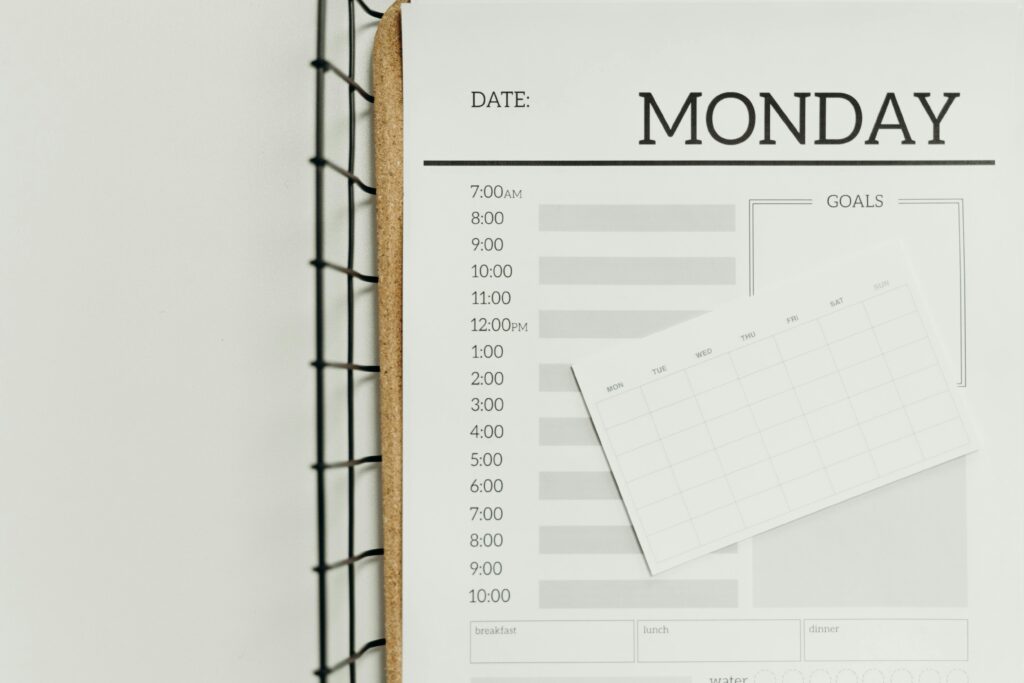
Think across semesters when you plan AP loads. (Hansen).
Early exposure to challenging courses can ease later AP work. (Lee).
Spread heavy courses across different terms when possible. (Hanover Research).
Maintain some lighter terms to sustain extracurricular commitments.
- Map AP courses across your junior and senior years. (Hansen)
- Reserve at least one semester for intense AP preparation. (Lee)
- Keep one or two lighter courses to protect study capacity. (Hanover Research)
A long-range plan helps you align AP classes with college goals and personal wellbeing. (Hansen).
What to do in the months before exams
Start structured review at least 4–8 weeks before AP exams. (College Board; Stone).
Use a mix of past papers, targeted topic review, and timed practice.
Prioritize weak areas but keep regular, short practice on stronger topics. (Stone).
Sleep, nutrition, and movement support attention during concentrated study times. (Stanford Challenge Success).
- Build a 6-week review calendar with daily focused tasks. (Stone)
- Do at least one full timed practice exam under test conditions. (College Board)
- Use teacher feedback to refine free-response practice. (Rodriguez et al.)
These steps help you apply AP study skills under real testing circumstances. (Stone).
Turning AP knowledge into habits that help you succeed
Build routines that make AP work manageable

You do not succeed in AP classes by cramming once in a while.
You succeed by building routines that fit your real school days. (Stone)
Learning how AP classes work helps you plan smarter, not harder.
Routines reduce stress and free mental space for deeper learning.
Strong routines support AP study skills and help you stay consistent.
Consistency matters more than intensity across a long semester. (Stone)
You can start small and still see progress.
Daily structure helps you handle reading, homework, and review.
- Set a fixed study start time on school nights.
- Break AP work into short, focused sessions.
- End each session with a quick review note.
When routines repeat, your workload feels more predictable.
That predictability supports focus during busy weeks. (Stone)
Balance effort, rest, and expectations
Many students overwork when they first enter AP classes.
That pattern often leads to burnout rather than better results. (Stanford Challenge Success)
Balancing effort with rest helps your brain learn more effectively.
Sleep and breaks support memory and attention. (Stanford Challenge Success)
Understanding balance is part of succeeding in AP courses.
You learn when to push and when to pause.
- Aim for steady sleep on school nights.
- Take short breaks during long study sessions.
- Avoid stacking all AP homework into one night.
Rest improves how well you process complex material.
That matters in reading-heavy and writing-focused AP classes.
Reflect and adapt as AP demands increase

Your approach to AP classes should evolve over time.
What works early may need adjusting later. (Stone)
Reflection helps you spot what supports learning.
It also shows which habits drain your energy.
- Ask which study blocks felt productive.
- Notice when your focus dropped during the day.
- Pick one habit to tweak next week.
Reflection supports AP study skills naturally.
Flexibility matters as coursework and expectations grow.
Teachers, counselors, and family can support adjustments.
Sharing what you notice helps others guide you.
Quick table you can use this week
| Time block | Goal (what you gain) | Example activity |
|---|---|---|
| 20–30 min after school | Replenish focus for homework | Snack + 20-min review of today’s notes |
| 30–50 min evening block | Deep study for AP topics | Timed practice questions or write one FRQ |
| 10–15 min before bed | Consolidate memory | Quick quiz or self-explanation aloud |
| Weekly (30 min) | Plan and reflect | Update planner and note one tweak |
Use this table to structure small, repeatable habits.
Short, focused blocks beat long, unfocused sessions. (Stone)
Looking ahead: connecting AP work to future goals
Over time, AP classes shape how you learn and plan.
They prepare you for college-level expectations and independence. (College Board)
Skills gained go beyond exams and scores.
They include time management, critical thinking, and persistence.
Seeing this bigger picture helps motivation.
You understand why effort matters beyond one class.
As goals change, your strategies should change too.
That adaptability supports succeeding in AP courses long-term.
You are not defined by one score or semester.
Growth comes from learning how to respond to challenges.
With each course, you refine AP study skills that carry forward.
Those skills support learning in college and beyond. (College Board)
So as expectations rise and schedules fill,
what one habit will you adjust this week to feel more confident in your AP classes?
References
College Board. “What Is AP?” AP Students, College Board, n.d., https://apstudents.collegeboard.org/what-is-ap
Accessed 18 Jan. 2026
College Board. “AP at a Glance.” AP Central, College Board, n.d., https://apcentral.collegeboard.org/about-ap/ap-a-glance
Accessed 18 Jan. 2026
College Board. “AP Program Results: Class of 2023.” College Board, n.d., https://reports.collegeboard.org/ap-program-results/class-of-2023
Accessed 18 Jan. 2026
College Board. AP® Students in College: A Review of Key Research. AP Central, College Board, 2023, https://apcentral.collegeboard.org/media/pdf/ap-students-in-college.pdf
Accessed 18 Jan. 2026
Owen, Sean. “The Advanced Placement Program and Educational Inequality.” Education Finance and Policy, vol. 20, no. 1, 2025, https://direct.mit.edu/edfp/article/20/1/1/119172/The-Advanced-Placement-Program-and-Educational
Accessed 18 Jan. 2026
Rodriguez, A., et al. “Skin in the Game: A Policy Implementation Study of How AP Courses Are Delivered and Supported.” PubMed Central (PMC), 2021, https://pmc.ncbi.nlm.nih.gov/articles/PMC8354839/
Accessed 18 Jan. 2026
Hansen, A. L. Research Brief: Advanced Placement Course Effects and Access. ERIC, U.S. Dept. of Education, 2005, https://files.eric.ed.gov/fulltext/ED537916.pdf
Accessed 18 Jan. 2026
Lee, H. B. “Effects of Early AP Coursetaking on High School Outcomes and Postsecondary Success.” ERIC, 2025, https://files.eric.ed.gov/fulltext/EJ1463523.pdf
Accessed 18 Jan. 2026
Stanford Challenge Success. The Advanced Placement Program: Living Up To Its Promise? Stanford University, 2013, https://news.stanford.edu/wp-content/uploads/2013/03/ChallengeSuccess-AdvancedPlacement-WP.pdf
Accessed 18 Jan. 2026
National Center for Education Statistics. Condition of Education 2023. U.S. Department of Education, 2023, https://nces.ed.gov/use-work/resource-library/report/compendium/condition-education-2023
Accessed 18 Jan. 2026
Hanover Research. Best Practices for AP Programs. Hanover Research, n.d., https://www.hanoverresearch.com/media/Best-Practices-for-AP-Programs.pdf
Accessed 18 Jan. 2026
Stone, Alison. “Science-Backed Studying Techniques.” Edutopia, 23 Dec. 2024, https://www.edutopia.org/article/teaching-high-school-students-study/
Accessed 18 Jan. 2026


Pingback: Understanding Homer’s Classes: A Comprehensive Guide
Pingback: Understanding the Different Types of School Classes: A Comprehensive Guide