Effective Strategies to Improve Cognitive Function for School Success
You close your locker, your backpack is heavy with notes, and you wonder how to do more than just get by.
You want clearer thinking during class, better focus while studying, and higher-quality recall on tests. (Dunlosky et al.)
That’s where improving cognitive function for school success matters most to you.
Small changes in sleep, movement, and study habits can make thinking feel easier. (Centers for Disease Control and Prevention)
Quick checklist — what you can start this week:
- Pick one brain health habit like a regular sleep schedule. (National Sleep Foundation)
- Try one healthy study routine: a 45-minute study sprint plus a short review. (Dunlosky et al.)
- Record one small improvement: better focus, fewer re-reads, or faster recall. (Harvard Health Publishing)
7 Evidence-Based Strategies to Improve cognitive function for school success
- Prioritize consistent, sufficient sleep
- Fuel your brain with consistent, balanced meals
- Move your body to sharpen thinking
- Practice retrieval and self-testing often
- Space and mix your practice (spaced practice & interleaving)
- Reduce distractions and build focused study blocks
- Use metacognitive routines: plan, monitor, and adjust
Strategy 1 — Prioritize consistent, sufficient sleep

Sleep supports memory consolidation and focus. (Centers for Disease Control and Prevention)
Aim for a regular bedtime that lets you wake without an alarm when possible. (National Sleep Foundation)
- Keep a fixed sleep schedule even on weekends to stabilize alertness. (National Sleep Foundation)
- Wind down 30–60 minutes before bed with low-stimulation activities. (National Sleep Foundation)
- Track how you feel after different sleep lengths and adjust your routine. (Centers for Disease Control and Prevention)
Why this helps: better sleep makes studying more efficient and improves recall. (Dunlosky et al.; NIMH)
Strategy 2 — Fuel your brain with consistent, balanced meals
What you eat affects attention and executive control. (Cohen et al.; Lundqvist et al.)
A simple breakfast with protein and whole grains supports morning focus. (Lundqvist et al.)
- Aim for regular meals and a nourishing breakfast on school days. (Lundqvist et al.)
- Include whole foods, lean protein, and fruits or vegetables when possible. (Cohen et al.)
- Avoid heavy, sugary meals right before testing or focused study. (Harvard Health Publishing)
Why this helps: steady fuel reduces brain fog and supports brain health habits while studying. (Cohen et al.)
Strategy 3 — Move your body to sharpen thinking

Short bouts of exercise raise attention and working memory. (Donnelly et al.; Harvard Health Publishing)
Even a brisk 10–20 minute walk can improve next-task focus. (Harvard Health Publishing)
- Schedule 15–30 minutes of moderate activity most days to clear mental clutter. (Donnelly et al.)
- Use short activity breaks between study sprints to reset attention. (Harvard Health Publishing)
- Try quick aerobic warm-ups before intense study sessions or exams. (Donnelly et al.)
Why this helps: physical activity supports brain blood flow and learning efficiency. (Donnelly et al.)
Strategy 4 — Practice retrieval and self-testing often
Testing yourself boosts long-term retention more than rereading. (Roediger and Karpicke; Dunlosky et al.)
Turn notes into quick quizzes you can answer from memory. (Dunlosky et al.)
- Create short, targeted practice questions after each study block. (Roediger and Karpicke)
- Use flashcards or free-recall prompts rather than passive review. (Dunlosky et al.)
- Mix question types and check answers immediately, then note gaps. (Roediger and Karpicke)
Why this helps: retrieval practice strengthens memory pathways and improves exam performance. (Roediger and Karpicke)
Strategy 5 — Space and mix your practice (spaced practice & interleaving)

Instead of one long cram, spread shorter reviews over days. (Dunlosky et al.)
Mix related topics in a session to deepen understanding and transfer. (Dunlosky et al.)
- Plan brief reviews on multiple days rather than a single marathon. (Dunlosky et al.)
- Alternate practice between topics to force comparison and stronger learning. (Dunlosky et al.)
- Track progress by noting which topics need more frequent review. (Dunlosky et al.)
Why this helps: spaced and mixed practice increases long-term retention and study performance skills. (Dunlosky et al.)
Strategy 6 — Reduce distractions; build focused study blocks
You think better when you protect uninterrupted time. (Dunlosky et al.; APA)
Aim for 45–60 minute focused sessions, followed by short breaks. (Dunlosky et al.)
- Turn off nonessential notifications or use a focus app during sprints. (APA)
- Create a clear study space with needed materials only. (Dunlosky et al.)
- Use the first five minutes to set a micro-goal for the block. (Dunlosky et al.)
Why this helps: fewer interruptions increase how much useful work you finish. (Dunlosky et al.)
Strategy 7 — Use metacognitive routines: plan, monitor, and adjust

Think about how you study as part of studying itself. (Dunlosky et al.)
Check what works and swap strategies when progress stalls. (Dunlosky et al.; NIMH)
- Start each session by writing a clear objective and one success metric. (Dunlosky et al.)
- After study, briefly note what improved and what still confuses you. (Dunlosky et al.)
- Use those notes to shape your next study session and healthy study routines. (Dunlosky et al.)
Why this helps: metacognition makes your effort smarter, not just harder. (Dunlosky et al.)
Quick synthesis — combine strategies into a single day
Pick two small habits to test together: sleep schedule and a focused study sprint. (National Sleep Foundation; Dunlosky et al.)
Add a short walk between blocks and one retrieval practice set. (Harvard Health Publishing; Roediger and Karpicke)
- Morning: nourishing breakfast and a 20–30 minute review quiz. (Lundqvist et al.; Roediger and Karpicke)
- Midday: short workout and a focused homework sprint. (Donnelly et al.; APA)
- Evening: wind-down routine and brief reflection on what stuck. (National Sleep Foundation; Dunlosky et al.)
Why this helps: small, aligned changes make cognitive function for school success feel manageable. (Dunlosky et al.; CDC)
Each strategy above links to research-backed ideas you can try this week.
Pick one strategy to focus on for three days, then add another. (Dunlosky et al.; Donnelly et al.)
Put strategies into a plan you can keep
Daily action plan: small steps, big returns
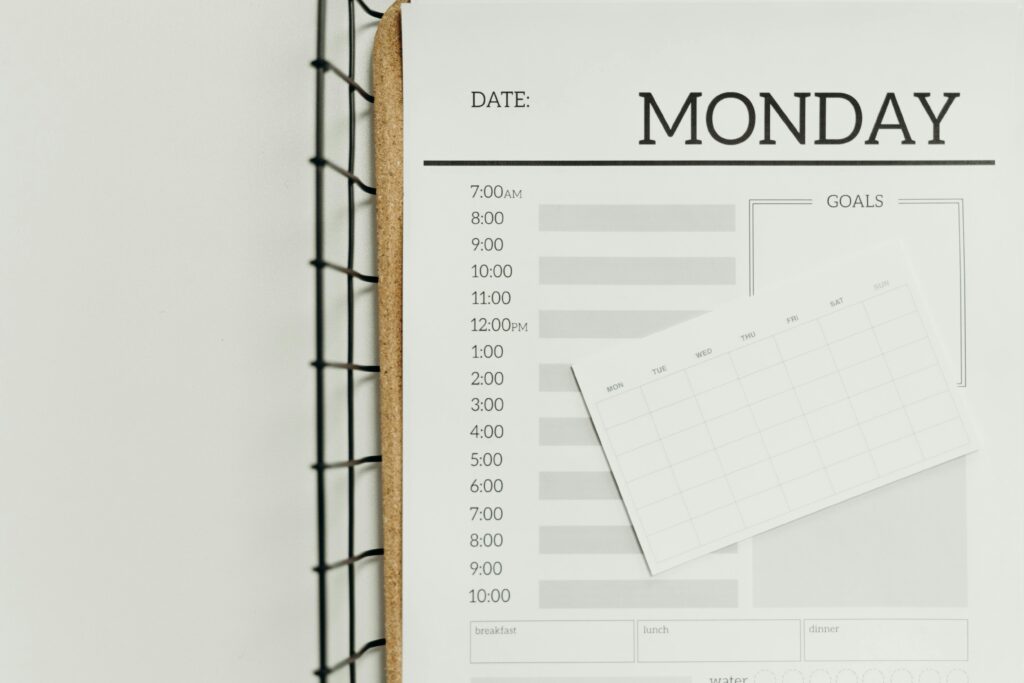
Start with tiny, repeatable moves you can do every day.
A short routine is easier to keep than a long list. (Dunlosky et al.)
- Morning: eat a simple protein-rich breakfast and review two notes. (Lundqvist et al.)
- Midday: do a 15–20 minute brisk walk or brief cardio break. (Donnelly et al.; Harvard Health)
- Evening: spend one focused 45–60 minute study block using retrieval practice. (Roediger and Karpicke; Dunlosky et al.)
Why this helps: these moves support cognitive function for school success by stabilizing focus and memory. (Dunlosky et al.)
Keeping the actions short makes it easier to repeat them daily. (National Sleep Foundation)
Turn feedback and reflection into real gains
Use feedback to plan one small change at a time.
Reflection helps you learn how you learn. (Dunlosky et al.)
- After each assignment, write one sentence about what worked and one about what didn’t. (Dunlosky et al.)
- Track which study method helped you remember most: retrieval, spaced reviews, or interleaving. (Roediger and Karpicke; Dunlosky et al.)
- Adjust your next session based on that note, not on guesswork.
Why this helps: deliberate tweaks grow your cognitive function for school success over weeks. (Dunlosky et al.)
You’ll see clearer progress when you pair practice with quick reflection. (Dunlosky et al.)
Keep going without burning out

Balance matters: you want steady progress without exhaustion. (CDC; National Sleep Foundation)
Sleep, movement, and simple meals protect mental energy. (Cohen et al.; Harvard Health)
Start by protecting sleep.
A consistent bedtime and wake time make your study work more efficient. (CDC; National Sleep Foundation)
When you sleep better, your ability to use study time improves and your cognitive function for school success becomes more reliable. (Dunlosky et al.)
Add movement as a reset.
Short exercise clears attention and primes your brain for recall. (Donnelly et al.; Harvard Health)
That quick reset helps you return to work with less wasted time.
Use food as steady fuel.
Include protein, whole grains, and fruit for longer attention spans. (Lundqvist et al.; Cohen et al.)
Small changes here support your cognitive function for school success without complicated meal plans.
Weekly checklist to keep you on track
Make one short checklist you visit each week.
This keeps practice simple and visible.
- Did you log sleep times and note changes in focus? (CDC; National Sleep Foundation)
- Did you do at least three focused study blocks with self-testing? (Roediger and Karpicke; Dunlosky et al.)
- Did you take short daily movement breaks? (Donnelly et al.)
If the answer is “no” for one item, choose one tiny swap for next week.
Small, manageable changes are better than dramatic resets.
Final nudge: try this for four weeks
Commit to the same two habits for four weeks: a consistent sleep window and three retrieval practice blocks per week. (National Sleep Foundation; Roediger and Karpicke)
Track one clear result: faster recall, fewer re-reads, or steadier attention. (Dunlosky et al.)
When you repeat these habits, your cognitive function for school success is more likely to improve steadily. (Dunlosky et.)
Which two habits will you start this week to boost your cognitive function for school success?
References
Dunlosky, John, et al. “Improving Students’ Learning With Effective Learning Techniques: Promising Directions From Cognitive and Educational Psychology.” Psychological Science in the Public Interest, vol. 14, no. 1, 2013, pp. 4–58. PubMed, https://pubmed.ncbi.nlm.nih.gov/26173288/
Accessed 22 Jan. 2026
Centers for Disease Control and Prevention. “FastStats: Sleep in High School Students.” CDC, 15 May 2024, https://www.cdc.gov/sleep/data-research/facts-stats/high-school-students-sleep-facts-and-stats.html
Accessed 22 Jan. 2026
National Institute of Mental Health. “The Teen Brain: 7 Things to Know.” NIMH, https://www.nimh.nih.gov/health/publications/the-teen-brain-7-things-to-know
Accessed 22 Jan. 2026
Roediger, Henry L., III, and Jeffrey D. Karpicke. “The Power of Testing Memory: Basic Research and Implications for Educational Practice.” Perspectives on Psychological Science, vol. 1, no. 3, Sept. 2006, pp. 181–210. PubMed, https://pubmed.ncbi.nlm.nih.gov/26151629/
Accessed 22 Jan. 2026
Lundqvist, M., et al. “Effects of Eating Breakfast on Children and Adolescents’ Cognitive Performance: A Systematic Review.” Nutrients, 2019 (review available at PubMed Central), https://www.ncbi.nlm.nih.gov/pmc/articles/PMC6744840/
Accessed 22 Jan. 2026
Donnelly, Joseph E., et al. “Physical Activity, Fitness, Cognitive Function, and Academic Achievement in Children: A Systematic Review.” Preventive Medicine, 2016, https://www.ncbi.nlm.nih.gov/pmc/articles/PMC4874515/
Accessed 22 Jan. 2026
Harvard Health Publishing. “Exercise Can Boost Your Memory and Thinking Skills.” Harvard Health, 26 Aug. 2024, https://www.health.harvard.edu/mind-and-mood/exercise-can-boost-your-memory-and-thinking-skills
Accessed 22 Jan. 2026
National Sleep Foundation. “Teens and Sleep.” National Sleep Foundation, https://www.sleepfoundation.org/teens-and-sleep
Accessed 22 Jan. 2026
National Sleep Foundation. Sleep in America® Poll 2024 (Report), 2024, https://www.thensf.org/wp-content/uploads/2024/03/NSF-Sleep-in-America-2024-Report_final.pdf
Accessed 22 Jan. 2026
Cohen, J. F. W., et al. “The Effect of Healthy Dietary Consumption on Executive Cognitive Functioning in Children and Adolescents: A Systematic Review.” British Journal of Nutrition, Cambridge University Press, 2016, https://www.cambridge.org/core/journals/british-journal-of-nutrition/article/effect-of-healthy-dietary-consumption-on-executive-cognitive-functioning-in-children-and-adolescents-a-systematic-review/5B4903E20D46E00D57E29FD7A6BEDB41
Accessed 22 Jan. 2026
American Psychological Association. “Exercise and Fitness: How Physical Activity Helps Brain Function.” APA, https://www.apa.org/topics/exercise-fitness
Accessed 22 Jan. 2026