
How to Make Friends in School: Effective Tips for Building New Relationships

You walk into your new school, scanning every room for an person you can talk to. Your palms are sweaty, your stomach churns, and everyone seems to already have their established friend groups. Sound familiar?
Making friends in school doesn’t have to feel impossible, even when social anxiety makes every interaction feel impossible. This guide is designed for students like you who want to build connections but aren’t sure where to begin.
Overcoming Social Anxiety and Build Confidence
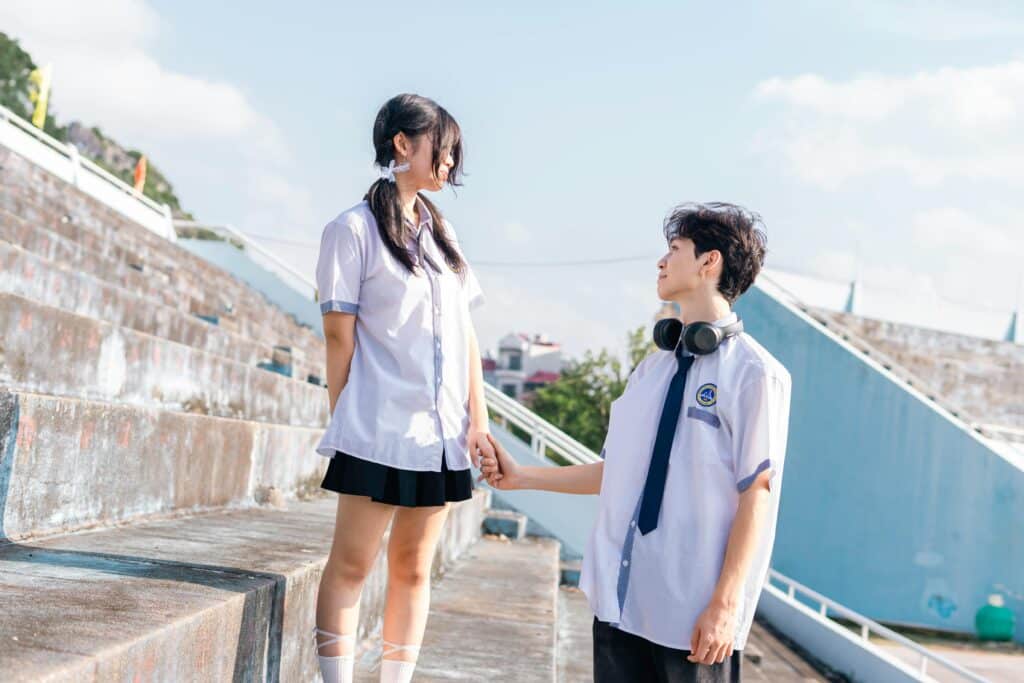
Social anxiety affects about 9% of adolescents, which makes school friendships particularly challenging to create. You might experience physical symptoms like nausea, trembling, or difficulty speaking when interacting with others. The importance of friendship becomes even more significant when you’re navigating these overwhelming feelings in public.
Practice Positive Self-Talk Before Social Interactions
Your internal dialogue shapes your confidence in social situations. Instead of focusing on potential judgment, remind yourself that most students feel uncertain about making friends too. Replace thoughts like “everyone will think I’m weird” with “I’m learning to connect with others”
Key positive self-talk strategies:
• Reframe social interactions as information gathering rather than performance situations
• Remind yourself that small talk serves as a low-pressure way to test connection potential
• Focus on learning about others instead of trying to be the most interesting person
Before approaching someone, practice affirming statements about your worth and social abilities. Remember that the importance of friendship lies in authentic connections, not perfect conversations. Your genuine interest in others matters more than flawless social performance.
Setting Realistic Friendship Goals for Yourself
meaningful friendships is one of the reasons that proves The importance of friendship. It takes a full semester or longer in school environments. You don’t need to instantly connect with everyone you meet or have a large friend group. Quality friendships matter more than quantity when managing social anxiety.
Start with manageable objectives like having one brief conversation per day or joining a single club that aligns with your interests. These small steps help you practice social skills in supportive environments without overwhelming pressure.
Realistic friendship milestones:
• Focus on one or two people at a time in low-pressure settings
• Aim for consistent friendly interactions rather than immediate deep connections
• Remember that repeated positive interactions naturally develop into lasting friendships over time
The importance of friendship becomes clearer when you approach relationship-building gradually. Set weekly goals like participating in one class discussion or staying after class to chat briefly with a classmate, allowing yourself time to build confidence naturally.
Mastering the Art of Starting Conversations

Now that we’ve covered building confidence, conversation starters becomes your next step. Starting meaningful conversations with potential friends requires knowing how to introduce yourself properly. Discover how genuine connections form when you move beyond cliché starters.
Ask Open-Ended Questions About Shared Experiences
Transform basic exchanges into meaningful dialogues by asking questions that encourage detailed responses. Instead of “How’s school?” try “What’s something you learned that surprised you recently?” These thoughtful inquiries demonstrate the importance of friendship through genuine interest in others’ experiences.
Shared experiences create instant connection points with classmates. Ask about recent school events, challenging assignments, or memorable classroom moments. Questions like “What was the most interesting part of today’s science experiment?” invite deeper conversation than simple yes-or-no responses.
Key conversation starters for shared experiences:
• “What’s been the most challenging part of this semester for you?”
• “Which teacher has surprised you the most this year, and why?”
• “What’s your take on the new cafeteria menu changes we’ve all been experiencing?”
Use Current Events and Classroom Topics as Icebreakers

Current events and classroom discussions provide excellent conversation foundations. Reference recent news stories, school announcements, or trending topics that resonate with your age group. This approach shows you’re engaged with the world around you while the importance of friendship becomes evident through shared interests.
Classroom topics offer natural conversation bridges. Discuss recent assignments, upcoming projects, or interesting lectures. These subjects provide common ground while demonstrating academic engagement and creating opportunities for study partnerships or collaborative learning experiences.
Effective classroom-based conversation starters:
• “What did you think about today’s history discussion on [specific topic]?”
• “Have you started working on the English project due next week?”
Give Genuine Compliments to Break the Ice
Authentic compliments create positive first impressions and open doors to further conversation. Notice specific details about someone’s achievements, style choices, or contributions to class discussions. Genuine praise demonstrates the importance of friendship by showing you value and observe others’ positive qualities.
Focus on meaningful compliments rather than superficial observations. Acknowledge academic achievements, creative projects, or helpful behaviors. Statements like “Your presentation on environmental science was really thought-provoking” show genuine attention and appreciation for others’ efforts and talents.
Guidelines for giving effective compliments:
• Be specific about what impressed you rather than offering generic praise
• Focus on achievements, skills, or positive actions rather than appearance alone
• Follow up compliments with related questions to continue the conversation naturally
| Conversation Type | Example Starter | Follow-up Question |
|---|---|---|
| Shared Experience | “That math test was challenging!” | “Which problems gave you the most trouble?” |
| Current Events | “Did you hear about the school’s new robotics program?” | “Are you thinking about joining any new activities?” |
| Genuine Compliment | “Your art project was incredibly creative!” | “How long did it take you to complete?” |
Finding Your Tribe Through Shared Interests

Now that we have covered how to build confidence, it’s time to explore how shared interests can create meaningful connections. The importance of friendship becomes evident when you scope out people who genuinely share your passions, and you find a personal circle that brings joy to you.
Join Clubs and Extracurricular Activities That Match Your Hobbies
Joining clubs offers the most effective pathway to meeting like-minded peers who share your interests. Whether you love art, drama, or sports, these activities naturally bring together students with similar passions and goals.
Key Benefits of Club Participation:
• Connect with peers who share genuine interests and hobbies
• Develop new skills while building lasting friendships
• Gain competitive advantages for college applications
| Activity Type | Social Benefits | Skill Development |
|---|---|---|
| Art Club | Creative collaboration | Artistic techniques |
| Drama Club | Teamwork & performance | Public speaking |
| Sports Teams | Physical bonding | Athletic abilities |
Club membership provides structured environments where conversations flow naturally around shared activities. You’ll find that discussing common interests eliminates awkward small talk and creates deeper connections immediately.
Attend School Events and Social Gatherings
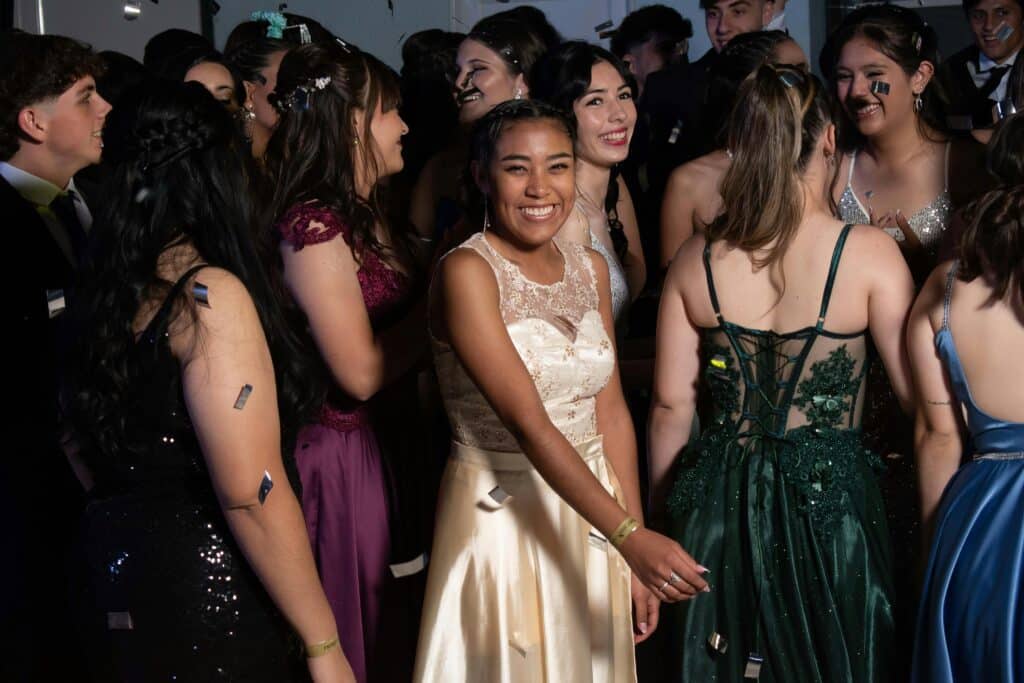
School events like dances, concerts, and sports games provide excellent opportunities to meet diverse groups of students outside regular classroom settings. These gatherings create relaxed atmospheres perfect for natural conversations.
Essential School Events to Attend:
• Dances and social events for casual interactions
• Sports games to show school spirit and connect
• Volunteer projects to bond over meaningful causes
| Event Type | Best For | Interaction Style |
|---|---|---|
| Dances | Casual conversations | Relaxed social mixing |
| Sports Games | School spirit | Group enthusiasm |
| Volunteer Projects | Meaningful connections | Collaborative teamwork |
The importance of friendship shines through these shared experiences that create lasting memories. Attending events consistently shows your commitment to school community and opens doors to unexpected friendships.
Explore New Activities to Meet Diverse Groups of People
Stepping outside your comfort zone by trying new activities expands your social circle beyond typical friend groups. This approach introduces you to students you might never meet otherwise.
Strategies for Exploring New Activities:
• Take electives in unfamiliar subjects to meet different peers
• Participate in group projects across various classes
• Join multiple activities simultaneously for broader connections
| Strategy | Diversity Benefit | Connection Quality |
|---|---|---|
| New Electives | Different academic interests | Intellectual bonding |
| Group Projects | Cross-class mixing | Collaborative relationships |
| Multiple Activities | Varied social circles | Broader network |
Career-focused activities and group projects provide natural conversation starters while working toward common goals. The importance of friendship becomes clear when these diverse connections enrich your school experience with different perspectives and interests.
Exploring various activities helps you discover hidden talents and interests while meeting students who can become lifelong friends. Remember that meaningful friendships often develop in unexpected places when you remain open to new experiences.
Developing Essential Social Skills for Lasting Friendships

Now that we’ve covered finding your group, developing essential social skills becomes crucial for maintaining or eveb startinf meaningful connections. The importance of friendship lies in mastering these fundamental abilities that transform casual friendships into meaningful and lasting bonds.
Practice Active Listening and Show Genuine Interest in Others
Active listening forms the foundation of all strong friendships. When you truly focus on what others are saying, you demonstrate respect and build deeper connections.
Take turns talking and listening during conversations. Know when it’s time to stop speaking and when discussions naturally conclude. This balanced approach shows you value others’ thoughts equally.
Key Active Listening Skills:
• Focus completely on the speaker without planning your response
• Ask follow-up questions that show you’re engaged and interested
• Remember details from previous conversations to reference later
Practice conversation starters and understand what comes in the middle of discussions. Learn how to close conversations gracefully while leaving others feeling heard and valued.
| Active Listening Behaviors | Benefits |
|---|---|
| Maintaining eye contact | Shows respect and attention |
| Asking clarifying questions | Demonstrates genuine interest |
| Remembering shared details | Builds trust and connection |
Learn to Read Social Cues and Respond Appropriately

Understanding social cues prevents misunderstandings and strengthens relationships. These nonverbal signals guide how you should respond in different social situations.
The importance of friendship becomes evident when you master reading body language and verbal tones. Social skills training helps you recognize these important communication signals.
Learn to identify when someone feels comfortable or overwhelmed. Look for clues in their posture, facial expressions, and speech patterns to gauge their emotional state.
Essential Social Cues to Recognize:
• Body language that indicates interest or discomfort
• Verbal tone changes that signal different emotions
• Facial expressions that reveal true feelings
Social communication may look different for various individuals. Some people find eye contact overwhelming, so learn flexible communication approaches that work for everyone.
| Social Cue Type | What to Look For | Appropriate Response |
|---|---|---|
| Discomfort | Crossed arms, looking away | Give space, change topic |
| Interest | Leaning in, asking questions | Continue engaging conversation |
Master the Balance Between Sharing and Asking Questions
Successful conversations require equal sharing and questioning. You need to know how much to reveal about yourself while showing interest in others.
Understanding different friendship levels helps determine appropriate sharing amounts. Acquaintances receive basic information, while close friends deserve deeper personal details and trust.
Conversation Balance Strategies:
• Share one personal detail, then ask about theirs
• Match their level of openness with similar vulnerability
• Avoid overwhelming new friends with too much information
The importance of friendship shows in learning when to confide safely. Ask yourself whether someone can be depended upon before sharing sensitive information.
| Friendship Level | Appropriate Sharing | Question Types |
|---|---|---|
| Acquaintance | Basic interests, activities | Surface-level preferences |
| Close Friend | Personal challenges, goals | Deeper emotional topics |
Respect Boundaries and Give People Space When Needed
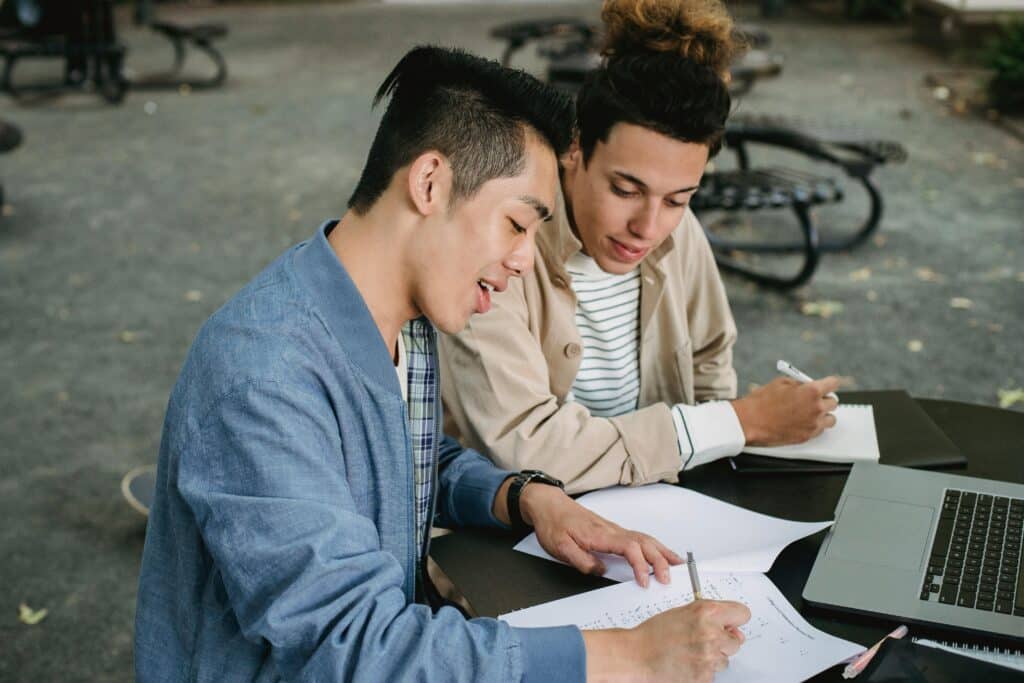
Recognizing when friends need space protects relationships from becoming overwhelming. Everyone requires different amounts of social interaction to feel comfortable and respected.
Learn to identify signs that someone needs breathing room. Respect their communication preferences and don’t take temporary distance personally during stressful periods.
The importance of friendship includes understanding that healthy relationships require mutual respect for individual needs and personal boundaries everyone establishes.
Boundary Respect Guidelines:
• Accept when friends decline invitations without pressure
• Recognize different communication styles and preferences
• Allow natural pauses in contact without forcing interaction
Practice responding appropriately when friends need space. This demonstrates maturity and consideration that strengthens trust and long-term friendship stability over time.
Conclusion
Making friends in school requires intentional effort and patience. Remember that developing meaningful relationships takes time, and everyone feels anxious about social interactions at first. Your childhood friendships didn’t develop overnight, and neither will your school or even past school friendships.
Start by overcoming social barriers with these steps. Practice conversation skills, join clubs that match your interests, and engage with classmates in common areas. Building self-awareness and social skills will help you form authentic connections.
The rewards of strong friendships are almost always worth the initial discomfort. People with good social support systems experience less loneliness and find life’s challenges easier to navigate. Set an intention to be more social and follow through consistently.
What small step will you take today to start building new friendships at school?
References
Anxiety and Depression Association of America (ADAA). (n.d.). Social anxiety disorder in adolescents. Retrieved from https://adaa.org
Merikangas, K. R., He, J. P., Burstein, M., Swanson, S. A., Avenevoli, S., Cui, L., Benjet, C., Georgiades, K., & Swendsen, J. (2010). Lifetime prevalence of mental disorders in U.S. adolescents: Results from the National Comorbidity Survey Replication–Adolescent Supplement (NCS-A). Journal of the American Academy of Child & Adolescent Psychiatry, 49(10), 980-989. https://doi.org/10.1016/j.jaac.2010.05.017
National Institute of Mental Health (NIMH). (2022). Social anxiety disorder: More than just shyness. U.S. Department of Health and Human Services. https://www.nimh.nih.gov/health/publications/social-anxiety-disorder-more-than-just-shyness
Hartup, W. W., & Stevens, N. (1997). Friendships and adaptation in the life course. Psychological Bulletin, 121(3), 355-370. https://doi.org/10.1037/0033-2909.121.3.355
Rubin, K. H., Bukowski, W. M., & Parker, J. G. (2006). Peer interactions, relationships, and groups. In N. Eisenberg, W. Damon, & R. M. Lerner (Eds.), Handbook of child psychology: Social, emotional, and personality development (6th ed., Vol. 3, pp. 571-645). John Wiley & Sons.
Sullivan, H. S. (1953). The interpersonal theory of psychiatry. W.W. Norton & Company.
Gresham, F. M., & Elliott, S. N. (2008). Social skills improvement system: Rating scales manual. Pearson Assessments.
Spitzberg, B. H., & Cupach, W. R. (1984). Interpersonal communication competence. Sage Publications.
Segrin, C., & Givertz, M. (2003). Methods of social skills training and development. In J. O. Greene & B. R. Burleson (Eds.), Handbook of communication and social interaction skills (pp. 135-176). Lawrence Erlbaum Associates.
Weger, H., Castle Bell, G., Minei, E. M., & Robinson, M. C. (2014). The relative effectiveness of active listening in initial interactions. International Journal of Listening, 28(1), 13-31. https://doi.org/10.1080/10904018.2013.813234
Bodie, G. D. (2011). The active-empathic listening scale (AELS): Conceptualization and evidence of validity within the interpersonal domain. Communication Quarterly, 59(3), 277-295. https://doi.org/10.1080/01463373.2011.583495
Hall, J. A., Horgan, T. G., & Murphy, N. A. (2019). Nonverbal communication. Annual Review of Psychology, 70, 271-294. https://doi.org/10.1146/annurev-psych-010418-103145
Knapp, M. L., Hall, J. A., & Horgan, T. G. (2013). Nonverbal communication in human interaction (8th ed.). Cengage Learning.
Mahoney, J. L., Cairns, B. D., & Farmer, T. W. (2003). Promoting interpersonal competence and educational success through extracurricular activity participation. Journal of Educational Psychology, 95(2), 409-418. https://doi.org/10.1037/0022-0663.95.2.409
Fredricks, J. A., & Eccles, J. S. (2006). Is extracurricular participation associated with beneficial outcomes? Concurrent and longitudinal relations. Developmental Psychology, 42(4), 698-713. https://doi.org/10.1037/0012-1649.42.4.698
Darling, N., Caldwell, L. L., & Smith, R. (2005). Participation in school-based extracurricular activities and adolescent adjustment. Journal of Leisure Research, 37(1), 51-76. https://doi.org/10.1080/00222216.2005.11950040
Umberson, D., & Montez, J. K. (2010). Social relationships and health: A flashpoint for health policy. Journal of Health and Social Behavior, 51(S), S54-S66. https://doi.org/10.1177/0022146510383501
Holt-Lunstad, J., Smith, T. B., & Layton, J. B. (2010). Social relationships and mortality risk: A meta-analytic review. PLoS Medicine, 7(7), e1000316. https://doi.org/10.1371/journal.pmed.1000316
Cohen, S., & Wills, T. A. (1985). Stress, social support, and the buffering hypothesis. Psychological Bulletin, 98(2), 310-357. https://doi.org/10.1037/0033-2909.98.2.310
Beck, A. T., & Beck, J. S. (2011). Cognitive behavior therapy: Basics and beyond (2nd ed.). Guilford Press.
Meichenbaum, D. (1977). Cognitive-behavior modification: An integrative approach. Plenum Press.
Ellis, A., & Harper, R. A. (1975). A new guide to rational living. Wilshire Book Company.
Heinrich, L. M., & Gullone, E. (2006). The clinical significance of loneliness: A literature review. Clinical Psychology Review, 26(6), 695-718. https://doi.org/10.1016/j.cpr.2006.04.002
Cacioppo, J. T., & Patrick, W. (2008). Loneliness: Human nature and the need for social connection. W.W. Norton & Company.
Cloud, H., & Townsend, J. (1992). Boundaries: When to say yes, how to say no to take control of your life. Zondervan.
Lerner, H. (2012). The dance of intimacy: A woman’s guide to courageous acts of change in key relationships. Harper Perennial.
Berndt, T. J. (1982). The features and effects of friendship in early adolescence. Child Development, 53(6), 1447-1460. https://doi.org/10.2307/1130071
Aikins, J. W., Bierman, K. L., & Parker, J. G. (2005). Navigating the transition to junior high school: The influence of pre-transition friendship and self-system characteristics. Social Development, 14(1), 42-60. https://doi.org/10.1111/j.1467-9507.2005.00290.x
Dunbar, N. E., Brooks, C. F., & Kubicka-Miller, T. (2006). Oral communication skills in higher education: Using a performance-based evaluation rubric to assess communication skills. Innovative Higher Education, 31(2), 115-128. https://doi.org/10.1007/s10755-006-9012-x
Berger, C. R., & Calabrese, R. J. (1975). Some explorations in initial interaction and beyond: Toward a developmental theory of interpersonal communication. Human Communication Research, 1(2), 99-112. https://doi.org/10.1111/j.1468-2958.1975.tb00258.x
Pingback: Unlock Remarkable Online Learning Benefits: Master Your Classes
Pingback: Key Extracurricular Activities Benefits for Student Success
Pingback: Weight Loss Tips: Empower Your Journey to Success
Pingback: Mastering Student Mental Health: Mind-Blowing Strategies for Wellness
Pingback: Navigate Your School Layout with Surefire Confidence!
Pingback: Embrace New Beginnings: High School to College Transition
Pingback: Support System for Students: Tips for Building Strong Connections
Pingback: Unlocking the Miracle of Self-Confidence in Education
Pingback: Healing from Heartbreak: Embrace Resilience and Hope
Pingback: Are Learning Styles a Cool Thing? What Science Says to Kids and Adults
Pingback: Bold Strategies to Combat Academic Stress: Causes and Solutions
Thank you for your sharing. I am worried that I lack creative ideas. It is your article that makes me full of hope. Thank you.