The Rise of Remote Learning and Its Effects: Impacts, Challenges, and the Future
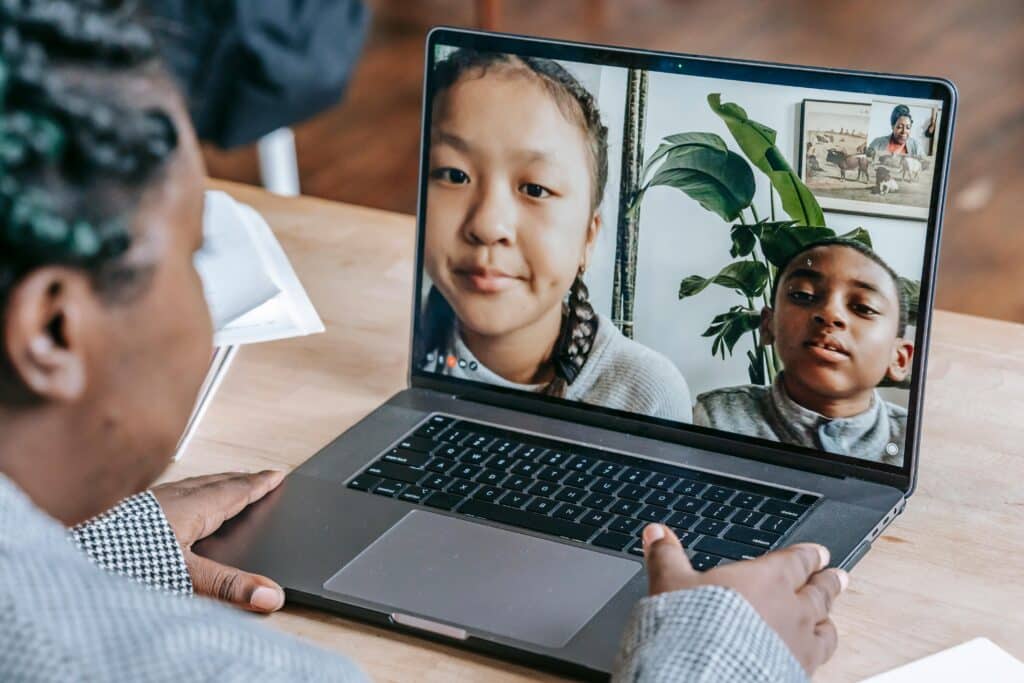
Remote learning’s changed how we learn and totally upended how schools operate. Suddenly, classrooms are in your living room, and your device is the teacher’s desk.
What started as a quick fix in a crisis keeps evolving; now schools tinker with pacing, assessment, and how you get access.
Key Takeaways
- Remote learning gave more people access and boosted digital skills.
- Students often lost focus, dropped engagement, and skipped more classes.
- Schools keep tweaking tech and routines to balance gains with mental health.
The Evolution and Adoption of Remote Learning
Remote learning’s come a long way from snail mail and radio lessons to video calls and full online schools. It’s not just about the tech; it’s how and why schools, colleges, and companies use it now.
Defining Remote Learning and Its Modalities
Remote learning means you and your teacher aren’t in the same place or maybe even the same time. It covers everything from full-time virtual schools to part-time online classes, hybrids, and those real-time video lessons.
Some classes run live on Zoom or Teams, while others let you log in whenever you want—think Moodle or Google Classroom. There’s also microlearning, pre-recorded lectures, and adaptive modules that change based on how you’re doing.
- Remote learning isn’t just “online school”—it’s a spectrum from hybrid to fully virtual.
- Live (synchronous) and self-paced (asynchronous) setups each have pros and cons.
- Good remote programs plan courses, pick the right tools, and set clear goals.
Drivers of Remote Learning Adoption

Why did remote learning explode? Mostly, it’s about access, flexibility, and reacting to emergencies. Rural students or those with tough schedules get a shot, and colleges reach adults and folks across the globe.
Cheaper tech and faster internet made it possible. COVID-19 forced schools to go remote overnight, and suddenly, everyone had to figure out digital tools. Funding and policies nudged schools to buy devices and learning platforms, too.
- Remote learning opens doors for students who can’t attend in person.
- Pandemic closures made remote tech a must-have, not a nice-to-have.
- Online certificates and digital skills now matter for jobs and college.
Key Technologies and Platforms in Remote Education
Every remote learner bumps into the same core tools. LMS platforms like Canvas, Moodle, or Google Classroom organize everything—assignments, grades, and resources.
Live classes use Zoom, Teams, or Google Meet for video and group work. Add-ons like quizzes, polls, and discussion boards keep things interactive. Schools blend these with apps for labs, practice, and feedback.
- Reliable devices and internet make or break remote learning.
- Security features matter—nobody wants their data leaked.
- Easy-to-use platforms with good analytics help teachers and students stay on track.
| Remote Learning Era | Main Tools |
|---|---|
| Pre-Internet | Mail, TV, radio |
| Early 2000s | LMS, email, forums |
| Today | Zoom, Teams, adaptive apps |
Academic Impact and Student Engagement
Remote learning messes with how you learn, how teachers grade, and What keeps you motivated? It’s not all good or bad; it depends on the class, the tools, and honestly, your own habits.
Student Performance and Learning Outcomes
Results are all over the place. Some students get better test scores in online lectures—pausing and rewinding helps. But hands-on stuff, like labs, tends to suffer when it’s remote.
Short videos, clear goals, and regular low-pressure quizzes help you learn more. Blended classes (online plus in-person labs) usually protect your grades and skills better than just online or just in-person.
- Online courses can boost scores for some, but not for hands-on subjects.
- Frequent quizzes and clear rubrics help keep you on track.
- Blended formats often give the best of both worlds.
Student Engagement and Motivation in Online Environments
It’s tough to stay motivated online. Missing out on casual chats and group work can leave you feeling isolated. Live classes and group projects help, but it’s not quite the same.
Breakout rooms, peer reviews, and even silly things like leaderboards can keep people engaged—at least for a bit. The platform’s design matters, too. If it’s clunky, you’ll probably tune out.
- Peer interaction and group work boost engagement.
- Gamification works…sometimes, but only if it ties to real learning.
- Good interfaces make it easier to stay involved.
Comparing Remote and Face-to-Face Teaching
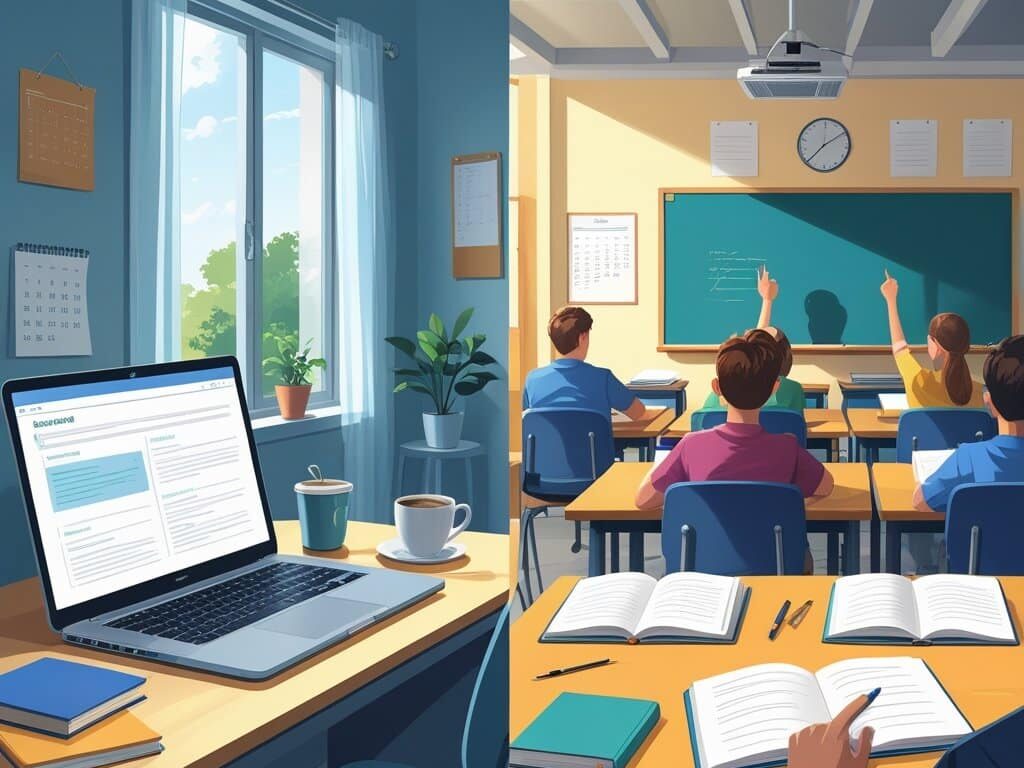
Face-to-face classes give instant feedback and real social vibes. Remote classes win on flexibility and let you rewatch lessons, which is great for review.
Hybrid setups—online for theory, in-person for hands-on—often work best. Synchronous online lessons can mimic real classrooms, but asynchronous stuff frees up your schedule.
- Pick your format based on course goals—labs need hands-on time.
- Hybrid models balance flexibility with interaction.
- Recorded lectures help with tricky concepts and revision.
| Format | Best For | Drawbacks |
|---|---|---|
| Face-to-face | Labs, teamwork | Less flexible |
| Remote | Lectures, revision | Can feel isolating |
| Hybrid | Most courses | Needs careful planning |
Real-Time Feedback and Assessment Integrity
Quick feedback helps you fix mistakes before they stick. Tools like live polls and instant grading on quizzes make a real difference for learning and confidence.
Cheating’s a worry, but it’s not unsolvable. Randomized questions, open-book exams that test problem-solving, and project-based grades go a long way. Rubrics and transparency help keep things fair.
- Immediate feedback improves learning and reduces anxiety.
- Mix assessment types to keep things fair and honest.
- Transparency and clear standards lower cheating rates.
Key Challenges and Long-Term Effects
Remote learning’s not just about tech; it changes where and how you study and even what you need to succeed. It’s created new gaps and habits in the lives of many students.
The Digital Divide and Equitable Access
Not everyone has a decent device or fast internet at home. Some students still share old laptops or borrow Wi-Fi from neighbors. That makes real-time classes and projects a pain.
Schools that can’t afford enough tech leave students behind—especially those new to higher ed. Loaner programs and digital literacy training help, but it’s a constant battle to keep things fair.
- Tech gaps hit low-income students hardest.
- Device loans and subsidized internet help but need to be ongoing.
- Digital skills are now a basic requirement, not a bonus.
Screen Fatigue and Mental Health Concerns
Staring at screens all day? Yeah, it’s rough. More headaches, more distractions, and sometimes more stress or trouble sleeping. That’s just the reality for a lot of students now.
Shorter live sessions, breaks, and offline tasks help a bit. Blue-light filters and a set study space can make things easier. Mental health support and regular check-ins matter more than ever.
- Screen fatigue leads to less focus and more stress.
- Breaks and offline work are essential for well-being.
- Access to counseling should be standard, not optional.
Behavioral and Social Consequences

After months of remote learning, some students come back less sure of social rules. Group work and conflict resolution skills took a hit, and that shows up in class behavior.
Teachers need to rebuild those skills—small group projects, clear expectations, and social-emotional lessons help. Tracking social progress matters just as much as grades now.
- Social skills can fade without in-person practice.
- Structured activities help students reconnect.
- Support for first-year students is extra important.
| Challenge | Impact | Possible Fix |
|---|---|---|
| Tech Gaps | Missed lessons | Device loans, training |
| Screen Fatigue | Lower focus | Shorter sessions, breaks |
| Social Skills | Behavior issues | Group work, SEL lessons |
Chronic Absenteeism and Attendance Flexibility
Remote learning made skipping class easier. Some families now see attendance as optional, and routines are harder to rebuild. Mental health, caregiving, and just plain burnout all play a role.
Schools need to mix outreach and tech—platforms that let students catch up, teams that check in, and flexible policies with clear participation rules. Hybrid options tied to engagement help keep kids connected.
- Absenteeism rose as remote learning normalized skipping class.
- Tech can help bridge gaps, but human outreach matters too.
- Balance flexibility with expectations to keep students engaged.
Links for further reading: long-term effects of remote learning on students (https://www.pearson.com/international-schools/international-schools-blog/2024/10/the-long-term-effects-of-remote-learning-on-students.html).
The Future of Remote Learning and Educational Innovation
Remote learning isn’t going anywhere; if anything, it’s getting smarter. You’ll see lessons that adapt to you, immersive tech, and progress-tracking that’s way more personal than what a letter grade could ever give you.
Personalized and Adaptive Learning Pathways
Lessons will meet you where you are—adaptive systems use your quiz results and study habits to pick what’s next. That means less time on stuff you already know and more targeted practice.
Microlearning breaks big topics into bite-sized chunks. You can finish a lesson in 10 minutes and build up to bigger skills. Smart tutoring gives instant feedback so you don’t get stuck waiting for help.
- Adaptive tech personalizes learning speed and content.
- Microlearning helps you fit study into busy days.
- Badges and digital credentials show what you can actually do.
Credentialing and New Assessment Models

Schools and platforms will start using badges, mastery checks, and even blockchain to prove your skills. Employers and colleges want to see what you can do, not just what classes you took.
Expect more project-based work, portfolio assessments, and credentials you can actually use on your resume. The old transcript might not cut it much longer.
- Digital badges and credentials are gaining ground.
- Project-based assessments show real skills.
- Portfolios let you prove what you know, not just what you sat through.
| Innovation | Main Benefit | Who It Helps |
|---|---|---|
| Adaptive Systems | Personalized pace | All learners |
| Microlearning | Flexible study | Busy students |
| Digital Badges | Skill proof | Job seekers |
Immersive and Experiential Learning Tools
Virtual labs, AR field trips, and simulations are making online classes less boring and more hands-on. You might dissect a frog in VR or explore Mars from your bedroom. It’s wild, honestly.
These tools aren’t mainstream yet, but as tech gets cheaper, expect more schools to try them. They’re not perfect, but they sure beat another hour of slides.
- Immersive tools make learning stickier and more memorable.
- Simulations bring practical skills to online classes.
- Expect more schools to experiment with AR/VR soon.
Conclusion
Remote learning’s left some good marks, some not so much. It’s opened doors, but it’s also shown us all the cracks in the system, from tech gaps to student mental health.
We’re still figuring out the balance. Some days, remote learning feels like the future; other days, it’s just another Zoom call you can’t wait to end. The next few years will show whether schools can really make tech work for every student.
| Area | What’s Improved | What Still Needs Work |
|---|---|---|
| Access | More students online | Device/internet gaps |
| Engagement | Flexible schedules | Screen fatigue |
| Assessment | Instant feedback | Cheating, fairness |
So, as remote learning keeps evolving, what do you think will actually stick, and what are we still missing?