
Navigating Science Classes from 3rd Grade to 12th Grade: A students Guide
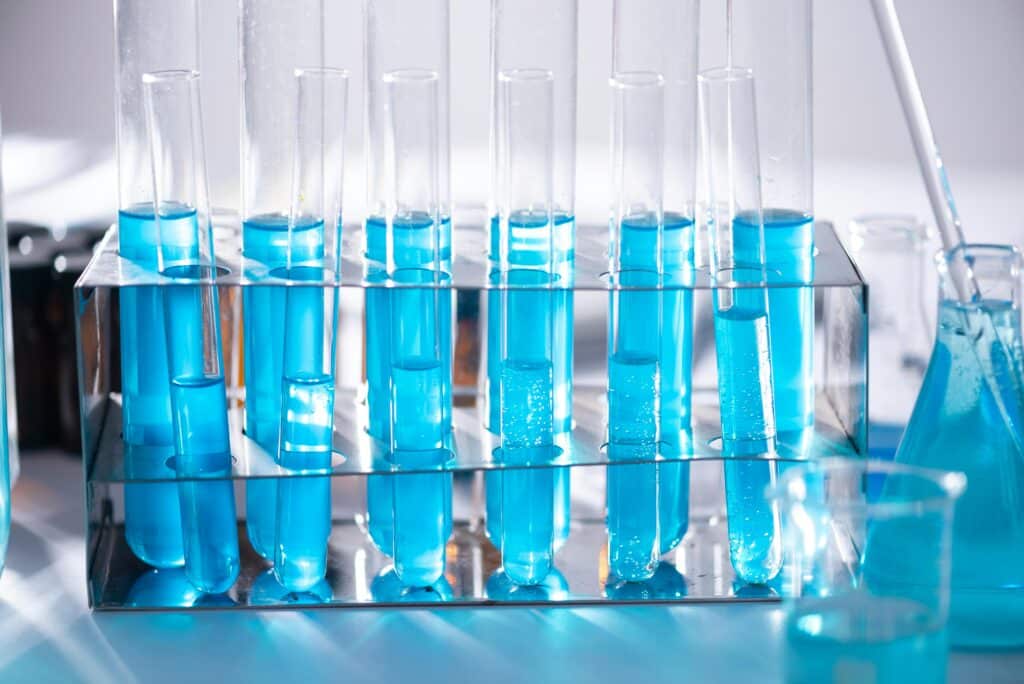
Jake stared at his new 7th grade science textbook, remembering when science meant simple experiments with baking soda volcanoes in elementary school.
Now the chapters looked intimidating with complex diagrams and vocabulary he’d never seen. Like Jake, many students feel overwhelmed as science classes become more challenging each year.
What Makes Science Education Successful
This guide covers three key areas that will transform your science experience:
Essential components you need to master:
• Scientific inquiry and hands-on investigation skills
• Understanding how concepts connect across different science subjects
• Building vocabulary and reading comprehension for technical material
Your science journey doesn’t have to feel overwhelming. With the right approach and tools, you can build confidence and curiosity that will serve you well through graduation and beyond.
Understanding Essential Components of Effective Science Education
Mastering Inquiry-Based Learning Through Question Development and Evidence Analysis

Inquiry-based learning represents the authentic core of scientific work.
Mastering your science classes requires understanding that not all practical activities should build on pre-taught principles. Instead, students must engage with enquiry-based experiments that mirror real scientific investigation.
The Framework for K-12 Science Education emphasizes eight key practices students should develop. These include asking questions, defining problems, analyzing data, and interpreting evidence systematically.
Question development becomes central when students learn to investigate unknown phenomena. This process teaches critical thinking skills that extend beyond traditional curriculum boundaries.
Evidence analysis involves teaching students to interpret data accurately and draw meaningful conclusions. These skills prove invaluable for developing future scientists and informed citizens.
• Students should experience genuine inquiry where outcomes aren’t predetermined
• Question formulation and evidence evaluation mirror authentic scientific practices
• Data interpretation skills extend beyond academic settings into real-world applications
Building Strong Foundations Through Systematic Knowledge Development

Science education must prioritize building knowledge of key concepts in meaningful ways. This reflects how knowledge organizes within scientific disciplines naturally.
The three-dimensional framework identifies disciplinary core ideas across four areas: life sciences, physical sciences, earth and space sciences, and engineering applications.
Mastering your science classes depends on understanding how simple ideas build toward more advanced concepts. Knowledge should be taught coherently, developing students’ understanding of connections between topics.
Core ideas like “matter and its interactions” and “energy” in physical sciences provide foundational understanding. These concepts integrate across multiple scientific disciplines effectively.
Teachers must possess in-depth subject knowledge to articulate explanations clearly. They need understanding of how abstract concepts become concrete through examples and applications.
• Knowledge builds systematically from simple to advanced concepts
• Core ideas integrate across multiple scientific disciplines
• Teacher expertise enables effective concept explanation and application
Engaging in Hands-On Activities for Real-World Application

Practical science teaches distinct skillsets including accurate measurement, data interpretation, and experimental design. These skills have value for developing future scientists.
Hands-on activities should not only reinforce scientific principles but also provide authentic learning experiences. Students learn to weigh materials accurately and interpret results meaningfully.
The emphasis on practical work helps students understand what science actually involves. Mastering your science classes requires experiencing the full range of scientific practices firsthand.
Real-world applications make abstract concepts concrete and engaging for students. This approach helps connect classroom learning with everyday life experiences effectively.
Students need exposure to experiments that build critical thinking skills. They learn persistence, rigour, and the ability to test ideas thoroughly.
• Practical activities teach measurement, analysis, and interpretation skills
• Real-world connections make abstract concepts accessible and engaging
• Hands-on experiences develop persistence and rigorous thinking abilities
Aligning Your Learning with National Standards and Academic Expectations
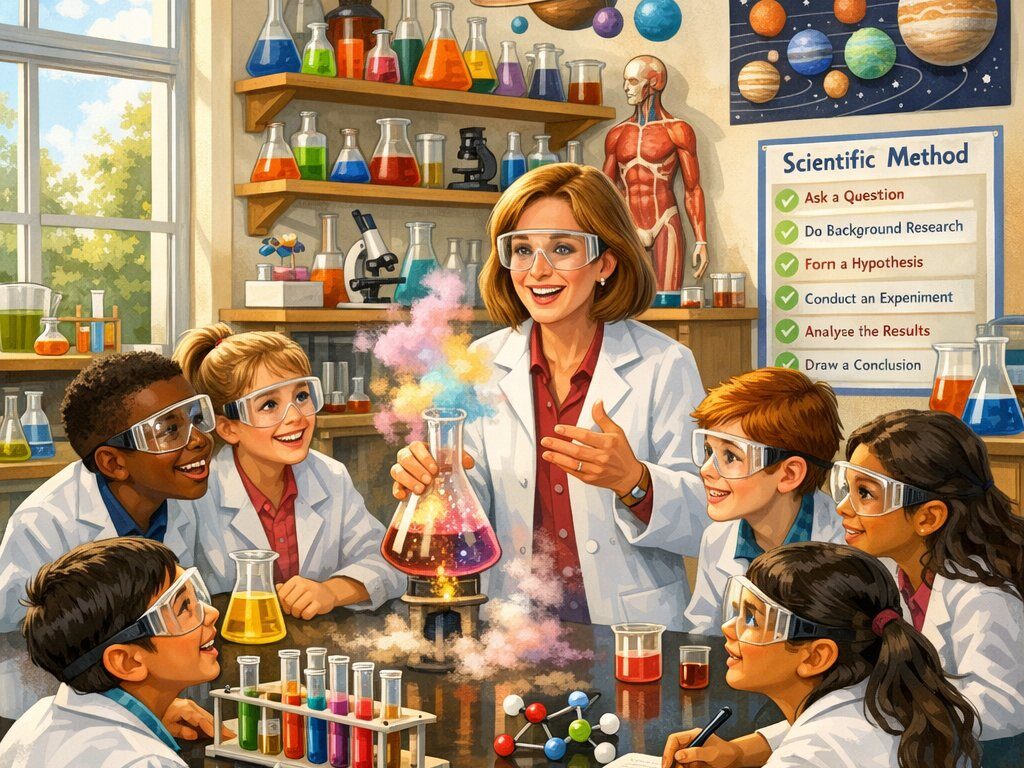
The Framework for K-12 Science Education provides structure for implementing core principles and standards. It builds upon twenty-five years of science education research and discussion.
Three key dimensions organize scientific learning: practices, crosscutting concepts, and disciplinary core ideas. These dimensions work together to create comprehensive science education.
Crosscutting concepts like “cause and effect” and “stability and change” have explanatory value across science and engineering fields. Mastering your science classes involves understanding these universal principles.
National standards ensure students develop scientific literacy for public discussions on science-related issues. They prepare students to be careful consumers of scientific information.
The framework identifies key ideas and practices adults need for career choices and informed citizenship. This long-term perspective guides educational planning and implementation.
• Three dimensions organize learning: practices, concepts, and core ideas
• Crosscutting concepts apply across multiple scientific disciplines
• Standards prepare students for informed citizenship and career success
Building Critical Thinking Skills Through Scientific Practices

Critical thinking develops through persistent engagement with scientific practices and rigorous analysis. Students learn to test ideas thoroughly and evaluate evidence carefully.
Science education should equip learners with skills of criticality, persistence, and rigour. These abilities enable independent learning and careful evaluation of information.
Mastering your science classes involves developing the ability to hold fast to evidence-based conclusions while remaining open to new discoveries.
Students must learn not only what scientists know but why they know it. Understanding the value of knowledge helps students retain information effectively.
The goal is maintaining innate curiosity about how the world functions while seeking accurate information about new technologies and issues.
Trust in science develops when students understand how scientific knowledge is obtained and validated through rigorous processes.
• Critical thinking requires persistence, rigour, and systematic evaluation
• Students learn what scientists know and why they know it
• Scientific literacy enables informed decision-making about technology and issues
Navigating Grade-Level Specific Science Requirements and Expectations
Elementary Science Foundations: Building Curiosity and Basic Scientific Concepts

Elementary science education focuses on establishing fundamental understanding through the Next Generation Science Standards’ three-dimensional approach. Students explore Physical Science, Life Science, Earth and Space Science, and Engineering Design domains.
Mastering your science classes begins with developing curiosity and basic scientific thinking. The NGSS framework emphasizes crosscutting concepts like cause and effect to help students build coherent understanding.
Key Elementary Focus Areas:
• Science and Engineering Practices that introduce scientific investigation methods
• Disciplinary Core Ideas that build foundational knowledge across four science domains
• Crosscutting Concepts that connect different areas of scientific understanding
Middle School Science Transitions: Developing Deeper Inquiry Skills
Middle school marks a critical transition where students deepen their engagement with scientific practices.
Students develop advanced inquiry skills through enhanced Science and Engineering Practices. Mastering your science classes requires understanding how core ideas interconnect across multiple scientific disciplines and engineering applications.
Middle School Development Priorities:
• Enhanced scientific investigation and engineering design capabilities
• Deeper exploration of crosscutting concepts connecting science domains
• Stronger foundation in Disciplinary Core Ideas preparing for specialization
High School Science Specialization: Preparing for Advanced STEM Pathways

High school science education prepares students for college, careers, and citizenship through specialized study.
Advanced coursework emphasizes sophisticated application of all three dimensions. Mastering your science classesinvolves developing in-depth content understanding alongside key skills including communication, collaboration, inquiry, and problem-solving abilities.
High School Preparation Elements:
• Specialized study in chosen scientific disciplines and engineering fields
• Advanced application of three-dimensional learning approaches
• Development of college and career readiness through scientific literacy
Adapting Learning Strategies to Match Your Developmental Stage
The NGSS represents a significant transition from previous standards, requiring coordinated implementation approaches. Students must adapt their learning strategies as they progress through increasingly complex scientific concepts and practices.
Effective strategy adaptation involves understanding how the three dimensions work together at each grade level. Mastering your science classes means recognizing that Disciplinary Core Ideas build progressively while crosscutting concepts provide connecting frameworks.
Strategic Learning Adaptations:
• Progressive building of core scientific ideas across grade levels
• Increasing sophistication in scientific and engineering practices application
• Enhanced ability to recognize and utilize crosscutting concepts for deeper understanding
Maximizing Digital Resources and Technology Integration for Science Success
Modern educational platforms provide engaging, effective, and easy-to-use solutions that help districts accelerate student growth while scaling teacher impact across core subjects.
Utilizing Interactive Simulations and Multimedia Learning Tools
Interactive lab simulations revolutionize how students engage with scientific concepts. These digital environments provide multiple practice opportunities, enhancing student skills and accelerating learning through mastering your science classes. LabSims offer personalized feedback and challenging experiences that boost confidence.
Key Benefits of Interactive Tools:
• Enhanced student skills through repeated practice opportunities and immediate feedback mechanisms
• Increased confidence and competency development with personalized support systems designed for individual learning needs
• Engaging learning experiences that motivate students through enjoyable, challenging scientific scenarios and realistic simulations
Accessing Online Platforms for Enhanced Science Exploration
Research-backed educational platforms deliver highly curated content through partnerships with recognized brands. These adaptable teaching resources integrate seamlessly into existing curriculum frameworks, supporting mastering your science classes while enhancing instruction effectiveness.
Platform Advantages:
• Industry-leading educational content with digital-first curriculum designed specifically for K-12 science education
• Personalized learning programs that adapt to individual student needs and learning pace preferences
• Time-saving instructional tools that streamline lesson planning and enhance teaching efficiency across subjects
Leveraging Technology for Data Collection and Analysis

Digital tools transform how students collect, analyze, and interpret scientific data. Award-winning platforms developed by teams of scientists and developers understand educators’ needs, providing sophisticated analysis capabilities for mastering your science classes through data-driven approaches.
Technology Integration Benefits:
• Advanced data collection capabilities that mirror real-world scientific research methodologies and professional practices
• Sophisticated analysis tools designed by scientists who understand educational requirements and student development needs
• Enhanced learning outcomes through technology that bridges theoretical concepts with practical scientific application methods
Connecting Virtual Learning with Physical Experiments
Leading universities worldwide utilize digital simulations alongside traditional laboratory experiences. This hybrid approach broadens educational horizons, allowing students to explore concepts beyond physical limitations while mastering your science classes through comprehensive learning experiences.
Virtual-Physical Integration:
• Expanded learning opportunities that combine digital simulations with hands-on laboratory experiences for comprehensive understanding
• Enhanced accessibility to complex experiments that may be difficult or impossible in traditional classroom settings
• Improved preparation for physical experiments through virtual practice sessions that build confidence and competency
Conclusion
Navigating K-12 science education requires balancing inquiry-based methods with standards alignment.
| Key Component | Description |
|---|---|
| Essential Components | Inquiry-based learning, hands-on activities, NGSS alignment |
| Grade-Level Navigation | Tailored approaches for developmental stages and readiness |
| Digital Integration | Technology resources, simulations, and interactive platforms |
Key Takeaways:
• Foundation Building: Strong science education develops critical thinking skills essential for STEM careers and understanding our natural world.
• Standards Alignment: Next Generation Science Standards provide framework for authentic scientific inquiry and evidence-based learning.
• Flexible Implementation: Successful programs adapt to student needs while maintaining rigorous academic expectations across all grade levels.
• Teacher Support: Comprehensive guides, professional development, and ongoing assessment mechanisms ensure effective curriculum delivery.
• Real-World Connections: Project-based learning and interdisciplinary approaches engage students through authentic problem-solving experiences.
Your science journey from elementary through high school shapes future opportunities. Which components will you prioritize to maximize your scientific learning experience?
References
ExploreLearning, https://www.explorelearning.com/ Accessed 24 Feb. 2026
National Research Council. A Framework for K-12 Science Education: Practices, Crosscutting Concepts, and Core Ideas.National Academies Press, 2012, https://nap.nationalacademies.org/catalog/13165/a-framework-for-k-12-science-education-practices-crosscutting-concepts-and-core Accessed 24 Feb. 2026
National Science Teaching Association. “National Science Teaching Association.” NSTA, https://www.nsta.org/ Accessed 24 Feb. 2026
Next Generation Science Standards. “Next Generation Science Standards.” NGSS, https://www.nextgenscience.org/ Accessed 24 Feb. 2026
PhET Interactive Simulations. “PhET Interactive Simulations.” University of Colorado Boulder, https://phet.colorado.edu/ Accessed 24 Feb. 2026


Pingback: Stem Education: Inspiring Futures Through Engaging Subjects
Pingback: Engineering Discipline: Unlocking New Opportunities