
The Impact of Exercise on Academic Performance: Better Grades Explained

Want better grades? Try weaving regular physical activity into your week, even short workouts, active classroom breaks, or team sports can sharpen focus and lift your grades.
When you get moving for 30–60 minutes at a moderate to vigorous intensity several times a week, you’ll often notice better academic results.
Key Takeaways
- Regular physical activity supports attention and memory for school tasks.
- Exercise at moderate-to-vigorous intensity, 30–60 minutes several times a week, links to better grades.
- Short, doable activity breaks easily fit into busy days and fuel academic gains.
How Exercise Influences Academic Performance
Ever wonder why exercise seems to help you focus? Regular movement actually changes your brain, boosting attention and your ability to plan and solve problems.
Links Between Physical Activity and Cognitive Achievement
Physical activity ties directly to higher academic achievement by improving focus and speeding up how you process information. Students who rack up at least 90 minutes of moderate-to-vigorous activity a week tend to score better on math and reading tests.
Short activity breaks can also boost your on-task behavior for the next class period. When you move regularly, blood flow to your brain increases, delivering what it needs for learning and memory.
- Key ideas:
- 90+ minutes of moderate-to-vigorous activity per week links to test gains
- Short activity breaks improve focus for the next lesson
- Consistent movement supports steady academic performance
Executive Function and Learning Outcomes

Exercise strengthens executive function skills—working memory, cognitive flexibility, and inhibitory control. You use these for math problems, switching strategies, and tuning out distractions.
Team sports or dance, which require coordination and strategy, tend to boost cognitive flexibility and planning more than just jogging or cycling. Schools that add regular, structured activity see improvements in both executive function tests and classroom grades.
- Key ideas:
- Executive function skills help with problem-solving and focus
- Skill-based activities offer bigger cognitive benefits
- Structured activity at school leads to higher grades
Role of Physical Activity in Enhancing Attention and Memory
Physical activity improves attention by making you more alert and cutting down on zoning out during lessons. Brief, vigorous exercise before class or “activity snacks” during the day can boost your focus for up to an hour afterward.
Exercise also helps lock facts into memory, especially if you do moderate activity after learning something new. Mix aerobic work with skill-based activities to strengthen both attention and memory for better classroom performance.
- Quick tips:
- Do 20–30 minute moderate activity sessions most days
- Add 5–10 minute active breaks between lessons
- Include skill-based sports to train executive function
| Exercise Benefit | Academic Effect |
|---|---|
| Short, frequent activity breaks | Boosts focus and on-task behavior |
| Team sports & skill drills | Improves executive function & planning |
| Consistent aerobic sessions | Enhances memory & processing speed |
Optimal Types and Amounts of Physical Activity for Better Grades
What’s the best way to fit exercise into my school week? The impact of exercise on academic performance depends a lot on the type and amount of activity you choose.
Frequency, Intensity, Time, and Type (FITT) of Exercise
The FITT framework helps you plan: Frequency—move daily, with 3–5 structured sessions each week. Intensity—make sure some sessions get your heart pumping and leave you a little out of breath.
Time—aim for 30–60 minutes per session, and reach 60 minutes total per day by adding active breaks and recess. Type—mix aerobic exercise, skill work, and strength or balance activities.
- FITT tips:
- Daily movement matters more than rare long sessions
- Mix aerobic, skill, and strength activities
- Use talk-test: you should speak but not sing during MVPA
Aerobic vs. Team-Based Activities
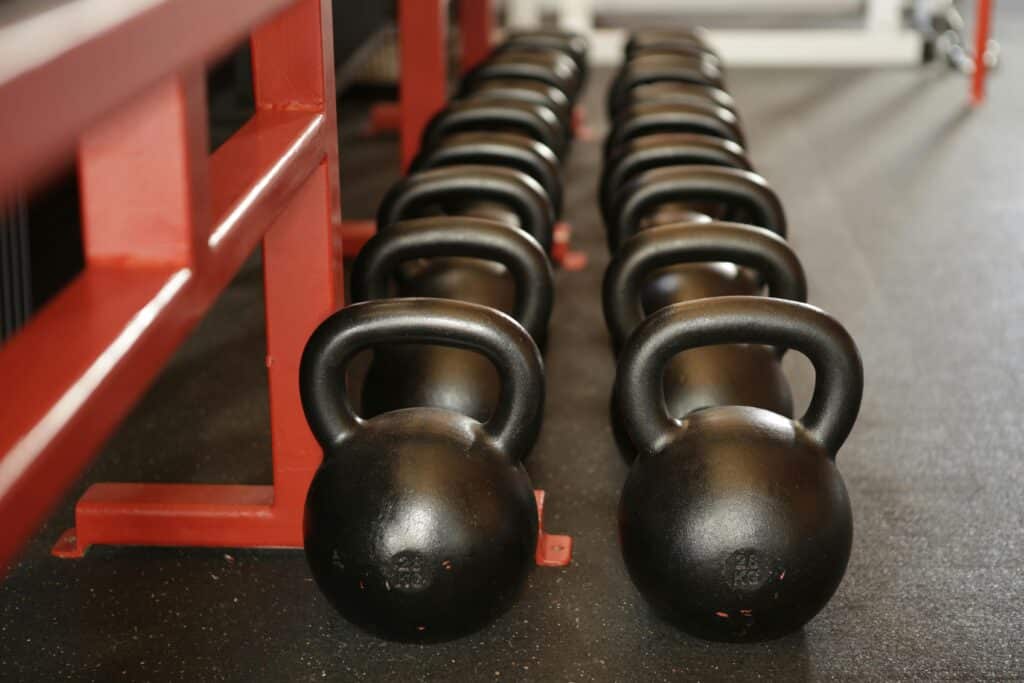
Aerobic exercise—running, brisk walking, cycling—supports memory, attention, and processing speed. Two aerobic sessions a week can make a difference if you’re short on time.
Team games add social and executive-function perks. They require planning, quick decisions, and teamwork—skills you’ll use in class, too. Try alternating aerobic sessions with team-based practice for the best mix.
- Key ideas:
- Aerobic sessions boost memory and focus
- Team sports develop problem-solving and social skills
- Alternating activities gives you both benefits
| Type of Exercise | Academic Benefit |
|---|---|
| Aerobic (running, cycling) | Improved memory & attention |
| Team-based (soccer, basketball) | Better executive function & teamwork |
| Skill drills | Boosts cognitive flexibility |
Importance of Physical Education and Active Breaks
Your school’s PE lessons really matter. Well-structured PE delivers planned MVPA, teaches movement skills, and helps you hit that 60-minute-per-day goal.
Active breaks and quick classroom movement help maintain focus between lessons. Use 3–5 minute standing or movement breaks every 30–45 minutes, and 10–15 minute active recesses midday, to break up sitting and keep your brain sharp.
- PE & break tips:
- Advocate for PE with warm-ups, skill circuits, and high-intensity intervals
- Short movement breaks reduce sedentary time
- Active recesses support on-task behavior
Key Benefits of Physical Activity for Students
Physical activity can lift your mood, sharpen your focus, and even help you get along with classmates.
Social, Emotional, and Mental Health Advantages
Physical activity helps reduce stress, depression, and anxiety. If you join team sports or group activities, you’ll pick up social skills—cooperation, communication, and conflict resolution—that make school life easier.
Regular movement builds confidence. You learn you can set goals and meet them, which makes it easier to tackle tough assignments or presentations. Short activity breaks can also calm nerves and help you stick to classroom routines.
- Key ideas:
- Exercise reduces anxiety and stress
- Team activities build social skills
- Movement boosts confidence and self-efficacy
Enhanced Standardized Test and Subject-Specific Performance
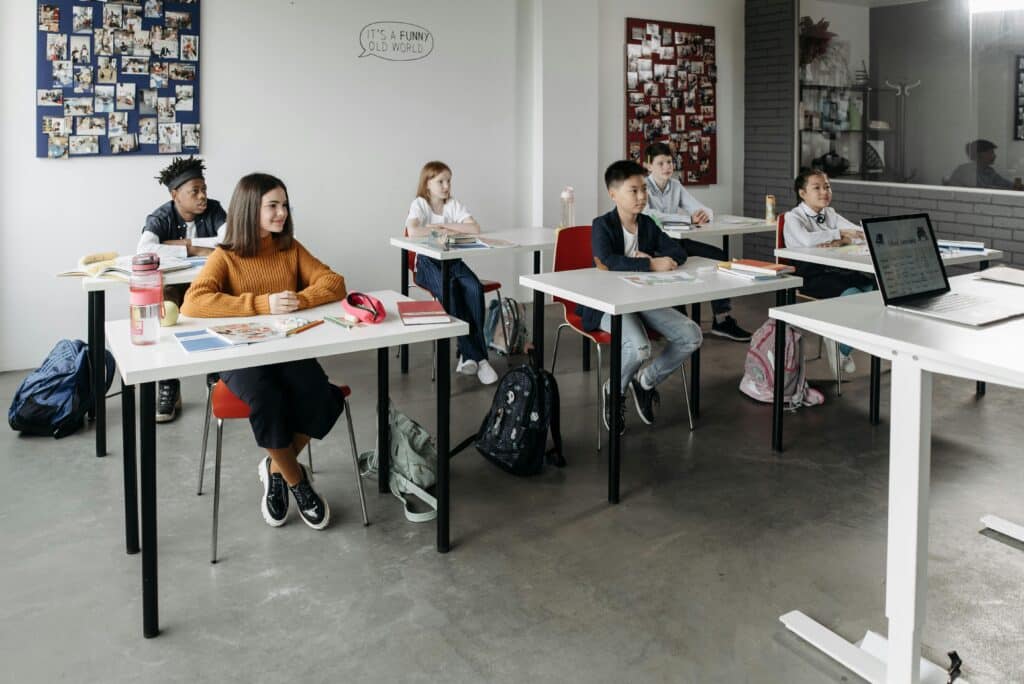
Students who get at least 90 minutes of moderate-to-vigorous activity per week often see higher scores on standardized tests and in subjects like math and reading. The impact of exercise on academic performance shows up as gains in processing speed and accuracy.
Movement in class or quality PE both boost executive functions like working memory and attention. That means you’ll solve problems faster and understand reading passages more deeply.
- Key ideas:
- 90+ minutes of MVPA per week links to higher test scores
- Classroom movement boosts executive function
- Exercise improves processing speed
Impact on Student Engagement and Classroom Behavior
Active students tend to stay on task and engage more during lessons. Short movement breaks and active learning methods can increase attention spans and reduce disruptions.
Physical activity also smooths transitions between tasks and improves executive control. Teachers often notice fewer behavioral issues and more participation after classes with regular movement.
- Key ideas:
- Active students focus better in class
- Movement breaks reduce disruptions
- Teacher reports show improved behavior
| Benefit | How It Helps Academics |
|---|---|
| Improved mood & confidence | Encourages risk-taking in learning |
| Social skill development | Better group work & participation |
| Reduced anxiety | Calmer, more focused students |
Children’s Diversity, Implementation, and Research Insights
Let’s talk about what happens when schools try to boost movement for all kinds of students.
Benefits for Students with Disabilities and Diverse Backgrounds
School-based physical activity helps students with learning and developmental disabilities. For kids with ADHD or autism spectrum disorder, short, structured movement breaks often improve focus and reduce fidgeting.
Physical activity also supports children from low socioeconomic or minority backgrounds. Inclusive play and basic movement skills can narrow gaps in fitness and health, while adaptations like visual cues or smaller groups make activities safer and more effective for everyone.
- Key ideas:
- Structured activity helps students with disabilities focus
- Inclusive programs support all backgrounds
- Adaptations make movement accessible to everyone
Design and Impact of Physical Activity Interventions
Frequent, brief, classroom-friendly interventions work best. Randomized trials show daily or near-daily activity breaks lead to modest but steady gains in math and reading scores.
Effective programs combine moderate-to-vigorous activity with cognitive challenges—think movement games that require memory or problem-solving. Tracking attendance and simple fitness checks help schools see what’s working.
- Key ideas:
- Frequent, brief activity breaks are effective
- Pairing movement with cognitive tasks boosts results
- Simple monitoring helps refine programs
| Implementation | Academic Impact |
|---|---|
| Movement breaks for ADHD/ASD | Better focus and fewer disruptions |
| Inclusive, adapted activities | Improved participation for all students |
| Frequent, brief interventions | Steady gains in test scores |
Challenges and Opportunities for School-Based Programs
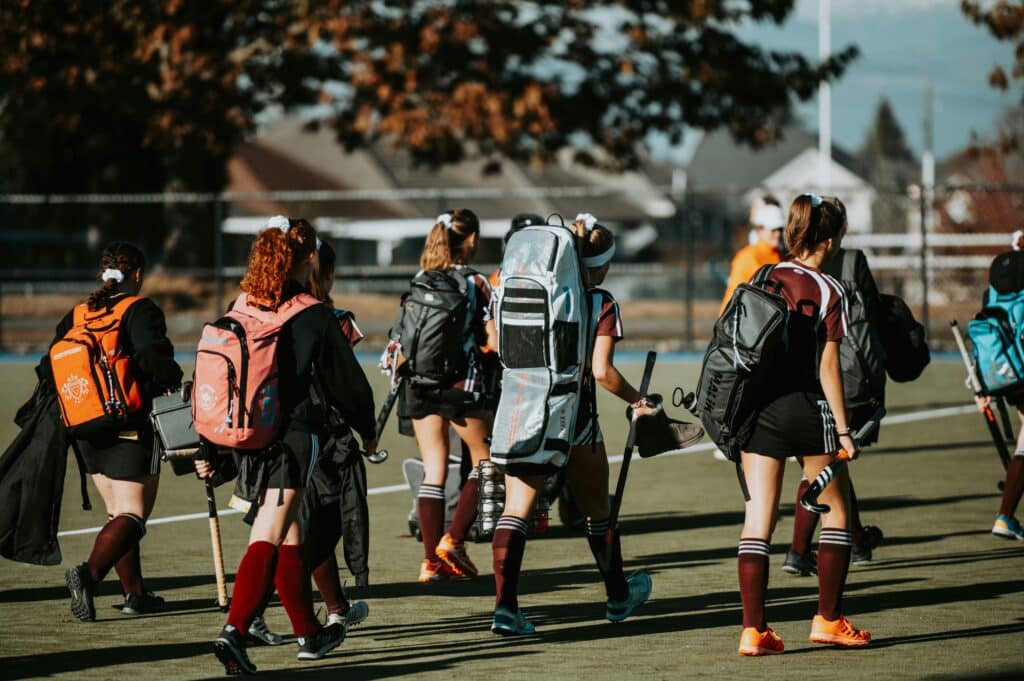
Bringing more physical activity into schools? It’s honestly tougher than it sounds. Time crunches, tight budgets, and teachers who aren’t always on board—these hurdles pop up fast.
Many teachers worry about losing precious teaching minutes. Some just don’t feel ready to adapt activities for students with disabilities, and that hesitancy can slow things down.
In places where physical inactivity or obesity rates run high, schools might need extra equipment or more hands on deck. The impact of exercise on academic performance isn’t always obvious to everyone, either.
- Time and budget constraints challenge implementation
- Staff buy-in varies widely
- Extra resources needed in high-risk areas
- The impact of exercise on academic performance may be overlooked
But, hey, there are some bright spots too. You can weave active lessons right into regular subjects, or just toss in short activity breaks between lessons.
Teaming up with local health agencies can bring in funding and new training options. And when policies require daily PE or active time, the whole thing just gets simpler.
- Integrate movement into core subjects
- Partner with health agencies for support
- Policy changes can help with implementation
- Pilot programs show the impact of exercise on academic performance
| Challenge | Opportunity |
|---|---|
| Limited time & budget | Active lessons & short breaks |
| Staff hesitancy | Targeted training |
| Need for evidence | Pilot studies on the impact of exercise on academic performance |
If you’re just getting started, try mapping out the school day to find a few five or ten minute breaks. Train a handful of teachers who seem open to change, and jot down some basic outcome numbers.
These first steps—though small—can help shift those challenges into real, lasting programs. And honestly, isn’t the impact of exercise on academic performance worth a little extra effort?
Conclusion

The impact of exercise on academic performance is real, but it’s not just about squeezing in a workout or two. It’s about including exercise into your weekly routine in a way that fits your life, your school, and your needs.
The impact of exercise on academic performance isn’t a one-size-fits-all deal, but it’s hard to ignore how much it matters. Isn’t it time we made movement a real priority in every school day?
References
Haverkamp, Barbara Franca, et al. Effects of Physical Activity Interventions on Cognitive Outcomes and Academic Performance in Adolescents and Young Adults: A Meta-Analysis. Journal of Sports Sciences, Dec. 2020, https://pubmed.ncbi.nlm.nih.gov/32783695/
Li, Ningyi. Effects of Daily Exercise Time on the Academic Performance of Students: An Empirical Analysis Based on CEPS Data. arXiv, 30 Nov. 2023, https://arxiv.org/abs/2312.11484
Physical Activity, Fitness, and Physical Education: Effects on Academic Performance. NCBI Bookshelf, U.S. National Library of Medicine, https://www.ncbi.nlm.nih.gov/books/NBK201501/
“Effect of Classroom-Based Physical Activity Interventions on Academic and Physical Activity Outcomes: A Systematic Review and Meta-Analysis.” International Journal of Behavioral Nutrition and Physical Activity, 2017, https://ijbnpa.biomedcentral.com/articles/10.1186/s12966-017-0569-9
The Effects of Physical Activity on Academic Performance in School-Aged Children: A Systematic Review. MDPI, 2023, https://www.mdpi.com/2071-1050/15/8/6616
The Effects of Physical Activity on Cognitive Performance and Academic Achievement in Children. MDPI, 2022, https://www.mdpi.com/2227-9067/10/6/1019
Baghel, Akash. Impact of Physical Activity on Academic Performance of Secondary School Students. Khel Journal, vol. 12, no. 6, 2025, https://www.kheljournal.com/archives/2025/vol12issue6/PartA/12-5-104-616.pdf

Pingback: Fitness Attractiveness: Decadent Training Tips