Exploring Electives: Finding Your Passion in School for Personal Growth and Success
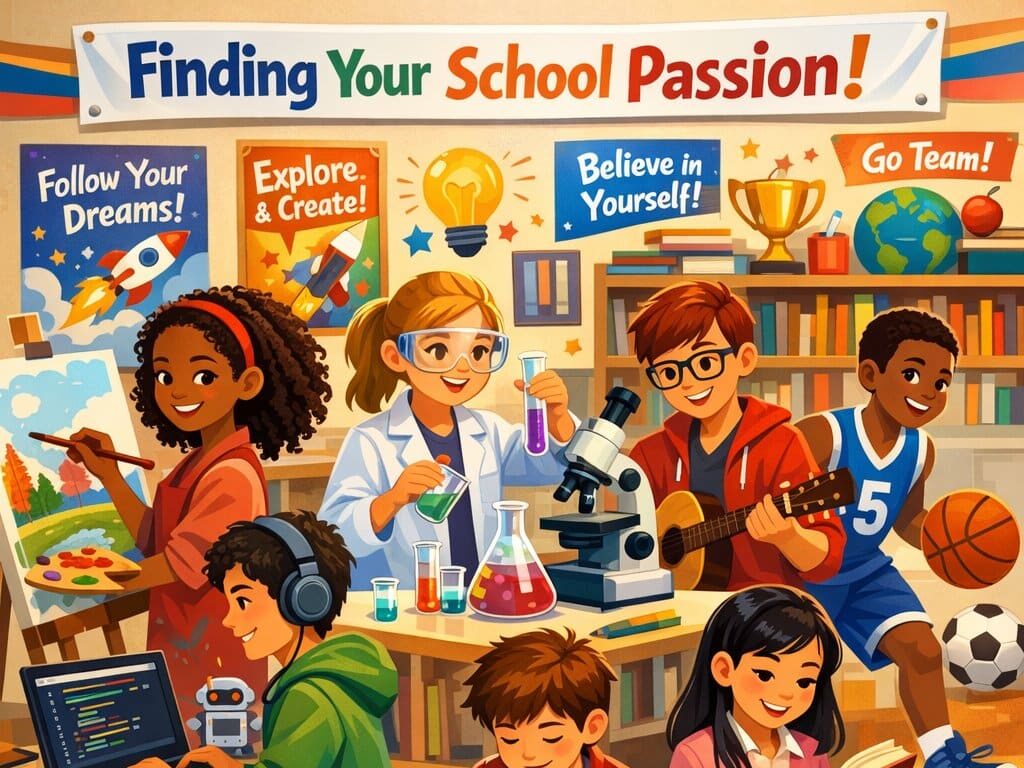
Electives can help you try new skills and find what excites you without risking your GPA. Pick classes that let you practice, create, or solve real problems to discover your interests.
Choosing electives can change how you feel about school and your future. Opt for courses that stretch your skills and connect to hobbies.
Key Takeaways
- Electives help you explore interests safely and practically.
- Pick classes that let you work with your hands or ideas to learn fast.
- Use electives to build skills that matter beyond the classroom.
Why Electives Matter for Finding Your Passion
Electives let you try things, learn skills, and notice what excites you most.
The Role in Self-Discovery
Pick electives that match interests you want to do in the future, like graphic design, robotics, or creative writing. Choosing shows you what you enjoy and what you don’t, so your decisions become clearer over time.
When you choose diverse classes, you compare experiences side by side. That comparison helps you see patterns: which tasks keep your attention, which projects you finish early, and which topics you keep researching after class.
Choice also gives you safe chances to fail without harming core grades. You can adjust choices each year. That flexibility helps you refine career ideas and narrow down college majors based on what actually holds your interest.
Boosting Motivation Through Engagement

Electives tie schoolwork to real activities you care about, which raises your drive to do homework and join projects. For example, a photography elective gives you a clear output, a portfolio that shows progress. That visible progress fuels motivation more than abstract tests.
Hands-on classes let you practice skills like coding, sewing, or lab techniques. Doing tasks instead of only reading about them makes learning feel useful. You often feel more motivated when assignments align with your goals or hobbies.
Group projects in electives can boost motivation too. Working with peers who share your interest creates a social push to improve. That teamwork can lead to clubs, competitions, or internships outside school.
Contributing to Personal Growth
Electives help you build concrete skills and new habits. You learn time management by juggling projects, creativity by solving open problems, and technical skills like HTML, CAD, or mixing audio. Those skills matter for college applications and jobs.
You also grow emotionally. Trying new subjects teaches resilience when things don’t go as planned. You learn to accept feedback and improve. Electives expand your identity—what you see yourself doing—and give you confidence to pursue that path.
Finally, electives connect skills to future plans. A coding elective can lead to a summer internship; a theater elective can improve public speaking for class presentations. These links make your growth practical and noticeable.
Types of Electives and How They Shape Interests
Electives let you try new skills, build practical abilities, and test possible career paths.
Creative Arts and Communication
You can take creative writing, drama, or media courses to practice clear expression. Creative writing teaches you how to craft stories, structure essays, and revise drafts. That helps in English classes and any task that needs strong writing.
Drama, choir, or film production boosts communication skills and stage presence. These classes make you comfortable presenting ideas, leading group projects, and handling feedback. Yearbook or journalism electives teach interviewing, editing, and deadline management.
Use these electives to build a portfolio. Portfolios help with college applications and scholarships. They also show employers concrete work, like published articles, short films, or writing samples.
STEM and Academic Enrichment Courses
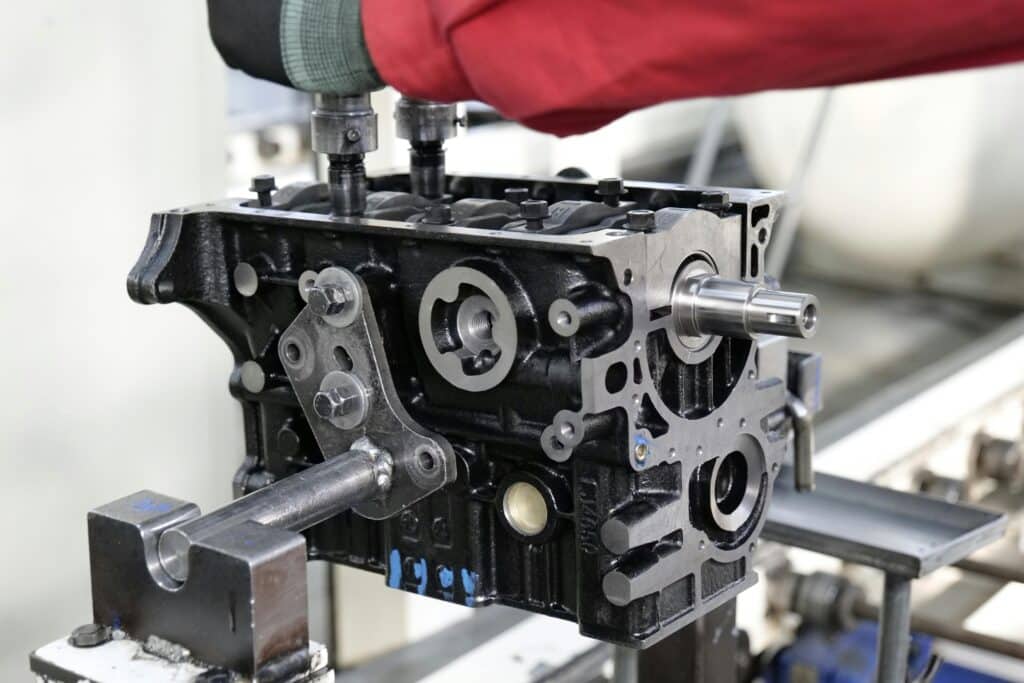
Math electives, coding, and robotics deepen problem-solving and logical thinking. Advanced math classes teach patterns and proofs you’ll use in science and engineering. Computer science and app development give you hands-on projects you can list on resumes.
Science electives such as environmental science or forensic science add lab skills and data analysis. Those classes train you to form hypotheses, run experiments, and write clear lab reports. That improves your performance in core science and history research that uses evidence.
Choose project-based electives if you want practical outcomes. Building a robot, analyzing datasets, or creating a simulation shows you can complete complex tasks from plan to finish.
Foreign Languages and Cultural Skills
Learning a foreign language strengthens memory and communication skills. Spanish, French, Chinese, or American Sign Language teach grammar, vocabulary, and real conversation. Those skills improve your English grammar awareness and writing clarity.
Cultural studies and world history electives pair well with language classes. They give context to literature, current events, and social studies. You’ll understand how language connects to traditions, media, and business practices.
Use language electives for travel, internships, or exchange programs. Employers value bilingual candidates for clear cross-cultural communication and teamwork.
Strategies for Choosing the Right Electives
Use practical steps to match your interests with your goals and to keep your GPA and college admissions options in mind.
Reflecting on Interests and Future Goals
Write down 3 subjects you enjoy and 3 careers or college majors you might pursue. Compare those lists to find overlap, this helps you pick electives that both excite you and build relevant skills for college applications.
Check course descriptions and prerequisites. If a class offers labs, projects, or writing, note which skills it strengthens (e.g., data analysis, public speaking, research). That detail matters to colleges and to internships.
Rank electives by how well they help your goals: high benefit (directly relevant), medium (useful skills), low (purely fun). Keep at least one low item for balance, but focus most slots on classes that boost academic success or preparation for college admissions.
Seeking Guidance and Mentorship

Talk to your school counselor about graduation and college admission requirements. Ask which electives count as rigorous choices for selective colleges and which can serve as prerequisites for advanced coursework.
Speak with teachers and older students who took the course. Ask specific questions: Did projects help with writing samples? Were tests heavy on memorization? Their answers give you real insight into workload and skills gained.
If possible, find a mentor in a field you like—club advisors, community college instructors, or local professionals. They can suggest electives that build portfolios, recommend summer programs, or show which classes look strong on college applications.
Staying Balanced and Open-Minded
Limit yourself to a manageable workload: mix demanding electives with lighter ones to protect your GPA. Choose at least one course that strengthens core skills like writing, math, or research to support academic success across your transcript.
Try one exploratory elective each year to test new interests without risking your major plans. If a class isn’t what you expected, switch early in the add/drop period rather than letting it hurt your grades.
Use a simple checklist when registering: relevance to goals, skill gained, workload, and college-readiness. This helps you make clear choices and keeps your schedule flexible for both exploration and college admissions priorities.
Maximizing Growth Beyond the Classroom
Focus on activities that give goals, measurable outcomes, and chances to reflect on what you learn.
Extracurricular Activities and Internships
Choose activities and internships that match a specific interest, like robotics club, school newspaper, or a summer lab internship at a local business. In a club, take a defined role, team lead, treasurer, editor, so you practice responsibility and can show impact on applications.
For internships, aim for tasks that let you do real work: data entry plus analysis, social media content with performance metrics, or lab assist with experiment notes.
Track what you accomplish. Keep a short log of projects, outcomes, and skills learned. Use numbers when possible: how many articles you published, percent growth in followers, or number of prototype tests.
Ask for feedback and a written reference at the end of an internship. That specific evidence makes your experience credible and useful for resumes and interviews.
Building Critical Skills for the Future

Focus on skills employers and colleges list often: critical thinking, problem solving, communication, and time management. Practice critical thinking by analyzing case studies in debate club or by writing short reflections after each project.
Use real tasks to build these skills: edit a newsletter to sharpen writing, run a budget to improve numeracy, or prototype a design to learn iterative problem solving.
Measure skill growth with concrete evidence. Keep examples of work—reports, presentations, code snippets, or marketing metrics.
Use short, regular self-assessments: what went well, what you changed, and one clear next step. These logs help you prepare for interviews and show steady improvement over time.
Collaboration, Teamwork, and Group Projects
Pick group projects that assign roles and deadlines so you see how teamwork actually works. Volunteer to be a coordinator or recorder at least once.
That role helps you practice communication, conflict resolution, and task delegation. Use shared tools like Google Docs, Trello, or Slack to show organized collaboration.
When conflict arises, focus on facts and next steps. Hold quick check-ins, assign clear owners for tasks, and document decisions.
After each project, run a three-question review: what worked, what didn’t, and one change for next time. Keep one or two strong examples of successful teamwork to discuss in applications or interviews, and note your specific contributions.
Are you ready to search for an elective that fits you?
References
Plotinsky, Miriam. “Electives Increase Student Engagement.” Edutopia, 20 May 2025, https://www.edutopia.org/article/electives-increase-student-engagement/
Wolpert-Gawron, Heather. “The Case for Electives in Schools.” Edutopia, 27 June 2018, https://www.edutopia.org/article/case-electives-schools/
American Psychological Association. “Self-determination theory: A quarter century of human motivation.” American Psychological Association, 2 Mar. 2025, https://www.apa.org/research-practice/conduct-research/self-determination-theory.html
PBLWorks. “What Is Project Based Learning?” PBLWorks, n.d., https://www.pblworks.org/what-is-pbl
National Association of Colleges and Employers. “What Do Students Gain From Internships?” NACE, 7 Aug. 2023, https://www.naceweb.org/career-development/internships/what-do-students-gain-from-internships/
National Center for Education Statistics. “Extracurricular Participation And Student Engagement.” NCES, 1995, https://nces.ed.gov/pubs95/web/95741.asp
American Council on the Teaching of Foreign Languages. “Academic Benefits of World Language Study.” ACTFL, n.d., https://www.actfl.org/research/research-briefs/academic-benefits-of-world-language-study
College Board. “Digital Portfolios – AP Students.” College Board, n.d., https://apstudents.collegeboard.org/digital-portfolios