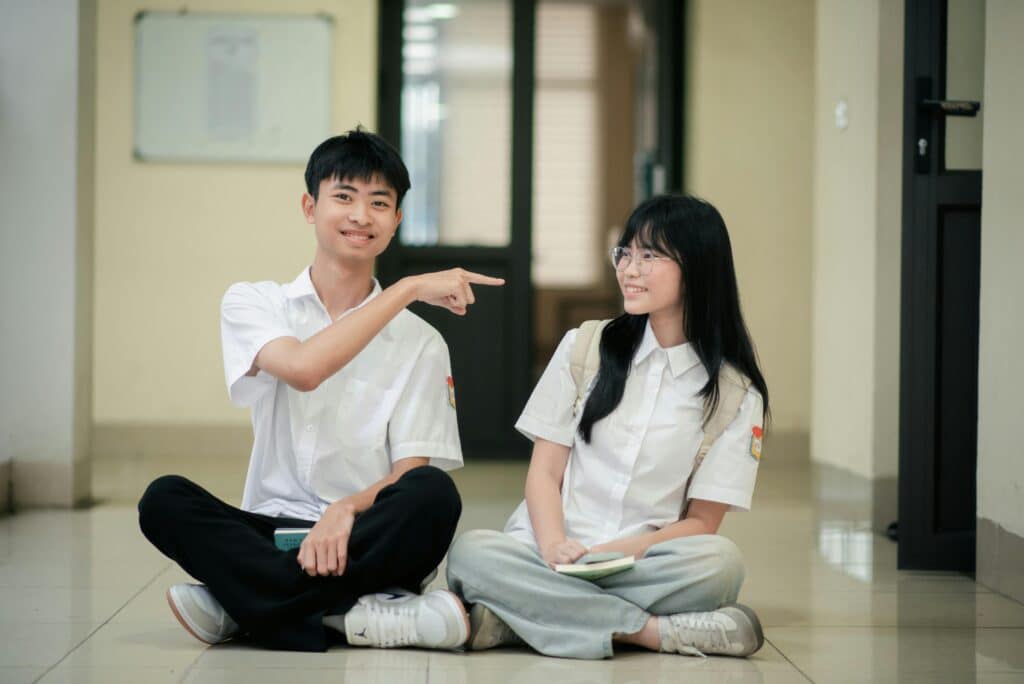
How Smart Strategies Turn School Stress Into Success

When Mia walked into her high school after summer break, the air felt heavier than the backpack slung over her shoulder. Schedules, homework, new teachers—it all hit at once. Like most students, she thought stress was just part of the “back to school” deal. But what if stress didn’t have to win? What if a few small, genius hacks could turn the chaos into calm?
Recent studies show that over 70% of students report stress during the first month of school (American Psychological Association, 2024). Between balancing classes, activities, and social pressure, stress can sneak in fast. Yet, students who use simple self-management strategies—like five-minute breathing breaks or organizing their workspace—report feeling 40% more focused and motivated throughout the semester (Edutopia, 2023).
Stress doesn’t just drain energy; it can affect learning and memory. That’s why it’s more important than ever to understand how to manage it effectively. On our blogs about education and learning, we share practical advice, from quick mindfulness tricks to smarter study habits, that actually fit a student’s real life.
Because when you learn how to handle stress instead of ignoring it, the school year stops feeling like a battle—and starts feeling like an opportunity to thrive.
Real Hacks That Actually Work

Back-to-school stress isn’t just about grades—it’s about the pressure to balance it all. Between social expectations, digital distractions, and family demands, students today juggle more than ever before. According to Stanford’s Challenge Success Project (2023), over 68% of high school students report feeling overwhelmed “often” or “always” during the school year. Stress is no longer a buzzword; it’s a reality woven into everyday learning.
But here’s the good news—students are finding smart, science-backed ways to manage it. These “genius hacks” don’t require expensive tools or huge time commitments. Instead, they’re grounded in psychology, neuroscience, and good old-fashioned organization. Let’s look at the top strategies students say truly help them beat back-to-school stress.
1. The 10-Minute Reset Rule
Every 50 minutes of study deserves a 10-minute break. Research from Harvard Health (2024) shows that micro-breaks help reset attention, prevent burnout, and increase long-term memory retention by up to 25%.
Try this:
- Step outside and get sunlight—it resets your body clock.
- Stretch or do quick breathing exercises.
- Avoid scrolling social media; that tends to spike stress again.
2. Declutter Your Brain (and Desk)
Clutter is stress’s silent partner. Princeton University Neuroscience Institute (2022) found that visual clutter limits focus, increases cortisol levels, and makes simple tasks take longer.
Simple organization hacks:
- Keep only your essentials on your desk—one notebook, laptop, and water bottle.
- Use color-coded folders or digital tabs for each subject.
- End each day with a one-minute cleanup ritual.
The act of tidying up gives your brain a small dopamine reward, making it easier to stay motivated.
3. Breathing the Smart Way: Box Breathing
The Navy SEALs use it, and now so do students. Box breathing—inhale for 4 seconds, hold for 4, exhale for 4, hold for 4—has been shown to lower heart rate and reduce anxiety.
Quick benefits:
- Clears the mind before tests or presentations
- Reduces panic during overwhelming moments
- Can be done anywhere—bus rides, hallways, or even before bed
As Mindful Schools (2023) reports, students practicing controlled breathing for five minutes a day show 32% less test-related anxiety within three weeks.
4. The “Pomodoro + Reward” Combo
The classic Pomodoro Technique—25 minutes of work followed by a 5-minute break—has been reimagined by students who pair it with small rewards.
Example schedule:
| Task | Time | Reward |
|---|---|---|
| Study for math quiz | 25 min | Listen to one song |
| Read for English | 25 min | Text a friend |
| Review notes | 25 min | Grab a snack or stretch |
This structure builds momentum, making long study sessions less intimidating.
5. The “Sand, Pebbles, and Rocks” Priority Trick
Imagine you have a jar. First, fill it with big rocks—the most important tasks (like projects or family time). Then add pebbles—medium tasks (like homework). Finally, pour in sand—the small things (like social media).
If you fill it with sand first, there’s no room for the rocks. But if you start with the rocks, everything fits.
Why it works:
This visual metaphor helps students focus on what truly matters. It’s a reminder that saying no to something small often means saying yes to something more meaningful.
6. The Digital Detox Hour
Technology is a double-edged sword. While it connects students to information, it also fuels comparison and distraction. According to Common Sense Media (2024), teens now average 8.2 hours of screen time daily—excluding schoolwork. That’s a major stress amplifier.
Detox tips:
- Designate one “no-screen” hour after school.
- Charge your phone in another room during study time.
- Replace scrolling with journaling, music, or a walk.
Students who practice daily digital detoxing report sleeping better and feeling 35% less anxious (APA, 2024).
7. Peer Support Power
Stress shrinks in safe spaces. When students talk about what’s bothering them, the brain releases oxytocin—a natural stress reliever. Peer groups, clubs, or simple check-ins can help more than most realize.
How to build support:
- Form study or accountability groups.
- Share weekly goals and wins with a friend.
- Ask one teacher to be your “academic mentor.”
Research from University of Michigan’s Youth Wellbeing Lab (2023) found that students who discussed weekly challenges in small peer circles showed a 50% drop in perceived stress by mid-semester.
7 Genius Stress Hacks Students Swear By
| Hack | Focus | Effect on Stress Levels | Evidence/Source |
|---|---|---|---|
| 10-Minute Reset Rule | Breaks, energy renewal | Boosts focus by 25% | Harvard Health (2024) |
| Declutter Routine | Organization | Reduces cortisol | Princeton Neuroscience (2022) |
| Box Breathing | Mindfulness | 32% drop in anxiety | Mindful Schools (2023) |
| Pomodoro + Reward | Motivation | Increases study retention | Edutopia (2023) |
| Rocks & Sand Trick | Prioritization | Improves time management | Psychology Today (2023) |
| Digital Detox Hour | Screen control | 35% less anxiety | APA (2024) |
| Peer Support | Connection | 50% drop in perceived stress | Univ. of Michigan (2023) |
The Real-World Payoff
What makes these hacks powerful isn’t just their simplicity—it’s their real-world transferability.
- The Reset Rule mirrors adult workplace productivity methods like the “52/17 model” used at major tech companies.
- The Rocks & Sand lesson reflects business time management used by CEOs.
- The Peer Support approach mirrors team dynamics in professional environments.
By learning these skills early, students aren’t just surviving the school year—they’re building habits for college, careers, and life.
At Scholarlysphere , we believe stress shouldn’t define a student’s story. It should shape their growth. With the right mindset and a few genius strategies, any student can transform their toughest moments into stepping stones toward success.
Turning Stress Into Strength

The truth is, stress isn’t always the enemy—it’s a signal. It tells students when they care, when they’re challenged, and when it’s time to pause and reset. The real difference lies in how we respond to that stress. With the right tools, even the busiest student can turn that nervous energy into fuel for success.
Students who learn to recognize their stress early and use quick, simple strategies often report feeling more confident and in control. That’s why understanding how to use real-world stress management hacks is more than just a school survival skill—it’s a life skill.
According to Edutopia (2024), students who practice short, daily stress-relief activities like breathing exercises, journaling, or prioritization are 30% more likely to achieve higher grades and maintain emotional stability throughout the school year. These habits not only make homework less overwhelming but also prepare students for bigger responsibilities later in life.
At our blogs about education and learning, we emphasize that self-awareness and small, consistent routines can change how students think about stress altogether. You don’t have to remove stress to succeed—you just have to manage it wisely.
Extra Table: Comparing Stress Management Strategies
| Method | Best For | When to Use | Real-World Benefit |
|---|---|---|---|
| Box Breathing | Test anxiety or nervousness | Before presentations or exams | Lowers heart rate and improves focus |
| 10-Minute Reset Rule | Study fatigue | During long homework sessions | Boosts productivity and recall |
| Digital Detox Hour | Screen overload | After school or before bed | Improves sleep and reduces comparison stress |
| Sand, Pebbles, Rocks Trick | Time management | At the start of each week | Builds decision-making and goal-setting skills |
| Peer Support Circles | Emotional stress | End of week reflections | Encourages empathy and teamwork |
| Declutter Routine | Overwhelm or distraction | End of each day | Reduces mental clutter and increases motivation |
| Journaling or Reflection | Emotional balance | Before bed or after a long day | Helps identify triggers and celebrate wins |
Final Reflection
Managing stress doesn’t mean eliminating challenges—it means learning to see them differently. Each student’s routine, habits, and mindset form a system that can turn stress into growth. The next time you feel the pressure of a busy school week, remember: you already have the tools to handle it.
With every deep breath, organized note, or honest talk with a friend, you’re not just surviving school—you’re mastering the skills that will carry you through life.
So ask yourself: if stress is inevitable, how will you use it to become stronger?
Works Cited
“Deep breathing exercises in easing educational stress among higher secondary students.” PMC / NCBI. https://pmc.ncbi.nlm.nih.gov/articles/PMC10941770/
“Effect of breathwork on stress and mental health: A meta-analysis of controlled trials.” Nature / Scientific Reports. https://www.nature.com/articles/s41598-022-27247-y
“Breathing Practices for Stress and Anxiety Reduction.” PMC / NCBI. https://pmc.ncbi.nlm.nih.gov/articles/PMC10741869/
“Slow-Breathing Curriculum for Stress Reduction in High School.” Frontiers / Rehabilitation Sciences. https://www.frontiersin.org/journals/rehabilitation-sciences/articles/10.3389/fresc.2022.864079/full
“The Science Behind Student Stress.” Edutopia. https://www.edutopia.org/article/science-behind-student-stress
“As Teen Stress Increases, Teachers Look for Answers.” Edutopia. https://www.edutopia.org/article/teen-stress-increases-teachers-look-answers
“Breathing exercises reduce test anxiety in middle school students.” PsyPost. https://www.psypost.org/breathing-exercises-reduce-test-anxiety-in-middle-school-students/
“Students Experiencing Stress.” APA (American Psychological Association). https://www.apa.org/ed/schools/primer/stress-health-primer.pdf
“Effectiveness of Guided Breathing and Social Support for the Reduction of Test Anxiety.” MDPI. https://www.mdpi.com/2227-9032/11/4/574
“Effects of 7-minute practices of breathing and meditation on stress and related outcomes.” Wiley Online Library. https://onlinelibrary.wiley.com/doi/10.1002/pchj.702
“Breathing Practices in Stress Reduction (voluntary regulated breathing).” MDPI. https://www.mdpi.com/2076-3425/13/12/1612
“DeepBreath: Deep Learning of Breathing Patterns for Automatic Stress Recognition.” arXiv. https://arxiv.org/abs/1708.06068