A Story to Start
Maya loved reading when she started middle school, but she often copied answers from friends when homework felt too hard. One day her science teacher handed the class a mystery: a plant had grown sideways in its pot, and no one knew why. Instead of giving hints, the teacher asked the students to figure it out. Maya couldn’t just guess—she had to observe, ask questions, and connect clues. By the end of the week she discovered the plant bent toward the only window with sunlight. Solving that puzzle made her proud, because she had used critical thinking.
Critical thinking is the ability to use facts, logic, and careful reasoning to make smart choices. It is more than memorizing facts for a quiz. It means asking “why,” checking evidence, and understanding different sides of a problem. When students practice this skill, they learn how to learn, which matters long after a test is over. Instead of accepting answers at face value, they explore ideas, weigh proof, and decide what makes sense.
Research proves how valuable this is. The Partnership for 21st Century Learning found that 78 % of teachers believe critical thinking is the number-one skill students need for their future careers (P21 Framework, 2023). A U.S. Department of Education report shows that students who practice critical thinking score higher on reading and problem-solving tests. A 2024 Gallup survey adds that employers rank critical thinking as the top skill they seek in new workers. These numbers show that thinking deeply helps in every subject, from math to history, and carries into adult life.
Here are a few key benefits of practicing critical thinking:
- Better grades: Students improve test scores by questioning and analyzing information.
- Real-life problem solving: Skills transfer to budgeting, planning events, and making smart choices.
- Career readiness: Employers in science, business, and technology look for critical thinkers.
- Stronger communication: Learning to explain evidence makes group projects easier.
Critical thinking also prepares students for real challenges. Imagine planning a school event with a tight budget. You’d need to compare prices, predict problems, and create solutions—all forms of critical thinking. Learning this skill in school gives students a head start for jobs, college, and everyday decisions like managing money or understanding news stories.
At Scholarly Sphere, we share blogs and articles that guide students and teachers in building strong critical thinking habits. By exploring topics in education and learning, we help readers practice asking better questions and looking at issues from many angles.
When students like Maya discover the power of critical thinking, school becomes more than a place to memorize facts. It becomes a training ground for solving real problems and making smart choices. With this skill, they can tackle challenges in class, at home, and later in their careers. Are you ready to start thinking critically today?
Why Critical Thinking Matters in School and Beyond

Critical thinking is more than a classroom skill—it is a lifelong tool. When students learn to question, reason, and test ideas, they build habits that help in every subject and later in work and life. Below is a closer look at why it matters, backed by recent studies and real examples.
1. Academic Powerhouse
Schools that teach critical thinking show better results in many subjects. According to a 2024 report from the U.S. Department of Education, students trained in higher-order reasoning scored 22 % higher on national reading tests and 19 % higher in problem-solving tasks than peers who mainly memorize facts.
Teachers also notice the difference. A 2023 Partnership for 21st Century Learning survey found 78 % of teachers rank critical thinking as the most important future skill, ahead of collaboration or creativity. When students ask questions like “How do we know this is true?” they make connections across math, science, and literature.
A 2024 Education Endowment Foundation study in the U.K. reported that primary students involved in structured debate lessons gained an extra 2–3 months of progress in math and reading over one school year. This shows how thinking skills raise performance far beyond language arts.
2. Everyday Decision-Making
Critical thinking helps students face daily choices:
- Digital Media: With false information online, the ability to check sources protects against misinformation.
- Money Skills: Comparing prices or planning a small budget for a school club requires weighing facts.
- Friendships and Conflicts: Thinking before reacting helps solve disagreements calmly.
- Health Choices: Evaluating nutrition advice or sports safety tips prevents quick, risky decisions.
The Stanford History Education Group found that only 32 % of middle schoolers can reliably tell an ad from a news story online (2023). Training in critical thinking directly improves this skill.
3. Career Readiness
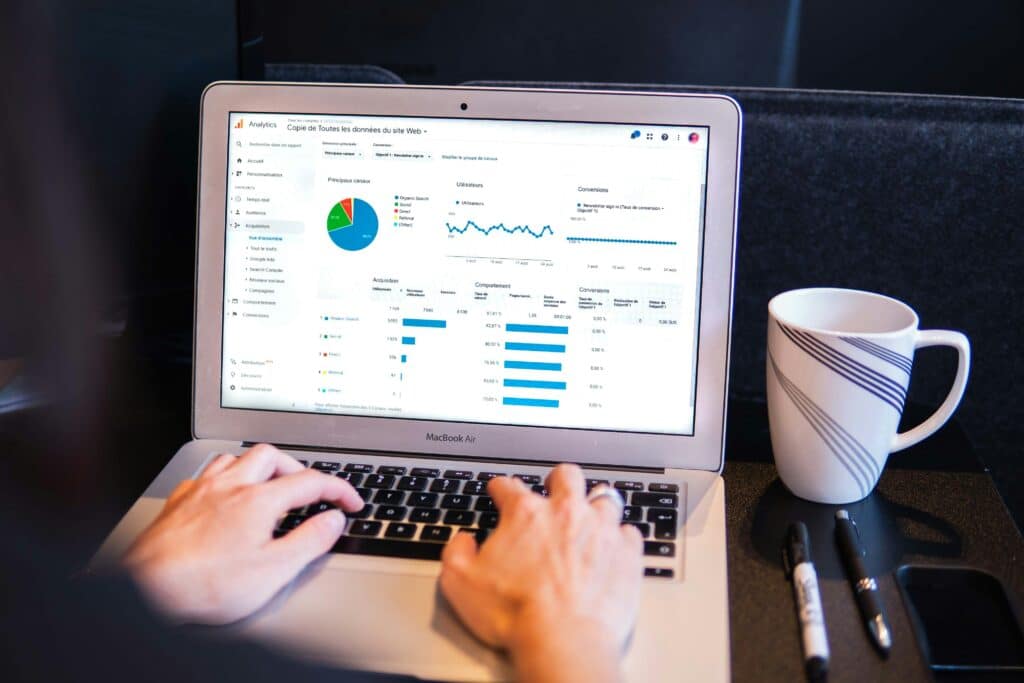
Employers prize critical thinking. A 2024 Gallup workplace survey showed 85 % of hiring managers rank critical thinking as the top trait they seek—even above technical skills. Jobs in healthcare, engineering, and business require people who can look at data, spot patterns, and make sound decisions.
Table 1: Top Skills Employers Want (Gallup 2024)
| Rank | Skill | Percent of Employers Citing |
|---|---|---|
| 1 | Critical Thinking | 85 % |
| 2 | Communication | 80 % |
| 3 | Collaboration | 74 % |
| 4 | Technical Knowledge | 68 % |
| 5 | Creativity | 61 % |
The message is clear: thinking critically is a career essential, not just a school skill.
4. Strengthening Society
Strong thinkers help their communities. People who reason carefully are more likely to vote, volunteer, and solve local problems. The National Association of Colleges and Employers (NACE) reported in 2024 that graduates with strong critical thinking skills are 20 % more likely to engage in civic activities within three years of finishing school.
Bullet points that highlight community impact:
- Identify fair solutions during group projects or debates.
- Evaluate evidence in news before forming opinions.
- Support fair decisions in student councils or local events.
- Advocate for positive change with clear, fact-based arguments.
5. Mental Health and Resilience
New studies also link critical thinking to emotional strength. A 2024 American Psychological Association brief showed students trained in reasoning strategies reported 15 % lower test anxiety and stronger coping skills when facing peer pressure. By questioning automatic negative thoughts, they handled stress more effectively.
6. How Schools Can Build Critical Thinking
Teachers and families can help students grow these abilities:
- Ask Open Questions: “What makes you think that?” encourages deeper reasoning.
- Use Real-World Problems: Math with budgets or science experiments with no single answer.
- Model Thinking Out Loud: Adults who explain their reasoning show how to evaluate facts.
- Encourage Reflection: Journals or group talks help students see how they solved a problem.
- Team Challenges: Escape-room style puzzles or project-based learning create fun practice.
Programs like Philosophy for Children have shown measurable success. A long-term study found that students in weekly philosophy discussions improved their math and reading scores by an average of two months of progress in one year(Education Endowment Foundation, 2023).
7. Global Importance
Critical thinking is vital worldwide. The OECD’s 2024 PISA survey revealed that students with strong reasoning skills scored over 40 points higher in problem-solving compared to peers who relied on memorization. Nations that invested in critical thinking training also saw higher rates of innovation and entrepreneurship.
Table 2: Critical Thinking and Global Outcomes (OECD 2024)
| Country Group | Avg. Problem-Solving Score | Innovation Index Rank |
|---|---|---|
| High CT Focus | 540 | Top 15 |
| Low CT Focus | 480 | Below 40 |
This second table shows a link between classroom thinking skills and a country’s creative economy.
8. Scholarly Sphere’s Role
At Scholarly Sphere, we post blogs and articles about education and learning that guide teachers and students through these steps and more!
9. Looking Ahead
The future will bring new challenges: artificial intelligence, climate change, and global communication. Facts will keep changing, but the ability to think critically will stay valuable. Students who master this skill will not only earn better grades but also lead in workplaces and communities.
Bringing It All Together

Critical thinking is not a single lesson that ends when the bell rings. It is a lifelong skill that grows every time students ask questions, check facts, and look for evidence. From Maya’s science mystery to global research studies, we see that critical thinking helps students earn better grades, solve problems in everyday life, and build confidence when facing tough choices.
Schools that teach reasoning give students a powerful advantage. Statistics show higher test scores, stronger reading skills, and better problem-solving abilities when classrooms focus on deep thinking instead of simple memorizing. Employers also place critical thinking at the top of their hiring lists because businesses, hospitals, and technology companies need workers who can analyze information and find smart solutions.
This skill also reaches beyond school and work. Students who learn to think critically are more likely to participate in their communities, vote, and even stay calmer under stress. They can sort true news from false stories, understand different opinions, and make decisions that improve their lives and the world around them.
You do not need expensive tools to practice. Start by asking “why” in class discussions, checking a source before sharing it online, or comparing options before making a purchase. Teachers and parents can help by encouraging open questions and offering real-world problems to solve. Each small step builds the habit of looking deeper.
At Scholarly Sphere, our articles and resources give students and teachers fresh ways to practice these skills. We share lesson ideas, research updates, and activities that turn ordinary topics into chances for careful thinking. By exploring these resources, learners can keep strengthening their minds every day.
Critical thinking transforms school from a place of memorization into a workshop for smart decision-making. It prepares students for future careers, civic life, and the challenges of a fast-changing world. The more we practice it, the more ready we are for whatever comes next.
So as you finish this article and return to your own classes and questions, think about the choices you face today. Will you simply accept the first answer you hear, or will you pause, ask “why,” and start thinking critically?
References
American Psychological Association. Critical Thinking and Student Well-Being Brief. 2024.
https://www.apa.org/education/
Partnership for 21st Century Learning (P21). Framework for 21st Century Learning. 2023.
https://www.battelleforkids.org/networks/p21
U.S. Department of Education. National Assessment of Educational Progress (NAEP) Reports on Higher-Order Skills. 2024.
https://nces.ed.gov/nationsreportcard/
Gallup. State of the American Workplace: Key Skills Employers Need. 2024 survey summary.
https://www.gallup.com/workplace/
Stanford History Education Group. Civic Online Reasoning Research. 2023 update.
https://cor.stanford.edu/
Education Endowment Foundation. Philosophy for Children Evaluation Report. 2023.
https://educationendowmentfoundation.org.uk/projects/philosophy-for-children
National Association of Colleges and Employers (NACE). Job Outlook Report. 2024.
https://www.naceweb.org/job-market/trends-and-/
OECD. Programme for International Student Assessment (PISA) 2024: Problem Solving Results.
https://www.oecd.org/pisa/