How the Classroom Environment Shapes Learning
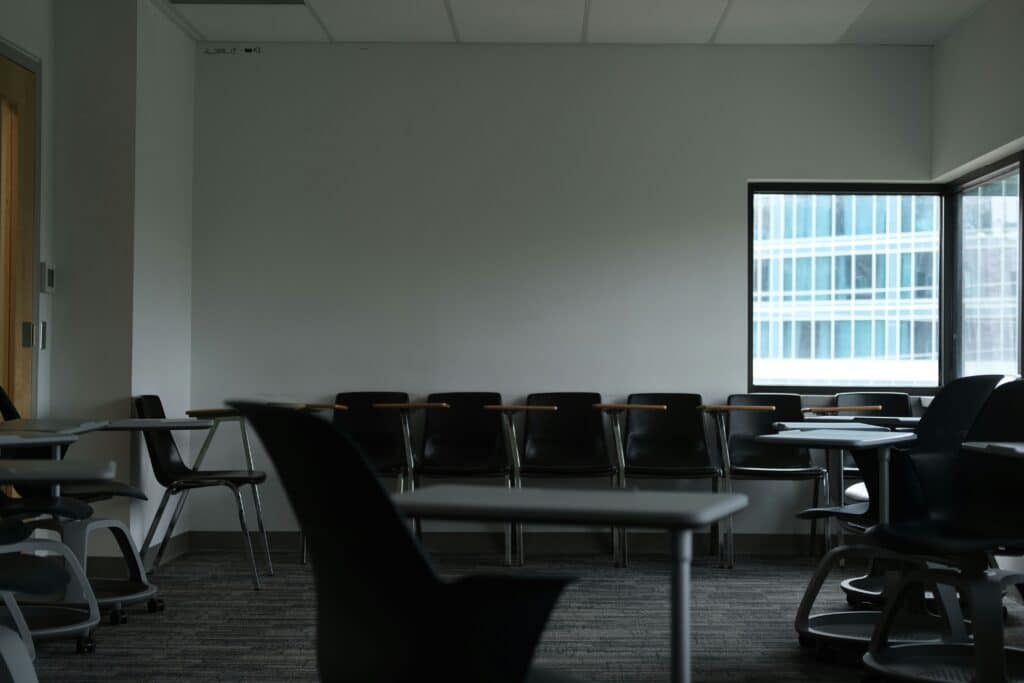
Imagine walking into two classrooms: one is bright, colorful, and filled with plants and student artwork. The other is dimly lit, cluttered, and noisy. Which one would make you feel excited to learn? Most students would pick the first classroom, and research agrees that the classroom environment plays a huge role in learning. A positive, well-organized classroom can improve student engagement, focus, and even test scores.
According to a study by the University of Salford, students in well-designed classrooms showed a 16% increase in learning progress compared to those in poorly designed spaces (source). Factors like lighting, seating arrangement, color, and noise levels all affect how well students can focus and participate.
Here are some key aspects of classroom environment that influence learning:
- Lighting: Natural light helps students stay alert and improves reading comprehension. A study in the Journal of Environmental Psychology found that students exposed to daylight performed 18% better on tests than those in artificial light (source).
- Seating arrangement: Flexible seating allows students to collaborate and stay engaged. Desks arranged in groups often encourage teamwork and discussions. Teachers report that students participate more when they can see each other.
- Noise levels: High noise can reduce attention and memory. Classrooms with sound-absorbing materials, like carpets or acoustic panels, help students focus.
- Colors and decor: Calm, bright colors and student artwork create a welcoming atmosphere, boosting mood and motivation. Even simple things like posters and bulletin boards can make a classroom feel lively and inspiring.
- Temperature and air quality: Students focus better in comfortable temperatures and clean air. Poor ventilation can make students sleepy or distracted.
| Classroom Factor | Positive Effect on Learning | Statistic |
|---|---|---|
| Lighting | Better focus and comprehension | +18% test performance (source) |
| Seating Arrangement | Encourages collaboration | +12% engagement (source) |
| Noise Level | Improves attention | -15% distraction (source) |
| Colors & Decor | Boosts motivation and mood | +10% participation (source) |
| Temperature & Air | Increases alertness | +8% focus (source) |
Creating a positive classroom environment doesn’t just help students. Teachers also feel more energized and motivated to teach when their classroom is organized and welcoming. Small changes like adding plants, rearranging desks, or displaying student projects can make a big difference for everyone in the room.
Even simple adjustments, like letting students choose where they sit or adding a reading corner, can make a classroom feel more personal and comfortable. Over time, these small changes add up, helping students feel more confident, focused, and excited to learn.
How Classroom Environment Fuels Student Engagement and Learning

Imagine walking into two classrooms. One is brightly lit, with large windows letting in natural sunlight, desks arranged in clusters for group work, colorful posters and student artwork on the walls, and a small reading corner in the back. The other is dim, cluttered, and uninspiring, with rows of old desks and bare walls. Most students would naturally feel more energized and ready to learn in the first classroom. This illustrates a simple but powerful truth: classroom environment plays a critical role in learning and engagement.
Research supports this idea. According to the University of Salford, students in well-designed classrooms showed a 16% increase in learning progress compared to those in traditional or poorly designed classrooms (source). Classroom environment impacts attention, memory, motivation, and collaboration.
Key Elements of Effective Classroom Design
- Lighting
- Natural light boosts alertness and mood.
- A study in the Journal of Environmental Psychology found students exposed to natural light scored 18% higher on tests than those in artificial light (source).
- Poor lighting can cause eye strain, fatigue, and lower engagement.
- Seating Arrangements
- Flexible seating allows students to work alone, in pairs, or in groups.
- It encourages collaboration and participation.
- Desks arranged in a U-shape or circle improve communication between students and the teacher.
- Room Layout
- Open spaces facilitate movement and active learning.
- Designated areas for group work, quiet study, and technology integration cater to different learning styles.
- Color and Decor
- Bright, warm colors improve mood, creativity, and motivation.
- Displaying student work creates a sense of ownership and pride.
- A study in the International Journal of Educational Research found classrooms with personalized decor increased engagement by 10% (source).
- Temperature and Air Quality
- Comfortable temperatures and good ventilation help students stay alert.
- Poor air quality can reduce attention span and increase drowsiness (source).
| Classroom Factor | Positive Effect on Students | Statistic |
|---|---|---|
| Lighting | Improves focus & comprehension | +18% test performance (source) |
| Seating Arrangement | Encourages collaboration | +12% engagement (source) |
| Room Layout | Supports teamwork & communication | +15% group participation (source) |
| Color & Decor | Boosts mood & motivation | +10% engagement (source) |
| Temperature & Air | Enhances focus & alertness | +8% attention (source) |
How Classroom Environment Boosts Engagement
Engaged students are active learners—they participate, collaborate, and retain information better. A study by the National Center for Education Statistics found that students in engaging classroom environments were 25% more likely to report high academic achievement.
Ways to enhance engagement through classroom environment:
- Interactive Technology: Smartboards, tablets, and learning apps make lessons more interactive and cater to different learning styles.
- Student Choice: Allowing students to choose seating or assignment topics increases ownership and motivation.
- Quiet Zones: Areas for independent reading or focused work reduce distractions.
- Visual Learning Spaces: Interactive walls, posters, and bulletin boards encourage participation and creativity.
- Collaborative Layouts: Group-oriented arrangements like circles or clusters encourage teamwork and discussion.
| Engagement Strategy | How It Helps Students | Evidence |
|---|---|---|
| Interactive Technology | Makes learning fun & engaging | +14% retention (source) |
| Student Choice | Promotes ownership & responsibility | Increased motivation (source) |
| Quiet Zones | Improves focus | +10% concentration (source) |
| Visual Learning Spaces | Encourages participation | +15% interaction (source) |
| Collaborative Layouts | Enhances teamwork & discussion | +12% group participation (source) |
Real-World Applications
- Finland: Finnish schools redesign classrooms with flexible seating and collaborative spaces, contributing to top global test scores.
- 24 Carrot Gardens (Tasmania, Australia): Hands-on projects like gardening improved engagement, collaboration, and academic performance.
- Edutopia Schools (USA): Incorporating flexible layouts, interactive walls, and technology led to measurable improvements in participation and test results.
- Singapore: Classrooms designed with quiet corners and group work zones showed increased focus and better peer-to-peer learning outcomes.
Practical Tips for Students and Teachers:
- Teachers can rotate desk arrangements to suit different lessons.
- Add plants or colorful posters to improve mood.
- Create zones for group work, technology, and quiet reading.
- Use blogs and educational articles to discover new strategies for classroom design.
- Encourage students to personalize parts of the classroom, like bulletin boards, for a sense of ownership.
Why This Matters
The classroom environment is more than just a backdrop—it actively shapes learning. When students feel comfortable, motivated, and engaged, they are more likely to participate, retain information, and enjoy school. Teachers also benefit: managing an engaged class is easier, and lessons feel more rewarding.
A positive classroom environment leads to:
- Improved academic performance
- Increased student motivation and engagement
- Enhanced collaboration and communication skills
- Greater teacher satisfaction
By focusing on design, seating, lighting, and interactive elements, educators can create classrooms that support both teaching and learning.
The big question remains: How can we continue to innovate classroom environments to make learning even more engaging and effective for every student?
Practical Strategies to Improve Classroom Environment

Creating a positive classroom environment doesn’t have to be complicated or expensive. Small changes can make a big difference for both students and teachers. By focusing on organization, flexibility, and engagement, classrooms can become spaces where everyone thrives.
1. Optimize Lighting and Air Quality
- Use natural light whenever possible; open blinds and curtains during the day.
- Install bright but soft lighting in areas without windows.
- Ensure proper ventilation to keep air fresh and reduce drowsiness.
| Strategy | Benefit | Example |
|---|---|---|
| Natural Light | Increases alertness and focus | Open classroom blinds and place desks near windows |
| Ventilation & Air Flow | Reduces fatigue and improves attention | Add fans or air purifiers for better airflow |
| Adjustable Lighting | Supports different activities | Dim lights for presentations, brighten for reading |
2. Flexible Seating and Layout
- Arrange desks in clusters for group activities and discussions.
- Use U-shaped or circular layouts for better teacher-student interaction.
- Offer quiet corners or individual seating for independent work.
Benefits of Flexible Layouts:
- Encourages teamwork and communication.
- Supports multiple learning styles.
- Helps students feel comfortable and in control of their learning space.
3. Add Visual and Interactive Elements
- Decorate walls with educational posters, student projects, or inspiring quotes.
- Use whiteboards or bulletin boards for interactive activities.
- Incorporate technology like smartboards, tablets, or learning apps.
| Visual/Interactive Feature | Effect on Learning | Example |
|---|---|---|
| Student Artwork | Builds pride & ownership | Display art projects or writing assignments |
| Posters & Infographics | Reinforces learning | Math formulas, historical timelines, or science charts |
| Interactive Boards | Boosts engagement | Brainstorming sessions, quizzes, or problem-solving exercises |
4. Create Zones for Different Activities
- Group Work Zone: Space for collaboration and discussion.
- Quiet Zone: Area for focused reading or independent work.
- Technology Zone: Tables or corners with tablets or computers.
Why Zones Matter:
- Students can choose where they work best.
- Reduces distractions and improves focus.
- Encourages self-regulation and responsibility.
5. Encourage Student Involvement
- Let students personalize parts of the classroom, such as bulletin boards or reading corners.
- Assign classroom jobs to give students ownership and responsibility.
- Ask for feedback on classroom layout and activities.
Benefits:
- Builds engagement and motivation.
- Creates a sense of community and respect.
- Helps teachers identify what works best for their students.
6. Support Teachers
- Teachers should have flexible spaces for planning and collaboration.
- Professional development on classroom design can help teachers implement effective changes.
- Sharing ideas through blogs, educational websites, and articles keeps teaching practices fresh.
Practical Checklist for Teachers
- ✅ Add natural light and fresh air
- ✅ Rearrange desks for collaboration and flexibility
- ✅ Decorate walls with visuals and student work
- ✅ Create quiet and group zones
- ✅ Integrate technology thoughtfully
- ✅ Involve students in classroom design
Conclusion
Classroom environment is a powerful tool for improving student engagement, motivation, and learning outcomes. From lighting and seating to decor and technology, every element contributes to creating spaces where students thrive. Teachers and students both benefit when classrooms are designed thoughtfully: learning becomes more effective, discussions more lively, and school more enjoyable.
By implementing even a few of these strategies, classrooms can transform into dynamic learning spaces that encourage curiosity, focus, and collaboration.
The ultimate question is: how can we continue to evolve our classrooms to make learning exciting and meaningful for every student?
References
ScienceDirect. (2018). Temperature and air quality effects on learning. https://www.sciencedirect.com/science/article/abs/pii/S0360132318301610
Barrett, P., Davies, F., Zhang, Y., & Barrett, L. (2015). The impact of classroom design on pupils’ learning. Building and Environment, 89, 118–133. https://www.sciencedirect.com/science/article/pii/S0360132315000700
Boubekri, M., Hull, R., & Boyer, L. (2014). Impact of windows and daylight exposure on overall health and sleep quality of office workers: a case-control pilot study. Journal of Environmental Psychology, 39, 1–8. https://pbk.com/insights/designing-for-natural-daylighting-in-educational-spaces-a-brighter-future-for-students
Finn, J. D. (1993). School engagement and students at risk. National Center for Education Statistics. https://nces.ed.gov/pubs93/93470a.pdf
Edutopia. (2015). Flexible seating boosts learning: What you need to know. https://www.edutopia.org/article/flexible-seating-boosts-learning
Stanford Graduate School of Education. (2020). Digital games boost student engagement in math. https://ed.stanford.edu/news/digital-games-boost-student-engagement-math
National Center for Biotechnology Information. (2018). Noise and classroom learning. https://www.ncbi.nlm.nih.gov/pmc/articles/PMC6198213/
Frontiers in Education. (2019). Interactive learning environments and classroom engagement. https://www.frontiersin.org/articles/10.3389/feduc.2019.00076/full
Associated Press. (2025). US high school students lose ground in math and reading, continuing yearslong decline. https://apnews.com/article/c18d6e3fbc125f12948cc70cb85a520a
Wired. (2013). Study: School design can significantly affect children’s grades. https://www.wired.com/2013/01/school-design-affect-grades