
Building a Strong Support System in School: Tips, Tricks, and Benefits

Whether it’s a tough assignment, something personal, or time management, having the right people around you makes everything go easier.
Building a robust support network isn’t just about grades. It helps with your mental health, confidence, and how you handle stress day-to-day.
This guide covers practical ways to build your support system and why you should.
Key Takeaways
- A strong school support system includes teachers, peers, mentors, and counselors who help you succeed academically and personally
- Building effective support networks means reaching out, joining groups, and keeping regular contact with trusted folks
- Students with strong support systems see better grades, improved mental health, and greater confidence when things get tough
Core of Having Strong School Support System
Every strong support system in school depends on trusted adults, families, and an environment where you feel you belong. It’s about knowing you can actually turn to them whenever.
Support Networks in School
Your support network in school is all about the people who help you thrive both in class and outside it. Teachers, school counselors, coaches, and staff are the backbone.
Your classmates, friends, and study buddies are also important aswell. They’re the ones who get what you’re going through and can make a tough day manageable. Sometimes, older students step in as mentors, sharing what worked for them and what didn’t.
Building a positive school culture means all these groups work together. If you know who to ask for help, you handle problems way faster.
- Support networks include teachers, counselors, peers, and mentors
- Older students can guide younger ones through challenges
- Knowing who to turn to saves time and stress
The Importance of Sense of Belonging and Connectedness
Your sense of belonging shapes how you show up at school. When you feel connected to your school community, you’re more likely to participate and reach out for support.

Belonging grows from positive relationships with teachers and friends. It also comes when you see yourself in what you’re learning and feel your opinions matter in school decisions.
| Belonging Indicators | Why They Matter |
|---|---|
| Trust in at least one adult | Helps you ask for help sooner |
| Feeling safe and respected | Makes risk-taking less scary |
| Participation in activities | Builds confidence and friendships |
- Belonging helps you bounce back from setbacks
- Feeling “seen” boosts motivation
- Support networks grow stronger when you feel included
Roles of School Counselors and Educators
School counselors bridge the gap between your academic goals and your personal life. They’ll help you figure out your schedule, think about college, and handle social stuff that pops up.
The best teachers adapt to your needs, spot when you’re struggling, and connect you with the right resources. They’re often the first step in building a strong support system.
- Counselors help with planning and wellbeing
- Teachers notice when you need extra support
- Leadership sets the tone for support systems
Family and Community Involvement

Parental involvement plays a huge role in your academic achievement. When families talk to teachers, show up at events, or just check in about homework, you get consistent backup.
The home-school connection thrives on open communication. Teachers can update families on your progress, while your family can share what’s happening outside school that might affect you.
| Involvement Type | Impact |
|---|---|
| Regular communication | Builds trust and clarity |
| Community partnerships | Brings real-world learning |
| Family engagement | Reinforces expectations at home |
- Workshops and volunteer opportunities help families stay involved
- Digital tools keep everyone in the loop
- Community programs expand your support network
Building Effective Support Structures and Practices
The best support systems mix clear intervention plans with an environment where you feel heard and valued—sounds simple, but it takes real work.
Multi-Tiered Systems of Support (MTSS) Framework
MTSS is a framework that helps schools spot students who need extra help and figure out what works for them.
There are three tiers. Tier 1 covers everyone with quality teaching. Tier 2 gives extra help to students who need more than the basics. Tier 3 is for students who need really focused, daily interventions.
- Student Support Teams meet to review progress
- Plans change as students improve or need more help
- MTSS makes sure no one falls through the cracks
Involving Student Voice in Support Systems
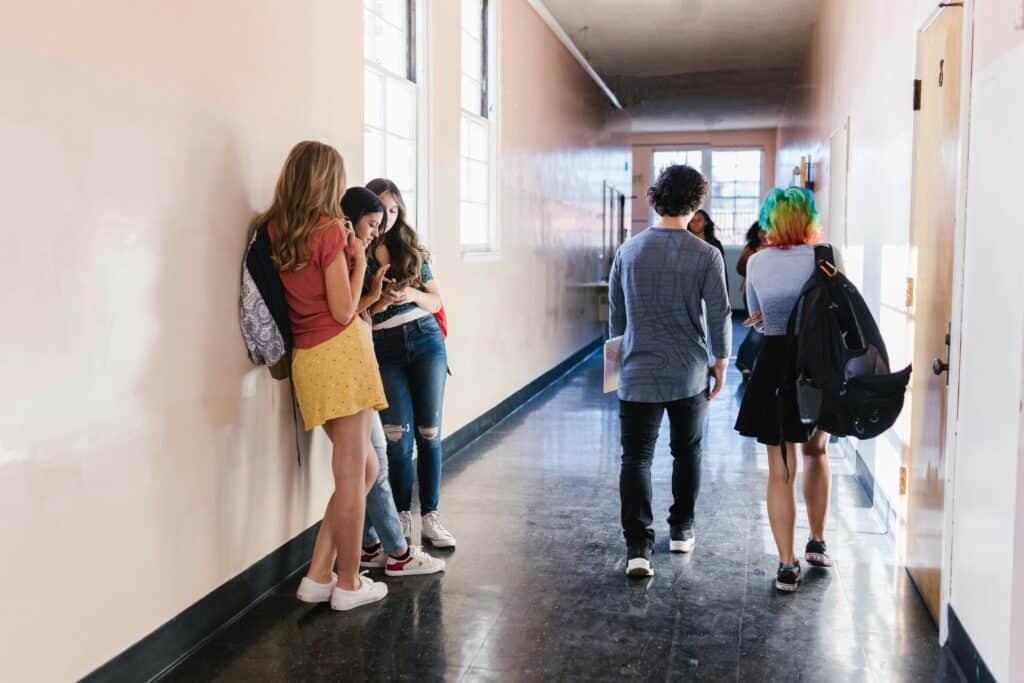
Students actually know what helps them learn best, but schools often forget to ask.
Survey students, run focus groups, or let them sit in on support team meetings. Peer tutoring, advisory councils, and open discussions help students design supports that work for them.
| Student Voice Activity | Benefit |
|---|---|
| Surveys/focus groups | Uncover real needs |
| Peer tutoring | Builds leadership and support |
| Student councils | Promotes ownership |
- Students engage more when they help design supports
- Ownership leads to stronger results
- Student input keeps support systems relevant
Practical Strategies for Strengthening Support Networks
Building a strong support system takes real action. Schools can help by setting up group activities, encouraging relationships, and offering programs that unites students.
Fostering Peer Support and Study Groups
Peer support happens when students help each other out, both academically and socially. You might start with a study group focused on a tricky subject.
Student council and peer mentoring programs let older students guide younger ones, giving both sides a chance to grow. Pairing students across grades builds relationships and keeps the support system strong.
Try setting up classroom time for group work or peer tutoring. When students can ask each other questions without feeling awkward, it naturally builds a strong support system.
- Study groups should meet at regular times
- Peer mentoring helps both mentors and mentees
- Classroom collaboration encourages trust
- Peer tutoring connects students with different strengths
The Role of Extracurricular and After-School Activities
Ever notice how extracurricular activities can draw students together? Whether it’s sports, drama, debate, or music, these often spark genuine friendships that last.

After-school programs stretch learning time and offer safe places to connect. Maybe you join a homework club for academic help, or dive into art, tech, or community service with others who share your interests.
It helps coaches, club sponsors, adults see who you really are. They become a crucial part of building a strong support system, offering different perspectives than classroom teachers ever could.
Classroom Management and Academic Support
When teachers manage classrooms well, you feel safe enough to ask for help. Clear routines and positive discipline aren’t just rules.
Direct academic support matters, too. Knowing exactly when and where to get help, like office hours removes uncertainty and makes building a strong support system a lot simpler.
academic support structures:
- Drop-in tutoring for quick homework help
- Scheduled office hours for one-on-one time with teachers
- Learning centers with resources for tricky subjects
- Online platforms for after-hours questions
Benefits and Outcomes of a Strong Support System
A strong support system changes everything. It boosts Your academic performance, supports mental health, and builds a social circle around you that could last after school.
Enhancing Student Engagement and Achievement
When you’re surrounded by a strong support system, motivation comes easier. You show up to class more, participate with less hesitation, and often care more about the outcome.
Family, teachers, and friends who consistently encourage you make a real difference. With their feedback and belief, you set goals that feel possible and get help before you’re in over your head.
- Support systems encourage attendance and engagement
- Feedback from your network keeps you on track
- Asking for help feels less intimidating
Promoting Mental Health and Social-Emotional Learning (SEL)
Your mental health gets a lift when you have people to talk to about stress, anxiety, or just life’s curveballs. A support system makes tough times feel less lonely and more manageable.

SEL skills grow out of these relationships. You learn to read your own emotions and those of others.
When your support system includes school counselors or community resources, it’s easier to find professional help if you need it.
| Benefit | How Support Systems Help |
|---|---|
| Academic Achievement | Encouragement, feedback, and accountability |
| Mental Health | Safe outlets for stress and anxiety |
| SEL Growth | Opportunities to practice empathy and self-regulation |
- Building a strong support system improves coping skills
- Access to resources can prevent bigger problems
- SEL skills develop through real relationships
Building a Strong Support System in Everyday School Life
building a strong support system is about seeking out the right people and places. You might not click with everyone, but finding even a few trusted peers or adults can shift your whole school experience.
Try joining a new club, attending a study group, or just chatting with a teacher you respect.
- Look for groups where you feel comfortable
- Don’t be afraid to ask for help early
- Check in with mentors or advisors regularly
- Remember, building a strong support system takes time
How Schools Can Foster Support Systems
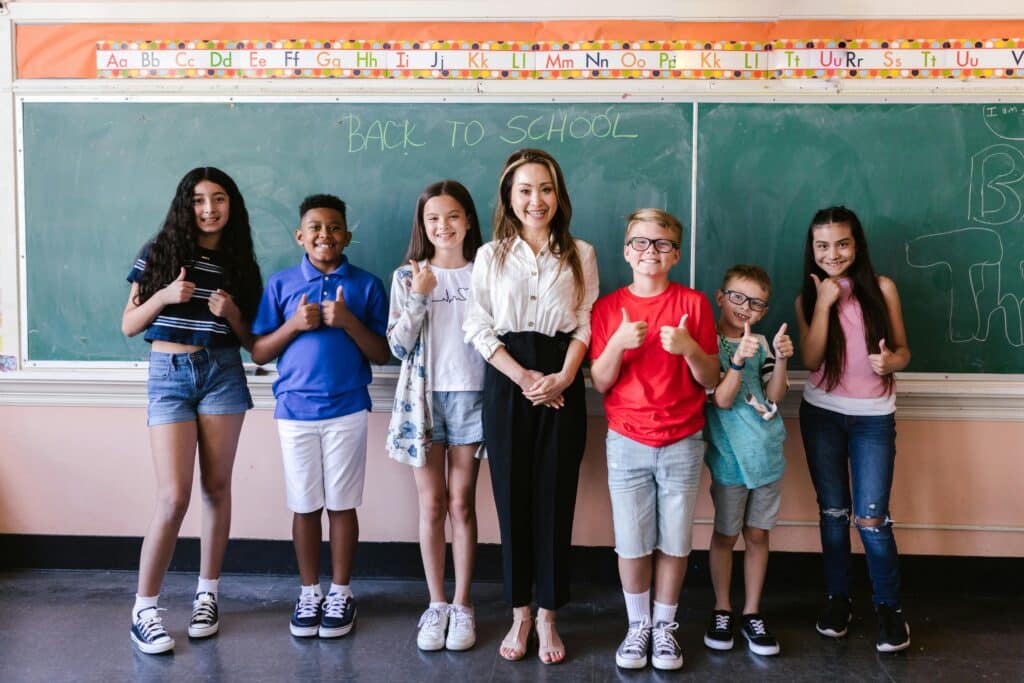
Schools can do more to help students build a strong support system. They can promote clubs, make support resources visible, or train staff to spot when someone needs extra help.
It’s about culture. If students see that reaching out is normal, they’ll do it more often.
- Highlight after-school activities and clubs
- Make support services easy to find
- Encourage staff to build relationships with students
| Action | Impact |
|---|---|
| Visible resources | Students know where to turn |
| Inclusive clubs | More chances to connect |
| Staff training | Better early intervention |
Developing Resilience and Lifelong Skills
Resilience starts to grow when you have encouragement and the right tools to bounce back from failures. If you’re building a strong support system.
You pick up problem-solving skills by watching mentors and friends tackle their own challenges. Seeing their different strategies can help you rethink how you approach difficult situations.
- Learn to ask for help when you need it
- Practice building and keeping relationships
- Figure out time management and handling responsibilities
- Adapt to new situations more easily
- Support others and pay it forward
| Skill | How It Helps |
|---|---|
| Problem-Solving | Lets you face challenges with new ideas |
| Relationship-Building | Strengthens your network for the future |
| Adaptability | Makes transitions way less scary |
Final Thoughts

It’s clear that building a strong support system matters. Whether you’re a student, teacher, or parent, investing in these connections pays off for years.
Sometimes the process feels awkward or slow. But the payoff—better grades, mental health, and lasting friendships—makes it worth it for the present and the future.
References
5 Steps for Building and Strengthening Students’ Networks. Christensen Institute, 5 May 2021, https://www.christenseninstitute.org/publication/5-steps-for-building-and-strengthening-students-networks/
American Psychological Association. School Connectedness. American Psychological Association, https://www.apa.org/pi/lgbt/programs/safe-supportive/school-connectedness
Bangao, Kathlyn. Building a Support System in School and Life. BrainMatters Learning, n.d., https://brainmatterslearning.com/building-a-support-system-in-school-and-life/
Building a Support System for Your Child. 700 Children’s Blog, 29 Sept. 2023, https://www.nationwidechildrens.org/family-resources-education/700childrens/2023/09/why-your-child-needs-a-support-system
Dhok, Saurabh. Building a Support System in High School: Friends, Family, Counselors, and Knowing Where to Turn for Help. Cirkledin, 28 Mar. 2025, https://www.cirkledin.com/library/mental-health-and-well-being/building-a-support-system-in-high-school/
Building a Support System in School and Life. BrainMatters Learning, n.d., https://brainmatterslearning.com/building-a-support-system-in-school-and-life/
A Supportive Classroom Environment. CASEL Schoolguide, https://schoolguide.casel.org/focus-area-3/classroom/a-supportive-classroom-environment/
Centers for Disease Control and Prevention. Enhance Connectedness Among Students, Staff, and Families. CDC, 3 Dec. 2024, https://www.cdc.gov/mental-health-action-guide/strategies/enhance-connectedness.html
Centers for Disease Control and Prevention. School Connectedness Helps Students Thrive. CDC, 18 Nov. 2024, https://www.cdc.gov/youth-behavior/school-connectedness/index.html

Pingback: Essential Tips for Freshmen: Transition from High School to College