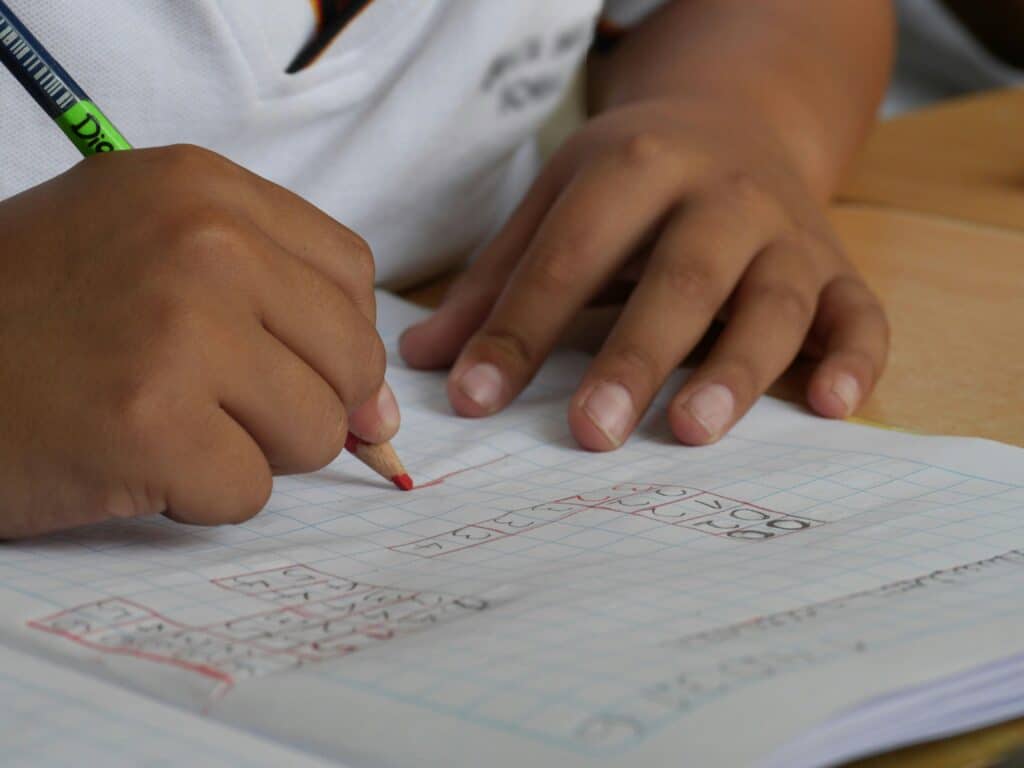
Building Self-Confidence in School

Building self-confidence in school is something you can get from lessons, routines, and even the way classmates talk to each other. Small actions can help you push through tough days and come back stronger.
This guide will discuss how to create success, use feedback wisely, and turn mistakes into wisdom. These will be practical strategies that students can use to make building self-confidence
Key Takeaways
- Confidence comes from repeated, doable successes.
- Clear feedback and goal-setting build skills and self-belief.
- A supportive classroom culture turns setbacks into learning moments.
Core Principles of Building Self-Confidence in Students
Some core ideas can shape how building self-confidence in school works. Beliefs, habits, and choices are going to be your key stepping stones.
The Connection Between Self-Confidence and Academic Success
When students feel confident, they jump into tough assignments and ask for help when they’re stuck.
Research keeps showing that building self-confidence in school links to better grades, higher persistence, and more classroom participation.
Give specific praise tied to effort and strategy, not just the result. Try saying, “You used a clear plan to solve that equation”—it helps students spot what works.
Scaffold tasks and make them visible. Break projects into steps, and use student work as examples. This approach shrinks anxiety and turns big goals into something students can actually tackle.
| Aspect | How It Helps Confidence |
|---|---|
| Small Wins | Show students their effort leads to real progress |
| Specific Praise | Reinforces effective strategies and effort |
| Visible Steps | Makes big tasks less intimidating |
Understanding Growth Mindset and Its Role
A growth mindset means students believe they can get better with effort and the right strategies. Teach them that intelligence and talent aren’t set in stone.

Use language that credits the process, like, “You improved because you practiced this method.” Avoid labels like “not a math person.” Model how to use mistakes as learning data. Show corrections step by step, and ask students to revise their work.
Quick reflection prompts—like “What changed?” or “What helped?”—link effort to progress. These routines build a habit of seeing growth, which is central to building self-confidence in school.
- Promote process-focused feedback
- Normalize mistakes as part of learning
- Encourage revision and reflection
The Impact of Self-Image and Self-Talk
How students talk to themselves matters way more than most realize. Negative self-talk (“I’m bad at reading”) just drags persistence down.
Teach students to spot and reframe those thoughts. Instead of “I’m bad at this,” try “I can practice for ten minutes and see what happens.”
Use short lessons on positive self-image and highlight role models. Let students list past successes and strategies that worked.
| Strategy | Effect |
|---|---|
| Reframing Self-Talk | Boosts resilience and effort |
| Role Models | Inspires positive self-image |
| Peer Shout-Outs | Builds community confidence |
- Encourage daily affirmations tied to real tasks
- Use peer shout-outs for specific successes
- Keep reflection routines short and regular
Practical Strategies to Enhance Student Confidence
Here are some real-world ways to help you set goals, work with peers, use quick activities, and build confidence in tricky subjects like math and science.
Goal Setting and Celebrating Success
Teach students to set short, concrete goals like “master five multiplication facts this week” or “speak for 60 seconds during group share.” Break big targets into daily steps and write them on cards or a class board.
Check progress with quick, private tick marks so students see their own growth. Celebrate wins publicly and privately. Try a “win share” at the end of class, stickers for completed steps, or notes home about effort.
Name the skill used—persistence, planning, whatever fits. Encourage students to reflect: What worked? What’s next? One small step at a time builds real, lasting self-confidence in school.
- Set small, specific goals
- Use daily progress checks
- Celebrate effort, not just outcomes
Peer Mentoring and Collaborative Learning
Pair up students for short, structured sessions—10 to 15 minutes. Assign roles like “explainer,” “questioner,” and “checker,” and rotate them so everyone gets a turn.
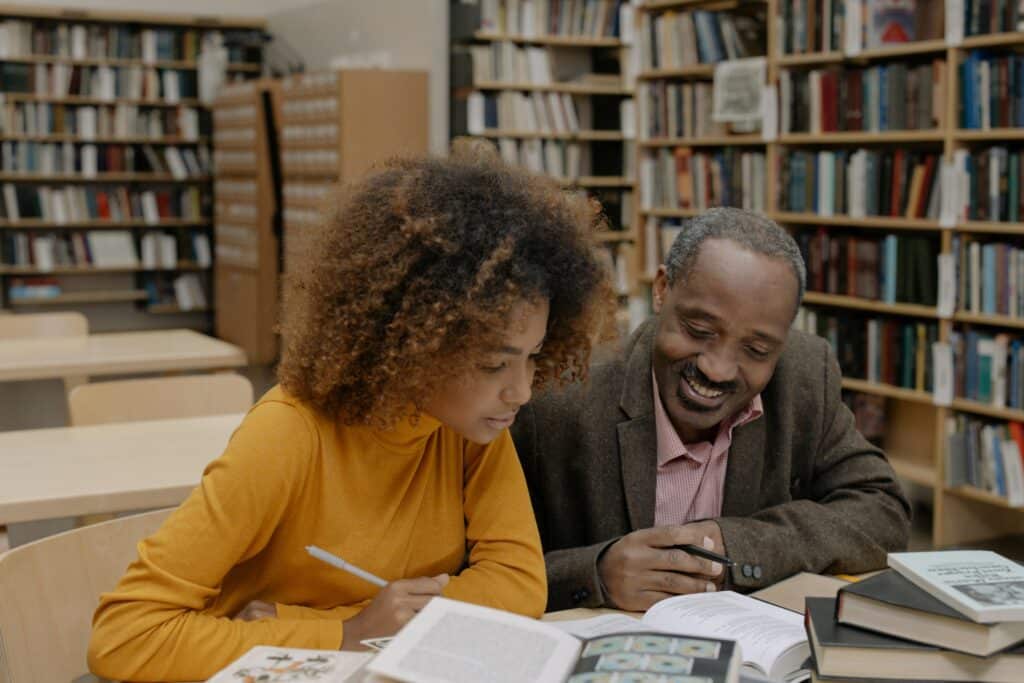
Use small-group projects with clear tasks and simple rubrics. Peers can give focused praise, like “You explained your method clearly.” Teach students to share one struggle and how they fixed it.
- Pair peers for structured learning
- Rotate roles to build different skills
- Focus feedback on effort and improvement
| Approach | How It Builds Confidence |
|---|---|
| Peer Roles | Encourage communication and support |
| Group Projects | Let students see each other’s growth |
| Focused Praise | Highlights specific strengths |
Activities and Affirmations to Build Confidence
Try three easy activities: daily affirmations, mini-presentations, and skill stations. For affirmations, hand out scripts like “I learn from mistakes” or “I can improve with practice.” Have students say one out loud before a test or presentation.
Mini-presentations—just 90 seconds—let students practice speaking in low-stakes settings. Use a timer and a cheers rule. Skill stations give students a chance to rotate through puzzles, quick writing, or hands-on science tasks.
- Daily affirmations before challenging tasks
- Short, supportive presentations
- Skill stations for quick, visible wins
Conclusion
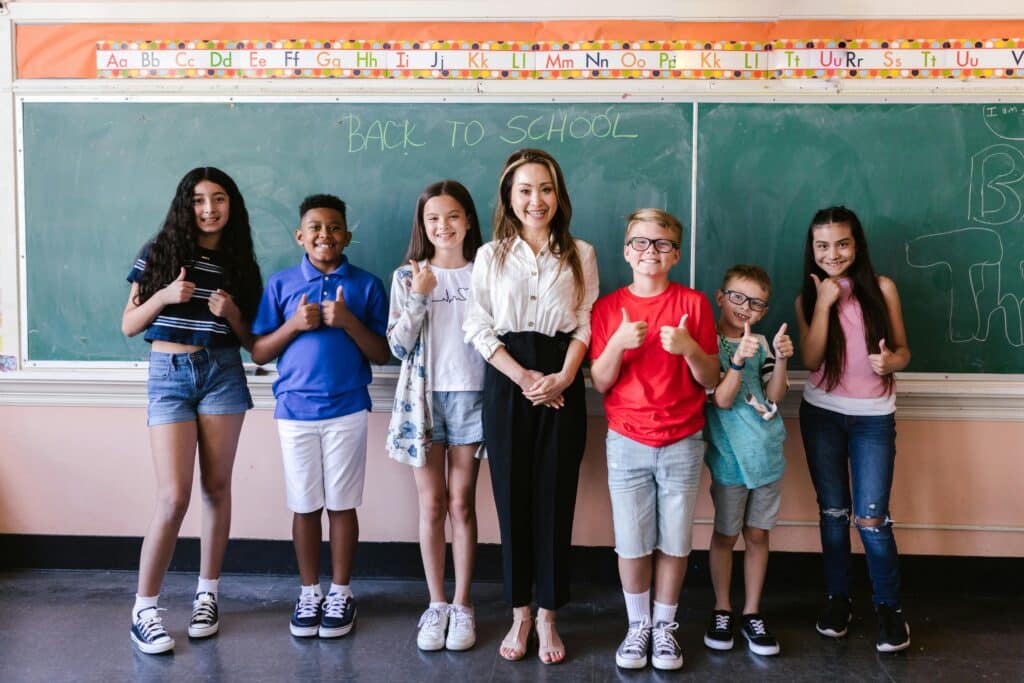
building self-confidence in school is a daily process, shaped by small choices, honest feedback, and a willingness to let students own their growth. Sometimes it feels slow, but those tiny wins add up.
Building self-confidence in school isn’t always easy, but it’s absolutely worth the effort. If you could change just one thing tomorrow, what would help your students believe in themselves the most?
References
American Psychological Association. “Self-Efficacy” American Psychological Association, https://www.apa.org/pi/aids/resources/education/self-efficacy
Bandura, Albert. “Self-Efficacy: Toward a Unifying Theory of Behavioral Change” Psychological Review, vol. 84, no. 2, 1977, pp. 191–215, https://doi.org/10.1037/0033-295X.84.2.191
Blackwell, Lisa S., Kali H. Trzesniewski, and Carol S. Dweck. “Implicit Theories of Intelligence Predict Achievement Across an Adolescent Transition: A Longitudinal Study and an Intervention” Child Development, vol. 78, no. 1, 2007, pp. 246–263, https://doi.org/10.1111/j.1467-8624.2007.00995.x
Centers for Disease Control and Prevention. “Promoting Mental Health and Well-Being in Schools” CDC, 3 Dec. 2024, https://www.cdc.gov/mental-health-action-guide/about/index.html
Dweck, Carol S. Mindset: The New Psychology of Success Random House, 2006
Hattie, John, and Helen Timperley. “The Power of Feedback” Review of Educational Research, vol. 77, no. 1, 2007, pp. 81–112, https://doi.org/10.3102/003465430298487
National Institute of Mental Health. “Child and Adolescent Mental Health” NIMH, https://www.nimh.nih.gov/health/topics/child-and-adolescent-mental-health
OECD. “The Importance of Social and Emotional Skills” OECD, https://www.oecd.org/education/ceri/social-emotional-skills-study
Pajares, Frank. “Self-Efficacy Beliefs in Academic Settings” Review of Educational Research, vol. 66, no. 4, 1996, pp. 543–578, https://doi.org/10.3102/00346543066004543