A Guide to Choosing the Right College and Major For You: Key Steps for Success

Choosing a College and major shapes your education, your skills, and your future work. You face a wild number of options, and every single one can change your time, money, and career path.
But here’s the upside: you can make a smart decision with a few clear steps and some honest self-reflection. It’s not magic, but it’s not impossible either.
Most colleges let you explore before locking in a major. If your goals shift, you can often change majors—though there may be a few hoops to jump through.
With the right plan, you move forward with more clarity and maybe even a little confidence.
Key Takeaways
- Match your interests and strengths with clear career goals.
- Compare colleges based on programs, costs, and student support.
- Stay flexible and adjust your plan as you learn more about yourself.
Understanding College Majors and Their Importance
Your college major shapes the classes you take, the skills you build, and the jobs you’ll be ready for after graduation.
What Is a College Major?
A college major is the main subject you’ll study during your degree program. Most colleges ask you to finish a set number of courses in that field—often about one‑third to one‑half of all your classes.
When you declare a major, you’re picking a focused plan of study. You’ll take required courses, advanced classes, and maybe even do internships tied to that subject.
Many colleges let you wait until the end of sophomore year before declaring. That gives you room to explore and not rush your choice.
You can also start as an undecided major. This way, you take general courses while testing different subjects.
If your interests change, you can switch majors. Just check how that might affect your graduation timeline and required credits.
- Majors require more courses and focus than minors
- Many schools let you explore before declaring
- Switching majors may impact your graduation date
How Majors Differ From Minors
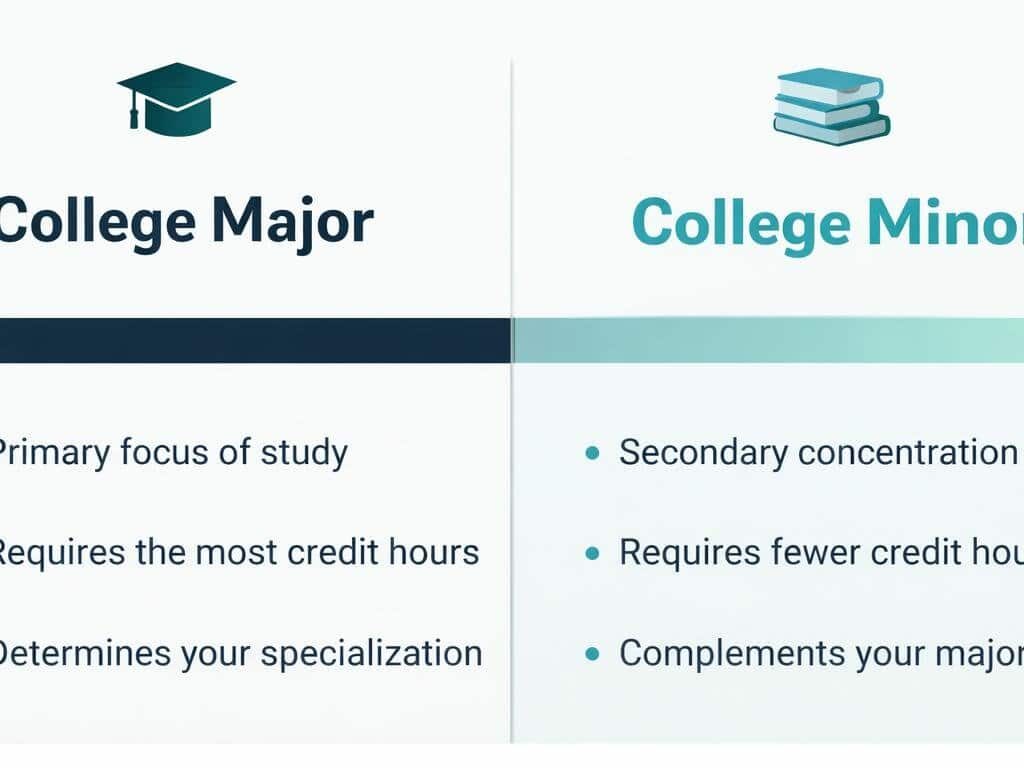
A major is your main field of study. A minor is a secondary area that needs fewer courses.
You take way more credits in your major than your minor. For instance:
- Major: In-depth classes, advanced topics, sometimes a capstone project
- Minor: Shorter sequence in a second subject
- Degree focus: Your diploma lists your major and may list your minor
Some programs require a minor, but most don’t. Students often add minors to boost their career goals. Maybe you major in business and minor in data analytics to stand out.
For a deeper look, check out this guide to choosing a college major.
Double Majors and Interdisciplinary Options
A double major means you finish all requirements for two separate college majors. It takes careful planning since you’ll juggle both sets of courses.
Some students double major to mix interests, like economics and political science. Others want broader career options, but it’s a heavy load, so weigh your schedule and financial aid rules before you leap.
Colleges also offer interdisciplinary programs—think environmental science mixed with public policy. At some schools, you can even design your own major with faculty approval. You’ll need a clear plan and real academic value.
| Major | Minor | Double Major |
|---|---|---|
| Main focus, most credits | Secondary, fewer credits | Two majors, more planning |
- Double majors require meeting requirements for both fields
- Interdisciplinary majors blend subjects
- Custom majors need faculty approval
Self-Assessment: Discovering Your Academic Interests and Strengths
Choosing a College and major starts with real self-reflection. You’ve got to know what grabs your attention, where you shine, and how your skills tie into actual careers.
Identifying Interests and Passions
Begin with your academic interests, not just your favorite classes. Ask what subjects make you curious enough to dig deeper, even when nobody’s making you.
Jot down activities you enjoy, both in and out of school. Do you love solving math puzzles, writing, building stuff, debating, or helping people?
Look for patterns in your list. Sometimes you’ll see a thread connecting your interests that you hadn’t noticed before.
- Explore interests beyond required classes
- Write down what you enjoy and notice patterns
- Majors can match more than one interest
Recognizing Strengths and Skills

Interests matter, but strengths are what help you succeed. Focus on what feels easier for you than for most people.
Think about your grades, teacher feedback, and which assignments seem to drain you. Are you great at writing, analyzing data, organizing, or leading?
Don’t forget transferable skills like communication, teamwork, and time management. You can use these in tons of majors and careers.
Tools like the CliftonStrengths assessment tool help you spot your natural talents. When you know your strengths, you can choose a College and major that builds on them instead of battling uphill.
Career Assessments and Personality Tools
Career assessments give you some structure. They won’t decide your future, but they might show you options you’d never considered.
Many colleges offer self-evaluation programs. The University of Indianapolis self-assessment resource explains how these tools review your interests, motivations, and preferences so you can compare them to possible majors.
- Personality traits and work environment preferences
- Skills and values
- Academic subject alignment
After you finish a few career assessments, compare the results. If a few tools point you to similar fields, look into those majors and check the course requirements. Use the data as a guide, but make a decision that fits your goals and strengths.
| Step | Purpose |
|---|---|
| Self-reflection | Find what excites and motivates you |
| Assess strengths | Spot skills that set you apart |
| Use tools | Get fresh ideas and confirm patterns |
- Assessments offer guidance, not answers
- Patterns in results can point to good majors
Connecting Majors to Careers and Future Goals
Your major shapes the skills you build and the doors you can open after graduation. It’s smart to check real career opportunities, job demand, and salary data before you lock in your choice.
Exploring Career Opportunities
List careers that match your interests and strengths. Then dig into what each job needs in terms of education, licenses, and daily work.
Some majors connect directly to specific jobs. For instance:
- Nursing → Registered Nurse
- Accounting → Certified Public Accountant
- Engineering → Design or manufacturing engineer
Other majors build skills you can use in lots of fields. Business, psychology, and communications lead to roles in management, marketing, or public relations.
Use resources like the BLS Occupational Outlook Handbook to check job duties, required education, and growth trends. This helps you compare options with facts, not just hunches.
- Direct majors lead to clear career paths
- Broad majors offer flexible options
- Use career data to avoid guessing
Aligning Majors With Career Prospects

Try to match your major with your future career goals. Ask yourself: What kind of work do I want to do five years after graduation?
If you want a licensed job like nursing or teaching, you’ll need a major that meets those certification rules. Those paths are pretty set in stone.
If you’re not sure about your long-term plans, choose a flexible major. Business or liberal arts let you build writing, problem-solving, and teamwork skills that fit many careers.
Lots of students worry about choosing the “wrong” major. The College Board says your major doesn’t lock you in forever—internships, work experience, and networking can matter just as much as your degree.
Salary Expectations and Job Demand
It’s wise to check earning potential and job demand before you pick a major. Passion matters, but so do income and job security after college.
Look at these three things:
- Median salary
- Projected job growth
- Required education level
Majors like computer science and engineering usually have strong job demand and good salaries. Healthcare roles often grow steadily, too.
Compare majors by checking job outlook data and earnings trends. Choosing a College and major really does affect your long-term earning potential, as explained in this overview on choosing the right college major.
- Check salary and job growth before deciding
- Some majors offer more stability than others
- Balance passion with realistic data
| Major Type | Career Path | Salary Outlook |
|---|---|---|
| Direct (e.g. Nursing) | Clear, licensed jobs | Often stable |
| Flexible (e.g. Business) | Many industries | Varied, depends on role |
Choosing a College and major isn’t just about what you love—it’s about what you can do with that degree. Will your choice open doors, or box you in?
It’s a lot to weigh, but you don’t have to get it perfect on the first try. Isn’t it better to ask the tough questions now, before you’re stuck with a path that doesn’t fit?
Evaluating College Options and Support Systems
You need real facts about programs, costs, and support before you jump into choosing a college. Good advising and campus resources can shape your major and maybe even your whole career path.
How to Choose a College
Start with your own academic goals. If you already know your field, make sure the college offers a focused, well-developed program in that major.
Check out graduation rates and class sizes. Smaller student-to-faculty ratios usually mean better access to your professors.
Compare schools with tools like College Navigator. It lists tuition, retention rates, and available majors, making choosing a college a bit less overwhelming.
Don’t just look at tuition—dig into the total cost of attendance. Housing, fees, and books add up fast.
If you can, visit campus. Notice:
- Class size and teaching style
- Internship and job placement support
- Campus safety and housing options
Use guides like this decision guide for choosing the right college in 2025 to organize your comparisons. Fit matters more than prestige when choosing a college, honestly.
Campus Resources for Major Selection
Choosing a college major isn’t instant. Look for schools with career assessments, intro courses, and programs that let you explore.
Many colleges offer planning tools and workshops to help you focus your options. Some guides on how to choose a major that fits your goals show how interests, job outlook, and salary data connect.
Strong campuses offer:
- Career centers for resume and interview help
- Internship placement programs
- Major and career fairs
- Online degree planning tools
If you’re not sure, see if you can enter as “undecided.” Flexible general education programs buy you time to test subjects before you commit. That flexibility is a big deal for choosing a college major that matches your plans.
| Resource | Benefit |
|---|---|
| Career Center | Resume, interview, job search support |
| Exploration Programs | Try out different majors |
| Online Tools | Plan classes, track progress |
Academic Advising and Mentorship
Academic advising can really shape your experience. An advisor helps you plan courses and adjust your major if things shift.
Ask how often you’ll meet your advisor. Some schools keep you with one person all four years, which can make choosing a college less stressful.
Look for colleges that highlight strong student support systems. Easy-to-access advising offices, tutoring centers, and mentoring programs show the school cares about your progress.
Mentorship matters, too. Faculty mentors can:
- Guide research projects
- Connect you to internships
- Write detailed recommendation letters
Pick a college where advising is active and accessible. The right support helps you stay on track and make smarter choices about your major.
| Advising Feature | Why It Matters |
|---|---|
| Consistent Advisor | Better long-term guidance |
| Mentorship | Opens doors for research and jobs |
| Support Centers | Extra help when you need it |
Maximizing Your College Experience
You build your college experience by getting active in and out of class. Focus on practical skills, real-world settings, and smart course choices that actually support your goals.
Gaining Hands-On Experience
You learn faster when you apply what you study. Hands-on experience turns lectures into skills you can prove to employers.
Look for labs, design projects, research work, and service-learning classes. These push you to solve real problems, not just ace exams.
Science majors can join research teams. Business students might join case competitions. Education majors often help out in local classrooms.
These activities build your portfolio. A strong portfolio shows reports, presentations, or finished projects.
Active involvement improves student success, according to research. Programs that stress engagement, like those in guides on how to maximize your college experience, often lead to better outcomes.
Try to pick at least one course each year that includes a project with a real client, community partner, or research goal.
Participating in Internships and Extracurriculars

Internships give you a real view of your field. You see how work happens, how teams talk, what employers want—stuff you can’t get from a textbook.
Paid or unpaid, internships build your resume and help you test if a path fits. A lot of students find jobs through contacts they meet during internships, which makes choosing a college with good placement support a smart move.
Here’s a simple plan:
- Year 1–2: Join clubs that match your interests.
- Year 2–3: Apply for internships or part-time jobs in your field.
- Year 3–4: Go after advanced internships with bigger responsibilities.
Extracurriculars count, too. Student government, debate, coding clubs, and volunteer groups help you build leadership and teamwork skills.
If you’re not sure yet, guides like this student guide to choosing a major suggest using advisors and career tools to connect your activities with long-term goals.
Track your roles and achievements. Keep a record of projects, leadership titles, and results you can actually show.
| Activity | Skills Built |
|---|---|
| Internships | Industry knowledge, contacts |
| Clubs | Leadership, networking |
| Volunteer Work | Teamwork, communication |
General Education Classes and Flexibility
General education classes aren’t just boxes to tick. They build writing, math, and critical thinking skills that matter in any job.
Take these classes seriously. Strong communication and data skills can set you apart when you’re job hunting.
Use general education classes to try out new fields. If you’re still unsure about your major, broad courses can help you narrow things down. Advice on choosing the right college major often says to use your early years to test subjects before you commit.
Stay flexible. Most schools let you change majors before the end of your second year without delaying graduation.
Meet with your advisor every semester. Review your degree plan and make sure your general education classes line up with both graduation and your career goals.
Making Changes and Staying Flexible
You’re not locked into your future the day you pick a major. You can change direction, add new focus areas, and adjust your plan as your goals get clearer—choosing a college is never truly final.
Changing or Switching Majors
Lots of students change their major at least once. As you take classes, you might realize a subject just doesn’t fit your strengths or interests.
Act early if you want to switch. Review your completed credits with an advisor and ask which courses still count toward a new major. Some programs have limited seats or extra requirements, so check deadlines and GPA rules before making a move.
You can test a new field before you commit. Try an intro course or use a step-by-step guide for choosing a college majorto compare your options.
Focus on what fits, not just what sounds impressive. If your current path doesn’t serve your goals, changing your major is a smart, practical decision.
Adding Minors or Double Majors
You don’t have to stick to one area. A double major or a minor can help you build specific skills for your career.
Here’s a quick comparison:
| Option | Credit Load | Focus Level | Best For |
|---|---|---|---|
| Minor | Lower | Secondary | Adding a skill set |
| Double Major | Higher | Equal | Deep study in two fields |
A minor usually needs fewer courses. You can add one in business, data, or language to support your main major and make choosing a college more rewarding.
A double major takes serious planning. Check course overlap and semester limits before you commit. Colleges often explain flexible paths, including interdisciplinary study, in guides like how to choose the right college major.
Pick options that actually match your career goals, not just your current interests.
| Path | Pros | Cons |
|---|---|---|
| Minor | Less time, more skills | Limited depth |
| Double Major | Broader expertise | Heavier workload |
Staying Open to New Opportunities

College throws you into a whirlwind of fresh ideas, new skills, and sometimes, surprising career paths. If you’re serious about choosing a College, it pays to stay open-minded as you gain experience.
Try electives that have nothing to do with your main field. Maybe jump into a club that’s outside your comfort zone or even tied to a department you never thought about before.
Take internships that give you a taste of real daily work. Let’s be honest—real experience ends up shaping your decisions way more than any theory in a lecture hall.
Not sure what you want when choosing a College? No sweat. Lots of schools let you start as undeclared, which gives you space to explore.
Check out this simple guide to what a college major is and how to choose one if you need clarity before locking in your path.
If you’re still deciding, keep your plan flexible but don’t let it get messy. When choosing a College, set small goals each semester, review your progress, and tweak your direction if something feels off.
- Explore electives outside your main focus
- Join clubs from other departments
- Try internships for hands-on experience
- Stay flexible while choosing a College major
| Tip | Why It Helps When Choosing a College |
|---|---|
| Take electives | Broadens your view of what’s possible |
| Start undeclared | Gives you time to figure out what fits |
| Set small goals | Keeps your choices intentional |
Conclusion

Choosing a college isn’t a one-time decision; it’s a process. You’ll find your interests shifting as you try new classes, join clubs, or land that first internship.
Choosing a college means weighing your options, adjusting as you go, and using all the resources at your fingertips. Isn’t the real question how you’ll shape your own path once you get started?
References
College Board. “Choosing the Right Major.” BigFuture, College Board, https://bigfuture.collegeboard.org/plan-for-college/find-your-fit/choosing-right-major-for-you
National Center for Education Statistics. “College Navigator.” NCES, U.S. Department of Education, https://nces.ed.gov/collegenavigator/
U.S. Department of Education. “College Scorecard.” College Scorecard, https://collegescorecard.ed.gov/
Georgetown University Center on Education and the Workforce. “The College Payoff.” Georgetown University Center on Education and the Workforce, 2011, https://cew.georgetown.edu/cew-reports/the-college-payoff/
NACAC. “Factors in the Admission Decision.” National Association for College Admission Counseling, https://www.nacacnet.org/factors-in-the-admission-decision/
Organisation for Economic Co‑operation and Development. “Are Students More Engaged When Schools Offer Extracurricular Activities?” OECD Education Working Papers, 2012, https://www.oecd.org/education/are-students-more-engaged-when-schools-offer-extracurricular-activities_g17a217c.html
BestColleges. “Student Guide to Choosing a Major.” BestColleges, https://www.bestcolleges.com/resources/choosing-a-major/