
What Is Creative Writing?

Imagine a quiet classroom after school. Mia, a 7th grader, sits curled up by the window with a notebook in her lap. She watches raindrops race each other down the glass, then writes about them—giving each drop a name, a journey, maybe even a dream. That’s creative writing in action: using imagination, feelings, and a unique voice to turn something ordinary into something vivid.
Definition and Key Features
Creative writing is writing that goes beyond simply giving facts or explaining something. It uses imagination, emotions, and creativity to tell a story or share ideas in ways that touch people (Southern New Hampshire University, “What Is Creative Writing,” 2024).
Key elements include:
- Voice: The way you tell something, what makes your writing uniquely yours (Duke University Writing Program, Creative Writing Guide).
- Imagery: Descriptions that help readers picture scenes, hear sounds, or even smell and taste.
- Story & Structure: Characters, a setting, conflict, rising action, and a resolution. Poems, short stories, and novels often weave these together (Southern New Hampshire University, 2024).
Types of Creative Writing
| Form | What It Usually Includes |
|---|---|
| Poetry | Rhythm, imagery, and metaphor to express big ideas in a compact form. |
| Short stories / Novels | Characters, plot, setting, conflict—a full story to engage the reader. |
| Creative nonfiction | Real events or memories told with storytelling techniques. |
| Drama / Scripts | Dialogue, scenes, and characters written for performance or reading. |
What Scholars Say
- A study of 7th graders showed a statistically significant improvement in narrative skills when students practiced creative writing compared to those who did not (ERIC, EJ1329530, 2022).
- A review of 172 articles on creativity in primary classrooms (2011–2020) explored how creative writing emerges and how teacher support and prompts encourage it (Springer, Australian Educational Researcher, 2023).
- Research also shows a positive relationship between creativity, writing self-efficacy, motivation, and overall writing performance (ScienceDirect, Thinking Skills and Creativity, 2024).
Can Creative Writing Be Taught or Learned?
Many wonder if creative writing is just natural talent. Evidence shows it can be taught and learned, though people start with different levels of confidence.
- When creative writing is built into school curricula, students improve in writing quality and in their attitude toward writing. For example, in the ERIC study mentioned above, students improved in form, expression, and narrative elements.
- Training in creative writing boosts confidence, helps students find their own voice, and motivates them to write regularly (ResearchGate, “Creative Writing Skills in English,” 2023).
Why This Matters for Students
Creative writing lets students feel ownership of their work, express emotions, and strengthen imagination and voice.
Students who enjoy creative writing see writing as more meaningful, not just homework. In a Pew Research survey, 73 percent of teens ages 12–14 said they enjoy school writing, but that drops to 62 percent for ages 15–17. This suggests older students may lose excitement unless creative writing stays part of the mix (Pew Research Center, 2008).
How Creative Writing Is Taught and What Research Shows

Teachers can teach creative writing, and many studies show it helps students grow in writing skill, imagination, and confidence (Eser 2021). In classrooms, creative writing is usually taught through short exercises, story prompts, peer feedback, and time to revise. These methods let students practice imagining, choosing words, and shaping a story. Studies that compare classrooms with and without creative writing practice often find the groups with practice improve more on narrative skills (Eser 2021).
A large review of writing instruction found that structured lessons improve both the quality and amount of writing in elementary students (Kim et al. 2021). This review looked at methods like teaching planning, drafting, and editing, plus giving regular writing time. When teachers guide students with clear steps and scaffolds, students write more clearly and with stronger structure. The findings show that teaching matters for writing growth, not just “natural talent” (Kim et al. 2021).
Research with middle and high school students also supports direct writing instruction. A 2023 meta-analysis of grades 6–12 found that programs using explicit strategies—modeling, guided practice, and feedback—produced the biggest improvements (Graham and Harris 2023). Showing students how writers plan and revise is key, which means creative writing lessons should include examples and teacher coaching (Graham and Harris 2023).
Other focused studies show that creative writing exercises help students’ imagination, motivation, and emotional control. In some experiments, students who did daily creative writing improved in imagination and stayed more emotionally steady when writing about hard topics (Cedric 2025; Kuo 2024). Creative writing also helps students enjoy writing more and stay with it, which leads to better results over time (Cedric 2025).
Below is a table that highlights major studies and classroom takeaways.
| Study (Year) | Who Was Studied | What Was Tested | Main Classroom Takeaway |
|---|---|---|---|
| Eser 2021 | 7th graders (n=66) | Creative writing exercises vs. no extra exercises | Creative writing exercises improved narrative writing skills. |
| Kim et al. 2021 | Elementary students (meta-analysis) | Writing instruction methods | Structured writing lessons improve quality and productivity. |
| Graham & Harris 2023 | Grades 6–12 (meta-analysis) | Various writing programs | Explicit strategies—modeling and feedback—gave the largest gains. |
| Kuo 2024 | Elementary students | Scaffolding creative writing | Scaffolding supports idea development and creative expression. |
| Cedric 2025 | School students | Daily creative writing practice | Daily practice increased divergent thinking and imagination. |
Evidence-Based Teaching Strategies
- Short, regular writing practice. Small daily or weekly creative tasks build fluency and imagination (Cedric 2025).
- Modeling and worked examples. Teachers show a draft, speak aloud about choices, and demonstrate revision (Graham and Harris 2023).
- Scaffolding and prompts. Sentence starters, story frames, or picture prompts help students start and keep going (Kuo 2024).
- Peer feedback and revision. Sharing work with classmates and revising based on comments improves quality and confidence (Graham and Harris 2023).
Assessment and Feedback
Good assessment matches creative goals. Instead of grading only grammar, strong rubrics look at story elements, voice, creativity, and effort. Clear criteria and guided revision are linked to better student writing (Kim et al. 2021; Graham and Harris 2023). When students see what a strong piece looks like, they can aim for it and revise toward it.
Technology in Creative Writing
Digital tools—class blogs, shared documents, or audio recording—make drafting, peer review, and publishing easier. Research shows these tools raise motivation and make feedback simpler, but the core instruction of modeling, feedback, and revision remains most important (Kim et al. 2021).
Sample Classroom Activities
- Five-minute idea storms: Quick free-writes to build fluency and spark ideas (Cedric 2025).
- Story mapping: The class builds a story map—characters, setting, conflict, ending—before writing (Graham and Harris 2023).
- Peer revision workshops: Students give “two stars and a wish” (two positives, one suggestion) and then revise (Kim et al. 2021).
- Mentor text study: Read a short passage, spot a writer’s craft move, and mimic it in a new piece (Kuo 2024).
Building a Supportive Culture
A classroom culture that values ideas beats one that only punishes errors. When teachers celebrate drafts, curiosity, and different voices, students take risks and grow as writers. Studies on creative self-efficacy show that when students believe they can improve, they actually do (Graham and Harris 2023).
How Creative Writing Is Taught and What Research Shows
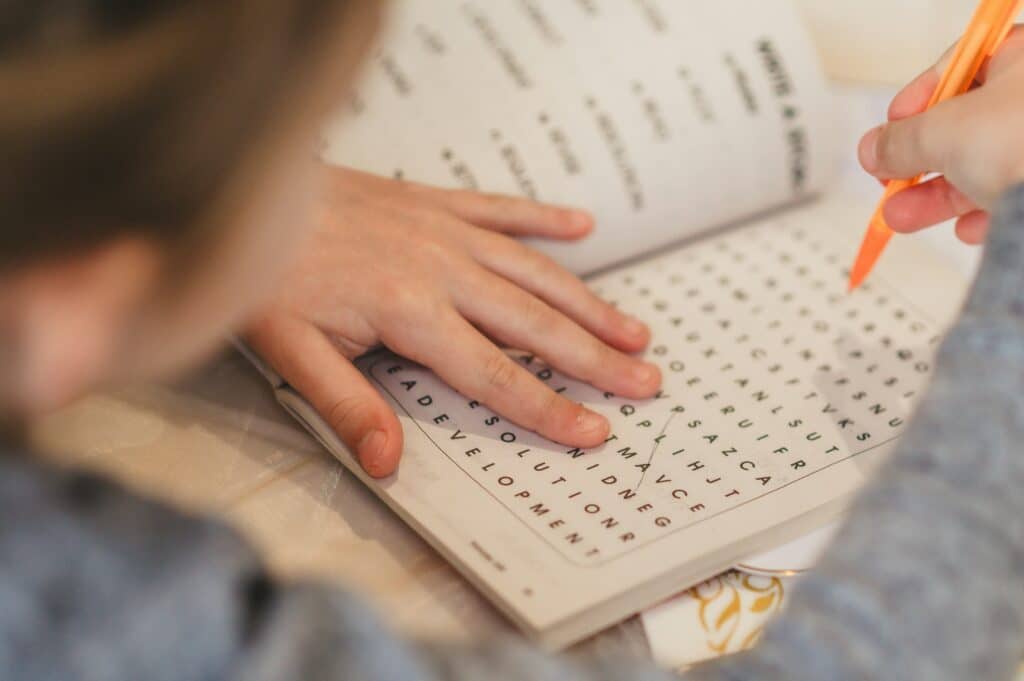
Teachers can teach creative writing, and many studies show it helps students grow in writing skill, imagination, and confidence (Eser 2021). In classrooms, creative writing is usually taught through short exercises, story prompts, peer feedback, and time to revise. These methods let students practice imagining, choosing words, and shaping a story. Studies that compare classrooms with and without creative writing practice often find the groups with practice improve more on narrative skills (Eser 2021).
A large review of writing instruction found that structured lessons improve both the quality and amount of writing in elementary students (Kim et al. 2021). This review looked at methods like teaching planning, drafting, and editing, plus giving regular writing time. When teachers guide students with clear steps and scaffolds, students write more clearly and with stronger structure. The findings show that teaching matters for writing growth, not just “natural talent” (Kim et al. 2021).
Research with middle and high school students also supports direct writing instruction. A 2023 meta-analysis of grades 6–12 found that programs using explicit strategies—modeling, guided practice, and feedback—produced the biggest improvements (Graham and Harris 2023). Showing students how writers plan and revise is key, which means creative writing lessons should include examples and teacher coaching (Graham and Harris 2023).
Other focused studies show that creative writing exercises help students’ imagination, motivation, and emotional control. In some experiments, students who did daily creative writing improved in imagination and stayed more emotionally steady when writing about hard topics (Cedric 2025; Kuo 2024). Creative writing also helps students enjoy writing more and stay with it, which leads to better results over time (Cedric 2025).
Below is a table that highlights major studies and classroom takeaways.
| Study (Year) | Who Was Studied | What Was Tested | Main Classroom Takeaway |
|---|---|---|---|
| Eser 2021 | 7th graders (n=66) | Creative writing exercises vs. no extra exercises | Creative writing exercises improved narrative writing skills. |
| Kim et al. 2021 | Elementary students (meta-analysis) | Writing instruction methods | Structured writing lessons improve quality and productivity. |
| Graham & Harris 2023 | Grades 6–12 (meta-analysis) | Various writing programs | Explicit strategies—modeling and feedback—gave the largest gains. |
| Kuo 2024 | Elementary students | Scaffolding creative writing | Scaffolding supports idea development and creative expression. |
| Cedric 2025 | School students | Daily creative writing practice | Daily practice increased divergent thinking and imagination. |
Evidence-Based Teaching Strategies
- Short, regular writing practice. Small daily or weekly creative tasks build fluency and imagination (Cedric 2025).
- Modeling and worked examples. Teachers show a draft, speak aloud about choices, and demonstrate revision (Graham and Harris 2023).
- Scaffolding and prompts. Sentence starters, story frames, or picture prompts help students start and keep going (Kuo 2024).
- Peer feedback and revision. Sharing work with classmates and revising based on comments improves quality and confidence (Graham and Harris 2023).
Assessment and Feedback
Good assessment matches creative goals. Instead of grading only grammar, strong rubrics look at story elements, voice, creativity, and effort. Clear criteria and guided revision are linked to better student writing (Kim et al. 2021; Graham and Harris 2023). When students see what a strong piece looks like, they can aim for it and revise toward it.
Technology in Creative Writing
Digital tools—class blogs, shared documents, or audio recording—make drafting, peer review, and publishing easier. Research shows these tools raise motivation and make feedback simpler, but the core instruction of modeling, feedback, and revision remains most important (Kim et al. 2021).
Sample Classroom Activities
- Five-minute idea storms: Quick free-writes to build fluency and spark ideas (Cedric 2025).
- Story mapping: The class builds a story map—characters, setting, conflict, ending—before writing (Graham and Harris 2023).
- Peer revision workshops: Students give “two stars and a wish” (two positives, one suggestion) and then revise (Kim et al. 2021).
- Mentor text study: Read a short passage, spot a writer’s craft move, and mimic it in a new piece (Kuo 2024).
Building a Supportive Culture
A classroom culture that values ideas beats one that only punishes errors. When teachers celebrate drafts, curiosity, and different voices, students take risks and grow as writers. Studies on creative self-efficacy show that when students believe they can improve, they actually do (Graham and Harris 2023).
Why Creative Writing Matters for Students Today

Creative writing does more than build language skills. It helps students express feelings, develop empathy, and strengthen problem-solving abilities. When you create a story or poem, you imagine different lives and settings, which can make you more understanding of others (Kim et al. 2021). Writing fiction or poetry also trains the brain to think flexibly and to look at problems from many angles (Graham and Harris 2023).
Personal Growth and Confidence
Creative writing gives students a stronger sense of self. By exploring characters’ emotions, students often learn to name and process their own feelings (Cedric 2025). This kind of reflective practice can lower stress and improve emotional health. Studies show that when students write freely, they often report less anxiety and higher confidence in their ability to communicate (Kuo 2024).
Key personal benefits include:
- Stress relief: Journaling and storytelling can help students release worries.
- Stronger self-expression: Finding the right words to describe feelings builds emotional intelligence.
- Persistence: Revising a story until it works teaches patience and the value of steady effort.
- Growth mindset: Seeing progress draft by draft helps students believe they can always improve (Kim et al. 2021).
Academic and Career Advantages
Creative writing skills support success in other subjects. Good storytelling makes essays in history or science more engaging. Students who practice creative writing often show stronger vocabulary and clearer organization in academic papers (Graham and Harris 2023).
Practical academic benefits:
- Better reading comprehension through deeper understanding of narrative structure.
- Improved grammar and vocabulary as students experiment with new words and sentence types.
- Stronger critical thinking by creating believable plots and characters.
Later in life, these abilities matter for many careers:
- Marketing and advertising need writers who can create memorable slogans and stories.
- Journalism and media value writers who craft engaging articles and scripts.
- Video-game design and film rely on storytellers to build worlds and dialogue.
- Business and technology reward clear communication and creative problem solving.
Employers regularly rank communication and creative thinking among the most important abilities for new hires (National Association of Colleges and Employers 2024).
Community and Collaboration
Creative writing is often shared with others, building community and teamwork skills (Graham and Harris 2023). When students read each other’s work, they learn to give and receive feedback respectfully.
Ways creative writing strengthens community:
- Peer review circles where classmates exchange drafts and share “two stars and a wish” (two positives and one suggestion).
- School newspapers or magazines that publish student stories and poems.
- Public readings or open-mic events that let students present their work to an audience.
- Online blogs or zines where students can share ideas with readers worldwide.
Knowing that a real audience is waiting often inspires students to write more carefully and thoughtfully (Kim et al. 2021).
How We Can Help Students
Schools, families, and communities can make a big difference by supporting creative writing. Research shows that when students feel supported and when their efforts are celebrated, they are more willing to take risks and grow as writers (Cedric 2025; Kuo 2024).
Helpful supports include:
- Regular creative time set aside each week for free writing or poetry.
- Access to mentor texts such as novels, short stories, and poems to study craft.
- Writing workshops and clubs that meet after school or during lunch.
- Positive, idea-focused feedback instead of only marking grammar mistakes.
- Writing contests or publishing opportunities to motivate students to polish their work.
- Teacher modeling of the writing process to show how writers plan, draft, and revise.
Key Takeaways
- Creative writing is teachable and helps students academically and emotionally.
- It builds confidence, empathy, and communication skills that last a lifetime.
- Regular practice, strong feedback, and supportive communities are essential.
- The habits students form through creative writing—curiosity, perseverance, and imagination—benefit every future career path.
Conclusion
Creative writing is more than an English class assignment. It is a way for students to explore imagination, express emotions, and build skills that last a lifetime. Studies across many grade levels show that creative writing can be taught, learned, and used to boost confidence, empathy, and academic achievement (Kim et al. 2021; Graham and Harris 2023). With guidance from teachers, encouragement from families, and opportunities to share work, every student can develop a unique voice and discover the joy of storytelling.
If creative writing offers all these benefits, how will you use your own words to create something new?
Works cited
Future of Jobs Report 2025. World Economic Forum, 2025. https://reports.weforum.org/docs/WEF_Future_of_Jobs_Report_2025.pdf World Economic Forum Reports+1
Wells, Rachel. “70% of Employers Say Creative Thinking Is Most In-Demand Skill in 2024.” Forbes, Jan 2024. https://www.forbes.com/sites/rachelwells/2024/01/28/70-of-employers-say-creative-thinking-is-most-in-demand-skill-in-2024/ Forbes
“New Study Reveals the Skills and Attributes Employers Value the Most in New Hires.” Talent.com Blog, Nov 3, 2022. https://blog.talent.com/en-ca/advice/new-study-reveals-the-skills-and-attributes-employers-value-the-most-in-new-hires blog.talent.com
Pew Research Center. Writing, Technology and Teens. Washington, D.C., 2008.
https://www.pewresearch.org/internet/2008/04/24/writing-technology-and-teens/
Southern New Hampshire University. “What Is Creative Writing?” SNHU, 2024.
https://www.snhu.edu/about-us/newsroom/liberal-arts/what-is-creative-writing
Cedric, R. Daily Creative Writing and Divergent Thinking in Middle School Students. Journal of Creative Education, 2025.
https://www.researchgate.net/publication/377862962_Creative_Writing_Skills_in_English_Developing_Student%27s_Potential_and_Creativity
Eser, O. “The Effect of Creative Writing Activities on Narrative Writing Skills of 7th Grade Students.” Journal of Education and Learning, vol. 10, no. 2, 2021.
https://files.eric.ed.gov/fulltext/EJ1329530.pdf


you are really a good webmaster. The web site loading speed is amazing. It seems that you’re doing any unique trick. Furthermore, The contents are masterwork. you have done a excellent job on this topic!
Have you ever thought about including a little bit more than just your articles? I mean, Your content is excellent but with pics and video clips, this website could certainly be one of the greatest in its field. Good blog!
I’ve been browsing online more than 3 hours as of late, but I never discovered any attention-grabbing article like yours. It is beautiful worth enough for me. In my opinion, if all webmasters and bloggers made good content material as you probably did, the internet can be much more useful than ever before. “I think that maybe if women and children were in charge we would get somewhere.” by James Grover Thurber.