Introduction to Educational Pathways
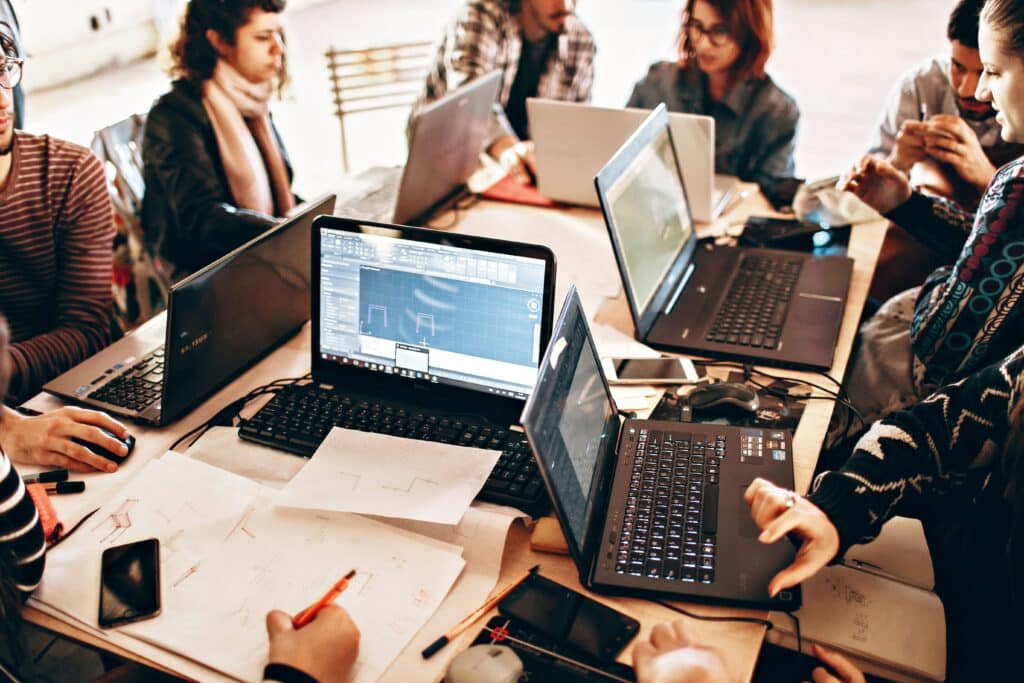
In the contemporary educational landscape, high school students are presented with a variety of educational pathways that can significantly shape their future. Among these options, traditional high school and technical centers are two prominent choices that cater to diverse student needs and aspirations. Traditional high schools typically follow a broad curriculum that includes academic subjects such as mathematics, science, literature, and social studies. These institutions aim to provide a well-rounded education that prepares students for university or higher educational endeavors, emphasizing critical thinking, analytical skills, and a foundational knowledge base.
Conversely, technical centers focus on equipping students with practical skills and specialized knowledge tailored to specific careers. These centers offer programs in areas such as health sciences, information technology, construction, and automotive technology, among others. The hands-on approach in technical education allows students to gain real-world experience and certifications that can lead directly into the workforce, making this pathway particularly attractive for those who may not wish to pursue a traditional four-year college degree.
Choosing between these educational paths requires careful consideration of individual strengths, interests, and long-term career goals. Students must reflect on their passion for specific fields and their willingness to engage in rigorous academic work or hands-on training. Understanding these elements is essential for making an informed decision that aligns with their aspirations and future job market demands. As we delve deeper into the distinctions between tech centers and traditional high schools, it is crucial to recognize the unique benefits and challenges associated with each pathway, ultimately guiding students toward a choice that best supports their educational journey and career objectives.
What is a Tech Center?
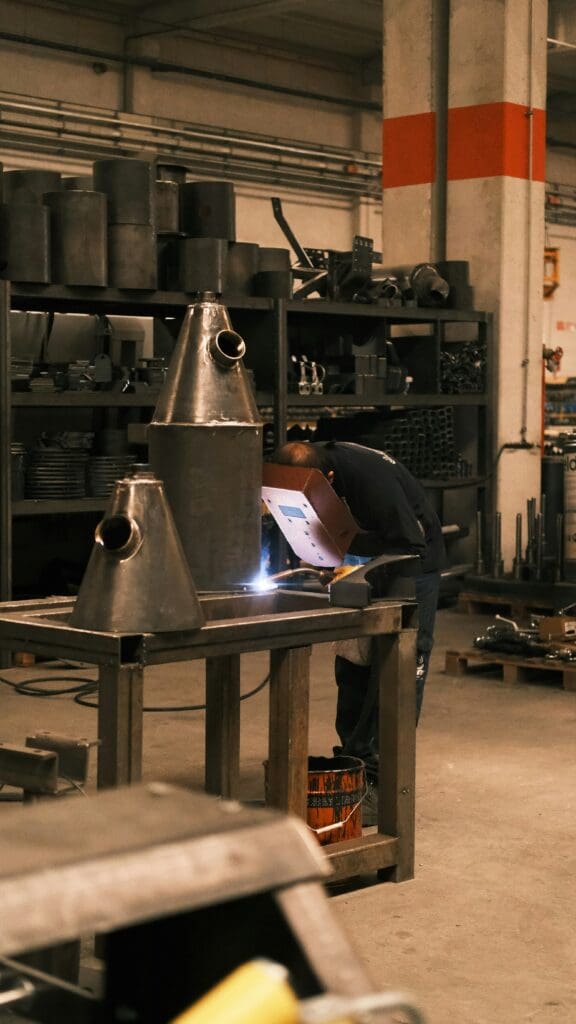
A tech center, also known as a vocational or career technical education center, serves as a specialized facility that provides students with hands-on training and education in various occupational fields. These centers are designed to prepare students for a seamless transition into the workforce by equipping them with practical skills that are in high demand. Unlike traditional high schools that deliver a broad educational curriculum, tech centers emphasize vocational training tailored to specific career paths.
The primary purpose of a tech center is to cultivate essential skills and knowledge that align with the needs of various industries. Programs offered at these centers can encompass a wide array of fields, including but not limited to, healthcare, information technology, automotive repair, culinary arts, and construction. Each program typically combines theoretical instruction with extensive practical experience, allowing students to apply what they learn in real-world settings.
Curriculum at tech centers is often designed in collaboration with local businesses and industry professionals to ensure relevance and effectiveness. This partnership helps to create tailored educational experiences that meet the specific requirements of employers. Additionally, many programs at tech centers offer certifications that are recognized by various industries, providing students with tangible qualifications to enhance their employability upon graduation.
Moreover, tech centers often serve a diverse student population, including high school juniors and seniors, adult learners seeking to switch careers, and individuals looking to gain new skills. The focus on skill development not only benefits students as they prepare to enter the workforce but also supports regional economies by supplying knowledgeable workers to fill critical positions in high-demand sectors. Overall, tech centers play a crucial role in educational ecosystems by bridging the gap between formal education and professional readiness, fostering a workforce that is equipped to meet the challenges of modern industries.
Understanding Traditional High School Classes

Traditional high school classes serve as the foundation of a student’s academic experience, designed to provide comprehensive education across a broad spectrum of subjects. Typically, these classes include core subjects such as English, mathematics, science, and social studies, which are mandated as part of the curriculum in many educational systems. By covering these fundamental areas, traditional high schools aim to equip students with critical thinking skills, problem-solving capabilities, and a well-rounded knowledge base necessary for their academic growth.
The structure of a traditional high school is generally divided into grade levels, allowing students to progress through a standardized curriculum. As students advance from freshman to senior year, they are often required to complete a specific number of credits in various subjects, which may include electives in arts, physical education, and foreign languages. This broad range of subjects not only encourages students to develop diverse interests but also prepares them for higher education, where they might encounter specialized academic programs and disciplines.
Traditional high school education is primarily academic in focus. This focus on theoretical knowledge allows students to cultivate a strong foundation for future studies, with the goal of preparing them for college or university experiences. While traditional high schools emphasize robust educational principles, they generally lack the vocational components that might lead directly to immediate employment opportunities post-graduation. Consequently, while graduates possess valuable analytical and critical thinking skills, they may find themselves in need of additional training or education, particularly if they choose to enter the workforce right after high school.
In essence, traditional high school classes are structured to foster an environment of academic achievement, providing students with the essential skills and knowledge required for continued education, while simultaneously preparing them for the challenges they will face in the evolving world of work.
Key Differences Between Tech Centers and Traditional High Schools

When evaluating the educational landscape, it is crucial to understand the distinct characteristics that differentiate tech centers from traditional high schools. A fundamental aspect is the curriculum focus. Tech centers primarily offer vocational training and specialized programs aimed at equipping students with practical skills in fields such as healthcare, manufacturing, and information technology. In contrast, traditional high schools emphasize a broader academic curriculum that includes general education courses such as mathematics, science, and humanities, which prepare students for college or university. This focus significantly influences the knowledge and skills students acquire during their educational journey.
Teaching methodologies also vary between the two educational institutions. At tech centers, instruction often utilizes hands-on learning experiences, allowing students to engage directly with the tools and technologies relevant to their chosen fields. This practical approach promotes mastery of real-world skills, enhancing employability upon graduation. Conversely, traditional high schools typically implement a more lecture-based format combined with group discussions, prioritizing theoretical knowledge over practical application. This approach is essential for students pursuing higher education but may lack the immediate applicability found in tech center programs.
Student engagement plays a vital role in both environments. Tech centers often foster a more focused and motivated student demographic, as students are typically interested in specific career paths. This intrinsic motivation can lead to higher satisfaction and retention rates. In traditional high schools, however, engagement can be more challenging, as students may feel the pressure to conform to a one-size-fits-all educational model.
Finally, the paths students pursue after graduation illustrate another difference. Graduates from tech centers often enter the workforce directly, armed with employable skills, while traditional high school graduates may pursue further education before entering their chosen careers. Understanding these distinctions is essential for students and parents when making informed decisions about educational paths.
Pros of Attending a Tech Center
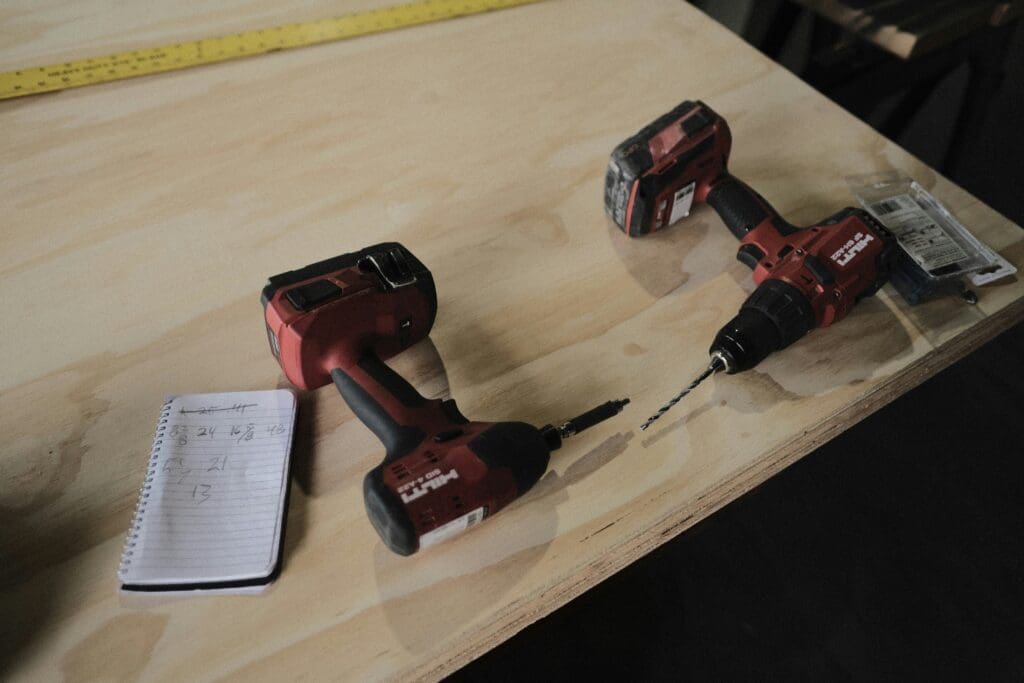
Attending a tech center presents numerous advantages, particularly for students seeking a more practical approach to their education. One primary benefit is the hands-on experience that tech centers provide. Students are often engaged in practical, real-world projects that allow them to apply theoretical knowledge directly. This method not only enhances learning but also fosters the development of essential skills that are highly valued in the job market.
Another significant advantage of tech centers is the opportunity for industry connections. Many tech centers have established partnerships with local businesses and industries, offering students a chance to network with professionals in their desired field. These connections can lead to internship opportunities, mentorships, and even job placements after graduation. The ability to interact with industry experts gives students insights into current industry practices and trends, which enriches their educational experience.
Tech centers typically support quicker entry into the workforce compared to traditional high schools. Programs are often designed to be concise and focused, enabling students to acquire relevant skills and knowledge within a shorter time frame. This efficiency is particularly beneficial for individuals eager to transition into the workforce without the lengthy commitments often associated with traditional higher education routes.
Moreover, specialized training provided at tech centers equips students with credentials that can boost their employability. Many tech centers offer certification programs in various fields, allowing students to gain recognized qualifications that validate their skills. These certifications are essential in industries that place a premium on specific abilities and expertise. Additionally, many tech centers provide job placement services, further assisting graduates in navigating the job market and securing a position aligned with their training and aspirations.
Cons of Attending a Tech Center

While technical centers offer specialized training and hands-on experience in various trades, there are several disadvantages that students should carefully consider before making a decision. One major concern is the potential limitation in broader academic education. Enrollment in a tech center often necessitates a shift from a traditional high school curriculum, which may restrict opportunities for a well-rounded education. Students may miss out on essential courses in liberal arts, sciences, and other subjects that foster critical thinking and a comprehensive worldview.
Another notable disadvantage of attending a tech center is the pressure to choose a career path early. For many students, the age of decision-making can be daunting, as selecting a specific trade or vocation while still in high school may feel premature. This early commitment can lead to feelings of uncertainty and a lack of exploration in various fields. Such a decision may lock students into a particular career trajectory before they fully understand their options or the evolving job landscape.
Additionally, the job market is subject to fluctuations, which can impact the demand for specific trades. Graduates of tech centers may find that their career paths are unstable, especially in times of economic downturn. Fields that were once thriving may become saturated or may not offer the job security many anticipated upon graduation. This uncertainty can lead to difficulties in obtaining stable employment or transitioning to alternative career paths if necessary.
In summary, while technical centers provide valuable skills and training, it is important for students and their families to weigh these disadvantages carefully. A thorough understanding of the limitations in academic breadth, the implications of early career choices, and the uncertainties within the job market can help students make more informed decisions regarding their educational futures.
Pros of Opting for Traditional High School Classes
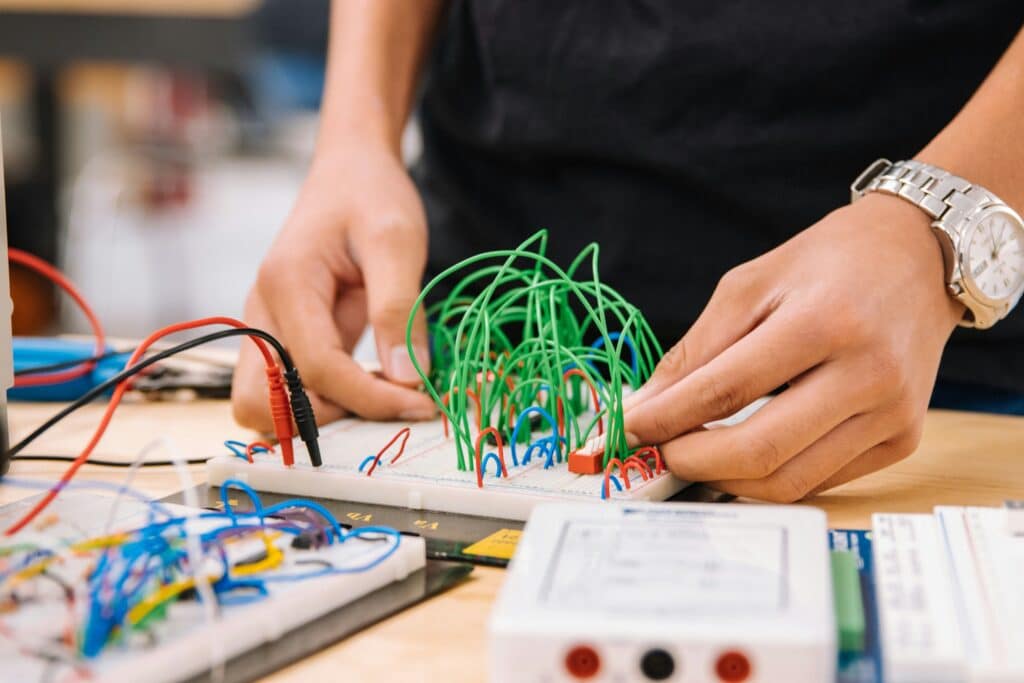
Traditional high school education offers several distinct advantages that contribute to a well-rounded academic experience. One of the primary benefits is the comprehensive curriculum, which exposes students to a variety of subjects including mathematics, sciences, humanities, and the arts. This broad spectrum ensures that students develop foundational knowledge across multiple disciplines, enhancing their overall academic literacy.
Moreover, traditional high schools place significant emphasis on preparing students for college. The structured environment encourages discipline, time management, and study habits that are essential for success in higher education. Dedicated coursework and guidance from experienced educators provide students with the skills they need to tackle the rigors of college academics effectively. This preparation is vital as students transition from high school to post-secondary institutions, where they encounter a more self-directed learning model.
Another critical aspect of traditional high school education is its role in fostering critical thinking skills. Through diverse academic challenges and discussions, students learn to analyze information, evaluate different perspectives, and construct reasoned arguments. These skills are not only pivotal for academic success but also crucial for informed citizenship and professional development in adulthood.
In addition to academic benefits, traditional high schools provide various extracurricular activities, including sports, clubs, and community service opportunities. These involvement opportunities allow students to develop leadership abilities, teamwork skills, and social connections, which are invaluable as they progress through life. By participating in these activities, students cultivate well-rounded personalities, essential traits for personal and professional relationships.
In essence, opting for traditional high school classes allows students to gain a robust academic foundation while also preparing them for future challenges in college and beyond. The holistic approach of traditional education positions students for a successful transition, both academically and socially, into adulthood.
Cons of Staying in Traditional High School Classes
Traditional high schools have long been the foundation of academic education for students. However, they often come with certain drawbacks that may impact students’ preparedness for the workforce. One significant disadvantage is the lack of hands-on training opportunities. While traditional classrooms offer a theoretical understanding of subjects, they frequently fall short in providing practical experiences that are critical in today’s job market. This absence of hands-on experience can leave students feeling unprepared for the realities of various careers, particularly in technical fields where applied skills are essential.
Moreover, the time commitment involved in traditional high school can delay a student’s entry into the workforce. Typically, students spend four years in high school before graduating and may then pursue further education, extending the timeline before they begin their careers. This prolonged period in the academic environment can be discouraging for those eager to start working or those who would benefit from a more immediate transition into professional life. In contrast, alternatives such as tech centers often offer programs that allow students to quickly acquire skills and begin working, sometimes concurrently with their education.
Another aspect to consider is the potential disparity between personal interests and academic requirements within traditional high schools. Many students may feel compelled to follow a standard academic path that does not align with their passions or career aspirations. This misalignment can lead to disengagement or lack of motivation, as students may find the required courses less relevant to their future goals. Consequently, students may miss out on specialized opportunities that can more directly prepare them for fulfilling careers. These limitations highlight the importance of considering alternative educational paths that may better address individual interests and professional ambitions.
Who Should Consider Attending a Tech Center?
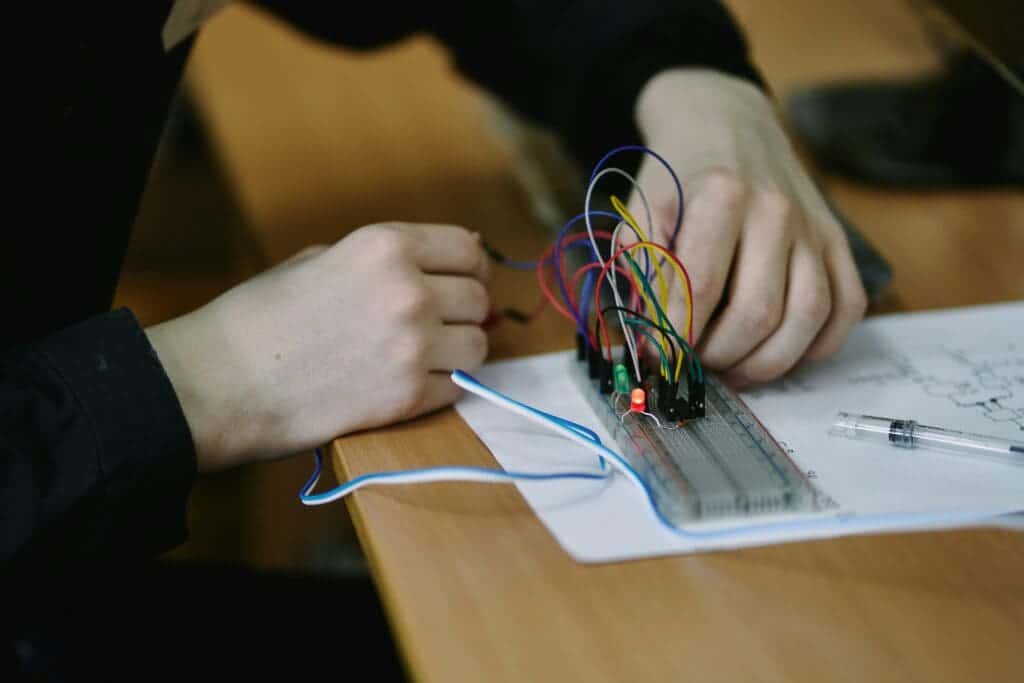
Choosing the right educational path is a critical decision for students in their high school years. For some, attending a tech center may be a more suitable option when compared to a traditional high school setting. There are several characteristics and interests that can indicate whether a student might thrive in a tech-focused environment. One of the primary indicators is a strong preference for hands-on learning. Students who enjoy engaging in practical activities, working with tools, or participating in simulations often find tech centers to be enriching experiences that align with their learning style.
Additionally, having a clear career goal in a specific trade or technical field is another compelling reason to consider attending a tech center. For students who are determined to pursue careers in fields such as automotive technology, healthcare, construction, or information technology, tech centers can offer specialized programs that allow them to gain relevant skills and knowledge directly related to their desired profession. This targeted approach not only prepares students for future employment, but it also allows them to start working towards their career aspirations while still in school.
Lastly, for students who wish to enter the workforce more quickly, tech centers can be an appealing alternative. Many programs at these centers focus on expedited learning, enabling students to graduate with practical skills and certifications that appeal to employers. This faster route can be particularly beneficial for those eager to start their careers sooner rather than later. In essence, students who possess these characteristics—those inclined towards hands-on learning, with defined career goals, and a desire for quicker workforce integration—should carefully consider the advantages a tech center can provide for their educational journey and future professional success.