
8 Fun Study Habits for Students to Help you Ace Your Assignments

You might know the feeling of sitting down to begin an assignment and watching your focus fade almost immediately. Maya, a student I once worked with, felt that same frustration. She tried to concentrate, but every study session felt draining and unclear. You may have had moments like that too, where staying on track feels harder than the assignment itself.
Maya wanted to feel more confident, but studying felt like a long list of tasks instead of something she could approach with ease. When she began exploring Fun Study Habits for Students as ways to lighten her routine, things slowly shifted. She didn’t change her whole schedule. She simply added small actions that made studying feel more enjoyable.
Why Enjoyment Helps You Improve
Research from the National Center for Education Statistics shows that students who strengthen their study approaches often perform within higher achievement ranges on assessments (Vanneman). Another study found that when students bring more engaging study routines into their day, their motivation tends to rise (Labrador et al.). You may connect with that if you’ve ever focused better when the process felt more comfortable.
Maya noticed that when she used habits that made her smile — colorful notes, study breaks with movement, or quick timed bursts — her mind stayed more awake. Research suggests that students who use enjoyable habits often reach stronger performance ranges because they feel less pressure (Ebele and Olofu). You might feel the same when your approach feels like it fits you.
Simple Shifts That Make a Difference
Before Maya tried new habits, studying felt like a chore. But when she tested options that matched her style, she began returning to her work with more energy. Blending Fun Study Habits for Students with small boosts of curiosity helped her stay consistent. Mixing ideas like short bursts of focus or colorful organizing tools gave her chances to apply productive study techniques without long, stressful hours.
Here are a few early changes she tried:
- Adding color to help her brain group ideas
- Using movement breaks to restart her focus
- Setting tiny, manageable goals instead of large blocks of work
- Turning review time into short challenges
Each small step made studying feel lighter and more doable.
Building Study Habits That Fit You

You don’t need to follow strict rules to see the value in these approaches. You only need habits that make your study time feel smoother and more natural. When you explore Fun Study Habits for Students as tools to support your brain, you create a study routine that works with you instead of against you. That shift can help you study with less stress and more confidence.
What You’ll Learn Next
Now that you’ve seen how these ideas supported Maya, you’re ready to explore the eight habits that may support you as well. These habits come from research, student experience, and real strategies you can use.
Here are the eight habits you’ll learn in the next section:
- Turning study sessions into mini-games
- Using spaced practice
- Creating colorful, memory-friendly notes
- Adding movement into your study time
- Building playlists that match your focus style
- Using short reflection breaks
- Setting tiny micro-goals
- Making your rewards meaningful
Are you ready to explore how each habit can help you feel more at ease with your assignments?
How the 8 Habits Work — research, steps, and what to try
1) Turn study time into mini-games

When you explore Fun Study Habits for Students, turning study tasks into short games can help your brain stay curious and reduce resistance. Small game-like challenges can make reviewing feel quicker and more fun, which often leads you to return to the work more often.
Research shows that active, engaging approaches to study are linked to better performance ranges when habits are sustained over time (Ebele and Olofu).
Why this helps: games raise motivation and create short wins, which can reduce procrastination and increase study frequency (Labrador et al.).
Try this simple mini-game toolkit:
- Pick one concept and set a 7–10 minute timer.
- Score yourself on recall — 3 points for full recall, 2 for partial, 1 for hint-needed.
- Repeat twice; your goal is to beat your previous score.
These short play-like sessions fit with engaging study routines because they turn repetition into a choice you might enjoy more often (Ebele and Olofu).
2) Use spaced practice (don’t cram)
When you explore Fun Study Habits for Students, spacing study over days usually helps you keep information longer than last-minute cramming. Studies in undergraduate courses show that distributing study time across weeks predicts better exam outcomes than concentrating it all in one night (Thompson et al.).
Research-backed point: students who report distributing study effort earlier — rather than concentrating most effort the weekend before an exam — tend to reach stronger performance ranges on course assessments (Thompson et al.; Beatty et al.).
You might find it helpful to plan small, repeat sessions across several days instead of one long session.
Practical spaced plan:
- Break a chapter into 3–4 mini sessions across a week.
- Review notes the next day for 10 minutes, then again two days later.
- Use quick self-tests each session to check recall.
Scholarlysphere can help you give you tips about how to have a gentle rhythm rather than cramming at the last minute. This kind of support can make productive study techniques easier to follow because the system nudges you to revisit material.
3) Make notes colorful and memory-friendly

When you explore Fun Study Habits for Students, adding visual cues — color, icons, or simple diagrams — can help your brain group details and boost recall. Educational research suggests active methods like drawing, self-testing, and organizing information improve learning compared to passive rereading (Ebele and Olofu).
Quick color-notes method:
- Choose 3 colors: one for definitions, one for examples, one for questions.
- After a short study burst, fold the page and quiz yourself on the highlights.
- Convert tough ideas into one small doodle or diagram.
These small visual habits connect to engaging study routines because they make review faster and more interesting.
4) Add movement to restart focus
When you explore Fun Study Habits for Students, mixing brief movement — a two-minute stretch, a quick walk, or a set of jumping jacks — can reset attention and reduce fatigue. Several studies that examine study patterns report that students who include short, regular breaks often manage stress better and study more consistently (Ebele and Olofu).
Micro-movement plan:
- Study 25 minutes, move 2–3 minutes, then return.
- Walk while reciting flashcards aloud for kinesthetic reinforcement.
This kind of break supports productive study techniques because your mind often remembers information better when the study rhythm includes physical resets.
5) Use focused playlists that match your work

When you explore Fun Study Habits for Students, a consistent low-distraction playlist can cue your brain into “study mode.” People often report better concentration when background sound is predictable and not attention-grabbing. While preferences vary, creating a dedicated playlist turns music into a signal that it’s time to focus (Thompson et al.).
How to build a focus playlist:
- Pick 20–40 minutes of low-lyric tracks or instrumentals.
- Use the same playlist for a type of task (reading vs. problem practice).
- If a song pulls your attention, remove it — keep the sound predictable.
Playlists become part of engaging study routines because they provide a familiar, calming background that helps you begin work faster.
6) Take short reflection breaks (quick checks)
When you explore Fun Study Habits for Students, short reflection breaks help you notice what worked and what didn’t. Reflection guides improvements in study habits and can keep your practice purposeful rather than mechanical. Survey-based research shows that active reflection and planning relate to better academic outcomes and less stress (Ebele and Olofu).
Reflection checklist (3 minutes):
- What did I learn? (one sentence)
- What confused me? (one question)
- One next-step for my next session.
These tiny reflections help cement productive study techniques because they turn practice into learning, not only work.
7) Set micro-goals that fit your attention span

When you explore Fun Study Habits for Students, setting tiny, clear goals makes study feel manageable. Students who plan short, measurable tasks often stick to schedules more reliably than those who aim for vague “study for three hours” blocks (Thompson et al.; Ebele and Olofu).
Example micro-goals:
- “Explain 3 key ideas on page 42 in my own words.”
- “Complete two practice problems in 15 minutes.”
Micro-goals work well inside engaging study routines because they create immediate feedback and small wins.
8) Reward study with meaningful, small incentives
When you explore Fun Study Habits for Students, rewarding progress helps your brain link effort with positive outcomes. Rewards don’t need to be big — five minutes of a favorite app, a snack, or a quick call with a friend can work. Research indicates students who pair consistent habits with light rewards tend to maintain study schedules more consistently, which can positively relate to academic outcomes (Ebele and Olofu).
Reward ideas:
- Earn 10 minutes of break time after two focused sessions.
- Save a fun podcast episode for after review.
A few research-minded reminders
- Large assessments historically show only a small share of students reach top proficiency ranges in some subjects; for example, NAEP reported about 11–17% of students scoring at the Proficient level in U.S. history across grades in 1994 (Beatty et al.).
- In some samples, around 31–54% of younger students reported discussing school at home daily, which related to higher average scores (Beatty et al.).
- A large survey study included 1,050 secondary students and found a significant relationship between study habits and academic outcomes (Ebele and Olofu).
These findings suggest that small, consistent habits — especially the Fun Study Habits for Students above — can fit into a bigger pattern that supports steadier achievement (Vanneman; Ebele and Olofu; Thompson et al.).
Keep the change small and steady
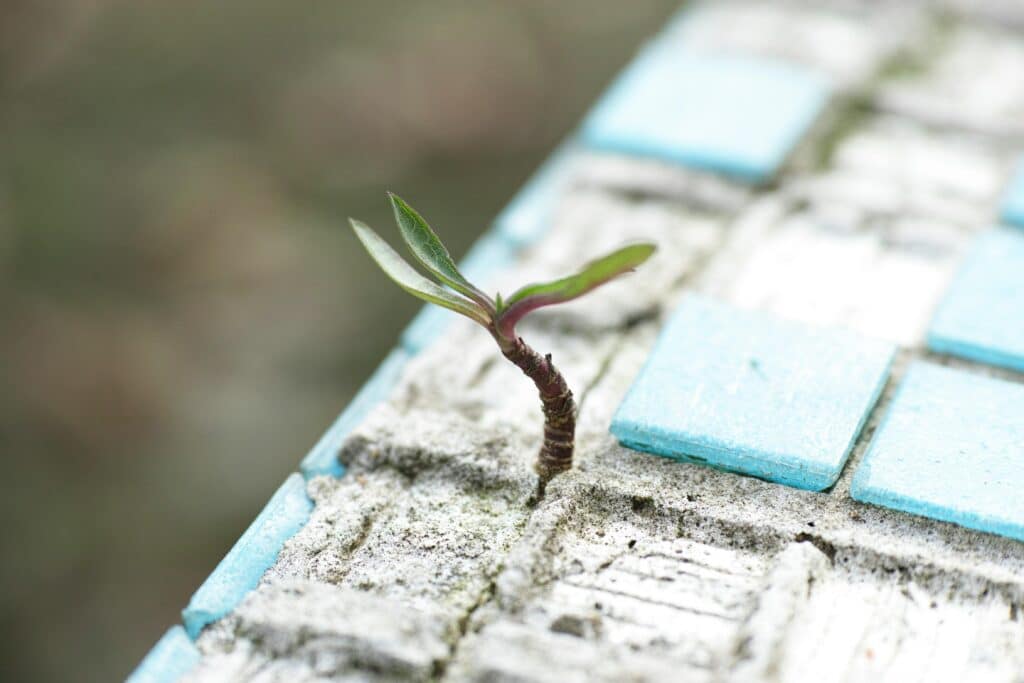
When you keep trying Fun Study Habits for Students, small changes add up faster than big overhauls. You don’t need to remake your whole routine overnight. Try one habit this week and another next week. That steady approach often leads to clearer progress and less stress (Vanneman).
Quick, research-backed reminders
You might find it reassuring that large studies show only a modest share of students reached top proficiency ranges in some subjects historically — roughly 11–17% in U.S. history on national assessments — which shows why steady habits matter more than one big push (Beatty et al.). Other data suggest 31–54% of students discuss school at home regularly, and that kind of daily engagement links with better outcomes (Beatty et al.). A study of 1,050 secondary students also found a meaningful connection between study approaches and grades (Ebele and Olofu).
Match the habit to your style
When you choose which habit to try, think about what fits your rhythm. If you like music, use a playlist as your cue. If you like motion, add a brief walk while you review. These small fits help engaging study routines feel natural and easy to repeat (Labrador et al.).
How to measure what’s working
Keep a simple log for two weeks. Note what you tried, how long you studied, and one line on whether you felt more confident. That short record helps you spot patterns without pressure. Reflection guides you to keep what helps and drop what doesn’t (Thompson et al.; Ebele and Olofu).
A tiny plan you can follow (3 days)
- Day 1: Try a 10-minute mini-game for recall.
- Day 2: Do a 15-minute spaced review and color one concept.
- Day 3: Set a micro-goal and reward yourself with a short break.
How we can help you keep going
We offer clear tips on studying, note-taking, and school skills that you can test quickly. Our tools and guides are built to help you adopt productive study techniques that fit your life. If you want, we can create a printable checklist or a 7-day practice plan you can follow step-by-step.
Final nudge — tiny wins matter

When you try even one small habit and stick to it for a few days, your confidence can grow. You’ll find assignments feel less heavy and your focus comes back easier (Vanneman; Ebele and Olofu). Which small habit will you test this week?
References
Vanneman, Alan. Good Study Habits and Academic Performance: Findings from the NAEP 1994 U.S. History and Geography Assessments. NCES, Aug. 1997. National Center for Education Statistics.
https://nces.ed.gov/pubs97/web/97931.asp
Accessed 18 Nov. 2025.
F., Ebele Uju, and Olofu Paul A. “Study Habit and Its Impact on Secondary School Students’ Academic Performance in Biology in the Federal Capital Territory, Abuja.” Educational Research and Reviews, vol. 12, no. 10, 23 May 2017, pp. 583–88. Academic Journals.
https://files.eric.ed.gov/fulltext/EJ1143649.pdf
Accessed 18 Nov. 2025.
Labrador, Raniere Kervin M., et al. “The Influence of Study Habits and Attitudes to the Academic Performance of Junior High School Students: A Correlational Study.” International Journal of Research and Innovation in Social Science, vol. 8, no. 4, 2024, pp. 2116–29. IJRISS.
https://rsisinternational.org/journals/ijriss/articles/the-influence-of-study-habits-and-attitudes-to-the-academic-performance-of-junior-high-school-students-a-correlational-study/
Accessed 18 Nov. 2025.
Helali, Rasha Gaffer M., Nawal Ali Y. Abdelrahman, and Rafia Khidir A. Zaroug. “Measuring the Impact of Study Habits on Student Academic Performance in KSA.” Journal of Positive School Psychology, vol. 6, no. 4, 2022, pp. 328–35. Journal of Positive School Psychology.
https://journalppw.com/index.php/jpsp/article/view/2357
Accessed 18 Nov. 2025.
Aljaffer, M. A., et al. “The Impact of Study Habits and Personal Factors on the Academic Achievement Performances of Medical Students.” BMC Medical Education, vol. 24, 2024, article 888. BMC.
https://doi.org/10.1186/s12909-024-05889-y
Accessed 18 Nov. 2025.
Thompson, A. R., et al. “The Impact of Learning Approach and Study Habits on Student Performance in an Undergraduate Human Anatomy Course.” Medical Science Educator, 2025. Springer.
https://link.springer.com/article/10.1007/s40670-025-02424-6
Accessed 18 Nov. 2025.
Beatty, Alexandra S., et al. NAEP 1994 U.S. History Report Card: Findings from the National Assessment of Educational Progress. NCES, Apr. 1996. National Center for Education Statistics.
https://nces.ed.gov/nationsreportcard/pubs/main1994/96085.aspx
Accessed 18 Nov. 2025.
Williams, Paul L., et al. NAEP 1994 History: A First Look — Findings from the National Assessment of Educational Progress. NCES, Oct. 1995. National Center for Education Statistics.
https://nces.ed.gov/nationsreportcard/pubs/main1994/hchpt1.aspx
Accessed 18 Nov. 2025.


Pingback: School social life balance: 8 Ways to Master the Balance
Pingback: Skyrocket Your Cognitive Abilities for School Success
Pingback: Effective Assessments to Enhance Learning Outcomes