How School Influences Body Image: Practical Approaches & Tips
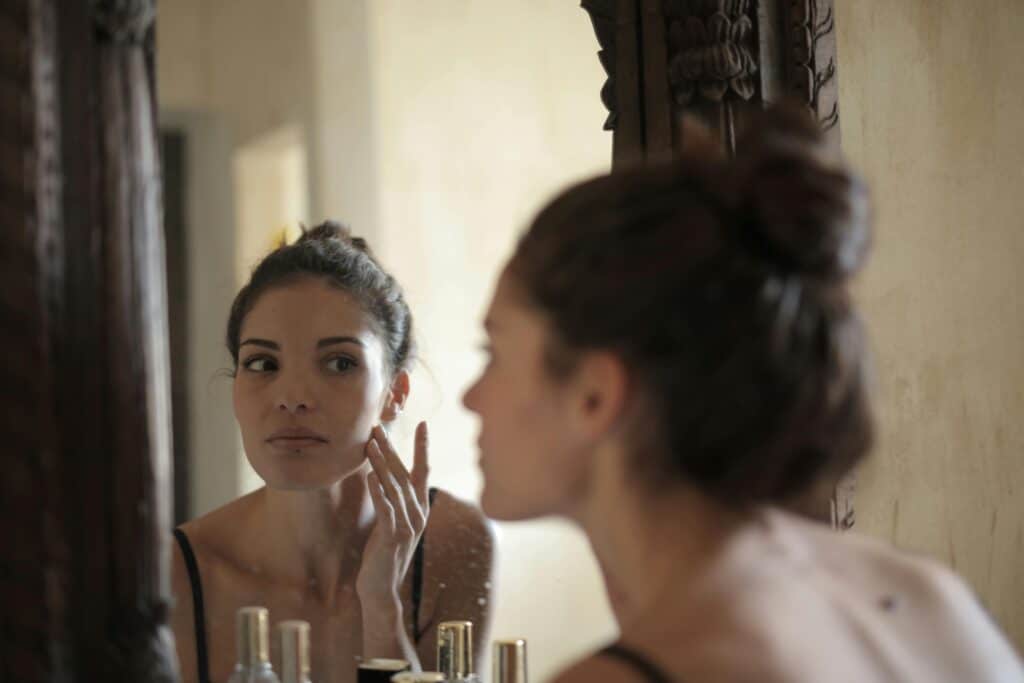
School is a major hub, which might be affecting how you are thinking about yourself. Wherever you are may be in school, whether you are overhearing conversations about you or social media crazes; all of this could deeply affect how you perceive yourself.
Even the tiniest changes in your school life could affect how you might feel or act. There are many steps that can minimize or even take care of how school affects you socially or emotionally.
Key Takeaways
- School routines and messages shape how you feel about your body, sometimes in ways you don’t notice right away.
- Peers and classroom activities influence body confidence every single day.
How School Shapes Body Image
Every part of school, maybe your daily routines or what happens in your classroom. All of these can either help or hurt how school influences body image.
Classroom Practices
Teachers set is one of the first way on how school influences body image. When lessons include media literacy, open talks about all kinds of bodies, and activities on what bodies can do, you start to question those so-called “ideals.”
When teachers avoid commenting on weight and focus on effort or kindness, you feel a bit safer and less judged. A curriculum that’s about body appreciation and gratitude for what your body does gives you tools to resist endless comparison.
- Lessons on media literacy help you spot unrealistic standards.
- Positive language from teachers supports self-acceptance.
- Assignments focused on dieting or looks can hurt body image.
Impact of Physical Education
PE isn’t just about dodgeball—it really shapes how school influences body image. If PE is about fun, learning new skills, and personal growth, you start to value what your body can do, not just how it looks.
But when fitness tests get posted for everyone to see or rank you, it can tank your confidence.
- Fun and skills-based PE boosts body appreciation.
- Public ranking can harm self-esteem.
- Flexible uniforms and privacy in changing rooms matter.
School Policies
A whole-school approach means every part of school works together to support positive body image. Policies that ban weight-based teasing, train staff in body-safe talk, and involve parents send a clear, steady message.
Materials and posters should show all kinds of bodies, not just the “ideal.” When anti-bullying policies call out body shaming, it’s easier to stop it. Staff who know how to spot and help students struggling with body image can make all the difference.
- Whole-school policies create consistency.
- Diverse images in materials help everyone feel seen.
- Staff training leads to earlier support.
| Area | What Helps | What Hurts |
|---|---|---|
| Classroom | Media literacy, positive language | Focus on dieting, appearance |
| PE | Skill-building, privacy | Public rankings, strict uniforms |
| Policy | Anti-bullying, diverse images | Mixed messages, lack of staff training |
Social Influences and Peer Interactions
The people whom you surround yourself with all have a great effect on your body image. There are times when it’s obvious; other times it’s slowly growing in the background.
Appearance-Related Bullying and Body Shaming
When classmates tease you about your weight, clothes, or any part of your body, that’s body shaming.
It helps to jot down what happened and who saw it, just in case you need to talk to someone. If you tell a trusted adult, the school can step in with a solution.
- Document incidents for follow-up.
- Reach out to a counselor or trusted adult fast.
- Practice calm responses to set boundaries.
Peer Pressure and Comparison
Comparing yourself to friends, athletes, or what you see online is basically part of school life. But sometimes, that comparison pushes you toward unhealthy stuff.

Try to spot your triggers. Muting, unfollowing, or just hanging out with people who care about more than looks.
- Identify and limit triggers on social media.
- Choose friends who support healthy habits.
- Set boundaries with appearance talk.
Role of Teachers and Staff as Role Models
Teachers and staff send messages about body image, even when they don’t realize it. If adults talk about diets or “good” versus “bad” bodies, it shapes classroom culture in subtle ways.
When staff focus on non-appearance traits and teach about media influence or consent, you get better tools for handling pressure.
- Staff should avoid body talk and praise non-appearance traits.
- Programs on media literacy and consent help students.
- Report harmful comments to get support.
| Social Influence | Positive Actions | Negative Actions |
|---|---|---|
| Peers | Support, healthy habits | Bullying, comparison |
| Staff | Inclusive language, intervention | Body shaming, diet talk |
Risk Factors and Warning Signs of Body Image Issues
Tons of students experience changes in how they perceive themselves, be it from social media or classmates. If you experience sudden negative changes in your body image, then it’s important to recognize them and address them.
Recognizing Body Dissatisfaction
You might catch yourself comparing your body to others or feeling down after looking in the mirror. If thoughts like “I’m too fat” or “I don’t look right” pop up every day, that’s a pretty big warning sign.
Watch your actions too—are you skipping gym, hiding in baggy clothes, or avoiding photos? Those behaviors show how school influences body image and how it’s starting to affect your choices.
- Frequent negative self-talk is a red flag.
- Behavior changes—avoiding activities or friends—matter.
- Keeping a log can reveal patterns.
Link Between Body Image and Eating Disorders
When you feel bad about your body, you might try to change it fast—skipping meals, crash dieting, or working out too much. Those choices can quickly turn into eating disorders like anorexia, bulimia, or binge eating.

Look for sudden weight changes, secretive eating, or panic about food. If you see these signs in yourself or someone else, talk to a trusted adult.
- Body dissatisfaction can lead to risky behaviors.
- Early signs include rapid weight change and food anxiety.
- Getting help early makes a big difference.
| Warning Sign | What to Watch For |
|---|---|
| Self-talk | Negative thoughts, frequent comparisons |
| Behavior | Skipping activities, hiding, eating changes |
| Physical | Rapid weight change, secrecy |
Identifying Disordered Eating Behaviors
Disordered eating sneaks in through odd habits that don’t quite fit the “eating disorder” label, but they’re still a big deal. Think about obsessively counting calories, secretly vomiting after meals, or popping laxatives just to feel in control.
Here’s what you might notice: skipping lunch, heading to the bathroom right after eating, or carrying around diet pills. Sometimes there’s a faint smell of vomit, or you might spot someone looking dizzy or losing hair.
If you pick up on these things, talk to a school nurse, counselor, or someone at home. Jumping in early can make a huge difference before things spiral.
- Disordered eating isn’t always obvious—it can hide in daily routines.
- Physical and behavioral signs can signal a problem, especially in school settings.
- Early support is key to preventing worse outcomes.
| Sign | What to Do |
|---|---|
| Skipping meals | Check in with the student privately |
| Frequent bathroom trips after eating | Ask a counselor for guidance |
| Physical symptoms (dizziness, hair loss) | Encourage a visit to the school nurse |
Conclusion
The effects of school on body image are clear. It is important to realize you have more power in how you perceive yourself than any other external factor.
So, the next time you enter school, notice how school influences body image, and maybe do something about it?
References
Centers for Disease Control and Prevention. “Bullying.” Youth Violence Prevention, 28 Oct. 2024, https://www.cdc.gov/youth-violence/about/about-bullying.html
Diedrichs, Phillippa C., Melissa J. Atkinson, Kirsty M. Garbett, and George Leckie. “Evaluating the ‘Dove Confident Me’ Five-Session Body Image Intervention Delivered by Teachers in Schools: A Cluster Randomized Controlled Effectiveness Trial.” Journal of Adolescent Health, vol. 68, no. 2, 2021, pp. 331-341, https://doi.org/10.1016/j.jadohealth.2020.10.001
Guest, Ella, et al. “A Systematic Review of Interventions Aiming to Promote Positive Body Image in Children and Adolescents.” Body Image, vol. 42, 2022, pp. 58-74, https://doi.org/10.1016/j.bodyim.2022.04.009
Hartman-Munick, Sydney M., Allegra R. Gordon, and Carly Guss. “Adolescent Body Image: Influencing Factors and the Clinician’s Role.” Current Opinion in Pediatrics, vol. 32, no. 4, 2020, pp. 455-460, https://doi.org/10.1097/MOP.0000000000000910
Huang, Jeannie S., Gregory J. Norman, Marion F. Zabinski, Karen Calfas, and Kevin Patrick. “Body Image and Self-Esteem among Adolescents Undergoing an Intervention Targeting Dietary and Physical Activity Behaviors.” Journal of Adolescent Health, vol. 40, no. 3, 2007, pp. 245-251, https://doi.org/10.1016/j.jadohealth.2006.09.026
Kurz, Martina, et al. “School-Based Interventions Improve Body Image and Media Literacy in Youth: A Systematic Review and Meta-Analysis.” Journal of Prevention, vol. 43, no. 1, 2022, pp. 5-23, https://doi.org/10.1007/s10935-021-00660-1
Meland, Eivind, Siren Haugland, and Hans-Johan Breidablik. “Body Image and Perceived Health in Adolescence.” Health Education Research, vol. 22, no. 3, 2007, pp. 342-350, https://doi.org/10.1093/her/cyl085
Revranche, M., M. Biscond, and M. M. Husky. “[Investigating the Relationship between Social Media Use and Body Image among Adolescents: A Systematic Review].” Encephale, vol. 48, no. 2, 2022, pp. 206-218, https://doi.org/10.1016/j.encep.2021.08.006
Thai, Helen, et al. “Reducing Social Media Use Improves Appearance and Weight Esteem in Youth with Emotional Distress.” Psychology of Popular Media, vol. 13, no. 1, 2024, pp. 162-169, https://doi.org/10.1037/ppm0000460
Zuair, Areeg A., and Pradeep Sopory. “Effects of Media Health Literacy School-Based Interventions on Adolescents’ Body Image Concerns, Eating Concerns, and Thin-Internalization Attitudes: A Systematic Review and Meta-Analysis.” Health Communication, vol. 37, no. 1, 2022, pp. 20-28, https://doi.org/10.1080/10410236.2020.1813954