
Mastering Your Instrument: Effective Practice Strategies for School Musicians

Sarah stared at her trumpet, knowing she had only 30 minutes before dinner. Sound familiar? Every student musician faces this daily challenge.
This guide helps middle school and high school musicians transform rushed practice sessions into focused, productive time. You’ll discover proven strategies that work.
We’ll explore creating structured practice schedules that fit your busy life and learning warm-up routines that prepare you for peak performance.
What You’ll Learn
Core Practice Fundamentals:
• Building consistent daily practice habits
• Designing effective warm-up sequences
• Breaking down difficult musical passages
• Using practice apps and online resources
Smart practice beats long practice every time. These strategies help you improve faster while spending less time with your instrument.
Ready to make every practice minute count? Let’s start building your musical success story.
Creating an Effective Daily Practice Schedule
Set realistic time goals that fit your academic schedule

Success starts with honesty about your available time. Most students overestimate their practice capacity and create unrealistic schedules that lead to frustration and burnout.
Consider your energy levels throughout the day. Morning people should practice your instrument before school, while night owls perform better after homework completion. Weekend sessions can be longer, but weekday practice should remain consistent and manageable.
Key scheduling tips:
• Block practice time like any important appointment
• Account for homework, extracurriculars, and social time
• Start with 20-30 minutes daily and gradually increase
Break practice sessions into focused segments
Dividing practice time into smaller chunks dramatically improves concentration and retention. Your brain processes musical information more effectively in focused bursts than during lengthy, unfocused sessions.
Structure each segment with specific goals. Spend 5-10 minutes on scales, 10-15 minutes on technical exercises, and remaining time on repertoire. This approach prevents mental fatigue and maintains engagement throughout your session.
Use a timer to enforce segment boundaries. When time expires, move to the next activity regardless of completion status. This creates urgency and prevents perfectionism from derailing your entire practice routine.
Effective segment breakdown:
• Warm-up and scales (5-10 minutes)
• Technical work on problem areas (10-15 minutes)
• Repertoire practice with specific goals (remaining time)
Balance technique work with repertoire practice

Technical exercises and performance pieces serve different but equally important purposes in musical development. Neglecting either creates gaps in your overall musicianship and limits progress potential.
Dedicate roughly 40% of practice time to technical work including scales, arpeggios, and etudes. These exercises build fundamental skills that translate directly to performance pieces. The remaining 60% should focus on repertoire assigned by your teacher or selected for auditions.
Rotate technical focus areas weekly. Concentrate on rhythm patterns one week, then shift to articulation or dynamics the next. This systematic approach ensures comprehensive skill development while keeping practice sessions fresh and engaging.
Remember that when you practice your instrument with balanced attention to both technique and repertoire, you develop as a complete musician rather than someone who can only play specific songs.
Balance strategies:
• Use 40/60 split between technique and repertoire
• Rotate technical focus areas weekly
• Apply technical skills immediately to current pieces
Essential Warm-Up Routines That Maximize Performance
Design Instrument-Specific Warm-Up Exercises

Every instrument demands unique preparation. String players benefit from bow exercises and left-hand positioning drills. Wind musicians need breathing exercises and embouchure stability work.
Brass players should start with mouthpiece buzzing before adding the instrument. Woodwind musicians need reed adjustment time and gentle airflow exercises. Percussion requires stick grip practice and basic rudiment patterns.
• Focus on muscle groups specific to your instrument
• Start slowly with gentle movements
• Progress gradually to prevent injury
When you practice your instrument, tailor warm-ups to address technical challenges. Pianists need finger independence exercises, while guitarists require fretting-hand stretches and picking patterns.
Incorporate Scales and Arpeggios for Finger Agility
Scales build muscle memory and establish key signatures in your mind. Start with major scales, then progress to natural, harmonic, and melodic minors. Practice both ascending and descending patterns.
Arpeggios develop smooth transitions between chord tones. Begin with simple triads before advancing to seventh chords. Use different rhythmic patterns and articulations to maintain engagement.
• Practice scales in various rhythmic patterns
• Focus on evenness and clarity of notes
• Gradually increase tempo while maintaining accuracy
Connect scales to real music by identifying them in your repertoire. This practical approach makes scale practice more meaningful and directly improves performance quality.
Practice Long Tones for Sound Quality Development

Long tones form the foundation of beautiful sound production. Hold notes for extended periods while focusing on consistency, intonation, and tone color. Start with comfortable middle register notes.
Listen carefully to pitch stability and volume control. Use a tuner initially, then develop your ear to recognize proper intonation. Vary dynamics from pianissimo to fortissimo smoothly.
• Hold notes for 8-16 beats minimum
• Focus on steady airflow or bow control
• Practice in all registers of your instrument
Wind players should emphasize breath support and embouchure stability. String players need consistent bow pressure and speed. When you practice your instrument daily, long tones build endurance and control.
Include Rhythmic Patterns for Timing Precision
Strong rhythmic skills separate good musicians from great ones. Practice with a metronome to develop internal pulse and subdivisions. Start slowly and increase tempo gradually.
Use various note values and combinations. Practice dotted rhythms, triplets, and syncopated patterns. Count aloud initially, then internalize the pulse for silent counting.
• Start with simple quarter and eighth note patterns
• Progress to complex rhythms found in your music
• Practice clapping rhythms before adding your instrument
Rhythmic accuracy affects ensemble playing significantly. Develop the ability to maintain steady tempo while playing expressive phrases. Regular rhythm practice creates confident, reliable performers.
Mastering Challenging Pieces Through Strategic Breakdown
Identify Difficult Passages and Isolate Problem Areas
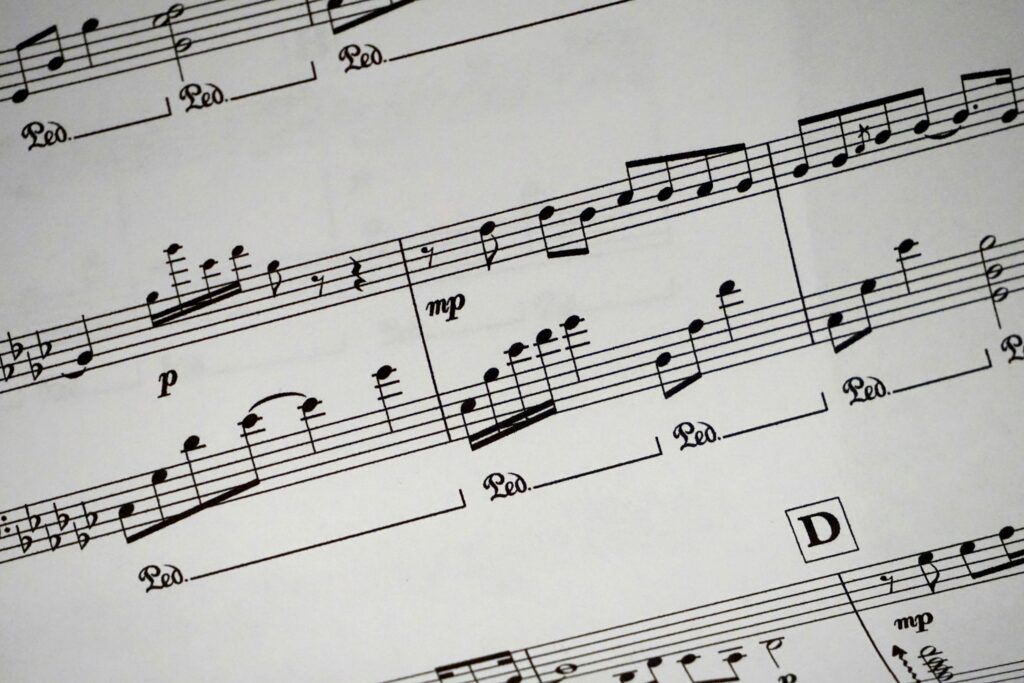
Spotting trouble spots in your music requires honest self-assessment. Mark challenging sections with a pencil during initial read-throughs. These areas typically include fast runs, awkward fingerings, or complex rhythms.
Focus on passages that consistently trip you up rather than playing through entire pieces. Circle specific measures that cause hesitation or mistakes. Your brain will naturally want to rush past difficult spots.
Break down complex sections into smaller, manageable chunks. Work on just two to four measures at a time. This targeted approach prevents you from developing bad habits in easier sections.
Key strategies for isolation:
• Mark problem areas immediately during sight-reading
• Focus on 2-4 measure segments rather than full passages
• Identify patterns within difficult sections
Practice Slowly with a Metronome for Accuracy
Slow practice builds the foundation for clean, accurate playing. Set your metronome to half the target tempo or slower. This allows your fingers and brain to coordinate properly.
Every note should be deliberate and precise at slow speeds. Rushing through passages creates muscle memory for mistakes. Your fingers learn whatever you repeat most often.
Start ridiculously slow if needed. Some passages might require quarter-note equals 60 or even 50 beats per minute. The goal is complete accuracy before building speed.
When you practice your instrument slowly, you develop muscle memory for correct technique. This foundation prevents future problems and builds confidence for faster tempos.
Benefits of slow practice:
• Builds accurate muscle memory from the start
• Allows time to focus on proper technique
• Prevents rushing through difficult sections
Use Mental Practice Techniques Away from Your Instrument

Mental rehearsal activates the same brain regions as physical practice. Visualize finger positions, bow movements, or breathing patterns without touching your instrument. This technique works anywhere.
Study your music score away from practice sessions. Analyze chord progressions, key changes, and structural elements. Understanding the music intellectually supports physical execution.
Practice fingerings on a tabletop or steering wheel. Saxophone players can finger passages silently. String players can practice bow patterns in the air.
Mental practice proves especially valuable before performances. Visualize successful execution of challenging passages. This builds confidence and reduces performance anxiety.
Mental practice methods:
• Score study for harmonic and structural analysis
• Silent fingering practice on flat surfaces
• Visualization of successful performance scenarios
Gradually Increase Tempo While Maintaining Quality
Speed comes naturally after establishing accuracy at slower tempos. Increase metronome markings by small increments – typically 5-10 beats per minute at a time.
Never sacrifice accuracy for speed. If mistakes creep in at faster tempos, drop back down immediately. Your goal is maintaining the same quality at every tempo.
Some passages need different tempo increases than others. Technical runs might handle 10 BPM jumps, while intricate rhythms need 5 BPM increments or less.
Record yourself at different tempos to track progress objectively. You might think you’re playing accurately, but recordings reveal the truth about timing and technique.
When you consistently practice your instrument with gradual tempo increases, you build sustainable speed. Rushing leads to tension and mistakes that become harder to fix later.
Tempo building guidelines:
• Increase by 5-10 BPM increments maximum
• Return to slower tempo if accuracy suffers
Record Yourself to Identify Areas Needing Improvement

Recording reveals issues you can’t hear while playing. Your ears focus on reading music and coordinating movements, missing intonation problems or rhythmic inconsistencies.
Use your smartphone’s voice memo app for quick recordings. You don’t need professional equipment to identify basic problems. Simple recordings expose timing, pitch, and tone issues effectively.
Listen to recordings immediately after playing. Fresh perspective helps you hear problems more clearly. Take notes on specific measures that need attention.
Compare recordings over time to track improvement. Save weekly recordings of challenging pieces. This creates motivation and documents your progress objectively.
Recording sessions also simulate performance pressure. Playing for a microphone creates mild stress similar to performing for others. This builds performance confidence gradually.
Recording practice benefits:
• Reveals intonation and timing issues you miss while playing
• Creates mild performance pressure for confidence building
• Provides objective documentation of progress over time
Practice Strategy Summary
| Strategy | Purpose | Recommended Frequency |
|---|---|---|
| Isolate Problem Areas | Target specific challenges | Every practice session |
| Slow Practice | Build accurate muscle memory | 50% of practice time |
| Mental Practice | Reinforce away from instrument | Daily, 10-15 minutes |
| Gradual Tempo Increases | Build sustainable speed | After mastering slow tempo |
| Recording Sessions | Objective self-assessment | Weekly |
Leveraging Technology and Resources for Better Results
Use Apps and Software for Tuning and Timing
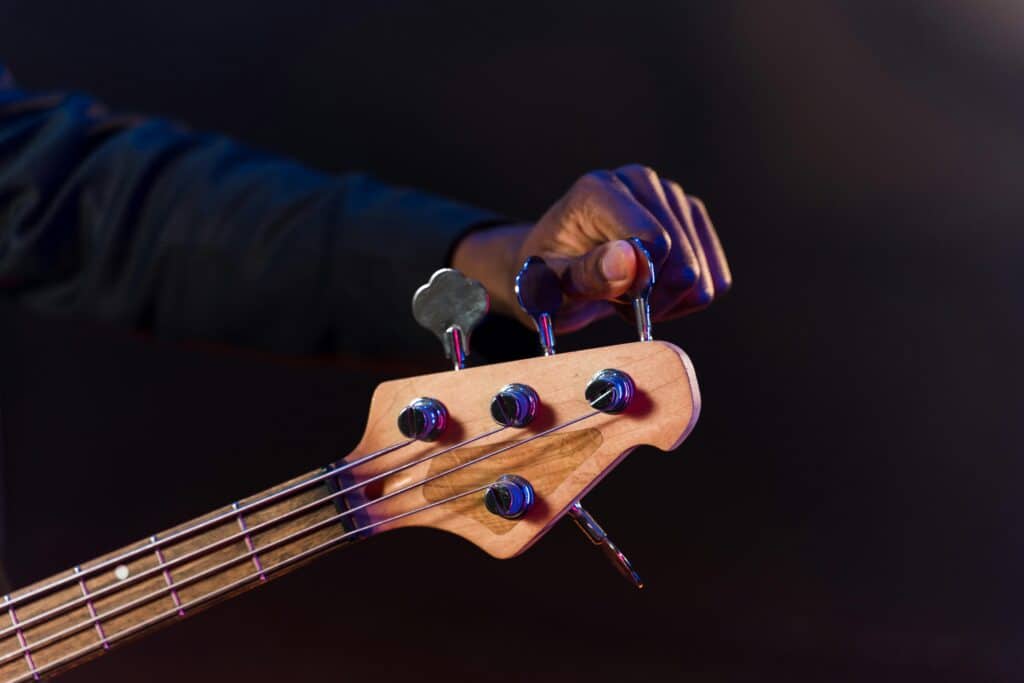
Modern technology transforms how musicians approach their craft. Tuning apps like ClearTune and Tonal Energy provide instant feedback on pitch accuracy, helping students develop better intonation skills.
Metronome apps offer advanced features beyond basic timing. Many include subdivision patterns and gradual tempo changes that make it easier to practice your instrument with precision and build steady rhythmic foundations.
• Digital tuners show visual pitch feedback in real-time
• Advanced metronomes include programmable tempo changes and subdivision options
Record Practice Sessions for Self-Evaluation
Recording yourself reveals details you miss while playing. Smartphone apps capture practice sessions easily, allowing students to hear mistakes and track improvement over time objectively.
Playback analysis helps identify specific problem areas in technique and musicality. Students can compare recordings across weeks to measure progress and adjust their approach accordingly.
• Voice memo apps provide simple recording solutions for immediate feedback
• Compare recordings over time to track measurable improvement in your playing
Conclusion

The difference between struggling with your instrument and truly mastering it comes down to how you practice. Smart practice habits, consistent schedules, and proper warm-ups create the foundation every school musician needs. Are you ready to transform your musical journey?
Key Takeaways
• Daily Practice Schedule: Set specific times and stick to them for consistent progress
• Strategic Warm-Ups: Start every session with focused exercises to prevent injury and improve technique
• Break Down Difficult Pieces: Tackle challenging music section by section rather than playing through mistakes
• Use Technology: Apps, metronomes, and recording tools can accelerate your improvement
• Mental Preparation: Address practice anxiety and mental blocks before they become habits
• Track Progress: Regular assessment helps you stay motivated and adjust your approach
Remember, great musicians aren’t born – they’re made through deliberate, thoughtful practice. Will you commit to these strategies and watch your musical abilities soar?
References
Ericsson, K. Anders, Ralf Th. Krampe, and Clemens Tesch-Römer. “The Role of Deliberate Practice in the Acquisition of Expert Performance.” Psychological Review, vol. 100, no. 3, 1993, pp. 363–406. https://cseweb.ucsd.edu/classes/fa08/cse599/Papers/Ericsson.pdf. Accessed 30 Nov. 2025.
“Practice Tips & Techniques.” Berklee College of Music, Pulse, https://pulse.berklee.edu/content/practicepalooza/journal/PracticeTips.pdf. Accessed 30 Nov. 2025.
“Effective and Organized Learning Processes in Music Practice.” NAfME (National Association for Music Education), 3 Sept. 2020, https://nafme.org/blog/effective-organized-learning-processes-music-practice/. Accessed 30 Nov. 2025.
TonalEnergy, Inc. “TonalEnergy Tuner & Metronome.” TonalEnergy, https://www.tonalenergy.com/. Accessed 30 Nov. 2025.
Bitcount Ltd. “Cleartune.” App Store, https://apps.apple.com/us/app/cleartune/id286799607. Accessed 30 Nov. 2025.
Clark, T., and A. Williamon. “Evaluation of a Mental Skills Training Program for Musicians.” Royal College of Music ResearchOnline, 2011, https://researchonline.rcm.ac.uk/id/eprint/258/1/Clark%20%26%20Williamon%20%282011%3B%20intervention%29.pdf. Accessed 30 Nov. 2025.
“The Benefits of Practicing with a Metronome.” Soundbrenner Blog, 10 Jan. 2025, https://www.soundbrenner.com/blogs/articles/the-benefits-of-practicing-with-a-metronome. Accessed 30 Nov. 2025.
Klickstein, Gerald. “5 Benefits of Self-Recording.” The Musician’s Way, 17 Feb. 2014, https://www.musiciansway.com/blog/2014/02/5-benefits-of-self-recording/. Accessed 30 Nov. 2025.
“How to Play Scales and Arpeggios for Pianists.” Liberty Park Music, https://www.libertyparkmusic.com/scales-arpeggios-piano-practice/. Accessed 30 Nov. 2025.
Allingham, Emma, and Clemens Wöllner. “Slow Practice and Tempo-Management Strategies in Instrumental Music Learning: Investigating Prevalence and Cognitive Functions.” Psychology of Music, 2022. https://doi.org/10.1177/03057356211073481. Accessed 30 Nov. 2025.
“Mental Practice and Musical Memory: A Selected Review of Literature (with Practical Pedagogical Implications).” Suzuki Association Journal, https://suzukiassociation.org/journalarticle/mental-practice-and-musical-memory-a-selected-review-of-literature-with-practical-pedagogical-implications/. Accessed 30 Nov. 2025.
Ericsson, K. Anders. “Deliberate Practice and Proposed Limits on the Effects of Practice on the Acquisition of Expert Performance.” Frontiers / NCBI (PMC), 2019, https://www.ncbi.nlm.nih.gov/pmc/articles/PMC6824411/. Accessed 30 Nov. 2025.
Pingback: Academic Rigor: Essential Courses for Success
Pingback: E-Learning Apps: Uncover Their Enormous Benefits
Pingback: The Daring Importance of Electives in Shaping Futures