
Fueling Your Body: 5 Tips on How to Build Your Diet For School Performance
A morning you know well

You wake up late and grab the first thing you can find.
By second period, your energy dips and your notes blur.
You notice your focus slipping during a test.
You wonder if food had anything to do with it.
Why this matters to you
Your brain needs steady fuel to pay attention, remember, and solve problems.
Learning how to build your diet for school performance helps you feel ready for class.
Research links better food choices with improved attention and school outcomes (Bleiweiss-Sande et al.).
Small changes that help

You are not expected to be perfect.
Start with one easy swap or one habit you can keep.
- Eat a breakfast with protein and whole grains each morning.
- Have a snack mid-morning if lunch is far away.
- Choose water or milk over sugary drinks during study time.
These simple steps support student nutrition and learning and help steady your energy.
Thinking in small, regular changes makes healthy habits easier to keep.
You can build toward better focus without huge disruptions to your routine.
The 5 Reasons
- Breakfast steadies focus and mood
- Whole foods support clearer thinking
- Timing and portioning help you stay steady
- Hydration and key nutrients support brain work
- Small, consistent swaps become lasting gains
Reason 1 — Breakfast steadies focus and mood

You often notice morning fog when you skip breakfast.
A balanced morning meal can help your attention in class. (Bleiweiss-Sande et al.)
Eating protein and whole grains reduces big blood-sugar swings.
That steadiness helps you stay calm during tests and lessons. (Chung et al.)
- Aim for a breakfast with protein + whole grain every school day.
- Keep a small, portable mid-morning snack if needed.
- Drink water or milk rather than sugary drinks before class.
When you eat within an hour of waking, your brain gets early fuel.
That fuel helps working memory and short-term focus for classroom tasks. (Florence et al.)
You do not need perfect breakfasts — steady habits matter more.
Try simple combos: eggs + toast, yogurt + oats, or nut butter + banana.
These choices make attention lapses less likely during morning lessons. (Chung et al.)
- Quick wins: fruit + protein, whole-grain toast, or low-sugar yogurt
| What to eat | Why it helps | Evidence |
|---|---|---|
| Egg + whole-grain toast | Slows glucose rises; supports attention | (Chung et al.) |
| Yogurt + oats | Protein + fiber → steady energy | (Bleiweiss-Sande et al.) |
| Banana + nut butter | Portable, mix of carb + protein | (Florence et al.) |
Reason 2 — Whole foods support clearer thinking
Meals rich in fruits, vegetables, and whole grains align with better classroom outcomes. (Bleiweiss-Sande et al.)
You may feel sharper when your plate includes a variety of whole foods.
Highly processed snacks can lead to energy crashes and distraction.
Swapping them for whole options helps sustain concentration during homework. (Bleiweiss-Sande et al.)
- Focus on adding one fruit or vegetable to lunch daily.
- Replace a packaged snack with nuts, fruit, or vegetables.
- Choose whole-grain bread over refined white bread.
Over time, these swaps can improve your day-to-day stamina for study.
Diet quality and student nutrition and learning often show linked patterns in studies. (Florence et al.)
You do not need to eliminate treats; reduce frequency and portion sizes.
A steady pattern of whole foods supports brain nutrients like fiber and antioxidants.
These nutrients help mood regulation and may help classroom persistence. (Keye et al.)
Try to make half your plate fruits and vegetables when possible.
- Small swap ideas: apple slices, carrot sticks, plain popcorn
| Swap idea | Quick reason | Evidence |
|---|---|---|
| Chips → carrot sticks + hummus | More fiber, slower energy dips | (Bleiweiss-Sande et al.) |
| Candy bar → apple + nuts | Protein slows sugar crash | (Florence et al.) |
| White bread → whole grain | More sustained energy for tasks | (Chung et al.) |
Reason 3 — Timing and portioning help you stay steady

Eating too little for long stretches makes focus harder.
Spacing small meals or snacks keeps your energy even during school. (Chung et al.)
Portion control matters for sleep and afternoon attention.
Heavy, greasy meals before class often leave you tired and less present. (American University)
- Eat every 3–4 hours to keep blood sugar stable.
- Choose moderate portions before heavy mental tasks.
- Pack a compact snack for long mornings.
Timing pairs with food quality to support how to build your diet for school performance.
When you time meals well, studying and note-taking can feel easier. (Bleiweiss-Sande et al.)
Small, repeatable patterns beat occasional extreme meals for consistency.
You can test timing on busy days and note what helps most.
Adjust portions so you do not feel sluggish during tough classes. (Florence et al.)
Over time, this approach reduces the number of energy slumps.
- Try: small breakfast, light snack mid-morning, balanced lunch
| Timing plan | What it prevents | Evidence |
|---|---|---|
| Breakfast + mid-morning snack | Mid-morning energy dip | (Chung et al.) |
| Moderate lunch | Afternoon sleepiness | (American University) |
| Post-school snack | Replenish for homework | (Bleiweiss-Sande et al.) |
Reason 4 — Hydration and key nutrients support brain work
Mild dehydration can lower attention and memory during class.
Drinking water regularly supports cognitive tasks and mood. (American University)
Micronutrients — iron, vitamin D, omega-3s — help brain processes you rely on.
When levels are low, you might struggle more with memory and focus. (Keye et al.)
- Carry a water bottle and sip throughout the day.
- Include iron sources (lean meat, beans) some days weekly.
- Eat sources of omega-3s when you can (fish, flaxseed).
If you suspect deficiencies, speak with a school nurse or doctor.
Testing and modest supplements sometimes help under medical guidance. (American University)
Nutrition improvements often pair with better classroom engagement.
Keep simple choices: water as default, milk or fortified plant milk sometimes.
Add a handful of seeds or a tuna sandwich once or twice weekly. (Keye et al.)
These changes can support steady concentration across heavy study periods.
- Hydration tip: aim to sip water at least every class break
| Nutrient | Classroom benefit | Example foods |
|---|---|---|
| Water | Better short-term attention | Water, milk |
| Iron | Supports concentration, energy | Beans, lean meat |
| Omega-3 | May aid memory and focus | Tuna, walnuts |
Reason 5 — Small, consistent swaps become lasting gains

You do not need to overhaul everything to help grades and focus.
Consistent swaps build habits that match your school schedule. (Florence et al.)
Using tools like Scholarlysphere can help you pick evidence-based, student-friendly meals.
It organizes ideas and helps you test which swaps fit your routine.
- Start with one swap per week, like fruit instead of a candy bar.
- Keep a short log of what you try and how you feel.
- Use healthy school meal planning templates to simplify packing lunches.
As habits repeat, your study energy and classroom presence may improve.
These are associations found across studies, not promises of fixed gains. (Bleiweiss-Sande et al.)
Still, many students report clearer thinking after steady improvements.
Track what works for sports, after-school study, and test days.
Small, realistic changes often stick longer than dramatic one-time fixes. (Chung et al.)
Ask for help from family or school staff when planning meals.
- Tiny start: swap one packaged snack for a fruit this week
| Start plan | Why it works | How to track |
|---|---|---|
| One swap per week | Builds gradual habit | Quick notes after school |
| Use Scholarlysphere templates | Evidence + structure | Try a 7-day template |
| Log energy for two weeks | See what helps most | Short daily check |
Turning knowledge into daily habits you can keep
Build a simple routine that fits your school day
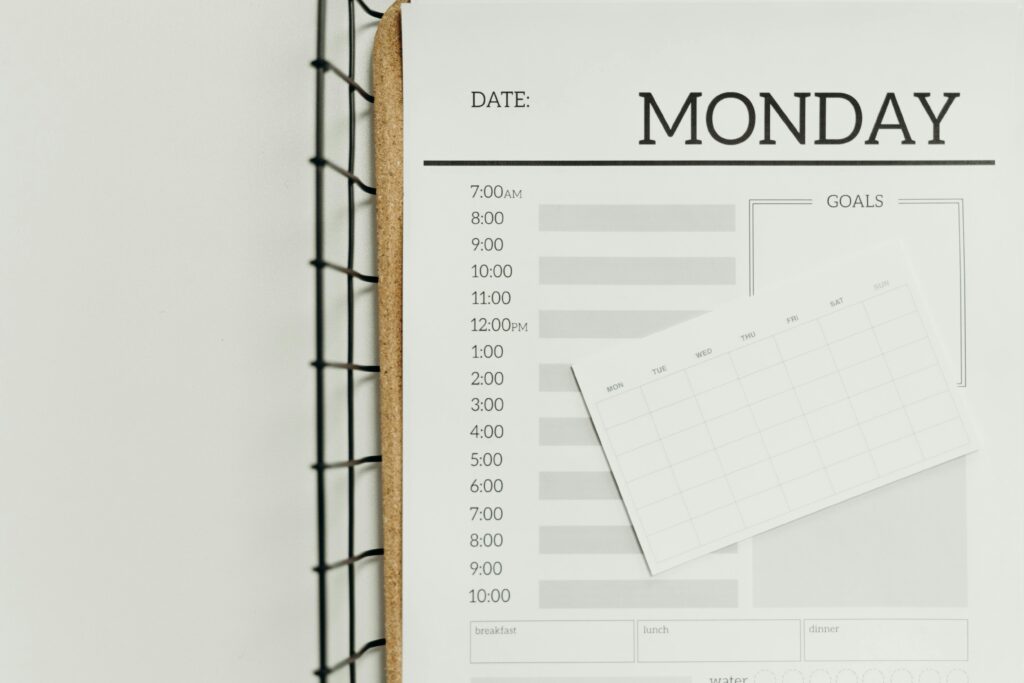
You can practice how to build your diet for school performance by choosing a few reliable defaults.
Defaults remove decision fatigue so you can focus on learning. (Florence et al.)
A morning default might be yogurt and oats or eggs and toast.
That habit shows you how to build your diet for school performance in a small step. (Chung et al.)
- Pick two breakfasts you can rotate across weekdays.
- Pack one snack and one water bottle for school.
- Choose a go-to lunch option that includes protein and veggies.
Routines help you repeat the same good choices across weeks.
Repeating choices is a realistic way to learn how to build your diet for school performance gradually. (Bleiweiss-Sande et al.)
When you anchor food choices to parts of your day, they become easier to keep.
Anchor ideas: after brushing teeth, eat breakfast; before leaving, pack snack and water.
Adjust timing and portions for tests, practice, and activities
Timing small meals helps you apply how to build your diet for school performance during heavy weeks.
Eat within an hour of waking on busy days to steady morning focus. (Chung et al.)
For long study blocks, have small mixed snacks every 3–4 hours.
This timing shows you practical ways to build your diet for school performance without stress. (American University)
- Small snack ideas: fruit + nut butter, cheese stick, or plain popcorn.
- Avoid heavy fried meals before important classes or exams.
Adjust portions so you do not feel sluggish during class.
Portion control and timing often support attention and mood across a school day. (Keye et al.)
Reflect, tweak, and grow your food habits over time

Keep a short log of one-week experiments to learn how to build your diet for school performance that fits your needs.
Note energy, mood, and focus after meals and snacks. (Bleiweiss-Sande et al.)
Try a two-week test: rotate two breakfasts, swap one snack for fruit, and track energy.
That experiment shows you how to build your diet for school performance in a measurable way.
Ask yourself quick reflection questions each weekend: what helped focus?
What left you tired? Which snacks supported homework stamina?
Share your plan with family or a trusted adult for help with shopping and packing.
Support from home often makes how to build your diet for school performance easier to follow. (Florence et al.)
Practical one-week plan you can try
Day 1–3: breakfast (protein + whole grain), water, small mid-morning snack.
Day 4–6: swap one packaged snack for fruit or nuts.
Day 7: reflect and adjust for next week.
- Note which breakfast kept you alert most often.
- Track how long you stayed focused during homework sessions.
- Repeat the best two breakfasts next week.
When you repeat the plan, you learn which choices best support your school life.
That steady approach explains why how to build your diet for school performance matters over months, not moments. (Chung et al.)
You can combine this plan with healthy school meal planning templates and tips for student nutrition and learning to improve consistency.
Small, repeated changes are often more sustainable than quick fixes. (Florence et al.)
What one simple food habit will you try this week to practice how to build your diet for school performance?
References
Bleiweiss-Sande, Rachel, et al. Associations between Food Group Intake, Cognition, and Academic Achievement in Elementary Schoolchildren. Nutrients, vol. 11, no. 11, 2019, pp. 2722, https://www.ncbi.nlm.nih.gov/pmc/articles/PMC6893423/. Accessed 15 Jan. 2026.
Improved cognitive performance following supplementation with a mixed-grain diet in high school students: A randomized controlled trial. Applied Nutritional Investigation, vol. 28, no. 2, 2012, https://pubmed.ncbi.nlm.nih.gov/22208555/. Accessed 15 Jan. 2026.
Diet quality and academic performance. Children’s Lifestyle and School-performance Study, 2003, https://pubmed.ncbi.nlm.nih.gov/18336680/. Accessed 15 Jan. 2026.
Eating habits and academic performance in secondary school: a cross-sectional analysis in a public school.Revista Cuidarte, 2025, https://pmc.ncbi.nlm.nih.gov/articles/PMC12654285/. Accessed 15 Jan. 2026.
Keye, Shelby, et al. “MIND Diet Linked with Better Focus in School-Aged Children.” American Society for Nutrition, 2023, https://nutrition.org/mind-diet-linked-with-better-focus-in-school-aged-children/. Accessed 15 Jan. 2026.
Nutrition and Academic Performance. American University, Washington, D.C., https://www.american.edu/cas/health/nutrition/nutrition-academic-performance.cfm. Accessed 15 Jan. 2026.
Does Better Nutrition Impact Student Performance? Moultrie County Health Department, 2025, https://www.moultriehealth.org/news/does-better-nutrition-impact-student-performance/. Accessed 15 Jan. 2026.
Nutrition’s Impact on Student Performance. Masyita Trans, 2025, https://www.masyitatrans.com/en/article/nutritions-impact-on-student-performance-among-students/. Accessed 15 Jan. 2026.
Nutrition Tips for Students to Boost Academic Performance. JM Nutrition, 2025, https://www.julienutrition.com/nutrition-tips-to-boost-academic-performance/. Accessed 15 Jan. 2026.


Pingback: Unlocking the Heartwarming Importance of Sleep for Students
Pingback: Transform Your Fitness and Academic Performance: Building a Life-Changing Lifting Program
Pingback: Maximizing Productivity in Academic Life: Strategies for Success
Pingback: Epic Teen Fatigue Causes and How to Combat Them
Pingback: Dazzling Body Confidence Tips for Adolescents to Shine