When “Perfect” Feels Like Pressure

You’ve probably had that moment when your finger hovers above the submit button, your heart racing because the essay still “isn’t good enough.” Maybe you’ve stayed up late, rewriting the same paragraph again and again, afraid your grade—or your worth—depends on it. If this sounds familiar, you’ve met the quiet force gripping students everywhere: academic perfectionism.
For many students, perfection isn’t about pride—it’s about survival. You tell yourself that anything less than perfect means failure. It starts small: an extra hour checking a math problem or revising a paragraph. But soon, it becomes a spiral of constant anxiety, sleepless nights, and self-doubt. Researchers define academic perfectionism as tying your identity and self-esteem to flawless performance (Hewitt and Flett).
A 2021 study in Frontiers in Public Health found that some adolescents experience high levels of perfectionistic pressure, often paired with anxiety and depressive symptoms (Wærness et al.). For students, that pressure isn’t just about grades—it’s about fear. Fear of disappointing others, of falling short, or of not being enough.
The Hidden Cost of Chasing Perfect
When academic perfectionism takes hold, it can quietly sabotage your learning. A 2019 meta-analysis found that while healthy striving can boost achievement, self-critical perfectionism is linked to burnout, procrastination, and decreased motivation. The more you chase perfection, the less joy—and energy—you have left for real learning.
College students face some of the harshest consequences. Research published in The International Journal of Environmental Research and Public Health showed that students with high perfectionism scores reported significantly greater stress and even suicidal thoughts (Fernández-García et al.). Middle and high schoolers, meanwhile, are showing similar warning signs as academic standards and competition intensify.
Common warning signs of academic perfectionism include:
- Constantly rewriting or overchecking assignments before submitting them
- Feeling worthless or anxious after small academic mistakes
- Avoiding new challenges for fear of failure
Each of these habits starts as a drive for excellence—but when left unchecked, they trap you in endless pressure cycles that leave you exhausted instead of proud.
Why You Feel This Way
You’re growing up in a culture that glorifies achievement yet rarely talks about its cost. Between social media comparisons, competitive grading systems, and college admissions pressure, it’s easy to believe perfection is the only path to success. But academic perfectionism often does the opposite—it makes you doubt your abilities, hesitate to take risks, and lose confidence in your learning process.
According to Current Opinion in Psychology, perfectionism is now considered a major public mental health issue because of its links to stress, anxiety, and depression (Hewitt and Flett). That means you’re not just overthinking homework—you’re carrying the emotional weight of unrealistic expectations every day.
You might notice this cycle if you:
- Feel guilt or shame when you earn less than an A
- Compare yourself constantly to classmates
- Struggle to celebrate your successes because they’re “not good enough”
Finding a Healthier Way Forward
The truth is, you can still aim high without letting academic perfectionism control you. You can learn to focus on progress instead of perfection. Understanding how this mindset forms—and how to change it—is the first step toward freeing yourself from the constant chase for flawlessness.
That’s exactly what this article, and what we at ScholarlySphere, are here to help you explore. In the next section, you’ll learn what researchers say about the roots, effects, and practical ways to escape academic perfectionism while still striving for success.
Why Academic Perfectionism Keeps You Stuck
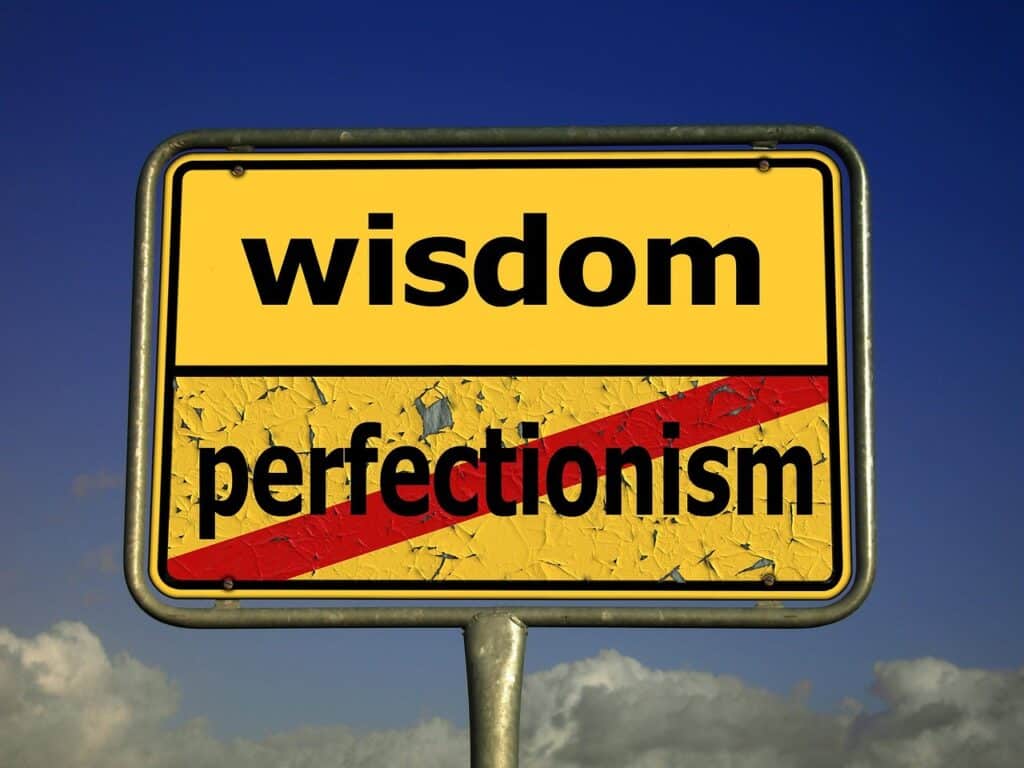
You might think academic perfectionism helps you succeed—but most research says the opposite. Instead of pushing you forward, it can trap you in cycles of self-doubt, procrastination, and exhaustion.
Psychologists describe two main types of perfectionism: self-oriented (pressure you put on yourself) and socially prescribed (pressure you feel from others) (Hewitt and Flett). When these combine, you begin to link your value to performance—believing that mistakes make you less worthy.
Table 1: Effects of Academic Perfectionism on Students (Summarized from Multiple Studies)
| Effect | Description |
|---|---|
| Burnout | Emotional exhaustion caused by impossible standards |
| Procrastination | Fear of mistakes delays work and increases anxiety |
| Lower Motivation | Constant stress reduces long-term learning interest |
| Depression | High perfectionism correlates with depressive symptoms |
| Academic Drop in Grades | Perfectionism decreases creativity and performance under pressure |
Each of these outcomes reveals how striving for “perfect” can quietly backfire. You might believe perfectionism means hard work—but over time, it drains focus and joy.
How Perfectionism Develops in School
Academic perfectionism often begins early—sometimes in middle school. According to a Frontiers in Public Healthstudy, perfectionism increases sharply during adolescence, especially for students who compare themselves to peers (Wærness et al.).
That pressure grows in high school and college, where grades and college acceptance become social currency. Teachers and parents often reward perfectionism by praising flawless work, not effort. Slowly, students start fearing mistakes more than learning itself.
Common Triggers for Academic Perfectionism
- Constant comparison with peers
- Strict grading or competitive academic environments
- Social media showcasing others’ achievements
- Fear of disappointing family or teachers
Each of these creates a powerful internal message: If I’m not perfect, I’m failing. Yet research proves that learning requires errors—mistakes actually strengthen memory and understanding (Stoeber and Otto).
The Emotional Toll of Academic Perfectionism

The emotional side of perfectionism often hides behind good grades. You might look successful on paper while privately battling guilt, exhaustion, or anxiety.
In a 2023 study, college students with high academic perfectionism reported significantly higher stress and emotional exhaustion (Fernández-García et al.). Even middle school students show increased anxiety when they believe they must be the best in every subject (Stoeber and Otto).
Table 2: Student Stress Levels by School Type
| Student Group | % Reporting High Stress |
|---|---|
| Middle School | 62% |
| High School | 71% |
| College | 77% |
These numbers show a pattern: the older you get, the stronger perfectionism’s grip becomes.
Emotional Signs You Might Notice
- Constantly replaying small mistakes in your head
- Feeling anxious before every test or project
- Thinking you don’t deserve praise
- Difficulty relaxing, even after finishing work
These feelings aren’t weakness—they’re symptoms of a mindset that’s working against your well-being.
Why Academic Perfectionism Hurts Performance
You might think being a perfectionist helps you achieve more. But research consistently shows that perfectionism reduces creativity, increases procrastination, and lowers long-term achievement (Madigan and Stoeber).
When you expect perfect results, you fear failure so much that you often delay starting tasks. That’s why perfectionists frequently turn assignments in late—they’re afraid of not meeting impossible standards (Stoeber and Rennert).
3 Ways Academic Perfectionism Lowers Your Performance
- Fear-driven procrastination: You delay assignments until the last minute, raising stress.
- Rigid thinking: You see only one “right” way to succeed, missing creative solutions.
- Mental fatigue: You spend so much energy chasing perfection that you lose motivation to learn.
One researcher even found that perfectionists perform worse on creative problem-solving tasks than students who embrace small failures (Hewitt and Flett).
Escaping the Cycle

Overcoming academic perfectionism isn’t about caring less—it’s about caring smarter. You can still be ambitious while freeing yourself from the pressure to be flawless.
Experts suggest focusing on process goals (like improving study habits) rather than outcome goals (like getting perfect grades) (Cengiz). When you measure success by growth instead of scores, you build long-term confidence instead of short-term fear.
Below are practical shifts that help you move from unhealthy perfectionism to a balanced mindset:
Bad → Good Mindset Shifts
| Old Habit (Bad) | → | New Mindset (Good) |
|---|---|---|
| “If it’s not perfect, it’s worthless.” | → | “Progress matters more than perfection.” |
| “I can’t submit this until it’s flawless.” | → | “It’s better to finish and learn from feedback.” |
| “Everyone else is smarter than me.” | → | “Everyone learns differently—comparison isn’t growth.” |
| “Mistakes mean I’m not good enough.” | → | “Mistakes help me improve and understand more deeply.” |
| “I must control everything to succeed.” | → | “Balance and rest make me stronger and clearer.” |
Practical Steps to Reduce Academic Perfectionism
- Set time limits for revising—perfection thrives on endless editing.
- Replace self-criticism with curiosity: ask, What did I learn from this?
- Reward small wins, not just final outcomes.
- Limit social comparison; focus on your own pace and goals.
Each time you shift from perfecting to learning, you reclaim energy, confidence, and joy in your studies.
Building Academic Confidence
Confidence doesn’t come from perfection—it comes from persistence. A student who learns to handle mistakes develops stronger resilience and motivation than one who avoids failure altogether.
Research shows that self-compassion, or being kind to yourself after errors, significantly reduces the negative effects of academic perfectionism (Hewitt and Flett). When you practice this mindset, you begin to view challenges as opportunities, not threats.
That’s where communities like ScholarlySphere can help. By offering insights and posts on academics and education, we help students explore evidence-based ways to manage perfectionism, build balance, and rediscover the joy in learning.
Because you deserve success that feels good, not just looks perfect.
Final Thoughts

You Don’t Have to Be Perfect to Be Successful
When you step back, you realize something powerful: the pressure to be perfect never truly ends—it only shifts forms. Whether it’s the next exam, the next GPA milestone, or the next acceptance letter, academic perfectionism keeps raising the bar higher until you can’t enjoy what you’ve already achieved.
But here’s the truth: your worth was never meant to be measured by a grade. Research consistently shows that perfectionistic students experience more stress and lower emotional well-being, even when their grades stay high (Hewitt and Flett). In other words, achievement without peace isn’t real success.
Redefining What Achievement Means
Letting go of academic perfectionism doesn’t mean you stop caring—it means you start caring differently. You replace fear with curiosity and control with balance. That’s what genuine academic growth looks like.
Studies show that students who focus on personal improvement instead of flawlessness are not only happier but also perform better over time.So, shifting your mindset isn’t giving up—it’s getting stronger.
Try these mindset shifts:
- Focus on learning something new each week, not just grades.
- Treat mistakes as proof that you’re pushing yourself.
- Ask for help early—collaboration builds understanding, not weakness.
How to Keep Moving Forward
Escaping academic perfectionism takes patience, but every small step matters. You may still feel the pressure at times, but now you can recognize it—and that awareness changes everything.
When you find yourself stuck in the perfection loop, pause and ask: Is this helping me learn, or just making me scared to fail? That question alone can reset your focus.
Practical ways to keep balance:
- Schedule one “non-academic” day each week to rest or recharge.
- Celebrate effort publicly—share what you learned, not just your grade.
- Reflect on your progress monthly, not daily, to see real growth.
Choosing Balance Over Burnout
At ScholarlySphere, we believe that students like you deserve success that feels fulfilling—not exhausting. By exploring research-based insights on topics like academic perfectionism, you can start building a healthier, more balanced path through school and life.
You’ve already proven you can work hard. Now the challenge is learning when to pause, breathe, and let “good enough” be good enough. Because sometimes, real strength comes from choosing balance over burnout.
So, as you think about your next paper, exam, or project—will you keep chasing perfect, or start chasing peace?
References
Curran, T., & Hill, A. P. (2023, July 12). Perfectionism might be hurting you. Here’s how to change your relationship to achievement. Harvard Summer School Blog. https://summer.harvard.edu/blog/perfectionism-might-be-hurting-you-heres-how-to-change-your-relationship-to-achievement/
Fernández-García, O., Gil-Llario, M. D., Castro-Calvo, J., Morell-Mengual, V., Ballester-Arnal, R., & Estruch-García, V. (2023). Academic perfectionism, psychological well-being, and suicidal ideation in college students. International Journal of Environmental Research and Public Health, 20(1), 85. https://doi.org/10.3390/ijerph20010085
Hewitt, P. L., & Flett, G. L. (2022). Perfectionism and mental health problems. Current Opinion in Psychology, 45, 101326. https://doi.org/10.1016/j.copsyc.2022.101326
Norcross, J. C., & Karpiak, C. (2024). Perfectionism and the high-stakes culture of success: The hidden toll. APA Monitor on Psychology, October, 28-32. https://www.apa.org/monitor/2024/10/antidote-achievement-culture
Stoeber, J., & Rennert, D. (2021). Perfectionism, academic stress, rumination and worry. Emerging Adulthood, 9(4), 325-339. https://doi.org/10.1177/21676968231188759
Wærness, J., Clausen, L., Håvold, R., & Torsheim, T. (2021). Perfectionism in adolescence: Associations with gender, age, and socioeconomic status. Frontiers in Public Health, 9, 688811. https://doi.org/10.3389/fpubh.2021.688811