
Transform Yourself Over Summer Break: 8 Things to Do Before Back to School

You push open the door to summer and feel both freedom and a little worry.
You want this break to change how you learn and feel at school.
You could return rested, motivated, and more confident.
Or you could drift and lose progress you worked for last year.
Summer learning loss can cost you measurable ground in reading and math.
Some students lose a portion of skills without regular practice (Minnesota Department of Education).
That does not mean summer must be passive for you.
Simple, purposeful choices can shift the whole year ahead.
Home activities and short routines often support learning more than long, rare sessions (Harvard Graduate School of Education).
That’s why these educational summer break tips focus on steady, doable moves.
- Read or listen to something every day to protect reading gains and curiosity
- Try one small project or hobby that practices real skills, like coding or journaling
- Keep one weekly routine that builds a study muscle, even for 10–20 minutes
- Mix fun with learning — explore museums, podcasts, or community programs near you
Short habits beat sporadic effort.
Schools and programs report that consistent, engaging summer activities help retention and motivation (Edmentum).
These educational summer break tips are about summer learning habits, student personal growth, and learning that happens outside the classroom.
Table of Contents: The 8 Habits
- Tip 1 — Build Daily Reading Habits
- Tip 2 — Try a Small Project or Hobby
- Tip 3 — Keep a Short Weekly Study Routine
- Tip 4 — Practice Real-World Skills
- Tip 5 — Use Community and Online Resources
- Tip 6 — Reflect and Set One Goal
- Tip 7 — Mix Fun with Learning Experiences
- Tip 8 — Prepare Your Mindset for School
Tip 1 — Build Daily Reading Habits

You can protect reading gains by making daily reading or listening a habit; short, enjoyable sessions strengthen comprehension and curiosity more reliably than rare, long study marathons. (Minnesota Department of Education)
Try alternating formats like audiobooks, comics, and short articles to keep momentum; variety helps you stick with a routine and makes reading feel like choice rather than work. (Harvard Graduate School of Education)
- Read or listen for fifteen to twenty-five minutes daily to protect skills and build curiosity.
- Mix genres and formats — podcasts, comics, or short essays keep interest and support comprehension.
- Track what you enjoy to choose books that stick and grow your reading habit.
Make reading social by swapping recommendations with friends or joining a library program; sharing ideas often deepens understanding and keeps you returning to the habit. (Duval County Public Schools)
If you fall behind, gently restart with short sessions and low-pressure choices; consistency matters more than intensity for long-term summer learning habits. Small progress compounds across weeks and months. (Minnesota Department of Education)
| Action | How to start |
| Daily fifteen-minute reading | Pick one short book or audiobook chapter per day |
| Format variety | Alternate audio, comics, and short articles each week |
Tip 2 — Try a Small Project or Hobby
Choosing a small, guided project over summer can sharpen problem-solving and motivate you through visible progress; projects let you practice skills that may transfer back to school tasks. (Sacred Heart University)
Pick something that connects with your interests, like simple coding, gardening experiments, or creative writing, so you feel ownership and stay engaged across the break. (ThinkWithNiche)
- Start a tiny project with clear steps you can finish in two to four weeks.
- Use free online tutorials or library kits to learn key techniques without big costs.
- Show your work to a friend or family member to keep motivation steady and get feedback.
Break the project into weekly steps and celebrate small wins; short deadlines keep momentum and prevent the task from becoming intimidating. (National Institute for Excellence in Teaching)
Reflect at the end with a one-paragraph note about what you learned and how it connects to your school subjects or future goals; reflection fuels student personal growth. (Harvard Graduate School of Education)
| Action | Example |
| Two- to four-week project | Build a simple webpage or plant a small herb garden |
| Weekly step | Complete one lesson or experiment each week |
Tip 3 — Keep a Short Weekly Study Routine
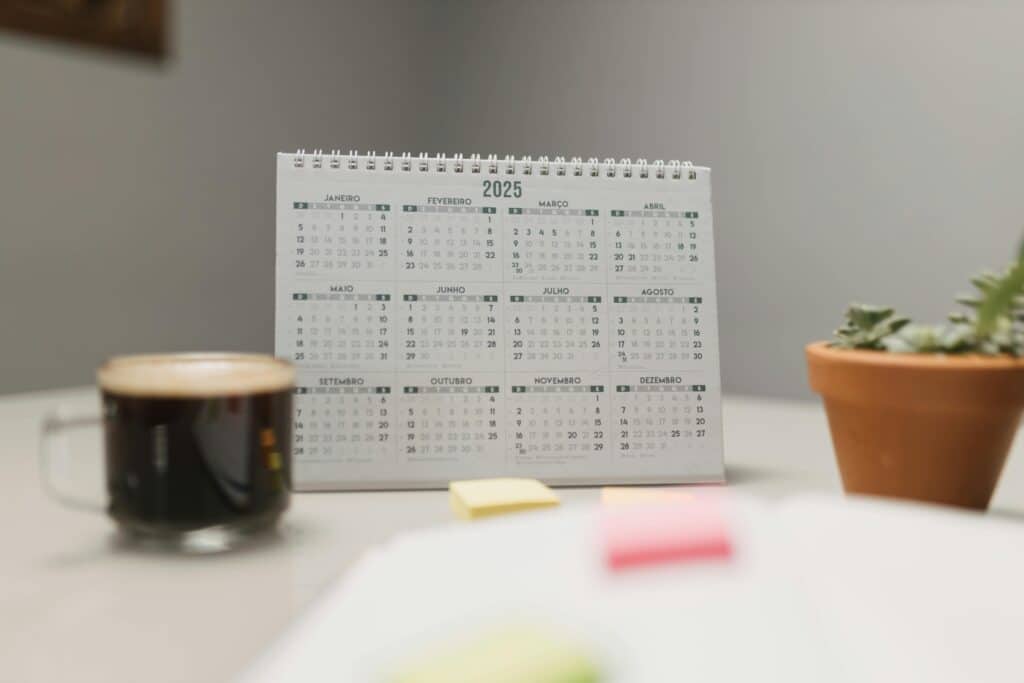
A short weekly study routine keeps knowledge fresh without stealing your summer; committing to brief, targeted reviews may prevent skill loss while leaving time for rest and fun. (Edmentum)
Structure a fixed twenty-minute slot each week for one subject and stick to it; Scholarlysphere notes that predictability helps form summer learning habits and reduces the effort to start. (University of Illinois Urbana-Champaign)
- Choose one subject per week for focused twenty-minute review sessions.
- Use active recall — quiz yourself on key ideas rather than rereading notes.
- Set a reminder so this slot becomes as automatic as a lunchtime routine.
If a week feels busy, shorten sessions to ten minutes rather than skipping entirely; even minimal practice often preserves skills better than none. (University of Illinois Urbana-Champaign)
Use simple tools like flashcards or a two-question self-quiz to make reviews active and quick; active methods tend to show stronger retention in short practice across weeks. (Zoomax)
| Routine | Start |
| Weekly twenty-minute slot | Pick a day and time, set a phone reminder |
| Active review | Two self-quiz questions or five flashcards |
Tip 4 — Practice Real-World Skills
Real-world tasks like budgeting, simple coding, or measuring ingredients help you use math, reading, and planning in concrete ways that reinforce classroom learning and boost practical problem-solving. (BJU Press Blog)
Short, hands-on practice connects knowledge to real uses and can increase both confidence and curiosity when you see results from small experiments over a few sessions. (Sacred Heart University)
- Try one hands-on task that uses math or reading, like cooking a recipe with measurements.
- Keep a short log of steps and results to practice reflection and planning.
- Connect outcomes to school subjects so you notice transferable learning benefits.
These exercises often reveal gaps you can fix before school starts; spotting small weaknesses early gives you a better starting point and reduces first-week pressure. (National Institute for Excellence in Teaching)
Combine practical tasks with short reflection: note what worked, what surprised you, and one next step to practice—this habit supports student personal growth and builds useful school-ready skills. (Harvard Graduate School of Education)
| Task | Quick reflection |
| Cooking with measurements | Note conversions and timing errors |
| Small experiment | Record steps, results, and one improvement idea |
Tip 5 — Use Community and Online Resources

You can find local programs, library events, and free online tools that make learning social and accessible; these options often reduce costs and keep practice regular during summer months. (Duval County Public Schools)
Online platforms and community centers may offer low-pressure learning that fits your schedule; choosing programs tied to your interests helps make educational summer break tips feel relevant and fun. (Edmentum)
- Check your library calendar for free workshops, reading groups, or makerspace hours
- Try one no-cost online course or app for two weeks to sample learning styles
- Join a community program or volunteer role that connects to your interests
Using community support often increases your chances of sticking with routines; group settings make accountability easier and boost motivation when you face slow days. (National Institute for Excellence in Teaching)
Pair local activities with short online practice to balance social learning and independent work; this mix supports summer learning habits and learning that happens outside the classroom.
| Resource | Quick benefit |
| Library program | Free, social learning and guided activities |
| Short online course | Try new skills with low commitment |
Tip 6 — Reflect and Set One Goal
Choose one clear, realistic goal for the break and write why it matters to you; a short personal reason helps you stay focused and links effort to purpose. (Harvard Graduate School of Education)
Weekly reflection of two sentences about progress keeps your plan flexible and prevents discouragement; small check-ins help you notice growth and adjust strategies without pressure. (National Institute for Excellence in Teaching)
- Pick one measurable goal, like finishing three books or building one project
- Write one sentence explaining why the goal matters to your growth
- Reflect weekly: one success and one tweak for next week
Reflection builds awareness and supports student personal growth by helping you recognize what works; when you tweak methods, you learn more about how you learn best. (Sacred Heart University)
Keep the goal short and specific so it becomes doable, not daunting; that clarity increases follow-through and makes using educational summer break tips feel purposeful.
| Goal step | Example |
| Set goal | Finish three short novels this summer |
| Weekly tweak | Adjust reading time earlier if evenings feel busy |
Tip 7 — Mix Fun with Learning Experiences

You can blend trips, podcasts, and maker activities to learn without feeling like formal study; playful experiences often build curiosity that carries into the school year. (ThinkWithNiche)
Choose experiences that connect to class topics or interests so discoveries translate into classroom confidence; this approach supports summer learning habits and boosts curiosity about subjects. (BJU Press Blog)
- Listen to one educational podcast episode per week tied to your favorite topic
- Try a short museum activity or virtual tour that links to class subjects
- Build or create one small artifact that demonstrates a concept you learned
Mixing fun with focused learning helps you stay engaged long term; low-stakes exploration often reveals interests you can pursue next year academically. (Harvard Graduate School of Education)
When you combine curiosity with small, repeatable actions, you sustain momentum and expand how you think about school learning as something you choose. This strengthens learning that happens outside the classroom.
| Fun activity | Learning payoff |
| Podcast episode | New ideas and vocabulary for class discussions |
| Maker mini-project | Hands-on understanding of scientific or creative concepts |
Tip 8 — Prepare Your Mindset for School
Use short mindset exercises to shift from vacation mode to learning mode; simple habits like listing three things you want to improve can focus your return to school. (Harvard Graduate School of Education)
Remind yourself that progress is gradual; planning small, achievable steps reduces pressure and makes it easier to restart routines when school begins. (National Institute for Excellence in Teaching)
- Make a two-line plan for the first week of school with one goal and one habit
- Practice a daily two-minute reflection to notice progress and calm nerves
- Visualize a typical school day to reduce first-week anxiety and rehearse routines
Mindset work pairs well with practical preparation like organizing supplies and reviewing notes; combining mental readiness with tangible steps helps you begin the year more confidently. (Sacred Heart University)
Thinking ahead—about routines, supports, and one clear goal—gives you a calmer start and a stronger base for continuing educational summer break tips into the school year.
| Mindset move | Quick result |
| Two-minute reflection | Lowers stress and tracks small wins |
| One-week plan | Eases transition and sets clear priorities |
Action Plan, Tracking, and Reflection
Action Plan: Start Small, Build Momentum
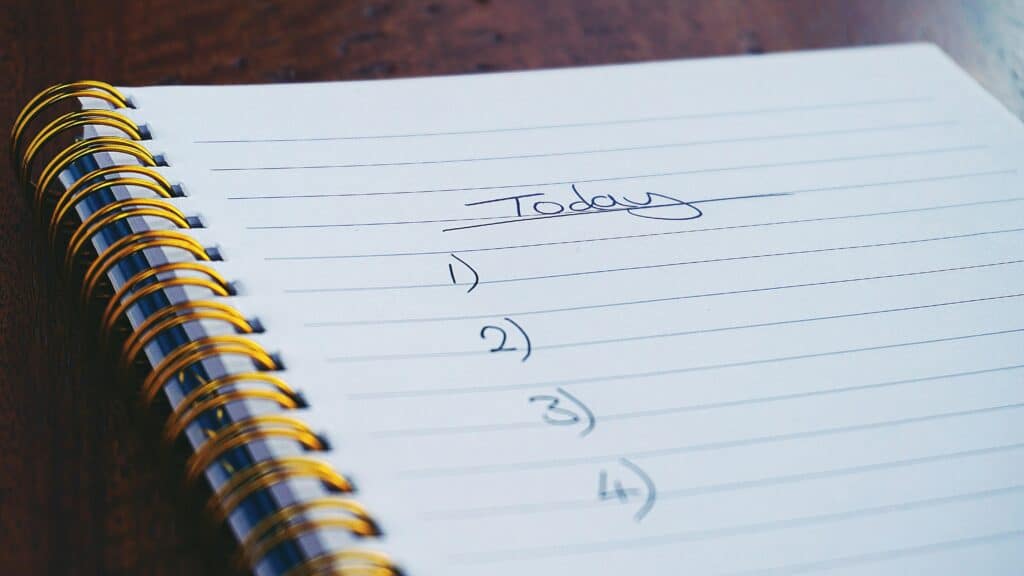
Pick one educational summer break tips habit to try tonight and commit for at least one week.
Starting small prevents overwhelm and helps you experience success early, which builds confidence and momentum. (Edmentum)
Focus on activities that are practical, enjoyable, and measurable; for example, reading fifteen minutes daily or completing one small project during the week.
Small wins encourage consistency and gradually strengthen your summer learning habits. (Harvard Graduate School of Education)
- Choose one activity and commit for the first week
- Schedule a specific time so the habit becomes routine
- Record short notes about progress to maintain awareness
- Reflect weekly on challenges and successes to adjust strategies
This process gives you a clear path without overwhelming tasks.
Seeing even minor progress reinforces motivation and keeps you engaged with student personal growth.
Short, consistent practice may also prevent summer learning loss and supports skills you’ll need for a confident school start.
When you combine simple habits with reflection, your summer experiences become powerful preparation. (Minnesota Department of Education)
Tracking Progress and Adjusting
Keep a brief log of activities, reflections, or small successes; this creates awareness and makes it easier to recognize patterns that work best for you. (Duval County Public Schools)
Two to three sentences weekly are enough—write what went well and one area for adjustment.
This keeps your summer practice flexible while maintaining momentum and strengthens learning outside the classroom. (Sacred Heart University)
- Note one positive outcome and one adjustment weekly
- Use a planner or phone note for convenience
- Share your progress with a friend or family member for accountability
- Reflect on both enjoyment and learning for balanced growth
Tracking helps you see incremental progress and prevents discouragement.
Adjust routines when necessary, such as switching time slots or trying new materials, to keep learning engaging and effective.
By reviewing and tweaking, you also reinforce ownership over your summer learning habits and ensure that activities align with your interests and school goals. (Harvard Graduate School of Education)
Reflection and Preparing for School

After four weeks, evaluate which habits worked and which need refinement.
This reflection ensures that successful strategies carry over to the school year and maintain progress. (National Institute for Excellence in Teaching)
Combine at least two approaches that complemented each other; for example, reading daily and one small project can strengthen student personal growth while keeping learning enjoyable.
Notice how your confidence and engagement change with consistent effort. (Edmentum)
- Keep successful habits that built skills or reduced stress
- Drop or modify tactics that felt unsustainable or unenjoyable
- Celebrate small achievements to maintain motivation and pride
- Set a short pre-school goal to carry momentum forward
Using reflection and active tracking gives a calm, intentional start to the school year.
When combined with community support and mindset preparation, your summer becomes more than downtime—it sets you up for long-term success.
Small, consistent habits, paired with reflection and support, make learning feel achievable, enjoyable, and meaningful.
Which one educational summer break tips habit will you start tonight to transform your summer into a strong start for school?
References
1. Minnesota Department of Education. Summer Learning. Minnesota Department of Education, 2025,
https://education.mn.gov/MDE/fam/after/slide/index.htm. Accessed 12 Dec. 2025.
2. Edmentum. “Ten Ways to Keep Students Learning Over Summer.” Edmentum, 17 Mar. 2024,
https://www.edmentum.com/articles/keep-students-learning-over-summer. Accessed 12 Dec. 2025.
3. Harvard Graduate School of Education. “Summer Learning Happens at Home.” Harvard Graduate School of Education, 2025,
https://www.gse.harvard.edu/ideas/usable-knowledge/17/06/summer-learning-happens-home. Accessed 12 Dec. 2025.
4. National Institute for Excellence in Teaching. “Top 10 Ways to Maximize Summer Learning.” NIET, 2025,
https://www.niet.org/newsroom/show/blog/summer-learning-tips. Accessed 12 Dec. 2025.
5. Sacred Heart University. “How to Stay Sharp During Your Summer Break.” Sacred Heart University, 2025,
https://www.sacredheart.edu/news-room/news-listing/how-to-stay-sharp-during-your-summer-break/. Accessed 12 Dec. 2025.
6. Duval County Public Schools. “Top Tips for Preventing Summer Learning Loss.” Duval County Public Schools, 2025,
https://www.duvalschools.org/article/1660758. Accessed 12 Dec. 2025.
7. ThinkWithNiche. “Creative Ideas to Keep Your Child Learning During Summer Break.” Niche, 2025,
https://www.thinkwithniche.com/blogs/details/creative-ideas-to-keep-your-child-learning-during-summer-break. Accessed 12 Dec. 2025.
8. BJU Press Blog. “The Benefits of Summer Learning Activities.” BJU Press, 2 June 2025,
https://blog.bjupress.com/blog/2025/06/02/benefits-of-summer-learning-activities. Accessed 12 Dec. 2025.


Pingback: The Importance of Summer Break for Personal Growth