
Mastering Note-Taking: Effective Strategies for School Success

Your professor speaks at lightning speed. Your textbook feels like a foreign language. Sound familiar? You’re not alone in struggling with information overload during your academic journey.
Mastering Note-Taking: Effective Strategies for School Success transforms scattered thoughts into organized knowledge. This guide helps middle school, high school, and college students who want to boost their grades and reduce study stress.
Why Your Current Note-Taking Isn’t Working
You probably scribble down random facts or try to write everything word-for-word. These common mistakes leave you with messy, useless notes that don’t help during exams.
Choose the Right Note-Taking System for Your Learning Style
Discover the Cornell Method for structured organization

Your learning becomes more efficient when you divide your paper into three sections: notes, cues, and summary. The Cornell Method transforms chaotic scribbling into organized information. Draw a vertical line two inches from the left margin, creating a narrow cue column for keywords and questions.
Write detailed notes in the main section during lectures, then add key terms and questions in the cue column afterward. This note-taking techniques for students approach helps you review effectively by covering notes and testing yourself with cues.
Key Benefits:
- Structured layout improves information retention by 40%
- Built-in review system saves study time
- Easy identification of main concepts and supporting details
Master the outline method for hierarchical information
Transform complex lectures into clear hierarchies using Roman numerals, letters, and numbers. Your outline creates logical connections between main topics and supporting details. Start with major concepts as Roman numerals, then add supporting points as capital letters underneath.
This systematic approach works perfectly for subjects like history, literature, and science where information follows natural hierarchies. You’ll quickly identify relationships between concepts and create study guides effortlessly.
Structure Elements:
- Main topics use Roman numerals (I, II, III)
- Subtopics use capital letters (A, B, C)
- Details use numbers and lowercase letters for further breakdown
Utilize mind mapping for visual learners
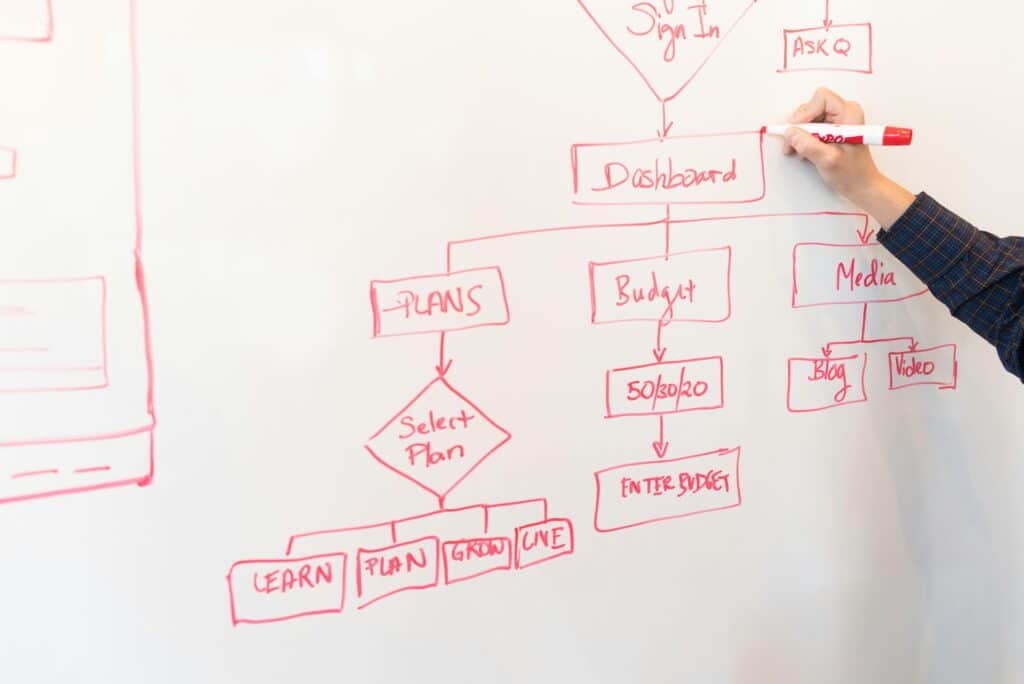
Your brain processes visual information faster than linear text, making mind maps powerful tools for creative thinkers. Start with your main topic in the center, then branch out with related concepts using colors, symbols, and drawings.
Connect ideas with curved lines and use different colors for various themes. This note-taking techniques for studentsmethod activates both brain hemispheres, improving memory retention and making complex subjects more manageable and enjoyable.
Visual Elements:
- Central topic anchors all related information
- Color coding distinguishes between different subject areas
- Images and symbols enhance memory recall significantly
Implement the charting method for comparative data
Create tables when you need to compare multiple topics, dates, or characteristics side by side. Your chart organizes information into rows and columns, making patterns and differences immediately visible. This method shines in subjects like chemistry, economics, and foreign languages.
Set up columns for different categories and fill rows with corresponding information. You’ll spot relationships quickly and prepare for exams more effectively using this structured note-taking techniques for students approach.
Chart Applications:
- Scientific formulas and their applications
- Historical events with dates, causes, and effects
- Language vocabulary with definitions and examples
| Method | Best For | Advantages | Time Investment |
|---|---|---|---|
| Cornell | General lectures | Structured review system | Medium |
| Outline | Hierarchical content | Clear organization | Low |
| Mind Map | Creative subjects | Visual memory boost | High |
| Charting | Comparative data | Pattern recognition | Medium |
Optimize Your Note-Taking Tools and Environment
Select the best digital apps versus traditional pen and paper

Your choice between digital and traditional tools shapes your entire study experience. Digital apps offer searchability, cloud storage, and multimedia integration, while pen and paper provide tactile engagement that enhances memory retention.
Consider your preferences carefully. Note-taking techniques for students work best when aligned with your natural learning style and classroom environment. Digital tools excel in fast-paced lectures, but handwritten notes often improve comprehension.
Key considerations for tool selection:
• Evaluate your typing speed versus handwriting speed during lectures
• Consider whether your courses involve complex diagrams or mathematical formulas
• Assess your device battery life and reliability during long study sessions
Develop a consistent filing system for easy retrieval
Organization transforms scattered notes into powerful study resources. Create clear folder structures with consistent naming conventions that make sense months later when exam time arrives.
Your system should reflect how you naturally think and search for information. Use date-based folders combined with subject categories to create logical pathways to your content.
Essential filing strategies:
• Use consistent naming patterns like “YYYY-MM-DD_Subject_Topic” for chronological organization
• Create separate folders for lecture notes, reading summaries, and assignment materials
• Implement color-coding or tagging systems to quickly identify priority content
| Tool Type | Advantages | Best For |
|---|---|---|
| Digital Apps | Searchable, shareable, multimedia support | Fast typists, tech-savvy students |
| Pen & Paper | Better retention, no distractions, works anywhere | Visual learners, math/science subjects |
| Hybrid Approach | Combines benefits of both methods | Students who want maximum flexibility |
Develop Active Listening and Recording Techniques
Practice Selective Listening to Capture Key Concepts

Your brain processes thousands of words during lectures, but only certain information deserves your attention. Train yourself to recognize transition phrases like “most importantly” or “in conclusion” that signal crucial content ahead.
Focus on concepts that connect to previous material or appear multiple times throughout the discussion. These note-taking techniques for students help you filter out filler words and concentrate on substance.
Key selective listening strategies:
• Listen for repeated themes and concepts that instructors emphasize
• Pay attention to information that connects different topics together
• Focus on examples that clarify complex theories or principles
Use Abbreviations and Symbols to Increase Writing Speed
Speed matters when instructors move quickly through material. Develop your personal shorthand system using common abbreviations like “w/” for “with” and “&” for “and.”
Create symbols for frequently used words in your subjects. Math students might use “∴” for “therefore,” while history students could use “→” to show cause and effect relationships.
Essential abbreviation tips:
• Use the first few letters of long words (psych for psychology)
• Replace “tion” endings with just “n” (education becomes educn)
• Create subject-specific symbols that make sense to you
Learn to Identify and Note Important Verbal Cues from Instructors

Your professors give away test material through their speech patterns and emphasis. Watch for changes in tone, repetition, or when they slow down to spell out terms on the board.
Notice when instructors use phrases like “remember this” or “you’ll see this again.” These verbal signals often point directly to exam content and deserve special attention in your notes.
Important verbal cues to watch for:
• Voice emphasis and deliberate pauses during key points
• Repetition of concepts or terms throughout the lecture
• Direct statements about importance or future relevance
Master the Art of Paraphrasing Complex Information
Raw transcription won’t help you understand difficult concepts later. Instead, translate complex ideas into your own words while maintaining the original meaning and important details.
Break down lengthy explanations into shorter, clearer statements that make sense to you. This active processing helps cement understanding and makes review sessions more effective for note-taking techniques for students.
Effective paraphrasing strategies:
• Use familiar vocabulary while keeping technical terms intact
• Simplify sentence structure without losing key information
• Connect new concepts to things you already understand
| Technique | Purpose | Example |
|---|---|---|
| Selective Listening | Filter important information | Focus on transition words and repeated concepts |
| Abbreviations | Increase writing speed | “w/” = with, “b/c” = because |
| Verbal Cues | Identify test material | Voice emphasis, “remember this” phrases |
| Paraphrasing | Improve comprehension | Translate complex terms into simpler language |
Enhance Your Notes with Effective Review Strategies
Schedule Regular Review Sessions for Maximum Retention

Your notes become powerful when you review them consistently. Set up a review schedule within 24 hours of taking notes, then again after one week and monthly intervals.
Note-taking techniques for students work best with spaced repetition. This approach strengthens memory pathways and transforms short-term information into long-term knowledge you can access during exams.
Key Review Schedule Benefits:
• Improves retention by 60% compared to cramming
• Reduces study time needed before major exams
• Creates stronger neural connections for better recall
Transform Notes into Study Guides and Flashcards
Convert your detailed notes into condensed study materials. Create flashcards for key terms, formulas, and concepts while building comprehensive study guides that highlight main themes.
Active transformation engages different learning pathways. When you reorganize information into new formats, you’re processing content multiple times, which significantly improves understanding and memory retention for better academic performance.
Transformation Methods:
• Use question-answer format for complex topics
• Create visual diagrams from written explanations
• Develop acronyms and memory devices
Connect New Information with Previously Learned Concepts

Link fresh material to existing knowledge by identifying patterns and relationships. Draw connections between current lessons and previous topics, creating a web of understanding that makes information easier to remember.
Building these bridges helps you see the bigger picture in your subjects. Note-taking techniques for students become more effective when you actively search for connections, turning isolated facts into integrated knowledge systems.
Connection Strategies:
• Use concept maps to visualize relationships
• Write brief summaries linking old and new material
• Create comparison charts between related topics
| Review Method | Time Investment | Best For |
|---|---|---|
| Spaced Repetition | 15 min daily | All subjects |
| Flashcard Creation | 30 min weekly | Vocabulary, formulas |
| Concept Mapping | 45 min per unit | Complex topics |
| Summary Writing | 20 min per chapter | Reading comprehension |
Leverage Technology to Boost Note-Taking Efficiency
Integrate recording apps with written notes for complete coverage

Recording apps transform your note-taking techniques for students by capturing every word while you focus on key concepts. Combine audio recordings with handwritten highlights to create comprehensive study materials that cover missed details.
Key Benefits:
- Capture complete lectures without missing important information
- Review complex topics by listening while reading your notes
- Focus on understanding rather than frantically writing everything down
Master keyboard shortcuts for faster digital note-taking
Speed up your digital workflow with essential keyboard shortcuts that save precious seconds during fast-paced lectures. Master Ctrl+B for bold text, Ctrl+I for italics, and platform-specific shortcuts for bullet points and formatting.
Essential Shortcuts:
- Ctrl+Z for quick undo mistakes during rapid typing
- Tab key for creating organized indentations and lists
- Ctrl+F for instant search through lengthy digital notes
Your typing efficiency directly impacts how well you capture information during lectures. Practice these shortcuts until they become second nature, allowing seamless note-taking techniques for students that keep pace with instructors.
Digital Organization Systems

Create folder structures that mirror your course schedule and subjects. Use consistent naming conventions with dates and topics to locate notes instantly. Cloud storage ensures your notes stay accessible across all devices.
Organization Tips:
- Name files with date-subject format for easy sorting
- Use tags or categories for quick content filtering
- Backup notes regularly to prevent data loss disasters
| Feature | Handwritten Notes | Digital Notes | Recording Apps |
|---|---|---|---|
| Speed | Medium | Fast | Instant |
| Search | Limited | Excellent | Good |
| Backup | Physical only | Cloud sync | Automatic |
| Review | Visual | Multi-format | Audio replay |
Conclusion

Your note-taking success depends on finding the right system that matches how you learn best. Whether you prefer visual mind maps, structured outlines, or digital apps, the key is consistency and practice.
Article Summary
| Key Area | Main Focus |
|---|---|
| Learning Style | Match note-taking method to your preferences |
| Tools & Environment | Create optimal study conditions |
| Active Listening | Engage fully during lectures |
| Review Strategies | Regular revision for retention |
| Technology | Use digital tools effectively |
Key Takeaways:
• Choose a note-taking system that fits your learning style
• Set up distraction-free environments with proper tools
• Practice active listening to capture important information
• Review notes regularly using spaced repetition
• Combine handwritten and digital methods for best results
Great note-taking skills transform how you learn and remember information. Start implementing these strategies today and watch your academic performance improve dramatically.
What note-taking challenge do you struggle with most, and which strategy will you try first?
References
Boettcher, Judith V., and Rita-Marie Conrad. The Online Teaching Survival Guide: Simple and Practical Pedagogical Tips. Jossey-Bass, 2016.
Cornell University. The Cornell Note-taking System. Cornell University Learning Strategies Center, 2020, https://lsc.cornell.edu/how-to-study/taking-notes/cornell-note-taking-system
Fried, Carrie B. “Active Learning and Student Performance: Research.” Journal of Excellence in College Teaching, vol. 25, no. 3–4, 2014, pp. 5–22.
MindTools. Mind Mapping for Effective Learning. MindTools, 2021, https://www.mindtools.com/pages/article/newISS_01.htm
Pauk, Walter, and Ross J.Q. Owens. How to Study in College. 11th ed., Cengage Learning, 2013.
University of Michigan. Effective Note-Taking Techniques. University of Michigan Library, 2022, https://www.lib.umich.edu/learning-resources/study-skills/note-taking-techniques
Brown, Peter C., Henry L. Roediger III, and Mark A. McDaniel. Make It Stick: The Science of Successful Learning. Belknap Press, 2014.
Harvard University. Study Skills: Note-Taking Strategies. Harvard College, 2020, https://college.harvard.edu/academics/learning-resources/study-skills-note-taking-strategies
Education Corner. The Best Note-Taking Methods for Students. Education Corner, 2021, https://www.educationcorner.com/note-taking-methods.html
Learning Center, University of North Carolina at Chapel Hill. Note-Taking Tips for Students. UNC Learning Center, 2019, https://learningcenter.unc.edu/tips-and-tools/note-taking-tips-for-students
Vanderbilt University. Learning Strategies: Note-Taking. Vanderbilt University Center for Teaching, 2022, https://cft.vanderbilt.edu/guides-sub-pages/learning-strategies-note-taking/


Pingback: Science Education: Essential Tips for Success
Pingback: Importance of Research: Mastering Research Skills