Starting Your Day Right: How to Go to School in a Good Mood

You rush through your bedroom door at 6:45 AM, already running late, frantically searching for your favorite sweater while your alarm blares in the background. Your backpack sits empty on the floor, homework scattered across your desk, and breakfast becomes a granola bar grabbed on the way out. Sound familiar?
This guide is for students who want to transform chaotic mornings into calm, energizing starts that set you up for academic success. You’ll discover how having a positive start to the day creates the foundation for better focus, improved mood, and reduced stress throughout your school day.
What You’ll Learn to Master Your Mornings
We’ll explore proven strategies that turn morning madness into peaceful routines:
- Prepare the Night Before for Morning Success – Simple evening habits that eliminate morning scrambles
- Create a Calming Morning Atmosphere – Environmental tweaks that naturally boost your mood
- Build Consistent Morning Routines and Systems – Step-by-step frameworks that become automatic
Quick Morning Success Tips
Essential preparation steps that take just 15 minutes each night:
• Lay out tomorrow’s outfit and pack your backpack completely
• Prep breakfast items and set up a grab-and-go station
• Review your schedule and gather needed materials for first period
You don’t need to overhaul your entire life overnight. Start with one small change and watch how it ripples into better days ahead.
Prepare the Night Before for Morning Success

The night before school sets the foundation for your family’s positive start to the day. Strategic evening preparation eliminates morning chaos and reduces stress for everyone. When you tackle tomorrow’s essentials tonight, you create breathing room for a calm, organized morning routine.
Lay out complete outfits including shoes and accessories
Choose tomorrow’s outfit tonight, including socks, shoes, and accessories. This simple step saves significant time and prevents morning clothing battles with your children.
• Place complete outfits next to beds, ensuring underwear and socks are included
• Review children’s choices to avoid inappropriate weather selections
• Position shoes near the front door for easy grab-and-go access
Set clothes beside beds after pajama time. Include every item your child needs, from underwear to hair accessories. This preparation guarantees your family maintains a positive start to the day without frantic searching.
Pack backpacks and prepare grab-and-go lunches

Pack backpacks completely the night before, checking school supply lists and homework assignments. Prepare lunch boxes with non-perishable items and place them strategically for morning efficiency.
• Double-check school supply lists and homework completion
• Fill water bottles and refrigerate overnight
• Position packed backpacks near the door for quick departure
Complete lunch preparation includes utensils, napkins, and ice packs when necessary. Keep meals simple and easy to grab. This systematic approach ensures your positive start to the day continues smoothly through departure.
Set up your personal morning essentials and workout clothes
Prepare your personal items alongside your children’s belongings. Lay out your work clothes, prepare your bag, and organize any exercise gear for morning workouts.
• Select and organize your work outfit completely
• Prepare work bags with necessary documents and items
• Set up workout clothes if morning exercise is planned
Your preparation directly influences your family’s morning energy. When you’re organized and ready, you model calm efficiency for your children, maintaining everyone’s positive start to the day through consistent leadership.
Create a Calming Morning Atmosphere

The moments when you first wake up set the tone for your entire day. By intentionally creating a peaceful environment, you establish a positive start to the day that ripples through everything that follows.
Wake Up 10 Minutes Before the Kids for Personal Preparation
Rising just ten minutes earlier than your children transforms your morning from chaotic to centered. This brief window allows you to collect your thoughts, breathe deeply, and mentally prepare for the day ahead without immediate demands.
During these precious moments, you can engage in simple centering practices that calm your mind. Whether it’s stretching gently, taking deep breaths, or simply sitting quietly, this time belongs entirely to you.
Key benefits of early rising:
- Creates mental space for intentional morning practices
- Reduces feeling rushed or overwhelmed when children wake
- Establishes a sense of control over your day
Use Natural Lighting and Gentle Music to Set the Mood
Natural sunlight instantly makes you feel calmer and happier, acting like nature’s own mood enhancer. Opening curtains and letting morning light flood your space creates an atmosphere of renewal and energy.
Complement this visual warmth with soft instrumental music playing gently in the background. The combination of light and sound creates a sensory foundation for a positive start to the day that feels both energizing and peaceful.
Consider playing calming melodies or nature sounds that promote relaxation rather than jarring alarm sounds that create stress from the moment you wake.
Elements for a calming atmosphere:
- Open windows to let in natural sunlight
- Play soft instrumental or nature sounds
- Keep lighting gentle and warm rather than harsh
Incorporate Personal Wake-Up Rituals Like Meditation or Stretching
Your personal wake-up ritual becomes an anchor that grounds you before the day’s responsibilities begin. Whether you choose meditation, gentle stretching, or mindful breathing, consistency in this practice builds resilience.
Even a brief five-minute meditation can significantly impact your mental state. Sitting quietly and observing your thoughts helps slow them down, creating the inner calm needed for a positive start to the day.
Simple stretching movements awakens your body gently, increasing circulation and releasing overnight tension. These mindful movements connect you with your physical self before external demands take priority.
Simple morning rituals to try:
- Practice deep breathing or meditation for 5-10 minutes
- Gentle stretching or yoga poses to awaken your body
- Mindful tea or coffee preparation as a centering activity
Build Consistent Morning Routines and Systems

Now that we’ve covered preparation and atmosphere, establishing predictable morning systems becomes your foundation for a positive start to the day. Building routines requires intentional planning and consistent practice until actions become second nature.
Establish Clear Step-by-Step Morning Expectations
Creating detailed morning lists transforms chaotic mornings into organized success. Start by brainstorming every task your child needs to complete each morning. Write down specific steps in logical sequence.
Think through realistic timing for each activity. Consider what happens first when your child wakes up – bathroom visits, making beds, or getting dressed. Group similar tasks together for better flow.
• Break down each morning task into specific, manageable steps
• Arrange activities in logical order that makes sense for your child’s age
• Consider bathroom needs, dressing, breakfast, and preparation tasks
Divide your list into categories like upstairs tasks (making bed, getting dressed, using bathroom) and downstairs activities (eating breakfast, brushing teeth, packing backpack). This organization helps children understand where they should be.
Create Visual Checklists for Easy Reference

Transform your morning expectations into visual tools that promote independence. Print detailed checklists and post them in obvious locations where your child can easily see them throughout their routine.
Color-coding different categories makes lists more engaging and easier to follow. Consider creating separate sections for lunches, bags, personal care, and household tasks that need completion each morning.
• Place checklists near bedroom doors, bathrooms, and kitchen areas for easy access
• Use colors or symbols to make different task categories stand out clearly
• Include specific details like “pack lunch from fridge” rather than just “lunch”
Position these visual aids strategically throughout your home. Kitchen walls work perfectly for comprehensive lists, while bathroom mirrors can hold personal care reminders. Make them impossible to miss for maximum effectiveness.
Practice and Reinforce Routines Until They Become Automatic
Teaching new routines requires patience and consistent guidance without micromanaging. Walk through the morning sequence with your child for several days, letting them take the lead while you observe.
When children get off track, simply ask “What’s next on your list?” rather than directing them. This teaches them to reference their checklist instead of constantly asking questions.
• Guide children to check their lists independently rather than providing direct answers
• Allow practice time for routines to become natural and automatic habits
• Adjust timing and steps based on what actually works in real situations
Building these systems creates empowering independence for your children while reducing your morning stress. With consistent practice, even young children can manage their routines successfully, ensuring a positive start to the day for everyone involved.
Master Time Management with Strategic Planning

Strategic morning planning transforms chaotic rushes into smooth, controlled starts. When you set specific timeframes for each activity, you create structure that eliminates decision fatigue. Research shows intentional time allocation increases productivity and reduces morning stress. This systematic approach ensures you maintain control over your schedule while building a positive start to the day through organized preparation.
Assign Specific Timeframes to Each Morning Activity
Break down your morning into precise time blocks for maximum efficiency. Allocate 10 minutes for showering, 5 minutes for breakfast preparation, and 15 minutes for getting dressed. Setting clear boundaries prevents activities from expanding beyond their intended duration and maintains your schedule’s integrity.
Key timeframe strategies:
• Dedicate 20-30 minutes for personal care activities including showering and grooming routines
• Reserve 15-20 minutes for breakfast preparation and eating to fuel your body properly
• Allow 10-15 minutes for final preparations like gathering school materials and checking your schedule
Use Timers and Alarms for Smooth Transitions
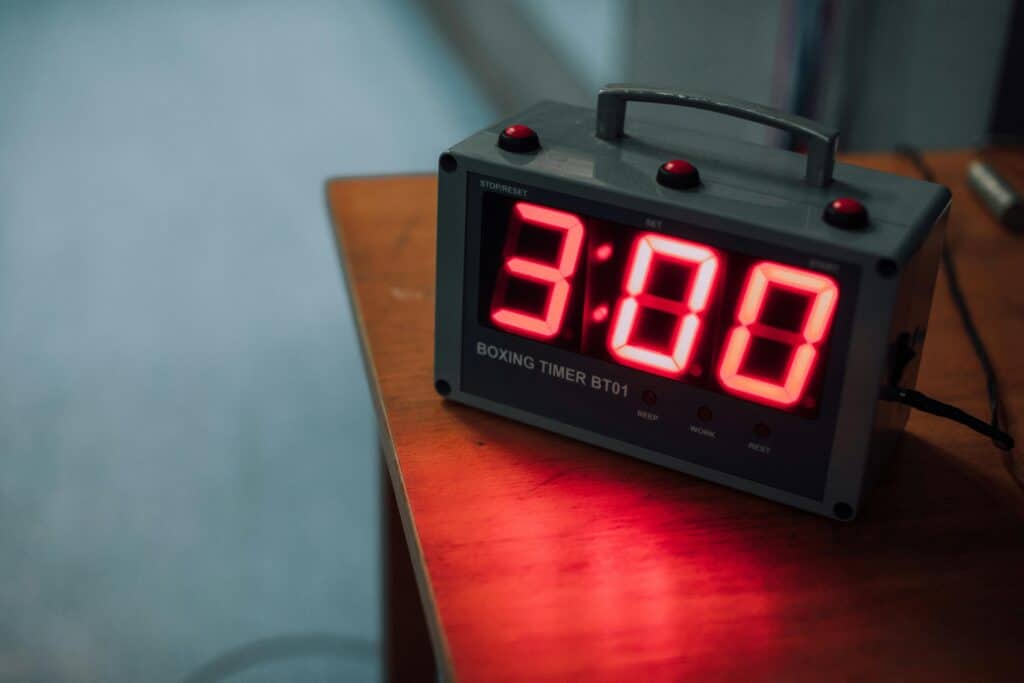
Implement timers as your morning accountability partners to maintain momentum. Set gentle alarms for each activity transition, preventing you from losing track of time. This system creates natural stopping points that keep you moving forward without feeling rushed or stressed about running late.
Visual cues work alongside auditory signals to strengthen your routine. Place clocks in visible locations and use phone notifications strategically. This dual approach ensures you stay aware of time progression while maintaining a positive start to the day through controlled, purposeful movements.
Timer implementation tips:
• Use soft, pleasant alarm tones to avoid jarring wake-up experiences that create negative associations
• Set timers 2-3 minutes before transitions to allow mental preparation for the next activity
• Create visual reminders like placing your watch or phone where you’ll naturally see the time
Build in Buffer Time to Handle Unexpected Situations
Smart scheduling includes 5-10 minute buffers between major activities to accommodate surprises. Whether you can’t find your homework or need extra time in the bathroom, these cushions prevent minor delays from derailing your entire morning routine and creating stress.
Buffer time transforms potential chaos into manageable adjustments. Instead of rushing frantically when something takes longer than expected, you have built-in flexibility that maintains your calm demeanor. This foresight ensures you can handle unexpected situations while preserving your positive start to the day through prepared adaptability.
Buffer time strategies:
• Add 5-minute cushions after high-priority activities like showering and breakfast to accommodate natural variations
• Include a final 10-minute buffer before departure time to handle last-minute needs or forgotten items
• Use buffer periods for positive activities like deep breathing or reviewing affirmations when everything runs smoothly
| Morning Success Strategy | Key Actions |
|---|---|
| Night Preparation | Lay out clothes, pack backpacks, prep lunches |
| Calming Atmosphere | Use gentle lighting, soft music, natural sunlight |
| Consistent Routines | Create visual checklists, establish clear expectations |
| Time Management | Set specific alarms, use timers, build buffer time |
Key Takeaways for Better School Mornings:
• Prepare everything the night before to eliminate morning stress and chaos
• Create a peaceful atmosphere with lighting and music to set positive energy
• Establish consistent routines that everyone in your family can easily follow
• Use timers and alarms strategically to stay on track without rushing
• Involve your children in building their own morning systems for better cooperation
Your morning routine doesn’t have to be perfect from day one. Start with just one or two changes that feel manageable for your family. Small, intentional adjustments will create lasting improvements in how everyone starts their day.
Remember, peaceful mornings lead to better days at school and home. When you invest time in creating these systems, you’re giving yourself and your children the gift of starting each day with confidence and calm.
Which of these morning strategies will you try first to transform your family’s school day routine?
References
Healthy Children. “The Importance of Family Routines.” HealthyChildren.org (American Academy of Pediatrics), 28 June 2024, https://www.healthychildren.org/English/family-life/family-dynamics/Pages/The-Importance-of-Family-Routines.aspx Accessed 15 Jan. 2026
Mindell, J. A., et al. “Benefits of a Bedtime Routine in Young Children.” Sleep Medicine Clinics (review / PubMed Central), 2017, https://pmc.ncbi.nlm.nih.gov/articles/PMC6587181/ Accessed 15 Jan. 2026
Selman, S. B. “Routines and child development: A systematic review.” Journal of Family Theory & Review, 2024, https://onlinelibrary.wiley.com/doi/10.1111/jftr.12549 Accessed 15 Jan. 2026
Harvard Health Publishing. “Why Your Sleep and Wake Cycles Affect Your Mood.” Harvard Health Blog, 13 May 2020, https://www.health.harvard.edu/blog/why-your-sleep-and-wake-cycles-affect-your-mood-2020051319792 Accessed 15 Jan. 2026
Harvard Health Publishing. “10 Minutes of Daily Mindfulness May Help Change Your Outlook.” Harvard Health, 1 Dec. 2024, https://www.health.harvard.edu/mind-and-mood/10-minutes-of-daily-mindfulness-may-help-change-your-outlook-about-health-improvements Accessed 15 Jan. 2026
Mayo Clinic Staff. “Stress relievers: Tips to tame stress.” Mayo Clinic, updated content, https://www.mayoclinic.org/healthy-lifestyle/stress-management/in-depth/stress-relievers/art-20047257 Accessed 15 Jan. 2026
Mayo Clinic. “The benefits of music therapy.” Mayo Clinic Healthy Aging / Music Therapy, 5 Dec. 2024, https://mcpress.mayoclinic.org/healthy-aging/the-benefits-of-music-therapy/ Accessed 15 Jan. 2026
PBS Parents. “The Power of Routines.” PBS Parents, 28 Feb. 2016, https://www.pbs.org/parents/thrive/the-power-of-routines Accessed 15 Jan. 2026
SocialWorkersToolbox. “Free Printable Visual Schedules and Daily Routine Charts for Children.” SocialWorkersToolbox, https://www.socialworkerstoolbox.com/printable-visual-schedules-and-daily-routine-charts-for-children/ Accessed 15 Jan. 2026
Conway Medical Center / Community Health. “The 5-Minute Morning Routine That Sets Up Your Child’s Day.” Conway Medical Center, 12 June 2025, https://www.conwaymedicalcenter.com/news/topic/the-5-minute-morning-routine-that-sets-up-your-childs-day/ Accessed 15 Jan. 2026
EatingWell. “Taking a Morning Walk Can Have Major Mental Health Benefits, According to Research.” EatingWel, https://www.eatingwell.com/habit-to-do-each-morning-to-manage-stress-and-anxiety-8729135/Accessed 15 Jan. 2026