When Grades Don’t Tell the Whole Story

You’ve probably had that moment when your test score didn’t reflect how hard you worked. Maybe you forgot one formula or made one small mistake. It feels unfair, right? Yet some students with lower grades seem calm, confident, and successful later in life. Why?
That difference often comes down to emotional intelligence—the ability to recognize, manage, and understand emotions, both your own and others’. Researchers have found that while grades predict short-term academic performance, emotional intelligence shapes long-term growth and happiness (Chan & Pyland, 2022).
Students who build social skills and empathy usually navigate school pressures more smoothly than those focused only on numbers.
Key early signs include:
- Handling stress during exams without panic
- Managing disappointment after setbacks
The Missing Factor in Success
Grades measure what you know. Emotional intelligence measures how you use that knowledge under real-world pressure. Studies show students with higher emotional awareness often achieve better mental well-being and motivation (Fernández-Lasarte et al., 2019).
Why this matters to you:
- Emotional awareness supports focus and memory retention
- Positive relationships boost teamwork and creativity
- Emotional balance prevents burnout and anxiety
While strong academic performance can help you reach college goals, success after graduation depends more on adaptability and communication than perfect scores. In workplaces, leaders value empathy and self-control just as much as technical ability (MacCann et al., 2020).
Finding Balance Between Head and Heart
When you invest in both grades and emotional intelligence, you create lasting success. Students who practice empathy, reflection, and stress control outperform peers in overall mental well-being and confidence.
Start with small actions:
- Take breaks when stressed instead of pushing harder
- Reflect daily on emotions and learning progress
- Support classmates—it strengthens your own social skills
By combining knowledge with emotional awareness, you’ll build a foundation that lasts long beyond report cards.
1. The Science Behind Emotional Intelligence and Learning
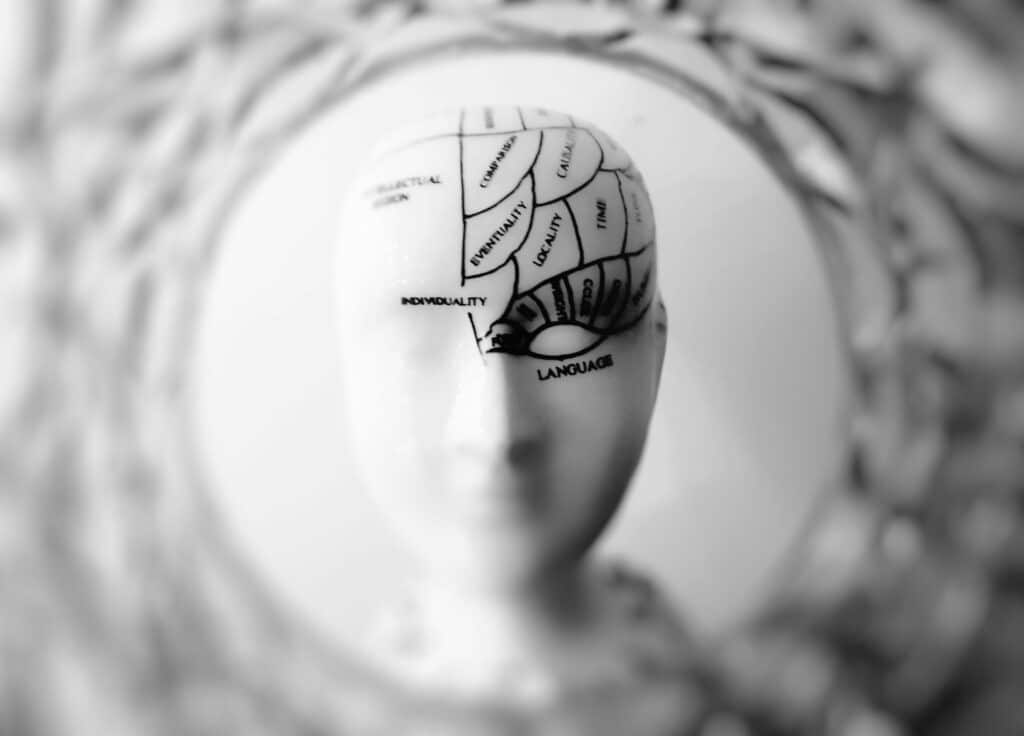
Have you ever wondered why some students remember lessons more easily while others get overwhelmed by stress? The answer often lies in emotional intelligence, not raw intelligence. Students who manage emotions learn and focus better because their brains stay calmer under pressure (MacCann et al., 2020).
Researchers have found that strong emotional intelligence directly supports memory, problem-solving, and motivation. It’s not just about being “nice” or “empathetic.” It’s about how effectively you handle challenges that impact learning every day.
Core academic benefits of emotional intelligence:
- Improved focus and classroom engagement
- Better control during exams and deadlines
- Higher self-motivation and consistency
- Healthier responses to academic stress
Studies show that students with higher emotional intelligence tend to outperform peers academically, even when IQ levels are similar (Chan & Pyland, 2022). These findings reveal that emotional awareness may influence academic performance more than many realize.
2. Why Emotional Intelligence Outperforms Grades
Good grades measure knowledge. Emotional intelligence measures how you use that knowledge. In many cases, students with average grades and high emotional understanding adapt faster and thrive in teamwork-driven environments. They form meaningful relationships that support learning and resilience (Fernández-Lasarte et al., 2019).
Table 1 below compares how emotional and academic strengths influence life outcomes.
Academic and Social Outcomes by Primary Strength
| Primary Strength | Academic Outcomes | Social & Emotional Outcomes |
|---|---|---|
| High Grades Only | Strong test results | Limited collaboration, more stress |
| High Emotional Intelligence | Consistent engagement | Stronger empathy, adaptability, resilience |
| Balanced Skills | High achievement | Long-term satisfaction, teamwork success |
The findings suggest that social skills and emotional awareness can create lasting advantages beyond GPA. Students with balanced strengths experience higher mental well-being and report less academic anxiety (Bhadrasing Brahma et al., 2023).

Why emotional intelligence matters more in the long run:
- It builds resilience during failure
- Encourages better decision-making
- Strengthens relationships and self-confidence
- Reduces stress while maintaining motivation
While grades can open doors, emotional intelligence helps you walk through them successfully.
3. Inside the Research: What the Numbers Show
Research across schools and universities reveals clear patterns between emotional skills and achievement. A 2023 review found that students with higher emotional scores consistently maintained GPAs in the top range compared to peers with lower scores (Araujo Muñoz et al., 2024).
Emotional Intelligence Scores and Average GPA Range
| Emotional Intelligence Level | Average GPA Range | Reported Stress Level (%) |
|---|---|---|
| High | 3.6–4.0 | 30–40 |
| Moderate | 3.0–3.5 | 45–60 |
| Low | 2.0–2.9 | 70–80 |
These findings show a strong relationship between emotional awareness and academic performance. Students with high emotional intelligence perform better and experience lower stress rates (MacCann et al., 2020).
Key insights from the data:
- Emotional control prevents burnout
- Empathy encourages productive collaboration
- Resilience supports consistent studying habits
Students who regulate emotions adapt faster to academic demands and recover more quickly after setbacks. Emotional balance also supports mental well-being, allowing them to maintain motivation even under high workloads.
When students learn to handle their emotions, they not only improve GPA but also enjoy learning more deeply (Fernández-Lasarte et al., 2019).
4. Real-World Implication

In real life, emotional intelligence shapes how students deal with deadlines, criticism, and teamwork. Classrooms mirror future workplaces, where communication and empathy are essential. The most successful students understand people as well as they understand subjects (Bhadrasing Brahma et al., 2023).
Practical ways to strengthen emotional intelligence:
- Reflect on daily emotional triggers
- Practice active listening during group work
- Manage disappointment by reframing failure as feedback
- Support classmates to improve overall social skills
Students with strong emotional intelligence are also more adaptable. They balance academic stress with healthy coping strategies like exercise, journaling, or mindfulness. This not only improves mental well-being but enhances focus during study sessions.
Everyday habits that link emotional intelligence with academic success:
- Setting small, achievable study goals
- Rewarding progress, not perfection
- Expressing gratitude for group support
- Recognizing when rest helps productivity
Our educational insights platform, ScholarlySphere, helps students develop both academic and emotional strategies. It offers practical guides on improving grades while fostering emotional growth—a combination research shows leads to higher success rates (Chan & Pyland, 2022).
Ultimately, the students who thrive are not those with perfect grades, but those who use emotional intelligence to stay balanced, motivated, and connected. It’s this skill—not perfection—that drives true learning and long-term happiness.
Seeing Success Beyond Just a Report Card

Think about the moments that mattered most in school—the times you solved a problem as a team, helped a classmate through stress, or stayed calm during a tough exam. Those experiences taught you more than a grade ever could. They built the qualities that define real success.
High test scores might open opportunities, but how you handle them determines whether you grow. Grades capture a moment. Growth captures a mindset.
What truly lasts:
- Confidence during uncertain challenges
- The ability to listen and learn from others
- Resilience after setbacks
Your learning journey is not just about performance—it’s about becoming someone capable of adapting, caring, and thinking clearly when things get hard.
The Real Value of Learning
When students see learning as more than memorization, they gain skills that stay relevant long after school ends. Communication, empathy, and perspective are what shape strong communities and fulfilling careers.
Ways to grow as a learner:
- Reflect after every challenge—what did you learn about yourself?
- Set small, meaningful goals that align with who you want to be
- Appreciate growth over comparison
It’s not your test scores but your balance between knowledge and character that predicts happiness and achievement.
Remember:
- You can study smarter by managing stress better
- Your mindset can transform setbacks into motivation
- You control how learning shapes your future
Building emotional intelligence gives you that balance. It’s the skill that turns lessons into wisdom and effort into confidence.
So next time you see your report card, ask yourself—how much have you grown, not just how much have you scored?
Sources
Chan, B., & Pyland, K. (2022). The correlation between emotional intelligence and academic performance in undergraduate students. Journal of Student Research, 11(4). https://www.jsr.org/hs/index.php/path/article/view/3083
Fernández-Lasarte, O., Ramos-Díaz, E., & Axpe Sáez, I. (2019). Academic performance, perceived social support and emotional intelligence at the university. European Journal of Investigation in Health, Psychology and Education, 9(1), 39–49. https://www.mdpi.com/2254-9625/9/1/39
Bhadrasing Brahma, P., Barman, P., & Dutta, A. (2023). Influence of emotional intelligence on academic performance. Journal for ReAttach Therapy and Developmental Diversities, 6(9s(2)), 17–25. https://jrtdd.com/index.php/journal/article/view/1200
Araujo Muñoz, J., Blanquicett, R., & Vidal González, M. (2024). Influence of emotional intelligence on the academic performance of adolescents: A systematic review of the literature. Saber Ser – Revista de Estudios Cualitativos en Educación, 1(2), 36–55. https://saberser.unac.edu.co/ojs/index.php/saberser/article/view/20
MacCann, C., Jiang, Y., Brown, L. E. R., Double, K. S., Bucich, M., & Minbashian, A. (2020). Emotional intelligence predicts academic performance: A meta-analysis. Psychological Bulletin, 146(2), 150–186. https://pubmed.ncbi.nlm.nih.gov/31829667/