
Early Education: 8 Inspiring Tips for Nurturing Success

Yesterday, your five-year-old announced she was “too dumb” for math after struggling with counting to twenty. Your heart sank as you watched her confidence crumble over something so small.
This moment perfectly captures why early education matters more than academic milestones. You’re shaping how your child views learning, challenges, and their own potential for the rest of their life.
This guide offers eight practical strategies for parents, caregivers, and educators who want to nurture genuine success in young learners. You’ll discover how to create environments where curiosity thrives and how to turn everyday moments into powerful learning opportunities.
What You’ll Learn
• Lead by Example to Inspire Lifelong Learning – Your enthusiasm becomes their roadmap
• Create Dedicated Learning Time and Space – Simple ways to make learning feel special
• Develop a Growth Mindset for Resilience – Help them bounce back from setbacks stronger
Building Blocks for Success

Your approach to early education sets the foundation for everything that follows. When you focus on effort over outcomes and curiosity over perfection, you’re giving your child tools that extend far beyond the classroom.
These strategies work whether you’re dealing with homework battles, encouraging creativity, or simply trying to keep that natural love of learning alive during those challenging moments every parent faces.
Lead by Example to Inspire Lifelong Learning
Share Your Learning Journey and Discoveries with Children

Your children are constantly watching and learning from your actions. When you openly share your learning experiences, you demonstrate that education continues beyond formal schooling. Children learn through observational learning, picking up behaviors simply by watching others around them.
Consider discussing a new skill you’re developing or a fascinating book you’re reading. Share moments when you struggle with concepts and celebrate when understanding clicks. This transparency shows children that learning involves both challenges and triumphs, making it feel accessible rather than intimidating.
Key strategies for sharing your learning journey:
• Verbalize your thought processes when solving problems or learning new information
• Discuss mistakes as valuable learning opportunities rather than failures
• Show genuine curiosity about topics that interest you
Create a Contagious Enthusiasm for Intellectual Growth
Children mirror the behaviors they observe most frequently. When you consistently demonstrate intellectual curiosity, you’re providing a powerful model for your child’s development. This modeling extends into young adulthood, offering continuous opportunities to influence positive learning attitudes.
Your role as your child’s first teacher means they’re learning from you daily, whether intentionally or not. Show kindness toward your own learning process, model compassion when facing difficulties, and celebrate intellectual achievements openly.
Building Positive Learning Environments

Be intentional about surrounding your children with constructive learning models. Notice and point out positive learning behaviors in yourself and others. When you catch yourself demonstrating good learning habits, verbalize the process for your child’s benefit.
Practice what you preach regarding intellectual growth. If you want children to embrace challenges, show them how you approach difficult concepts. Explain the “why” behind your learning choices and encourage open discussions about discovery processes.
Learning Through Collaboration
Involve your children in activities where they observe your problem-solving approach. Whether tackling household projects or exploring new topics together, collaborative learning allows children to witness your methodology firsthand. Working together demonstrates persistence and shows learning as an enjoyable shared experience.
| Learning Behavior | Your Modeling Action | Child’s Likely Response |
|---|---|---|
| Curiosity | Ask questions openly | Develops questioning habits |
| Persistence | Work through challenges | Builds resilience |
| Joy in discovery | Express excitement | Associates learning with fun |
| Growth mindset | View mistakes positively | Embraces learning opportunities |
Create Dedicated Learning Time and Space
Establish Structured Learning Hours

You need to carve out specific time blocks for early education activities, even within demanding schedules. Inconsistent timing → Consistent daily learning windows helps your child develop predictable routines that enhance focus and retention.
Rather than squeezing learning into leftover moments, prioritize dedicated periods when your child feels most alert and engaged. Morning sessions often work best for young learners, though you should observe your child’s natural energy patterns.
Key scheduling strategies:
• Block 30-60 minutes for focused learning activities
• Choose times when distractions are minimal
• Maintain consistency to build strong learning habits
Stock Quality Educational Materials
Smart material selection supports spontaneous exploration opportunities. Random toys scattered everywhere → Purposefully chosen educational resources encourages your child to engage in meaningful learning experiences independently.
Invest in versatile supplies that grow with your child’s development. Art materials foster creativity, while age-appropriate books build language skills. Educational toys should challenge without overwhelming young learners.
Essential supply categories:
• Books spanning various reading levels and interests
• Art supplies including crayons, paper, and safety scissors
• Educational toys that promote problem-solving skills
Harness the Power of Play for Skill Development
Understanding Play as Your Child’s Learning Foundation

You should recognize that play isn’t merely entertainment—it’s your child’s natural learning laboratory. Research shows that playful learning leverages active, engaging, meaningful, socially interactive thinking. Your child constructs understanding of complex concepts like weather patterns or vocabulary through exploration rather than passive information reception.
When you embrace play-based approaches, you’re supporting your child as an active learner and discoverer. Teachers who view play as a learning conduit employ guided play strategies that yield broader academic outcomes than those treating play and learning as separate activities.
Creating Space for Natural Problem-Solving
Your role shifts from “sage on the stage” to “guide at the side” when you allow natural experimentation. Free play lets your child explore and express themselves as captains of their own learning ship. Through this self-directed exploration, they develop critical 21st century skills including collaboration, communication, and creative innovation.
However, you’ll find that guided play offers additional benefits. Research comparing free play to guided play revealed children learned more vocabulary and spatial skills through teacher-guided activities while maintaining their natural curiosity and agency.
Connecting Learning to Real-World Adventures

You can transform abstract concepts into tangible experiences through play-based connections. When your child creates a pretend flower shop, you’re witnessing natural learning about shapes, colors, patterns, and even basic mathematics through order-taking and money handling.
Types of Guided Play You Can Implement:
- Inquiry Play: Ask probing questions when your child shows interest in specific topics
- Collaborative Design: Work together to create themed play areas and learning contexts
- Playful Learning: Build enjoyable contexts around necessary skill practice and academic content
Making Learning an Exploration Adventure
Your approach to early education should balance structured learning with play-based discovery. Research demonstrates that guided play proves more effective than direct instruction for children under eight in most academic areas. While specific skills like alphabet recognition benefit from direct instruction, embedding these brief lessons within playful environments maximizes learning outcomes.
You’re creating an environment where learning happens through joyful, meaningful experiences rather than rote memorization or worksheets.
| Play Type | Your Role | Learning Outcomes |
|---|---|---|
| Free Play | Observer/Facilitator | Social-emotional development, creativity |
| Inquiry Play | Question Guide | Critical thinking, investigation skills |
| Collaborative Design | Co-creator | Communication, planning, cooperation |
| Playful Learning | Context Builder | Academic skills through enjoyable practice |
| Learning Games | Game Selector | Specific skill development, rule-following |
Make Reading Interactive and Engaging
Transform Reading into Creative Visual Projects

Previously, I’ve discussed the importance of dedicated learning environments. Now, let’s explore how you can elevate reading experiences by transforming them into engaging, interactive adventures that capture your child’s imagination.
Creating posters about books you’ve read together transforms passive reading into active engagement. Your child develops deeper comprehension when they visualize characters, settings, and plot elements through art. These visual projects reinforce story details while building creative expression skills.
Visual storytelling projects help children process narrative elements more effectively. When you encourage your child to illustrate their favorite scenes or characters, they’re actively engaging with the text on multiple levels, strengthening both artistic abilities and reading comprehension simultaneously.
What Not to Do vs. What to Do
Reading Engagement Mistakes:
- Rushed reading sessions → Dedicated, unhurried story time
- Passive listening only → Active discussion and questioning
- No follow-up activities → Creative projects extending the experience
Deepen Understanding Through Meaningful Discussions
Discussion transforms reading from a solitary activity into a collaborative learning experience. When you ask thoughtful questions about themes, characters, and settings, you’re helping your child develop critical thinking skills that extend far beyond the pages of any book.
Character analysis discussions encourage your child to consider motivations, emotions, and character development. These conversations build empathy while strengthening analytical thinking. Your questions about “why” and “how” guide deeper understanding of story elements.
Essential Discussion Topics
- Character motivations: Why did they make those choices?
- Setting impact: How does location influence the story?
- Theme connections: What lessons emerge from the narrative?
Create Unforgettable Literary Experiences
Turning reading into memorable experiences fosters a genuine love for stories that lasts throughout your child’s educational journey. When you make books come alive through dramatic play, themed activities, or immersive discussions, reading becomes adventure rather than assignment.
These multisensory approaches align with how children naturally learn best. Interactive reading experiences create positive associations with books, encouraging independent reading habits that support lifelong learning and personal growth in early education.
Encourage Personal Pursuits and Individual Interests
Pay Attention to Your Child’s Unique Hobbies and Passions

Now that we’ve covered the importance of growth mindset, let’s explore how to identify and nurture your child’s individual interests. When your child gravitates toward specific activities, pay close attention to these natural inclinations. Whether it’s music, art, sports, or environmental causes, these emerging passions reveal valuable insights into their developing personality and potential talents.
Children often display enthusiasm through repetitive play, sustained attention, or frequent questions about particular subjects. You might notice your child constantly drawing, building with blocks, or showing fascination with nature. These behaviors signal genuine interest rather than fleeting curiosity.
Key observation points:
- Watch for activities that hold your child’s attention longer than usual
- Notice what they choose to do during free time
- Pay attention to topics they bring up repeatedly in conversation
Recognizing Natural Talent vs. Genuine Interest
Understanding the difference between natural ability and authentic passion helps you support your child appropriately. Some children excel at activities without loving them, while others show intense interest despite lacking immediate skill. True passion manifests as internal motivation and joy in the process, not just results.
Your child’s connection to an activity stems from within. They must own their interests for lasting engagement. This internal drive proves more valuable than any external teaching or pressure you might apply.
- Offer hands-on experiences related to their interests
- Visit relevant venues like museums, concerts, or nature centers
- Connect them with age-appropriate resources and materials
Balancing Structure with Freedom

When your child shows sustained interest, consider introducing more structured learning opportunities. However, timing matters significantly. Let them decide when they’re ready for formal lessons or advanced instruction rather than imposing your timeline.
Some children benefit from early structured learning, while others need time to develop internal motivation first. Trust your child’s readiness cues and avoid pushing activities before they express genuine desire to progress further.
The goal isn’t creating expertise but fostering love for the activity. Skills develop naturally when children feel passionate about what they’re learning. Focus equally on nurturing their enjoyment and developing their abilities.
Foster Pride and Achievement Through Tailored Learning Approaches
Celebrating Process Over Product
Recognize and celebrate your child’s progress in ways that acknowledge their unique learning style and pace. Some children thrive on performance opportunities, while others prefer private recognition. Tailor your encouragement to match their personality and preferences.
Remember that your child’s interests may differ significantly from yours. They might pursue jazz when you love classical music, or choose environmental science when you prefer literature. Embrace these differences as opportunities for mutual learning and connection.
Achievement recognition methods:
- Acknowledge effort and improvement over perfection
- Create opportunities to share their interests with family
- Support their participation in relevant communities or groups
| Nurturing Strategy | Key Focus | Expected Outcome |
|---|---|---|
| Observation | Natural inclinations and sustained interest | Identification of genuine passions |
| Exposure | Varied experiences within interest areas | Deeper understanding and appreciation |
| Structured Learning | Skills development at child’s pace | Technical competency with maintained enthusiasm |
| Celebration | Process-focused recognition | Increased confidence and continued engagement |
Your role involves nurturing both skill development and emotional connection to your child’s interests. This balanced approach helps ensure their passions become lifelong sources of joy and fulfillment rather than abandoned childhood activities.
Embrace a Spectrum of Interests and Subjects
Breaking Down Subject Barriers

You should expose your child to diverse academic disciplines beyond traditional subjects. Research shows children who experience varied learning environments develop stronger critical thinking skills and intellectual engagement. Early education becomes more powerful when you introduce subjects like coding, world languages, arts, and sciences together.
Cultural diversity enriches your child’s learning experience significantly. When children encounter different perspectives and approaches, they develop cultural awareness and reduce stereotypical thinking. This exposure helps build cognitive flexibility from an early age.
Key Benefits of Subject Diversity:
• Enhanced critical thinking and problem-solving abilities
• Improved cultural awareness and reduced bias formation
• Greater intellectual curiosity and academic motivation
Discovering Hidden Talents and Passions
Your child’s interests may surprise you when given diverse opportunities. Many children show unexpected aptitude for subjects they’ve never encountered. By providing exposure to various fields, you help identify natural talents that might otherwise remain hidden.
Consider how implicit biases can limit subject exploration. Research indicates that cultural backgrounds influence learning preferences and approaches. Some children learn through storytelling, others through hands-on experimentation, and some through collaborative activities.
Transformation Examples:
• Reluctant reader → Passionate storyteller through multicultural literature
• Math-anxious student → Confident problem-solver through cultural number games
• Shy child → Confident presenter through exploring different cultural communication styles
Creating Comprehensive Learning Experiences
You can broaden your child’s horizons by incorporating multiple subjects into single activities. When children see connections between disciplines, learning becomes more meaningful and memorable. This approach mirrors real-world problem-solving where subjects naturally intersect.
Language exposure particularly benefits cognitive development. Children who encounter multiple languages, even casually, show improved executive function and cultural understanding. This doesn’t require fluency—simple exposure creates lasting benefits.
Integration Strategies:
• Combine science experiments with art projects and mathematical measurements
• Explore history through music, food, and storytelling from different cultures
Develop a Growth Mindset for Resilience and Success
Understanding Your Child’s Amazing Brain
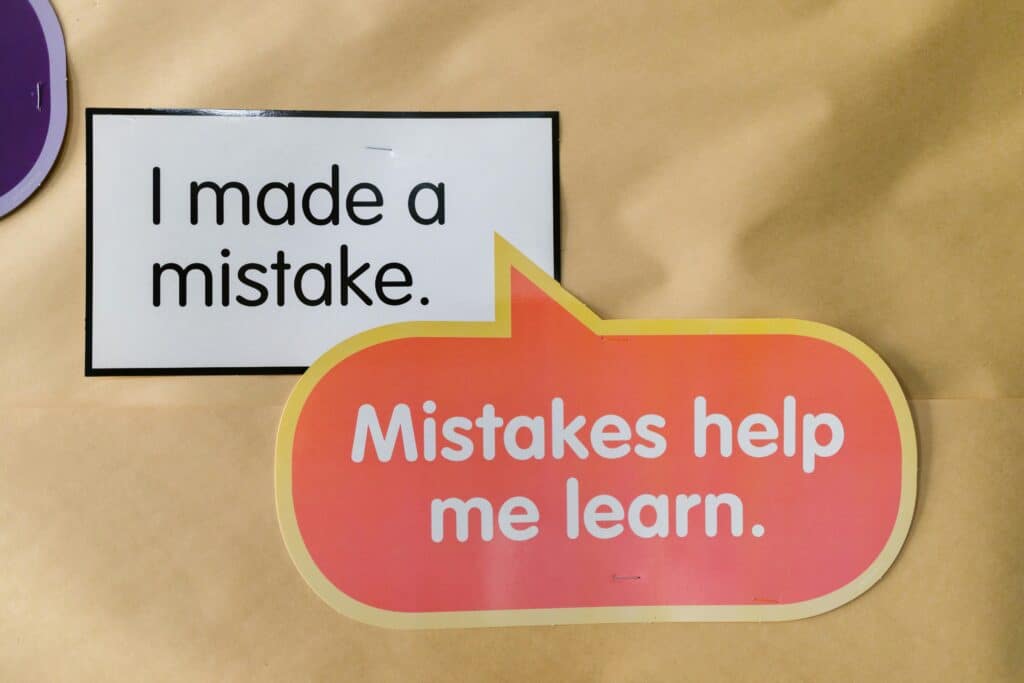
Your child’s brain possesses remarkable neuroplasticity, meaning it can grow and strengthen through challenges. When you explain this concept, help them understand their intelligence isn’t fixed.
Share that learning something new is hardest initially, but their brain behaves like a muscle. Each time they repeat difficult tasks, neural pathways strengthen and skills improve.
Use simple language: “Your brain grows when you try new things and don’t give up when something feels tough.” This foundational understanding empowers children to embrace challenges.
Key Points About Brain Growth:
- Neural connections strengthen with practice and persistence
- Intelligence develops through effort and appropriate strategies
- Challenges literally help the brain grow stronger
Recognizing Effort Over Natural Ability
Previously covered brain growth principles now guide your praise strategies. Focus your recognition on process rather than innate talents or intelligence.
When your child succeeds, highlight their hard work, persistence, and problem-solving strategies. Say “You worked really hard on that” instead of “You’re so smart.”
This approach encourages risk-taking and values effort. Children become more willing to tackle challenging tasks when they understand success comes from dedication.
Growth Mindset Praise Examples:
- “I noticed how you kept trying different strategies”
- “Your persistence really paid off”
- “You didn’t give up even when it got difficult”
Transforming Challenges Into Growth Opportunities

With this understanding of effort-based praise, you can now reframe difficult situations. Help your child view obstacles as brain-building exercises rather than threats.
When they encounter struggles, express excitement: “This seems like an opportunity to grow our brains!” Create environments where setbacks are expected and celebrated.
Encourage productive struggle by giving them time to think through problems before jumping in to help. This builds resilience and problem-solving skills.
| Growth Mindset Characteristic | How to Encourage |
|---|---|
| Embraces challenges | Say “This looks like a fun brain workout!” |
| Learns from mistakes | Celebrate errors: “Mistakes help us learn!” |
| Persists through setbacks | Use “yet” language: “You can’t do this…yet” |
| Values effort over results | Praise process: “I saw your hard work” |
Fostering Positive Self-Talk and Can-Do Attitudes
Now that challenges become opportunities, focus on developing your child’s internal dialogue. Model positive self-talk and help them recognize fixed mindset thoughts.
Teach them to transform negative statements using simple word changes. “I can’t do this” becomes “I can’t do this…yet.” This single word shift creates hope and determination.
Create visual reminders around your home displaying growth mindset phrases. Point to these when you hear fixed mindset language, encouraging self-correction.
The power of “yet” acts like magic, instantly making children feel stronger. It emphasizes future possibilities rather than current limitations, building confidence and resilience.
Celebrate Progress and Learning Milestones
Acknowledge Both Large and Small Accomplishments Regularly

Now that we’ve explored developing a growth mindset, recognizing every achievement becomes crucial for sustaining your child’s motivation. You should celebrate all accomplishments, whether your child takes their first steps or simply ties their shoelaces independently.
Regular acknowledgment boosts your child’s self-esteem and builds confidence. When you recognize their efforts, you demonstrate that hard work matters regardless of outcome size. This consistent validation encourages positive behavior patterns.
Transform recognition patterns:
• Ignoring small wins → Celebrating daily achievements like completed homework or acts of kindness
• Waiting for major milestones → Acknowledging incremental progress in reading or problem-solving skills
Use Positive Reinforcement to Boost Self-Esteem and Motivation
Verbal praise serves as your most powerful tool for reinforcing achievements. You should be specific about what your child accomplished, highlighting their dedication to studying or creativity in projects.
This focused approach helps your child understand which behaviors you value most. They’ll naturally continue developing these positive attitudes and work habits when consistently reinforced through meaningful recognition.
Effective reinforcement strategies:
• Generic praise → Specific acknowledgment of effort, creativity, or problem-solving approach
• Material rewards only → Combining verbal recognition with meaningful gestures like handwritten notes
Create Supportive Environments That Encourage Continuous Growth
Your home environment should showcase your child’s achievements prominently. Display their artwork, certificates, and awards on refrigerators or create dedicated “achievement walls” for ongoing motivation.
Consider developing family traditions around milestone celebrations. These could include special dinners where your child chooses the menu or celebratory outings to favorite locations. Such traditions create lasting memories while reinforcing your child’s sense of value and accomplishment.
For significant achievements, organize small gatherings with family and close friends. Even casual get-togethers make your child feel recognized and appreciated by their support network.
Transform Your Child’s Learning Journey Today

Nurturing your child’s love for learning creates a foundation for lifelong success. These eight strategies work together to build curiosity, resilience, and confidence in young minds.
Key Takeaways for Success
• Model enthusiasm: Your genuine curiosity becomes contagious and inspires children to pursue knowledge eagerly
• Create structured opportunities: Dedicated learning time and explorative spaces make education a natural part of daily life
• Embrace growth mindset: Celebrating progress over perfection builds resilience and encourages continuous improvement
Your Complete Learning Strategy Guide
| Strategy | Why It Works |
|---|---|
| Lead by Example | Children mirror adult enthusiasm and curiosity about learning |
| Create Learning Time | Dedicated time signals that education is valuable and enjoyable |
| Harness Play Power | Play develops critical thinking and problem-solving skills naturally |
| Make Reading Interactive | Engagement deepens comprehension and creates lasting memories |
| Encourage Personal Pursuits | Individual interests build confidence and specialized knowledge |
| Embrace Spectrum of Interests | Broad exposure helps children discover their true passions |
| Develop Growth Mindset | Resilient thinking turns challenges into learning opportunities |
| Celebrate Milestones | Recognition motivates continued effort and builds self-esteem |
Building Tomorrow’s Learners
These research-backed strategies transform everyday moments into powerful learning experiences. Your consistent application creates an environment where curiosity thrives and knowledge becomes adventure.
Growth mindset development takes time, but your commitment to these practices shapes confident, resilient learners. Every interaction becomes an opportunity to reinforce positive learning attitudes.
Which of these eight strategies will you implement first to spark your child’s natural love for learning?
References
Caven, M. “The Importance of Play-Based Learning in Early Education.” Institute of Education Sciences, U.S. Department of Education, 2022.
https://ies.ed.gov/learn/blog/prioritizing-play-importance-play-based-learning-early-education
Colliver, Y. “Free Play Predicts Self-Regulation Years Later: Longitudinal Evidence.” Developmental Psychology, 2022.
https://www.sciencedirect.com/science/article/pii/S0885200621001411
Miller, P., et al. “Time Spent Playing Predicts Early Reading and Math Skills through Associations with Self-Regulation.” Journal of Applied Developmental Psychology, 2022.
https://pmc.ncbi.nlm.nih.gov/articles/PMC10688615/
Ndabezitha, L. B., and Sarah Gravett. “Guided Play as a Pedagogical Tool for the Early Grades.” South African Journal of Childhood Education, vol. 14, no. 1, 2024.
https://sajce.co.za/index.php/sajce/article/view/1345
Prins, J., et al. “Nature Play in Early Childhood Education: A Systematic Review.” Frontiers in Psychology, 2022.
https://www.frontiersin.org/articles/10.3389/fpsyg.2022.995164/full
Skene, K., et al. “Can Guidance During Play Enhance Children’s Learning and Development?” Child Development, 2022.
https://srcd.onlinelibrary.wiley.com/doi/10.1111/cdev.13730
Weisberg, D. S., Hirsh-Pasek, K., and Golinkoff, R. M. “Guided Play: Principles and Practices.” Carnegie Mellon University, 2016.
https://www.cmu.edu/dietrich/psychology/pdf/klahr/PDFs/Guided%20Play%202016.pdf
Yogman, M., et al. “The Power of Play: A Pediatric Role in Enhancing Development in Young Children.” Pediatrics, vol. 142, no. 3, 2018.
https://publications.aap.org/pediatrics/article/142/3/e20182058/38649/The-Power-of-Play-A-Pediatric-Role-in-Enhancing
“Learning through ‘Guided’ Play Can Be as Effective as Adult-Led Instruction.” University of Cambridge, 2022.
https://www.cam.ac.uk/research/news/learning-through-guided-play-can-be-as-effective-as-adult-led-instruction


Pingback: Reading Proficiency: Unlocking Success in Education