
Essential Classroom Supplies: Transform Your Classroom
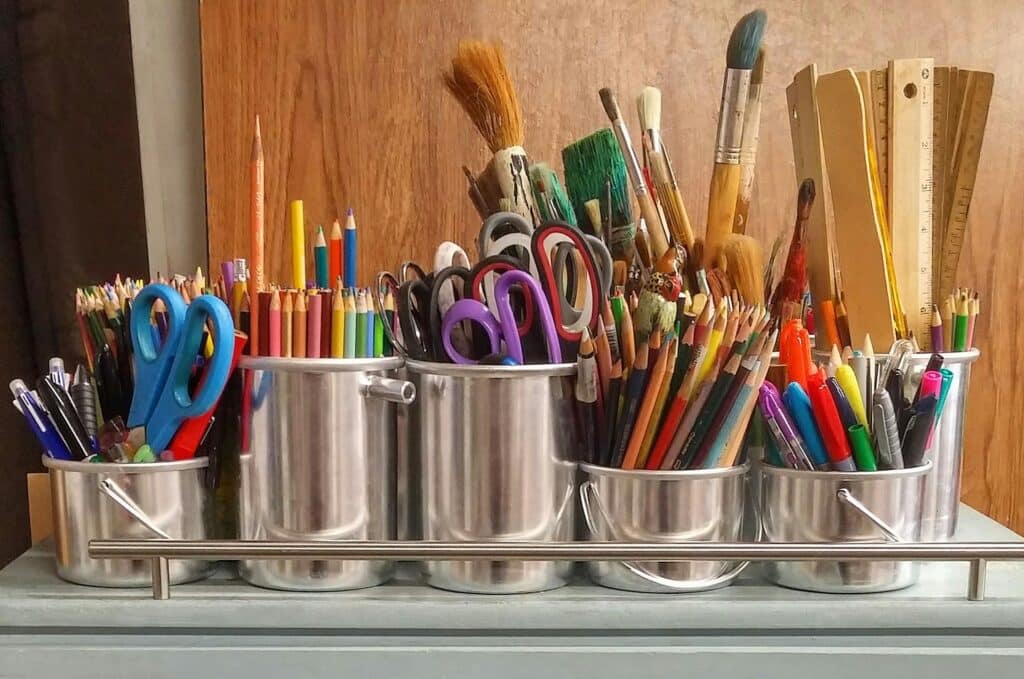
You don’t need a massive budget to set up a classroom that feels lively, organized, and welcoming. Get reliable supplies: writing tools, paper, some tech, and clear storage that is actually useful.
Throw in a few touches, maybe open seating or bright labels to spice it up for your students.
Key Takeaways
- Stick with sturdy, multiuse supplies to cut interruptions.
- Organize things so students can grab what they need on their own.
- Add purposeful touches to boost engagement and start building a dynamic classroom.
Core Essential Classroom Supplies for Engagement
Pick items that last, cut down on waste, and keep routines easy; these are the backbone of building a dynamic classroom.
Writing Tools and Paper Products
Reliable writing tools matter more than you’d think. Stock up on Ticonderoga and pre-sharpened pencils for quick starts, and keep both handheld and electric sharpeners ready.
Mix in pens, permanent markers for labeling, and a range of notebooks—composition books for daily writing, stacks of wide-ruled and college-ruled for different grades. Index cards make great flashcards or exit tickets.
- Sticky notes at stations help with quick feedback and brainstorming.
- Keep a ream of copy paper and colored cardstock or construction paper for projects.
- Extra erasers and whiteboard markers are handy for modeling and corrections.
Creative and Art Supplies
Choose art materials that are safe and easy to clean, like washable colored pencils and glue sticks. Kid-safe scissors are a must, and a couple bottles of white glue and rolls of tape come in handy for bigger builds.
Stock construction paper and cardstock in lots of colors for posters or interactive notebooks. Shared sets of tempera paints or watercolor trays should last through plenty of projects.
- Laminating sheets protect student work and make cards reusable.
- Bins keep art tools accessible so students don’t need to ask every time.
- Clear labels cut down on lost supplies and wasted minutes.
| Supply | Main Use | Why It Matters |
|---|---|---|
| Pencils & Sharpeners | Writing, drawing | Quick starts, fewer interruptions |
| Notebooks | Journals, notes | Organization, daily practice |
| Art Supplies | Projects, creativity | Hands-on learning, building a dynamic classroom |
| Sticky Notes | Feedback, ideas | Fast, flexible, interactive |
Organizational Tools and Classroom Management

Set up clear systems so materials stay available and tasks move quickly. Use labeled folders and binders for student work, and binder clips to keep handouts together.
Individual supply tubs with basics like pencils, erasers, and a small ruler keep interruptions to a minimum. Stackable storage bins and book tubs make centers easier to manage.
- Color-coded bins or labels help students and substitutes find things fast.
- Keep a teacher checklist of must-haves—backup pencils, sticky notes, extra notebooks.
- Track supplies that run low in a planner or digital tracker.
Health, Safety, and Cleanliness Essentials
Place cleaning and hygiene items where students can reach them safely. Alcohol-free hand sanitizer at the door and tech stations is a must.
Stock disinfectant wipes for quick desk cleaning, and keep a small first-aid kit and tissues in a labeled cabinet. Replace worn-out supplies regularly to avoid frustration and keep things fresh.
- Plastic bins with lids help keep materials clean.
- Set a routine for disinfecting shared items and tech.
- Limit cross-contamination by maintaining extras of high-use supplies.
| Tool | Purpose | Tip |
|---|---|---|
| Folders & Binders | Organize work | Label by subject or group |
| Hand Sanitizer | Hygiene | Place at entry and tech spots |
| Storage Bins | Supply access | Stackable, color-coded |
Enriching the Learning Environment Through Innovation and Decor
Pick tools specialized for your lessons, arrange your seating plan for easy group work, and use visuals that guide routines and review skills, this is how you finish building a dynamic classroom.
Instructional Technology and Digital Tools
Choose devices that match your lesson needs. Maybe a document camera for modeling, an interactive whiteboard for math, or a projector for videos.
Keep a portable speaker for audio, and use task cards and interactive notebooks alongside digital quizzes like Kahoot. Label chargers and store cables in a tech bin so everything’s ready when you need it.
- Train students on device rules and basic troubleshooting.
- Apply for funding from DonorsChoose or check teacher supply stores if budgets are tight.
- Mix digital and hands-on tools to keep things fresh and dynamic.
Flexible Seating and Collaborative Spaces
Offer a mix: wobble stools, floor cushions, and tables for group work. Let students pick what works for the task—silent reading, partner work, or small-group math.
Arrange seats in clusters to support group activities. Mark zones with rugs or shelves, and keep a teaching toolkit nearby for easy transitions between activities.
- Rotate seating choices each term to see what boosts engagement.
- Shared resources like math manipulatives or task cards should be within reach.
- Building a dynamic classroom means giving students some choice and flexibility.
| Element | Benefit | How to Use |
|---|---|---|
| Flexible Seating | Student choice | Mix stools, cushions, tables |
| Visual Systems | Routine guidance | Labels, posters, anchor charts |
| Digital Tools | Interactive learning | Combine with hands-on tasks |
Visual Organization and Classroom Decor

Use bright labels, anchor charts, and bulletin boards to guide routines. Display student work to make the room feel like it belongs to everyone.
Keep decor purposeful—skip the clutter, and focus on visuals that reinforce learning or expectations. Building a dynamic classroom means the walls support what you’re teaching, not distract from it.
- Anchor charts help students remember steps and routines.
- Student work on display boosts pride and motivation.
- Clear, simple visuals cut down on confusion.
Classroom Decor and Visual Engagement
Hang up classroom posters and use bulletin board paper to show learning targets and classroom rules. Make sure the classroom calendar is somewhere students can actually see it.
Put anchor charts and labeled bins near the materials you use most. This way, teaching aids and manipulatives are always within arm’s reach—and nobody’s scrambling for supplies.
Color-code centers and storage bins so students can grab what they need without a fuss. That small step turns chaos into a system that helps in building a dynamic classroom.
- Visible learning targets keep everyone on track
- Anchor charts and labeled bins mean less wasted time
- Color-coding makes routines smoother for all
Swap out displays for each new unit or to showcase recent student work. Interactive spots—like a question wall or a “math toolbox” with manipulatives images—invite students to engage.
Every poster or decoration should do more than fill space. If it doesn’t support routines, act as a reminder, or reinforce a skill, maybe it’s just in the way of building a dynamic classroom.
Conclusion

Building a dynamic classroom isn’t about having every supply. It’s about picking what works, what lasts, and what actually useful.
So, what will you add to start building a dynamic classroom this year?
References
Edutopia. “How to Make the Most of Classroom Essentials.” Edutopia, 12 Sept. 2022, https://www.edutopia.org/article/how-make-most-classroom-essentials
DonorsChoose. “Classroom Essentials.” DonorsChoose, https://www.donorschoose.org/teacher/classroom-essentials.html
Centers for Disease Control and Prevention. “Hand Sanitizer Guidelines and Recommendations.” Clean Hands, 12 Mar. 2024, https://www.cdc.gov/clean-hands/about/hand-sanitizer.html
Scholastic. “The New Teacher’s Essential Checklist (With Savings!).” Scholastic, 14 Aug. 2024, https://www.scholastic.com/teachers/teaching-tools/articles/the-new-teacher-s-essential-checklist–with-savings–
National Education Association. “What Back-to-School Supplies Should I Be Getting?” National Education Association, 15 July 2020, https://www.nea.org/professional-excellence/student-engagement/tools-tips/what-back-school-supplies-should-i-be-getting
Teach For America. “17 Essential Supplies for New Teachers.” Teach For America, https://www.teachforamerica.org/stories/essential-supplies-teachers

Pingback: Classroom Organization Techniques for Effective Teaching