Why Early Learning Matters for Every Parent
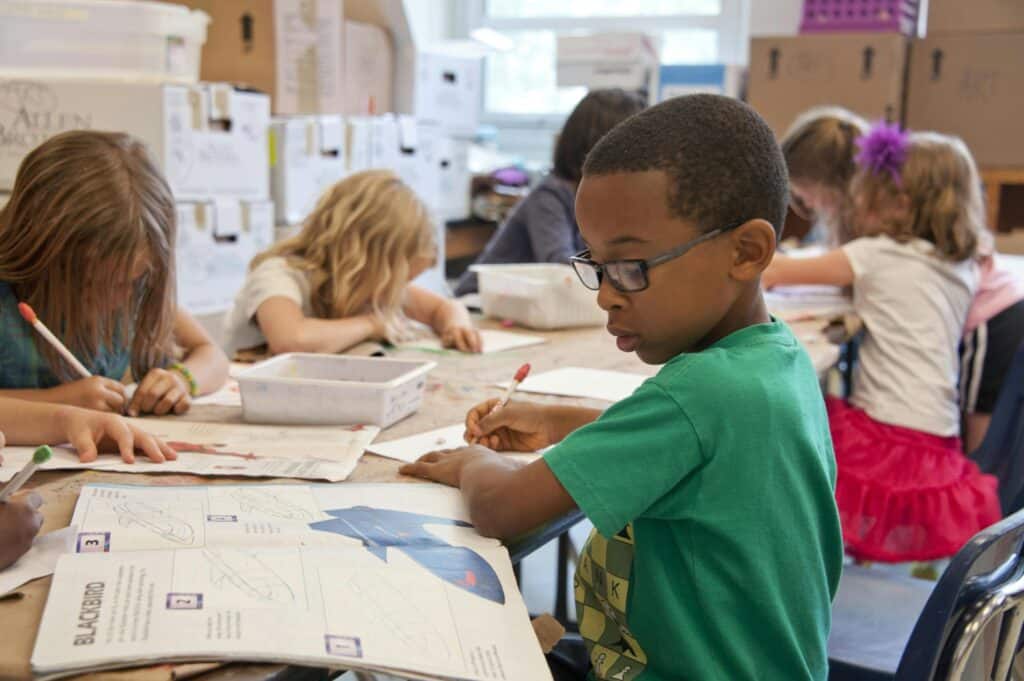
When Maria watched her four-year-old son Lucas count the apples in their grocery basket, she realized something powerful was happening. He wasn’t just memorizing numbers; he was making sense of the world in his own way. This everyday moment is where early learning begins—at home, in daily conversations, and in simple activities parents often don’t think twice about. For parents like Maria, these small interactions lay the groundwork for how children will approach school, friendships, and problem-solving later in life.
Researchers consistently show that early learning builds stronger foundations for future success. According to the National Education Association, 90% of brain growth happens before age five, making early experiences critical (NEA, 2021). When children are engaged in stimulating environments—whether through reading, playing, or talking—they are more likely to develop stronger language skills, emotional awareness, and even better math readiness. Parents are at the heart of this process, even more than schools or structured programs in the first years of life.
We at Scholarlysphere emphasize that early learning is not just academic; it is social and emotional. The first five years are when children begin to understand cooperation, empathy, and resilience. A child who learns to share a toy or solve a small problem early on is rehearsing for the bigger challenges of later schooling and adulthood. Parents play a guiding role, not by lecturing but by modeling curiosity and patience.
But many parents face barriers. Time constraints, limited resources, or even confusion about what “early learning” really means can hold families back. Some worry that they need expensive toys or formal lessons, when in reality, the most valuable activities are simple and relationship-driven. Talking to a child during dinner, letting them help measure ingredients, or reading a bedtime story are small habits with enormous long-term impact.
That’s where we can help. Through our blogs and articles about education and learning and school, parents can find practical strategies and encouragement. These resources are designed to give families confidence in their role as a child’s first teacher. Parents don’t need advanced degrees—they just need guidance, support, and the reassurance that the everyday choices they make are shaping their child’s future.
Why Early Learning Matters: Key Benefits for Children
| Area of Growth | How Early Learning Helps | Long-Term Impact for Children |
|---|---|---|
| Cognitive Skills | Builds early math, reading, and problem-solving abilities | Better school readiness and stronger academic achievement |
| Language Skills | Expands vocabulary through talking, reading, and songs | Improves communication and literacy skills in later grades |
| Social Development | Teaches sharing, cooperation, and empathy | Stronger peer relationships and emotional intelligence |
| Emotional Growth | Helps children manage feelings and build resilience | Better mental health and ability to handle challenges |
| Physical Skills | Enhances fine motor skills through play and activities | Supports writing, coordination, and active learning |
Early learning is not about rushing a child into academics; it is about nurturing curiosity, resilience, and a love of learning that lasts. For parents, it’s about understanding that the most important classroom is often the home itself. By focusing on these early years, families set their children on a path of opportunity that continues long after preschool.
A Deep Dive into Early Learning for Parents
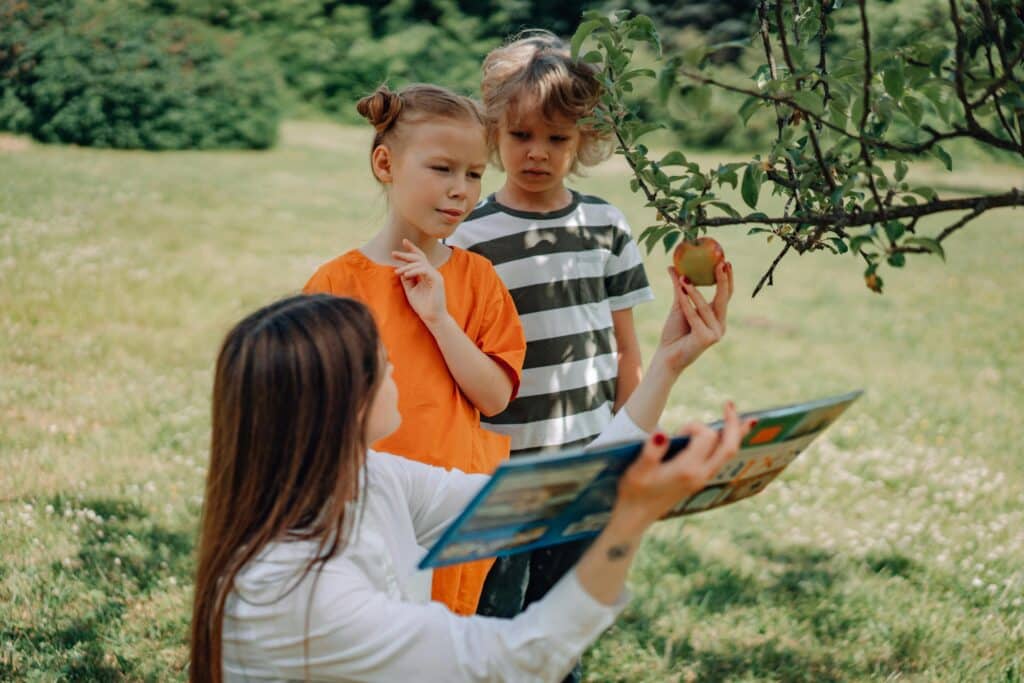
Early learning is one of the most powerful investments parents can make in their child’s future. Research consistently shows that what children experience before the age of five has lifelong consequences—not just academically, but emotionally and socially. Parents are often surprised at how much influence they have, but the truth is that everyday interactions create lasting effects.
The Science Behind Early Learning
The early years are often called the “critical window” of development. According to Harvard’s Center on the Developing Child, more than one million new neural connections form in a child’s brain every second during the first few years of life (Harvard, 2023). These connections shape how children learn, adapt, and relate to others.
- 90% of brain growth occurs before age five (NEA, 2021).
- Children exposed to language-rich environments hear up to 30 million more words by age three compared to those who aren’t (Hart & Risley, 1995).
- Early math skills at kindergarten entry are one of the strongest predictors of later academic achievement—even more than early reading skills (Duncan et al., 2007).
When parents understand this science, they see that their role is not about “teaching school at home” but about creating meaningful moments that spark curiosity and problem-solving.
Practical Strategies for Parents
Parents often ask: “What can I actually do at home to support early learning?” The answer is simpler than many think. It’s about weaving learning into daily routines.
Everyday Practices That Support Early Learning
- Talk constantly: Narrate your day, ask open-ended questions, and let children express their thoughts.
- Read daily: Even 15 minutes of shared reading improves vocabulary and listening skills.
- Play together: Pretend play builds imagination, problem-solving, and emotional understanding.
- Explore outdoors: Nature walks stimulate curiosity and physical development.
- Use math naturally: Count groceries, measure while cooking, and compare sizes or shapes.
Learning Opportunities at Home vs. Structured Settings
| Type of Environment | What It Offers for Early Learning | How Parents Can Support |
|---|---|---|
| Home | Strong emotional security, personalized learning pace, everyday problem-solving | Reading, conversations, family playtime |
| Preschool/Daycare | Peer interaction, structured activities, exposure to group learning | Reinforce routines, discuss daily experiences |
| Community Activities | Social exposure, new skills, teamwork | Library story time, music or art groups |
When parents combine these environments, they create a balanced learning ecosystem for their child.
The Challenges Parents Face
While the benefits are clear, not every parent finds early learning easy to support. Surveys reveal that parents sometimes feel overwhelmed by expectations. A 2022 Pew Research Center study found that 62% of parents of young children say they feel pressure to do everything “just right” for their child’s development (Pew, 2022).
Here are some of the biggest barriers:
- Time: Busy schedules leave little room for extended learning moments.
- Resources: Many families think they need expensive tools or classes.
- Confidence: Parents doubt whether they “know enough” to guide learning.
- Information overload: Conflicting advice online creates confusion.
But the good news is that early learning thrives on quality, not quantity. Ten minutes of focused storytelling, cooking together, or play can be more powerful than hours of formal instruction.
How We Can Help Parents

We at Scholarlysphere know parents need reliable, practical support. That’s why our blogs and articles about education and learning and school focus on:
- Breaking down research into parent-friendly language
- Offering free, simple activities that parents can do at home
- Sharing strategies for overcoming time and resource barriers
- Highlighting success stories from other families
This approach empowers parents to see themselves as their child’s first and most important teacher.
Expanding the Benefits of Early Learning
To give parents a clearer picture, here’s a breakdown of the short-term vs. long-term outcomes of investing in early learning.
| Early Learning Focus | Short-Term Benefits | Long-Term Benefits |
|---|---|---|
| Language Skills | Better communication, stronger vocabulary | Higher literacy, better job opportunities |
| Math & Problem-Solving | Early number sense, logical thinking | Strong STEM potential, financial literacy |
| Social Skills | Positive friendships, cooperation | Strong teamwork, leadership abilities |
| Emotional Skills | Resilience, self-control | Lower stress, improved mental health |
| Creativity | Imagination, curiosity | Innovation, adaptability in adulthood |
Parent-Friendly Tips to Put Learning into Action
To make things even simpler, here are five quick strategies parents can try today:
- The Story Basket: Place random household objects in a basket and let your child create a story around them.
- Number Hunt: During walks, ask your child to find numbers on houses, street signs, or license plates.
- Cooking Together: Measure, mix, and taste — combining math, science, and bonding.
- Feelings Talk: Ask your child to describe their feelings with colors or animals. (“I feel like a lion today.”)
- Sing & Move: Music builds memory, rhythm, and joy while encouraging physical development.
These are simple, no-cost activities, yet they connect directly to brain growth, social learning, and confidence.
The Broader Impact of Early Learning
Beyond academics, early learning is linked to economic and social outcomes. Nobel Prize–winning economist James Heckman found that every dollar invested in quality early childhood programs returns up to $7 in societal benefits(Heckman, 2012). These benefits include higher graduation rates, better health, and reduced crime.
For parents, this means that supporting early learning at home is not only about helping their own child—it’s contributing to stronger communities. When families nurture young learners, they are helping build the next generation of problem-solvers, innovators, and leaders.
Pulling It All Together
Early learning doesn’t require expensive tools or structured classes. It requires engaged parents who understand the importance of simple, consistent interactions. Talking, playing, reading, and exploring together build skills that last a lifetime.
We at Scholarlysphere are committed to giving parents the guidance and resources they need. By turning everyday moments into learning opportunities, families create a strong foundation for their children—one that school systems, teachers, and communities will build on for years to come.
Building a Foundation That Lasts

Parents often underestimate how powerful everyday moments are in shaping a child’s growth. The bedtime stories, the silly songs in the car, or the times children help measure ingredients in the kitchen—these little experiences are the heart of early learning. They might look small, but they build the foundation for school, relationships, and lifelong curiosity.
The research shows that the first five years are a critical time. During this stage, a child’s brain grows faster than at any other point in life, and parents play the most important role in guiding that growth. Early learning is not about pushing children into academics before they are ready—it’s about nurturing curiosity, problem-solving, and resilience.
At Scholarlysphere, we know parents want practical support that feels realistic. That’s why we provide blogs and articles about education and learning and school. These resources give parents simple strategies and encouragement to make the most of the early years. By breaking down research into easy-to-use ideas, we help families turn everyday routines into powerful learning opportunities.
Why Early Learning Matters for Parents and Children
- Early years shape the future: 90% of brain growth happens before age five.
- Parents are first teachers: Talking, reading, and playing create strong foundations.
- Simple moments count most: Storytelling, cooking, or outdoor play build skills without requiring expensive tools.
- Benefits last a lifetime: Children who experience strong early learning are more likely to succeed in school, stay resilient, and grow into capable adults.
- Support is available: Our blogs and articles help parents feel confident and prepared.
The legacy of early learning is bigger than grades or test scores. Children who feel supported in their first years tend to be more curious, confident, and ready to tackle challenges. Parents don’t need perfection—they just need to be present, consistent, and open to making small learning opportunities part of everyday life.
The future of each child begins with the choices made today. Early learning is about planting seeds of curiosity, kindness, and resilience that will continue to grow for years to come. Parents hold the power to nurture those seeds, shaping not only their child’s life but also the future of the world they will help build.
So the question is this: if the early years are the most powerful time for growth, what steps will you take today to nurture your child’s early learning?
Works Cited
Harvard, Serve and Return: Back-and-forth exchanges. https://developingchild.harvard.edu/key-concept/serve-and-return/ Harvard Center on Developing Child
Center on the Developing Child, Harvard University. InBrief: The Science of Early Childhood Development. https://developingchild.harvard.edu/resources/inbriefs/inbrief-science-of-early-childhood-development/ Harvard Center on Developing Child
Harvard University, Center on the Developing Child. Brain Architecture: An ongoing process that begins before birth. https://developingchild.harvard.edu/key-concept/brain-architecture/ Harvard Center on Developing Child
U.S. First Things First. The First Five Years – 90% of a Child’s Brain Develops by Age 5. https://files.firstthingsfirst.org/why-early-childhood-matters/the-first-five-years First Things First
Watts, T. W., Duncan, G. J., & Quan, H. (2014). Relations Between Early Mathematics Knowledge and Later Achievement. https://pmc.ncbi.nlm.nih.gov/articles/PMC4719158/ PMC
APA / Developmental Psychology. School Readiness and Achievement in Early Elementary Years (citing Duncan et al., 2007). https://pmc.ncbi.nlm.nih.gov/articles/PMC8224832/ PMC
Heckman, J. J. (2012). Invest in Early Childhood Development: Reduce deficits, strengthen the economy. https://heckmanequation.org/wp-content/uploads/2013/07/F_HeckmanDeficitPieceCUSTOM-Generic_052714-3-1.pdf The Heckman Equation
Heckman Equation / Obama White House archives. The Economics of Early Childhood Investments. https://obamawhitehouse.archives.gov/sites/default/files/docs/the_economics_of_early_childhood_investments.pdf whitehouse.gov
ZERO TO THREE. Understanding Brain Development in Babies & Toddlers. https://www.zerotothree.org/resource/distillation/understanding-brain-development-in-babies-and-toddlers/ZERO TO THREE
Harvard, Why Peekaboo Matters: Early Brain and Child Development 101. https://pediatrics.developingchild.harvard.edu/resource/early-brain-and-child-development-101-why-peekaboo-matters/ Harvard Center on the Developing Child