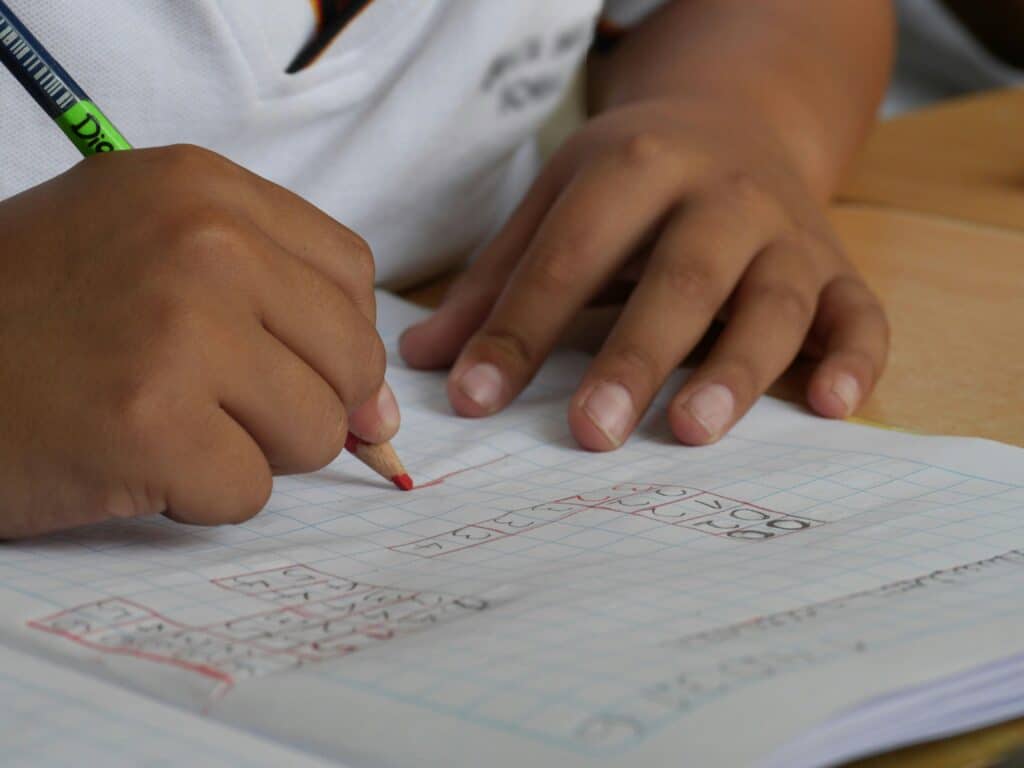
Traditional memorization methods are creating serious problems for students and teachers alike. While countless hours are spent drilling facts and formulas, students often walk away feeling confused and unprepared for real-world challenges.
This guide is for educators, parents, and students who want to move beyond rote learning toward approaches that actually build understanding and critical thinking skills.
We’ll explore three key areas:
• Why memory-based learning creates more problems than it solves – including the academic stress it causes and how it actually limits student intelligence rather than developing it
• What students really need from their education – moving from outdated assessment methods toward learning that prepares them for future success
• Practical alternatives to memorization – specific strategies that build genuine understanding while still respecting when memorization does have its place
The current system asks students to memorize hundreds of facts across multiple subjects, often without understanding the deeper connections or real-world applications. Students spend sleepless nights cramming for tests, only to forget the information weeks later. This isn’t learning – it’s an expensive exercise in short-term retention that leaves everyone frustrated.
The good news? There are proven methods that help students actually understand concepts, think critically, and retain knowledge long-term. These approaches don’t just make learning more enjoyable – they create the kind of deep understanding that serves students throughout their lives.
The Problem with Memory-Based Learning

How memorization blocks critical thinking development
Memory-based learning fundamentally prevents students from developing analytical skills necessary for deep understanding. When students spend time memorizing facts and equations rather than studying concepts, they struggle with labs and critical questions because they never fully grasped underlying ideas. This approach creates a dependency on rote learning that actively inhibits the development of problem-solving abilities and creative thinking skills.
Why students pass tests but fail to understand concepts
The current education system prioritizes grades over genuine comprehension, leading students to resort to memorization techniques that help them pass exams without true understanding. Students can memorize series of facts and “spit them out” for standardized tests, but this information quickly disappears after testing. Key problems include:
• Surface-level retention: Memorized information lacks lasting impact and practical application
• Grade inflation without learning: Students achieve high GPAs through memorization while missing fundamental concepts
• Academic dishonesty: Pressure for good grades drives students toward cheating rather than learning
The disconnect between memorization and real learning
Memorization creates a false sense of knowledge that doesn’t translate to real-world application or deeper understanding. If students memorize a word’s definition but cannot use it in sentences, they don’t truly know the meaning. This disconnect becomes apparent when students transition from memorization-heavy high school environments to college settings requiring critical analysis, leaving them unprepared for essay-type examinations and conceptual thinking challenges.
How Memorization Creates Academic Stress

Managing Overwhelming Content Across Multiple Subjects
Students face immense pressure when forced to memorize vast amounts of information across multiple disciplines simultaneously. The reference content reveals how this approach leads to academic stress from memorization, as students must cram facts without understanding their relevance or connections. When mathematics becomes mere multiplication table recitation and history reduces to memorizing dates without context, students struggle under the mental burden of processing disconnected information.
The Mental Burden of Cramming Hundreds of Test Questions
The pressure to excel in memory-based learning systems creates significant anxiety and stress among students. As highlighted in competitive examination systems, students experience grueling mental strain when forced to memorize and reproduce exact answers. This rote learning approach increases academic pressure because students who struggle with memorization feel inadequate, even when they possess strong subject understanding, leading to long-term mental health consequences.
Why Students Feel Their Education Lacks Purpose
Memorization in education fails to demonstrate real-world relevance, leaving students questioning the purpose of their learning. When students memorize vocabulary lists or formulas without practical application, they cannot see how their education prepares them for meaningful challenges. This disconnect between memorization and understanding creates a fundamental flaw where knowledge remains superficial, quickly forgotten once immediate testing needs pass, ultimately making students feel their educational experience lacks meaningful direction.
Modern Education’s Outdated Assessment Methods

The Antiquated Nature of Memorization-Based Testing
Traditional standardized testing systems continue to rely on outdated assessment methods that prioritize memorization over meaningful learning. These tests emphasize rote memorization and regurgitation of facts rather than critical thinking, problem-solving, and creativity. The rigid format of standardized testing treats all students as if they learn in the same way, implementing a one-size-fits-all approach that disregards diverse backgrounds, abilities, and learning styles.
The fundamental issue with these outdated assessment methods lies in their narrow focus on testing specific subjects like math and reading while neglecting other important areas such as social studies, arts, and physical education. This leads to a narrowed curriculum where teachers end up teaching to the test rather than providing a well-rounded education that develops essential real-world skills.
Key takeaways:
- Standardized tests emphasize short-term memory over problem-solving abilities
- Traditional testing ignores creativity and collaboration skills essential for real-world success
- The rigid format fails to accommodate different learning paces and individual needs
How Schools Measure Memory Instead of Intelligence

Current educational systems fundamentally misunderstand the nature of intelligence by reducing student assessment to memory-based evaluations. Howard Gardner’s theory of multiple intelligences demonstrates that intelligence is not a single entity but a combination of various cognitive abilities, including linguistic, logical-mathematical, musical, spatial, bodily-kinesthetic, interpersonal, intrapersonal, and naturalistic intelligences.
However, standardized tests only measure a narrow range of abilities, typically focusing on linguistic and logical-mathematical skills while completely ignoring other forms of intelligence. This approach unfairly disadvantages students who excel in areas not covered by traditional testing methods, such as creative problem-solving, artistic expression, or interpersonal skills.
The emphasis on memorization creates a system where students are reduced to numbers and forced into educational molds that ignore their diverse talents and strengths. Students who might excel in collaborative environments or demonstrate exceptional creativity find themselves at a disadvantage simply because these crucial abilities aren’t measured by memory-based assessments.
Key takeaways:
- Traditional tests only assess 2 out of 8 recognized types of intelligence
- Memory-based evaluation ignores diverse talents and learning styles
- Students are unfairly reduced to test scores rather than holistic assessments
The Mismatch Between Educational Goals and Teaching Methods
A significant disconnect exists between what modern education claims to value and how it actually assesses student learning. While schools emphasize the importance of critical thinking, creativity, collaboration, and real-world problem-solving in their curricula, their assessment methods continue to rely on outdated memorization-based testing that contradicts these educational goals.
This mismatch creates a harmful cycle where educators feel pressured to adopt a “teaching to the test” mentality, focusing primarily on test-related content and strategies rather than developing the comprehensive skills students actually need for success. The result is a reduction in overall educational quality and limited development of critical thinking and creativity in the classroom.
The pressure to perform well on standardized tests leads to significant stress among students, with research showing 15 percent higher cortisol levels during high-stakes testing periods. This stress negatively impacts cognitive functions such as memory, concentration, and problem-solving abilities – ironically undermining the very capabilities these tests claim to measure.
Furthermore, the current system perpetuates educational inequalities, as students from higher-income households ($200,000+) consistently beat lower-income families (under $20,000) by almost 250-400 points on standardized scales like the SAT. This disparity reflects access to test preparation resources rather than actual academic ability or intelligence.
Key takeaways:
- Educational goals emphasize skills that traditional testing doesn’t measure
- High-stakes testing creates counterproductive stress that impairs learning
- Current assessment methods perpetuate socioeconomic inequalities rather than measuring merit
- Teaching to the test reduces educational quality and limits skill development
Better Alternatives to Memorization-Based Learning

Teaching Conceptual Understanding Over Rote Learning
Now that we’ve examined the problems with memorization-based approaches, it’s crucial to explore how conceptual understanding can transform student learning. Project-Based Learning (PBL) stands out as a powerful alternative that moves students beyond surface-level memorization toward deep comprehension. In PBL environments, students engage with complex, real-world projects over extended periods, naturally fostering inquiry and problem-solving skills while building genuine understanding of underlying concepts.
The Montessori method exemplifies conceptual learning through its principle of discovery, where children learn through choices rather than lecture-style instruction. This approach encourages curiosity-driven learning, allowing students to explore subjects in-depth based on their interests. For instance, instead of memorizing facts about animals from textbooks, students might visit zoos or natural habitats to discover wildlife in authentic contexts.
Progressive education methods like the Steiner/Waldorf approach integrate arts into all academic subjects, creating rich learning experiences that help students grasp concepts holistically. This integration allows learners to understand connections between different areas of knowledge rather than treating subjects as isolated information to memorize.
The Reggio Emilia method further demonstrates conceptual learning through its emergent curriculum, where learning develops through project work that allows each child to explore their interests in specific areas. This student-centered learning approach ensures that understanding develops naturally rather than being imposed through memorization requirements.
Using Practical Application to Reinforce Knowledge
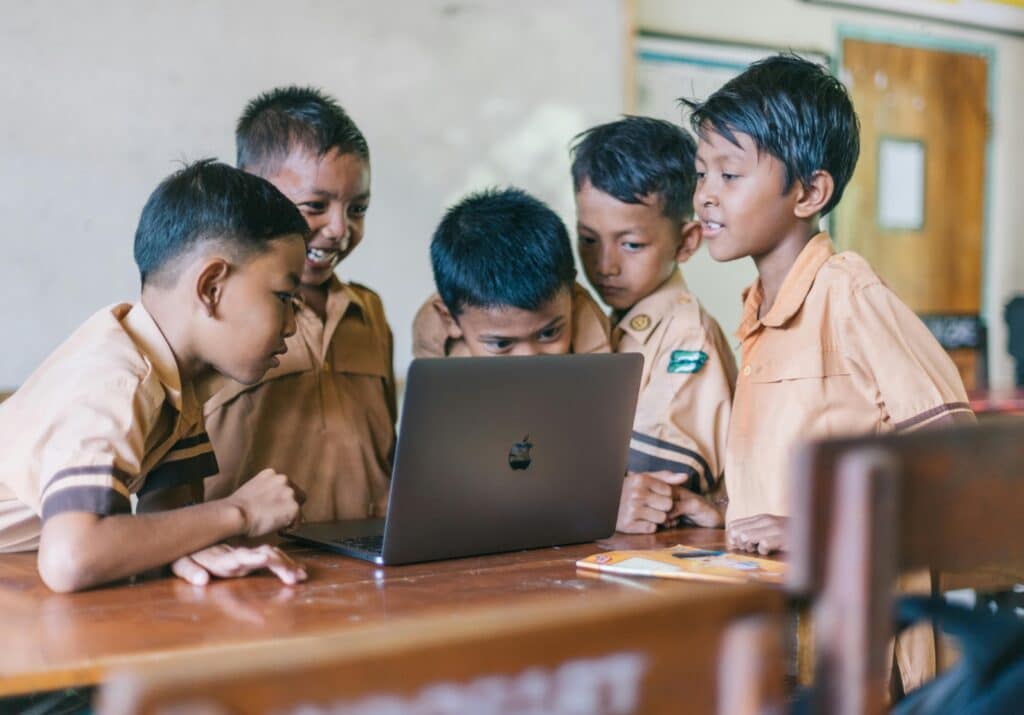
Moving beyond traditional memorization requires incorporating hands-on experiences that make learning meaningful and memorable. The Montessori approach excels in this area through its emphasis on hands-on learning with organized learning materials instead of textbooks. Students gain personal experience with subjects through direct manipulation and exploration.
For example, when studying historical periods, students might wash clothes by hand or create projects using traditional tools like handlooms, rather than simply reading about pre-modern life. This practical application helps students understand not just what happened, but why and how historical developments occurred.
Flipped classroom methodologies complement practical application by delivering instructional content outside class time, freeing up classroom hours for interactive exercises and discussions. This approach promotes active learning while enabling teachers to provide personalized support during hands-on activities.
The alternative teaching methods documented in successful programs show that practical application significantly enhances student engagement. When students work on real-world projects, they develop solutions to authentic challenges, making their learning immediately relevant and applicable.
Project-based learning environments allow students to own their educational journey, engaging with complex problems that require multiple skills and knowledge areas. This integration of practical application helps students see connections between different subjects and understand how knowledge applies in real-world contexts.
Developing Analytical and Problem-Solving Skills
Critical thinking development requires moving away from memorization toward methods that challenge students to analyze, evaluate, and synthesize information. Project-Based Learning naturally develops these skills by presenting students with complex challenges that require multiple approaches and solutions.
The Reggio Emilia method’s documentation process exemplifies analytical skill development. Teachers document each child’s development through their words, creations, thoughts, and actions, creating visual progress charts. This process helps children reflect on their own learning and develop meta-cognitive skills essential for problem-solving.
Modern education methods like the Montessori approach develop analytical thinking through its prepared environment concept. Students learn to make choices about their learning path, developing self-discipline and analytical skills as they evaluate different options and their consequences.
Alternative teaching strategies emphasize collaboration and critical thinking over individual memorization. Students working together on complex projects must analyze different perspectives, evaluate various solutions, and synthesize information from multiple sources to reach conclusions.
The student-centered learning approach inherent in these methods ensures that analytical and problem-solving skills develop naturally through authentic challenges rather than artificial exercises. Students learn to question, investigate, and draw conclusions based on evidence rather than accepting information passively.
Key Takeaways
| Aspect | Traditional Memorization | Alternative Approaches |
|---|---|---|
| Learning Focus | Rote memorization of facts | Deep conceptual understanding |
| Student Role | Passive information recipient | Active knowledge constructor |
| Assessment | Standardized testing | Qualitative, individualized evaluation |
| Curriculum Structure | Fixed, predetermined content | Emergent, interest-based learning |
| Skill Development | Memory recall | Critical thinking and problem-solving |
| Learning Environment | Teacher-directed (80%) | Student-directed (80% in Montessori) |
| Knowledge Application | Abstract, disconnected | Practical, real-world contexts |
| Engagement Level | Often low, compliance-based | High, curiosity-driven |

The evidence is clear: memorization-based learning is not only ineffective but actively harmful to student development. When students spend “countless nights memorizing material” only to discover they “don’t know what [they’re] talking about” the next day, we’re witnessing a fundamental failure of our educational approach (Gonzalez). This outdated system creates unnecessary academic stress, stifles critical thinking, and leaves students feeling that their “school experience has been useless for the past few years.”
Key Problems with Current System:
• Students memorize without understanding concepts
• Creates overwhelming stress with multiple classes requiring rote learning
• Prevents development of critical thinking skills
• Makes students feel dismissed when voicing concerns
• Focuses on remembering rather than actual learning
Better Learning Approaches vs. Traditional Memorization
| Traditional Memorization | Effective Learning Methods |
|---|---|
| Rote repetition of facts | Understanding concepts and connections |
| Short-term retention | Long-term comprehension |
| High stress, multiple subjects | Manageable, skill-focused approach |
| Student frustration | Student engagement |
| Teacher-centered | Student-centered discussions |
The solution isn’t to eliminate all memorization—certain foundational skills like mathematical equations do require memory work. However, the current practice of expecting students to memorize “everything from the first day of school to mid-school year” for comprehensive exams must change. Students come to school to learn and think, not simply to regurgitate information. Educational institutions must shift toward methods that prioritize understanding, critical analysis, and meaningful engagement over mechanical repetition. Only then can we create learning environments that truly prepare students for their future.
Works Cited
“Putting PjBL to the Test: The Impact of Project-Based Learning on …” PBLWorks, 2020, https://www.pblworks.org/sites/default/files/2020-07/pblworks-research_duke-study-2020.pdf
Rea, S. D., et al. “Students Can (Mostly) Recognize Effective Learning, So Why Don’t They Use It?” PMC, 2022, https://pmc.ncbi.nlm.nih.gov/articles/PMC9781761/
Saavedra, A. R. and Rapaport, A. “Key Lessons from Research about Project-Based Teaching and Learning.” KappanOnline, 2023, https://kappanonline.org/research-project-based-teaching-and-learning-saavedra-rapaport/
“The Roles of Memorization in Teaching & Learning (Opinion).” Education Week, 29 July 2020, https://www.edweek.org/teaching-learning/opinion-the-roles-of-memorization-in-teaching-learning/2020/07
“The Reality of Learning: Beyond Memorization and Grades.” Sandstone Psychology Blog, 2023, https://www.sandstonepsychology.org/the-reality-of-learning-beyond-memorization-and-grades/
Thomas, John W., Ph.D. A Review of Research on Project-Based Learning. March 2000, https://www.pblworks.org/sites/default/files/2019-01/A_Review_of_Research_on_Project_Based_Learning.pdf
“Working Memory Underpins Cognitive Development, Learning …” PMC, 2013, https://pmc.ncbi.nlm.nih.gov/articles/PMC4207727/