
Bridging the Gap: Real-World Applications of School Subjects

Why Education Matters
Education serves as the foundation for both personal and professional growth. Students often see their lessons as abstract until they realize how knowledge applies in everyday life. Understanding the importance of education helps learners appreciate why studying various subjects matters, from budgeting with math to analyzing current events in social studies (Boss, 2017; Avallone, 2019). When learning is connected to real-world situations, students become more engaged and motivated.
Education also fosters essential life skills that extend beyond the classroom:
- Critical thinking and problem-solving
- Effective communication and collaboration
- Awareness of cultural, social, and political contexts (Long, 2015; CivicsForLife, n.d.)
Bridging Theory and Practice
One of the greatest challenges students face is connecting theoretical knowledge to practical application. For instance, learning algebra is not just about solving equations—it also develops reasoning skills used in technology, finance, and science. Similarly, understanding history and civics allows students to evaluate social and political decisions critically. These connections illustrate the importance of education in equipping students with skills for both life and future careers (Kong, 2021).
The Role of Core Subjects
Core subjects like mathematics, science, language arts, and social studies each contribute to student development:
- Mathematics strengthens analytical and problem-solving skills.
- Science fosters curiosity, experimentation, and evidence-based reasoning.
- Language arts improve communication, argumentation, and comprehension.
- Social studies cultivate awareness of societies, cultures, and civic responsibilities (ALI Staff, 2017; Long, 2015).
When students understand how these disciplines intersect with real-world tasks, they see the importance of education as more than academic achievement. It becomes a tool for personal growth, career preparation, and lifelong learning (Kiddom, n.d.; Li, 2025). By connecting knowledge to real-life experiences, learners develop motivation, confidence, and a broader perspective, reinforcing why education truly matters.
Mathematics: The Language of the Universe

Why Math Matters in Everyday Life
Mathematics is more than numbers; it is a universal language that students encounter daily. From calculating allowances to analyzing sports statistics, math demonstrates the importance of education in practical decision-making (Crowe, 2022). Students who develop strong mathematical skills can approach problems logically, make informed decisions, and handle real-life tasks more confidently.
Math also helps students cultivate essential skills:
- Logical reasoning and analytical thinking
- Quantitative problem-solving in daily tasks
- Confidence in handling real-world numerical challenges (ExploreLearning, n.d.)
Mathematics in Careers
Math is fundamental in many career paths, especially in engineering, finance, and technology. Engineers rely on algebra, calculus, and geometry to design safe and efficient structures. In finance, professionals use statistics and probability to predict market trends and manage investments. These examples highlight the importance of education in preparing students for careers that rely on mathematical knowledge (Park & Brombacher, 2008; University of North Carolina Pembroke, 2024).
Math and Technology
In today’s digital age, mathematics merges seamlessly with technology. Data analysts and programmers use mathematical algorithms to interpret large datasets, create predictive models, and develop software solutions. Students familiar with these applications see how classroom math connects to technology-driven careers, further emphasizing the importance of education in preparing for the modern workforce.
Building Critical Thinking Through Math
Beyond formulas and equations, math strengthens students’ critical thinking. Understanding patterns, probability, and data interpretation allows learners to evaluate problems methodically and make reasoned decisions. By mastering mathematical concepts, students gain transferable skills that apply to science, technology, business, and everyday problem-solving (Crowe, 2022; ALI Staff, 2017).
Mathematics is not just a school subject—it is a vital part of understanding the world, developing life skills, and achieving personal and professional goals. Recognizing the importance of education through math equips students with the tools to navigate challenges confidently and creatively.
Science: Understanding the World Around Us

Why Science Matters for Students
Science helps students explore the world and understand natural phenomena. From biology to physics, learning scientific principles develops curiosity, experimentation skills, and problem-solving abilities. Understanding the importance of education in science allows students to see how classroom lessons apply to everyday life, such as health decisions, technology use, and environmental awareness (ALI Staff, 2017).
Key benefits of studying science include:
- Developing analytical and critical thinking skills
- Learning to make evidence-based decisions
- Understanding the impact of human actions on the environment (Baumbach, 2023)
Real-World Applications of Science
Science knowledge is essential in many careers and daily tasks. For example, biology informs healthcare, chemistry drives innovations in pharmaceuticals, and physics underpins technology and engineering projects. Recognizing these connections shows the importance of education beyond the classroom and inspires students to engage more deeply with learning (Kong, 2021).
Science Subjects and Real-World Applications
| Science Subject | Key Focus | Real-World Applications |
|---|---|---|
| Biology | Genetics, ecology, human anatomy | Healthcare, environmental conservation, biotechnology |
| Chemistry | Chemical reactions, compound formation | Pharmaceuticals, pollution control, food safety |
| Physics | Mechanics, thermodynamics, electromagnetism | Engineering, renewable energy, technology development |
By exploring science, students develop skills applicable across careers, from medicine to technology. They learn to analyze data, conduct experiments, and think critically about global challenges (Baumbach, 2023; Haleem, 2022).
Connecting Science to Life
Understanding science equips students to make informed personal and professional choices. For instance, knowledge of nutrition and disease prevention supports healthy living, while environmental science promotes sustainable practices. Recognizing the importance of education in science encourages curiosity, problem-solving, and a proactive approach to challenges in daily life and future careers (Crowe, 2022; ALI Staff, 2017).
Science education is not only about memorizing facts—it is about applying knowledge, thinking critically, and preparing for meaningful participation in the world
Literature and Language Arts: Communication Skills for Life

Why Language Arts Matter
Literature and language arts play a vital role in developing communication, critical thinking, and writing skills. Engaging with texts encourages students to explore diverse perspectives, fostering empathy and understanding. Recognizing the importance of education in language arts helps learners see how storytelling, analysis, and writing are essential not only academically but in everyday interactions (Long, 2015).
Students benefit from language arts in many ways:
- Improved verbal and written communication
- Enhanced critical thinking and analytical skills
- Greater ability to understand and evaluate different viewpoints (Baumbach, 2023)
Language Arts in Careers
Strong communication skills are essential in journalism, marketing, law, and countless other professions. Journalists craft compelling narratives to inform the public, marketers develop persuasive campaigns, and lawyers analyze complex texts to build legal arguments. Studying literature and language arts illustrates the importance of education in equipping students with tools for professional success (Li, 2025).
Connecting Language Arts to Everyday Life
Language arts skills extend beyond professional fields. They help students articulate ideas clearly, collaborate effectively, and engage in meaningful discussions. Writing essays, analyzing stories, and debating topics strengthen reasoning abilities and build confidence. Recognizing the importance of education in communication empowers students to express themselves thoughtfully and succeed in personal, academic, and social contexts (Kiddom, n.d.).
Additionally, exploring literature cultivates creativity and emotional intelligence. Students learn to interpret complex characters, understand cultural contexts, and engage critically with ideas. These skills support lifelong learning, adaptability, and personal growth:
- Empathy and cultural awareness
- Creativity and innovative thinking
- Confidence in persuasive communication (ALI Staff, 2017)
By emphasizing language arts, educators help students see the direct link between classroom learning and real-world applications. Literature and writing are not just subjects—they are tools for understanding society, connecting with others, and preparing for careers. Mastery of these skills reinforces the importance of education in shaping capable, articulate, and informed individuals..
Social Studies: Understanding Societies and Cultures

Why Social Studies Matter
Social studies help students understand the complexities of societies, cultures, and governments. Studying history, geography, and civics equips learners with the knowledge to make informed decisions and participate actively in their communities. Recognizing the importance of education in social studies allows students to connect classroom lessons to real-world issues and civic responsibilities (CivicsForLife, n.d.; Kong, 2021).
Key benefits of studying social studies include:
- Awareness of cultural diversity and global perspectives
- Understanding political and social systems
- Critical thinking about current events and societal trends
- Developing problem-solving and analytical skills
- Fostering responsible citizenship (Long, 2015)
Real-World Applications
Social studies knowledge translates directly into professional and personal life. Government officials rely on historical and cultural knowledge to create policies, while businesses use demographic insights to reach diverse audiences. Community leaders and volunteers apply social studies understanding to design effective initiatives. Recognizing the importance of education in these areas encourages students to engage with society thoughtfully (Baumbach, 2023).
Examples of social studies in daily life:
- Analyzing news sources critically
- Understanding local and global politics
- Participating in community service projects
- Evaluating economic and cultural trends
- Making informed personal and social decisions (Kiddom, n.d.)
Connecting Social Studies to Personal Growth
Engaging with social studies nurtures empathy, collaboration, and leadership skills. Students learn to appreciate multiple perspectives, resolve conflicts, and advocate for change. Understanding the importance of education in this field prepares learners to become active, informed citizens capable of contributing meaningfully to society (ALI Staff, 2017).
Ultimately, social studies education is more than memorizing facts; it is a foundation for thoughtful participation in the world. It demonstrates how classroom learning empowers students to understand societies, appreciate cultural differences, and make responsible, informed decisions in their personal and professional lives.
Art and Music: Creativity in Various Fields

Why Art and Music Matter
Art and music education develops creativity, critical thinking, and problem-solving skills. These subjects allow students to explore ideas, express themselves, and approach challenges from multiple perspectives. Recognizing the importance of education in creative fields helps learners see how artistic skills apply not only to arts careers but also to everyday problem-solving and innovation (Point Loma Nazarene University, n.d.; Li, 2025).
Benefits of engaging with art and music include:
- Enhanced creativity and imagination
- Improved emotional intelligence and empathy
- Better collaboration and teamwork skills
- Stronger observation and analytical abilities
- Increased confidence and self-expression (Strycker, 2020)
Applications in Careers and Daily Life
Creativity from art and music is highly valued across industries. In advertising, visuals and sound create emotional connections with audiences. In technology, design principles improve user interfaces and product usability. Community projects use art to foster cultural appreciation, civic engagement, and social change. Recognizing the importance of education in creative fields equips students with skills that can translate into innovation in any career (Ursu, 2024; Watson, 2020).
Key real-world examples include:
- Advertising campaigns using visual and musical storytelling
- User experience design in technology products
- Community arts programs promoting cultural awareness
- Social initiatives that encourage civic participation
- Creative problem-solving in business and entrepreneurship (AVID Open Access, n.d.; Haleem, 2022)
Connecting Creativity to Personal Growth
Art and music also support personal development. Students learn to manage challenges, think outside the box, and approach tasks with flexibility. Understanding the importance of education in these subjects encourages learners to pursue curiosity, innovation, and self-expression, fostering skills that are applicable in both professional and personal contexts.
Ultimately, integrating art and music into education shows students that creativity is not just extracurricular—it is a powerful tool for critical thinking, communication, and success in multiple fields.
Technology and Computer Science: Skills for the Digital Age
Why Technology Education Matters
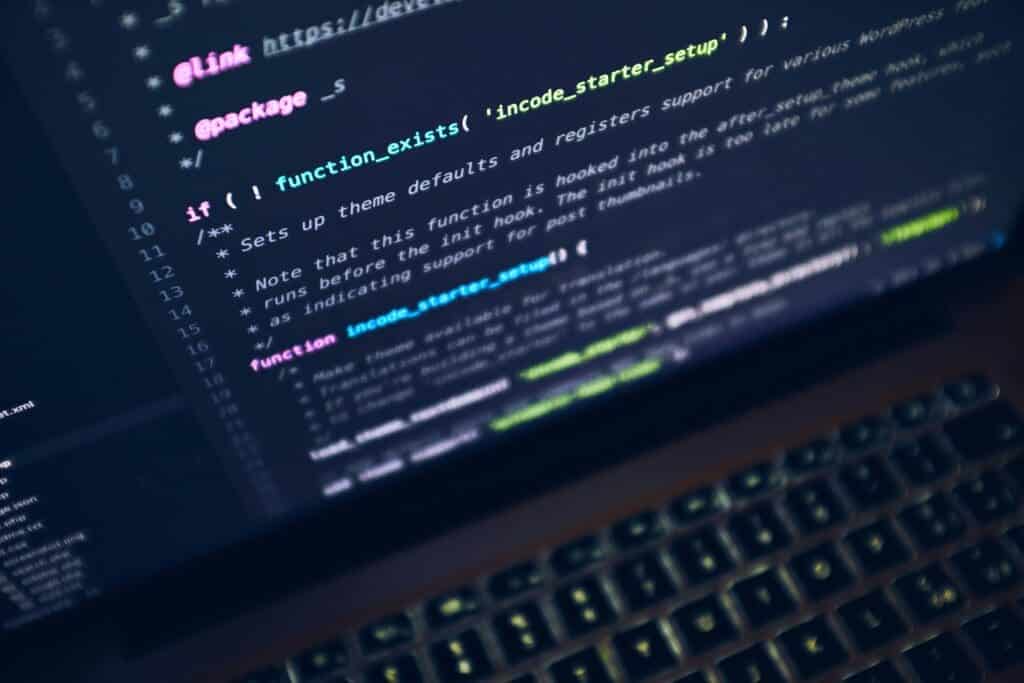
In today’s digital world, computer science and technology skills are essential for students. Learning programming, cybersecurity, and data management equips learners with tools to succeed in nearly every career. Understanding the importance of education in technology helps students see how coding, data analysis, and IT knowledge connect to real-world tasks and problem-solving (Crowe, 2022; ALI Staff, 2017).
Key benefits of technology education include:
- Strengthened problem-solving and analytical skills
- Adaptability to rapidly changing digital environments
- Preparedness for technology-driven careers
Real-World Applications of Technology Skills
Technology skills are highly applicable across industries. Programmers create software that streamlines operations, while cybersecurity experts protect sensitive information. Data analysts transform large datasets into actionable insights. Students who understand the importance of education in computer science can apply these skills in practical ways, enhancing employability and career readiness (Li, 2025; Haleem, 2022).
Key Technology Skills and Their Applications
| Skill Area | Focus | Real-World Applications |
|---|---|---|
| Programming | Python, Java, C++ | Software development, app creation, automation |
| Cybersecurity | Network protection, data security | Protecting organizations from cyberattacks, secure banking, healthcare IT |
| Data Management | Data analysis, visualization | Business intelligence, research, policy planning |
Connecting Technology to Future Careers
Technology education also develops critical thinking, creativity, and teamwork. Students learn to approach problems methodically, work collaboratively, and innovate solutions. Recognizing the importance of education in technology prepares learners to adapt to future advancements, pursue STEM careers, and navigate a digital society with confidence (Crowe, 2022; ALI Staff, 2017).
By integrating technology and computer science into learning, students gain both practical skills and a mindset for innovation, demonstrating that the importance of education goes beyond theory—it is a bridge to meaningful opportunities in the digital age.
Health and Physical Education: Building a Healthier Future

Why Health and Physical Education Matters
Health and Physical Education (HPE) teaches students to make informed choices about wellness and personal fitness. Learning about nutrition, exercise, and mental health emphasizes the importance of education in maintaining a healthy lifestyle. Students who understand these concepts are better prepared to care for themselves and contribute to the well-being of their communities (Baumbach, 2023; ALI Staff, 2017).
Key benefits of HPE include:
- Development of lifelong fitness habits
- Improved mental and emotional health
- Understanding the role of nutrition and disease prevention
- Teamwork and collaboration skills
- Awareness of public health issues (Crowe, 2022)
Real-World Applications of Health Education
Knowledge gained from HPE applies directly to daily life and careers. Healthcare professionals, nutritionists, and physical therapists rely on these foundations to guide interventions and promote wellness. Students who recognize the importance of education in health learn how preventive practices, physical activity, and mental health awareness improve overall quality of life (Haleem, 2022).
Practical examples of HPE in everyday life:
- Planning balanced meals and maintaining personal fitness routines
- Applying stress management and mental wellness strategies
- Participating in team sports or community health initiatives
- Advocating for healthier school or community policies
Connecting HPE to Lifelong Skills
Beyond physical health, HPE promotes critical thinking, discipline, and problem-solving. Students learn to set goals, track progress, and develop resilience. Understanding the importance of education in this field encourages active participation and responsibility for personal and societal health (Kong, 2021; Li, 2025).
By integrating HPE into school programs, students gain both practical skills and a mindset for wellness that extends beyond the classroom. Health and Physical Education demonstrates that the importance of education is not limited to academics—it supports holistic growth, preparing students to thrive personally, socially, and professionally.
Conclusion: Lifelong Learning and Career Growth

The Value of Lifelong Learning
Education is not confined to the classroom; it is a continuous process that shapes personal, academic, and professional growth. Recognizing the importance of education helps students understand how the knowledge and skills they acquire today lay the groundwork for future success (Li, 2025; ALI Staff, 2017). Lifelong learning encourages adaptability, critical thinking, and the ability to navigate an evolving job market.
Key benefits of embracing lifelong learning include:
- Continuous skill development for career advancement
- Increased employability in competitive fields
- Adaptation to technological and societal changes
- Enhanced problem-solving and critical thinking abilities
- Confidence in pursuing personal and professional goals (Crowe, 2022; Kong, 2021)
Interdisciplinary Skills and Career Applications
A well-rounded education combines knowledge from multiple disciplines. For example, mathematics and data analysis support technology-driven careers, while communication and language arts enhance collaboration and leadership. Recognizing the importance of education across subjects empowers students to approach challenges creatively and innovatively (Baumbach, 2023; Kiddom, n.d.).
Interdisciplinary Skills and Career Applications
| Skill Area | Developed Skills | Career Applications |
|---|---|---|
| Mathematics & Science | Analytical thinking, problem-solving | Engineering, finance, research, data analysis |
| Language Arts | Communication, critical thinking, persuasion | Journalism, marketing, law, public relations |
| Social Studies | Cultural awareness, civic responsibility | Government, education, community development |
| Art & Music | Creativity, innovation, collaboration | Advertising, design, technology, community programs |
| Technology & Computer Science | Coding, data management, cybersecurity | Software development, IT, cybersecurity, analytics |
| Health & Physical Education | Wellness, teamwork, preventive health | Healthcare, fitness, public health, therapy |
Connecting Education to Personal Growth
Beyond professional preparation, education fosters personal development. Students gain confidence, resilience, and a mindset for continuous improvement. Recognizing the importance of education encourages learners to pursue curiosity, develop interdisciplinary expertise, and engage in lifelong learning that extends into all aspects of life (Haleem, 2022; Li, 2025).
By integrating knowledge from multiple fields and applying it to real-world contexts, students prepare to tackle complex challenges, innovate solutions, and make meaningful contributions to society. Ultimately, education is not merely about grades—it is a stepping stone to lifelong growth, career success, and personal fulfillment.
In summary, understanding the importance of education equips students with the skills, knowledge, and mindset necessary to thrive in a dynamic world, bridging the gap between classroom learning and real-life applications, and ensuring a foundation for sustained personal and professional achievement.
References
Boss, S. (2017, August 17). Real‑World Applications of Classroom Learning. Edutopia. https://www.edutopia.org/article/real‑world‑applications‑classroom‑learning
Avallone, A. (2019, August 16). The Importance of Real‑World Learning for Students. Next Generation Learning Challenges. https://www.nextgenlearning.org/articles/learning-for-success-in-the-real-world
ALI Staff. (2017, February 15). The Importance of Real‑World Connections in the Classroom. Accelerate Learning Blog. https://blog.acceleratelearning.com/bringing-the-real-world-into-the-classroom-enhancing-the-future-workforce
Kong, Y. (2021). The Role of Experiential Learning on Students’ Motivation: A Review. PMC. https://www.ncbi.nlm.nih.gov/articles/PMC8569223/
Point Loma Nazarene University. (n.d.). Why Art Education Still Matters in a Tech‑Driven World. https://www.pointloma.edu/resources/undergraduate-studies/why-art-education-still-matters-tech-driven-world
Li, J. (2025). Arts Education and Its Role in Enhancing Cognitive Development and Academic Performance. ScienceDirect. https://www.sciencedirect.com/science/article/abs/pii/S0885201425000036
Strycker, J. (2020). K‑12 Art Teacher Technology Use and Preparation. PMC. https://www.ncbi.nlm.nih.gov/articles/PMC7338783/
Haleem, A. (2022). Understanding the Role of Digital Technologies in Education. ScienceDirect. https://www.sciencedirect.com/science/article/pii/S2666412722000137
Watson, E. (2020). STEM or STEAM?: The Critical Role of Arts in Technology Education. International Journal for Art & Design Education. https://arrow.tudublin.ie/cgi/viewcontent.cgi?article=1079&context=ijap
AVID Open Access. (n.d.). Discover the Power of Pairing Technology With Art Education. AVID Open Access. https://avidopenaccess.org/resource/discover-the-power-of-pairing-technology-with-art-education/
Ursu, N. (2024). Innovative Technologies in Teaching Art Disciplines in Education. Aquila Journal of Education & Development. https://aquila.usm.edu/cgi/viewcontent.cgi?article=1245&context=jetde
Kiddom. (n.d.). The Need for Real‑World Examples in the Classroom. https://www.kiddom.co/resources/real-world-examples-in-the-classroom
Haleem, A. (2022). Understanding the Role of Digital Technologies in Education. (Note: Same author as #8 but focusing on digital classroom applications) ScienceDirect. https://www.sciencedirect.com/science/article/pii/S2666412722000137
Assey, J. (1999). The Future of Technology in K‑12 Arts Education. U.S. Department of Education. https://scispace.com/pdf/the-future-of-technology-in-k-12-arts-education-1gcg4yxovi.pdf
ResearchGate. (2025). The Role of New Technologies for Enhancing Teaching and Learning in Arts Education. ResearchGate. https://www.researchgate.net/publication/275254186_The_Role_of_New_Technologies_for_Enhancing_Teaching_and_Learning_in_Arts_Education


Pingback: 7 Essential Article Summarization Techniques for Success
Pingback: Master Your English Writing Skills with These Tips
Pingback: Engineering Discipline: Unlocking New Opportunities
excellent publish, very informative. I ponder why the other specialists of this sector do not notice this.
You should proceed your writing. I’m sure, you’ve a huge readers’ base already!
Also visit my web page: ultimateshop cc
Hi there! This post couldn’t be written any better!
Reading this post reminds me of my good old room mate! He
always kept talking about this. I will forward this article to him.
Fairly certain he will have a good read. Thank you for sharing!