How to Focus While Studying: A Complete Student Guide
It’s 4 pm, school just finished, you’re just getting ready to study, and you’re about to start. After 1 hour, you have done nothing, and have doom scrolled for the majority of the time you were supposed to study.
Staying focused is a difficult trait that most students don’t acquire. Some believe it’s pure willpower, your environment, habits, energy, and how you set up your time are all important.
But most of us lose focus before we realize. Whether it be your phone or a messy desk, many things can impair your focus.
The good news? Focus while studying is a skill, and anyone can train and improve it.
In this guide we will discuss how to:
- Build Focus Before You Open Your Notes
- Control Distractions and Shape Your Study Space
- Use Study Methods That Keep Your Brain Engaged
- Protect Your Energy So Focus Lasts Longer
If you want more practical, research-backed resources for better study habits, ScholarlySphere has free articles and learning guides made just for students.
Build Focus Before You Open Your Notes
The time before studying, when you’re setting up, can either make studying easier or make it difficult to focus.
Setting a clear goal and having a quick routine helps cut down distractions that lead to unproductiveness.
Set One Clear Outcome for Each Study Session
Example: If you use a vague plan like, “study biology”, you’ll just scatter your attention.
Try this instead: “Complete the review questions for Chapter 7 and write a summary of the cell cycle.”
Framing your session this way gives your brain a target to strive for. Research from the American Psychological Association says specific, measurable goals boost your chances of finishing tasks compared to general ones.
So use them for your studying, always set a clear goal/outcome no matter the subject, if you want a basic guide to create one, I would recommend using the SMART goal format.
Here’s also another simple way to set your outcome:
- Write one sentence about what you’ll finish (not just what you’ll do)
- Make sure it’s doable in a 45 to 90-minute study block
- Check it off when you’re done—it helps reinforce the habit
When you know what to work towards, it’s just that much easier to stay on track.
Use a Pre-Study Ritual to Start Faster
Having a pre-study ritual informs your brain that it’s time to get ready for focused work. It helps you avoid the sudden mental wave before starting, which helps avoid procrastination or study anxiety.

Your ritual doesn’t have to be long and fancy, just base it on some simple things which benefit your focus.
For example: clear your study desk, fill a water bottle, put on headphones, and write the session goal. If you do it every time, it’ll trigger your focus and mentally prepare you better.
Research on routines and environmental cues suggests that repeated preparation habits can help reduce mental resistance before starting tasks and improve consistency during study sessions.
| Ritual Element | Time Needed | Purpose |
|---|---|---|
| Clear desk surface | 2 minutes | Reduces visual clutter |
| Write session goal | 1 minute | Sets clear direction |
| Put phone away | 30 seconds | Removes temptation |
| Start focus music or silence | 30 seconds | Signals work mode |
I recommend taking less than 10 minutes, any more and you’ll have the potential of wasting valuable study time because you’re over-perfecting your pre-study ritual.
Control Distractions and Shape Your Study Space
Your environment tells your brain about what’s “normal” behavior. If your space is messy, your mind is more inclined to be the same.
But a clean, quiet, dedicated study spot makes it way easier to get down to business.
Put Your Phone in Another Room and Silence Interruptions
Research from the University of Texas at Austin found that just seeing your phone on your desk lowers your brain power, even if it’s face down and on silent mode.
To counter this; stick your phone in another room to get rid of both the distraction and the itch to check it. If you really need it close by, turn on Do Not Disturb and keep it out of sight, maybe in the room right beside you.
Here are some extra tips:
- Turn off all non-essential notifications before every session
- Tell people you live with when you’re studying so they don’t interrupt
Create a Dedicated Study Space That Supports Concentration
Having a dedicated space for studying lets your brain associate the space with studying, helping to increase your starting focus. The more time you spend having a study space, the better this effect becomes.

Your space doesn’t have to be fancy or big.
Consistency and simplicity matter most. The Oregon State University Academic Success Center recommends picking a spot with minimal interruptions, good lighting, and a clear surface.
Research on learning environments shows that organized spaces can improve concentration, reduce mental overload, and help students stay consistent with study habits.
| Space Feature | Why It Helps |
|---|---|
| Consistent location | Builds a focus-trigger association |
| Clear desk surface | Reduces visual distraction |
| Good lighting | Reduces eye strain and fatigue |
| Comfortable but alert seating | Keeps you awake without being uncomfortable |
Skip places already associated with tasks that encourage or require minimal focus, for example, your bed.
Use Digital Boundaries That Protect Deep Work
The attention economy is literally built to steal your focus. First, know that your phone and browser are designed for distraction. Then, implement steps to minimize their potential to distract.
Website blockers are essential if you’re the type of person to feel inclined to scroll social media or YouTube. Apps like Cold Turkey or Freedom let you block distracting sites during your study blocks.
If you don’t feel like installing an application, you can always put app time limits.
Some usage tips:
- Turn on your website blocker before each study block
- Try browser extensions that show you where your time goes
Use Study Methods That Keep Your Brain Engaged
Most students use passive studying such as re-reading notes or highlighting, these barely help you focus. It’s too easy to let yourself zone out.
Active learning methods keep you engaged and actually help you remember.
Work in Timed Sprints With the Pomodoro Technique
The Pomodoro Technique: the basics of this technique are a 25-minute working period, then a 5-minute break. After four rounds, you will take a longer break of about 15 to 30 minutes.
This works because you don’t do “three hours of studying.” You focus for 25 minutes, which feels way more doable. Tons of students say these timed sprints help them concentrate without getting burnt out.
Research on productivity and attention management suggests that short, structured work sessions can help maintain mental stamina while reducing cognitive fatigue during longer study periods.
| Pomodoro Phase | Duration | Purpose |
|---|---|---|
| Focus block | 25 minutes | Deep work, no interruptions |
| Short break | 5 minutes | Mental reset |
| Long break (after 4 rounds) | 15 to 30 minutes | Full recovery |
Extra tips:
- Use a kitchen timer or a Pomodoro app to keep track
- Don’t touch your phone during the 25-minute sprint
Replace Passive Review With Active Recall and Practice Questions
Active recall is when you pull info from your memory instead of re-reading it. Flashcards, practice questions, and self-testing; these are all ways to do active recall.
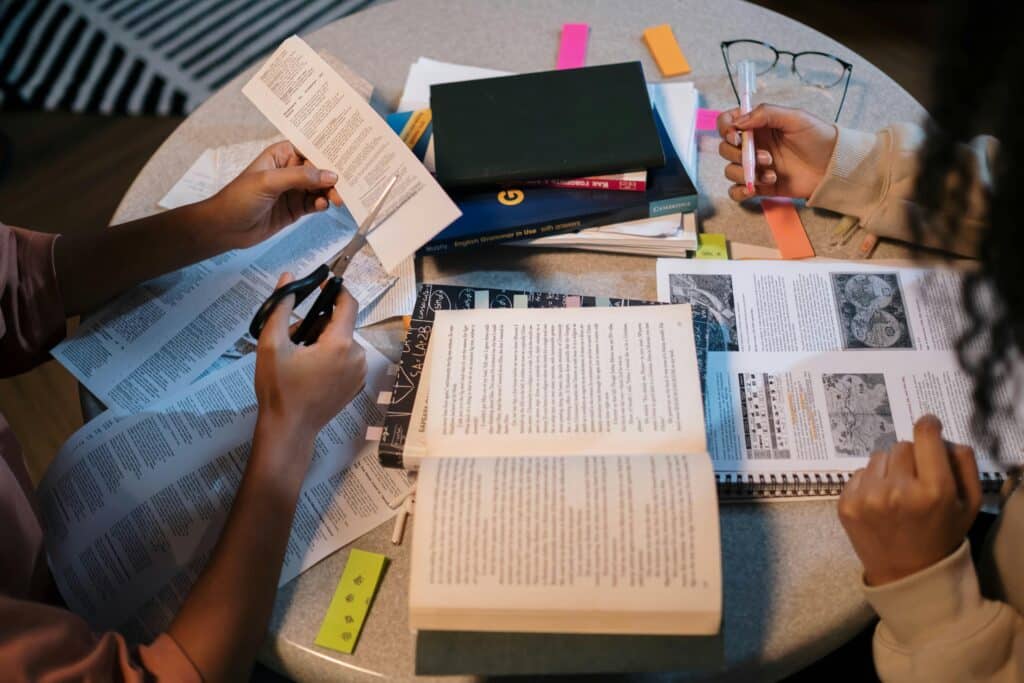
Research shows active recall beats passive review in terms of long-term memory. Students who test themselves remember more after a week than those who just re-read notes. That’s called the “testing effect.”
Spaced repetition works well with active recall. Reviewing material at spaced-out intervals helps you maintain focus without tiring yourself.
Educational psychology research consistently supports retrieval practice and spaced repetition as some of the most effective learning techniques for long-term retention and comprehension.
Extra tips:
- Swap one re-reading session a week for a self-test using your notes
- Write questions from your notes and answer them without peeking
Avoid Multitasking and Train Single-Tasking
Multitasking; like texting between paragraphs or bouncing between tabs; this kills your attention. Studies say multitasking can cut productivity by up to 40% and leads to making more common mistakes that otherwise wouldn’t have been made.
Your working memory can only handle so much. So, when you switch your attention to other things, you lose a little focus and accuracy.
Solution: single-tasking; doing only one task at a time and sticking to it, if wanted you can put distractions away to further avoid multitasking.
Extra tips:
- Stick to one subject per study block instead of jumping around
- Close unrelated tabs before you start
Protect Your Energy So Focus Lasts Longer
Focus isn’t built with what’s done during one study session. Managing your energy between different study sessions makes a bigger impact than most people think.
Use Breaks to Recover Instead of Drifting
What’s the difference between a break and zone out? A proper break? It’s intentional, has an end time, and actually helps you focus better.
Zoning out could be just checking your phone for a second; but in that period, half an hour’s gone. You leave empty-handed with just wasted time.
But, when you do take a break, step away from your screen. It could be a short walk, drink some water, or stretch a little. According to Western Governors University, moving around during breaks offers more benefits than scrolling on your phone.
Research on mental recovery and productivity suggests that intentional breaks improve attention restoration and reduce mental fatigue better than passive scrolling or multitasking.
Extra tips:
- Set a timer for your break, just like you do for your work block.
- Skip your phone during breaks—otherwise, you’ll probably lose track of time.
Fuel Your Brain With Sleep, Food, Water, and Movement
Your brain needs support. If you skimp on sleep, your memory and reaction time tank. Forgot to drink water? That slows your thinking down as well.
And if you skip meals, your energy crashes. That’s a sure way to sabotage your concentration before you even get started.
Health organizations and cognitive performance studies consistently show that sleep, hydration, nutrition, and physical activity all directly affect memory, focus, and learning performance.
| Brain Fuel | Recommended Amount | Focus Benefit |
|---|---|---|
| Sleep | 8 to 10 hours (teens), 7 to 9 hours (adults) | Restores attention and memory consolidation |
| Water | 6 to 8 cups per day | Prevents cognitive slowdown from dehydration |
| Movement | 20 to 30 minutes most days | Increases blood flow and reduces mental fatigue |
| Balanced meals | 3 meals plus snacks | Maintains stable blood glucose for concentration |
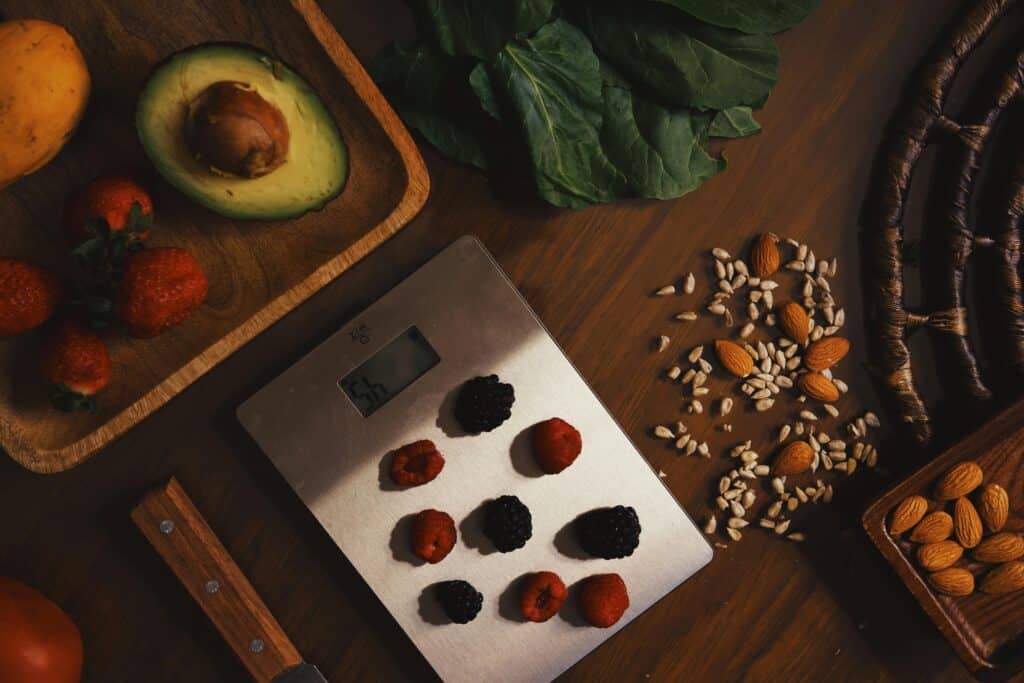
Some foods really do help you focus—nuts, berries, eggs, leafy greens, and whole grains. They give you steady energy, unlike sugary snacks that make you crash.
Extra tips:
- Keep a water bottle at your desk every time you study.
- Grab a light snack before you start a long session, instead of trying to power through on an empty stomach.
Frequently Asked Questions (FAQ)
How can I focus better while studying?
Focus improves when you reduce distractions, set a clear goal for each study session, and use structured methods like Pomodoro or active recall to significantly increase concentration.
Why do I get distracted so easily when studying?
Distraction often comes from overstimulation, especially from phones, social media, and multitasking.
What is the best study method to improve focus?
Active recall combined with spaced repetition is one of the most effective methods. It forces your brain to retrieve information instead of passively rereading, which improves long-term retention.
Does the Pomodoro Technique actually help with studying?
Yes. The Pomodoro Technique improves focus by breaking study time into short intervals (usually 25 minutes) with breaks in between. This reduces mental fatigue and makes it easier to start studying without procrastination.
How do I stop using my phone while studying?
The most effective method is to physically remove your phone from your study area. Turning on Do Not Disturb or using app blockers can also reduce temptation and help maintain deep focus during study sessions.
Conclusion

Now imagine; it’s 4 pm, you come to an organized study space and study with active recall, after 1 hour, you’re more prepared than ever.
Learning how to focus while studying is not about being perfect or forcing yourself to stay locked in. It is about building the right habits, removing distractions, and using methods that keep your brain active.
The best part is that focus is a skill you can improve with practice. Start small, stay consistent. The more often you train your attention, the easier it becomes to study with purpose, retain information better, and get more done in less time.
So, which study method will you use tonight?
References
Brown, Peter C., Henry L. Roediger III, and Mark A. McDaniel. Make It Stick: The Science of Successful Learning. Belknap Press: An Imprint of Harvard University Press, 2014. https://www.retrievalpractice.org/make-it-stick
Cirillo, Francesco. The Pomodoro Technique: The Acclaimed Time-Management System That Has Transformed How We Work. Currency, 2018. https://francescocirillo.com/products/the-pomodoro-technique
Dunlosky, John, et al. “Improving Students’ Learning With Effective Learning Techniques: Promising Directions From Cognitive and Educational Psychology.” Psychological Science in the Public Interest, vol. 14, no. 1, 2013, pp. 4-58. https://doi.org/10.1177/1529100612453266
Edmonds, Caroline J., and David J. French. “Effects of Water Consumption on Cognitive Performance of Children.” Appetite, vol. 53, no. 3, 2009, pp. 469-72. https://doi.org/10.1016/j.appet.2009.08.012
Gomez-Pinilla, Fernando. “Brain Foods: The Effects of Nutrients on Brain Function.” Nature Reviews Neuroscience, vol. 9, no. 7, 2008, pp. 568-78. https://doi.org/10.1038/nrn2421
Mark, Gloria. Attention Span: A Groundbreaking Way to Restore Balance, Happiness and Productivity. Hanover Square Press, 2023. https://gloriamark.com/attention-span/